Toronto Star
· collected 2026-09-25 · by Kelly Geraldine Malone The Canadian Press
U.S. Trade Representative Jamieson Greer told CNBC that there is no urgent need for a trade deal between the United States and Canada, stating President Trump is content with the current state despite escalating tariffs. Greer argued that while negotiations broke down due to Canada's last-minute requests, strong bilateral trade continues in areas such as oil, gas, potash, and agriculture. The article highlights ongoing tensions, including recent tariff increases and social media attacks from both sides, but notes a lack of immediate urgency for resolving the issues.
Written locally by qwen2.5:14b on 2026-09-25,
using this article's own text rather than the other coverage of the
same event (that is the story summary below).
Story summary
U.S. Trade Representative Jamieson Greer told CNBC that President Donald Trump is comfortable with the current state of trade talks with Canada, stating there's no urgency for a new deal despite ongoing tensions between the two countries. The dispute intensified after negotiations collapsed in August, when Ottawa walked away from discussions over last-minute demands by the U.S., including restrictions on Canada’s ability to enter into other trade deals. In response, both sides have imposed retaliatory tariffs on goods like steel, aluminum, and dairy products. Greer noted that while strong trade continues between the nations—particularly in oil, gas, and potash—Trump's administration feels no rush to resolve the dispute despite concerns raised by Canada’s Prime Minister Mark Carney about sovereignty issues.
Written for “US Canada Trade Dispute” on 2026-10-05,
grounded in this article and the 4 other(s) covering the same event.
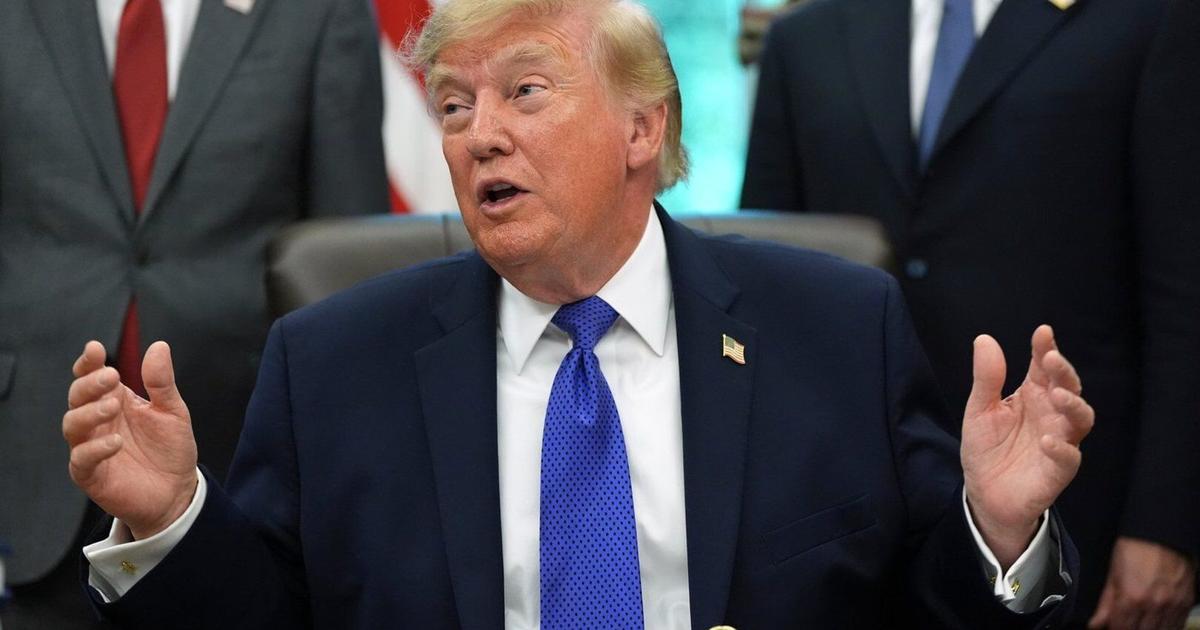
WASHINGTON - U.S. President Donald Trump’s trade czar said Friday he sees no urgent need to get a deal with Canada as the bilateral relationship continues to be rocked by escalating tariffs.
asserted
relationship → say → tariffs
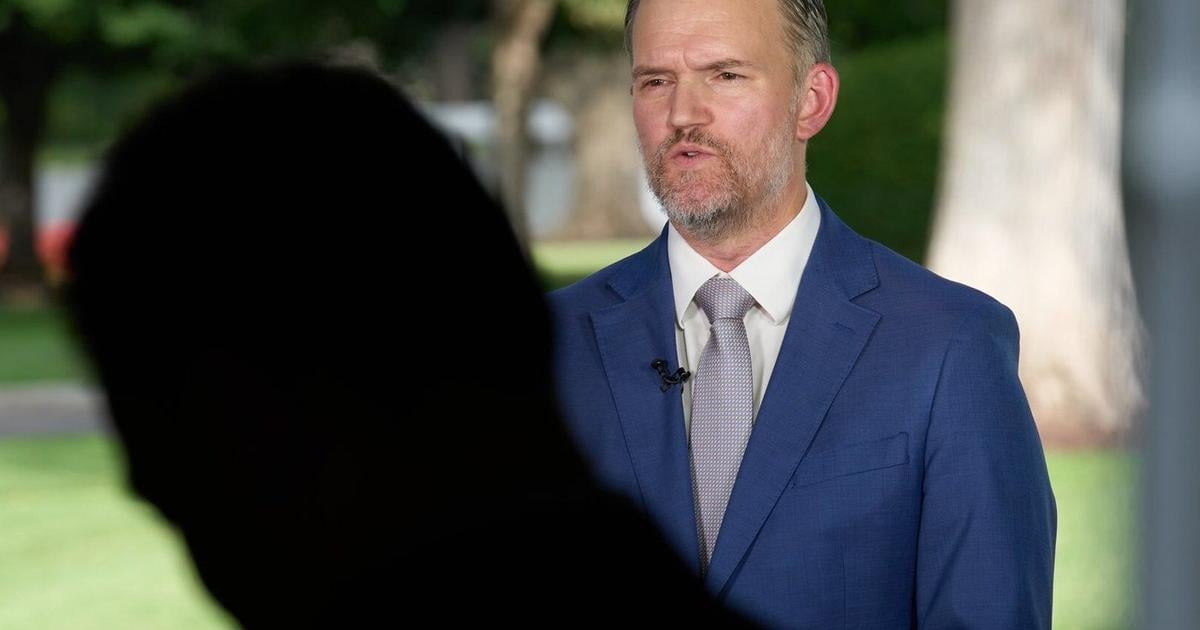
“The reality is President Trump is comfortable where we are on Canada,” United States Trade Representative Jamieson Greer told CNBC.
asserted
Greer → tell → CNBC
Trump’s trade war with Canada has intensified since negotiations ended in acrimony last month.
asserted
negotiations → intensify → acrimony
Both countries have accused each other of adding last-minute changes to the deal.
asserted
countries → accuse → deal
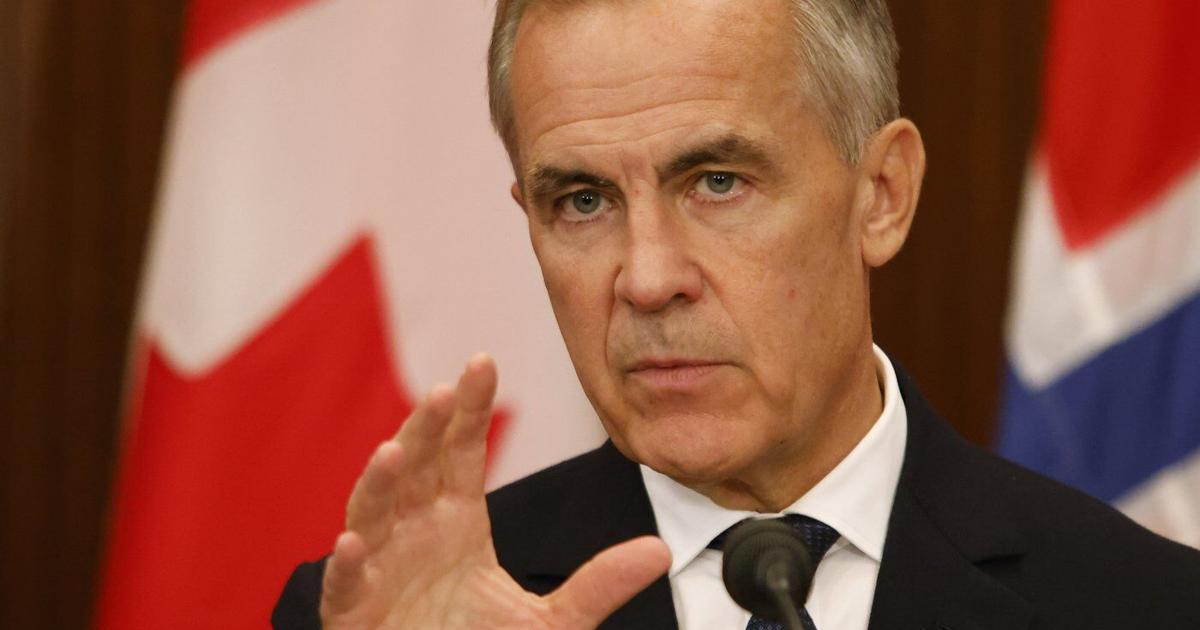
Prime Minister Mark Carney has accused U.S. negotiators of attempting to restrict Canada’s ability to negotiate other trade deals and of attempting to curb Canada’s protections for language and culture.
asserted
Carney → accuse → language
Greer claimed the Trump administration handed Canada its best deal but said Ottawa tried to get tariff relief for heavy-duty trucks in the last hours of talks.
asserted
Ottawa → claim → talks
In the hours after negotiations were frozen, the United States hit an array of Canadian goods with 50 per cent tariffs.
asserted
States → freeze → tariffs
Ottawa responded with its own tariffs a few weeks later.
asserted
Ottawa → respond → tariffs
Trump responded by signing an order to ban imports of certain Canadian goods later this month and directed some federal agencies to remove Canadian goods from procurement lists.
The president also signed an executive order to change the name of Lake Ontario to “Lake America”.
asserted
president → respond → America
Canada is also being hit with 10 per cent tariffs which the Trump administration claims are connected to forced labour in supply chains.
uncertain
administration → hit → chains
Those duties do not apply to goods that comply with the Canada-U.S.-Mexico Agreement on trade, known as CUSMA.
asserted
that → apply → CUSMA
And Canadian industries like steel, aluminum, automobiles and cabinetry are being slammed by Trump’s separate sectoral tariffs.
asserted
industries → slam → tariffs
Greer said despite the tit-for-tat escalation between Washington and Ottawa, there is still a lot of strong trade between the two countries.
asserted
Greer → say → countries
He said the United States is still getting what it needs from Canada in terms of oil, gas, potash and agriculture.
asserted
it → say → oil
Greer said the Canadians “call us now and then” and there are conversations about potential deals.
asserted
Canadians → say → deals
“There’s no urgency on our side, I will say,” Greer said.
asserted
Greer → ’ → side
Trump continued to target Canada in social media posts this week as Carney returned to the United States for the first time since trade talks fell apart.
asserted
talks → continue → time
While Carney travelled to New York to attend the United Nations General Assembly, Trump posted on Monday about making a deal with Belarus for agricultural potash instead of sourcing it from Canada.
asserted
Trump → travel → Canada
Trump later partially walked back those comments, saying, “We’ll continue to go with Canada, but Belarus would like to sell it for a much lower price.”
asserted
Belarus → walk → price
On Wednesday, the president took aim at Canada again, posting on social media that the country is “destroying itself” by allowing millions of people in “essentially unchecked and unvetted.”
asserted
millions → take → people
Carney and Trump did not meet while both leaders were in New York and the prime minister was not scheduled to connect with any members of the U.S. administration.
asserted
minister → meet → administration
This report by The Canadian Press was first published Sept. 25, 2026.
asserted
report → publish → Press
 The Aporia