The Aporia
The Aporia
The Aporia
Mauduit, F. (2026, September 3). Nepal Army cable helps Nuwakot flood survivors cross river. Euronews. http://www.euronews.com/video/2026/09/03/nepal-army-cable-helps-nuwakot-flood-survivors-cross-river
Mauduit, Frederique. “Nepal Army cable helps Nuwakot flood survivors cross river.” Euronews, 3 Sept. 2026, http://www.euronews.com/video/2026/09/03/nepal-army-cable-helps-nuwakot-flood-survivors-cross-river.
Mauduit, Frederique. “Nepal Army cable helps Nuwakot flood survivors cross river.” Euronews, September 3, 2026. http://www.euronews.com/video/2026/09/03/nepal-army-cable-helps-nuwakot-flood-survivors-cross-river.
Dated when The Aporia collected the article, usually within hours of publication. Check the original for its exact date and byline.
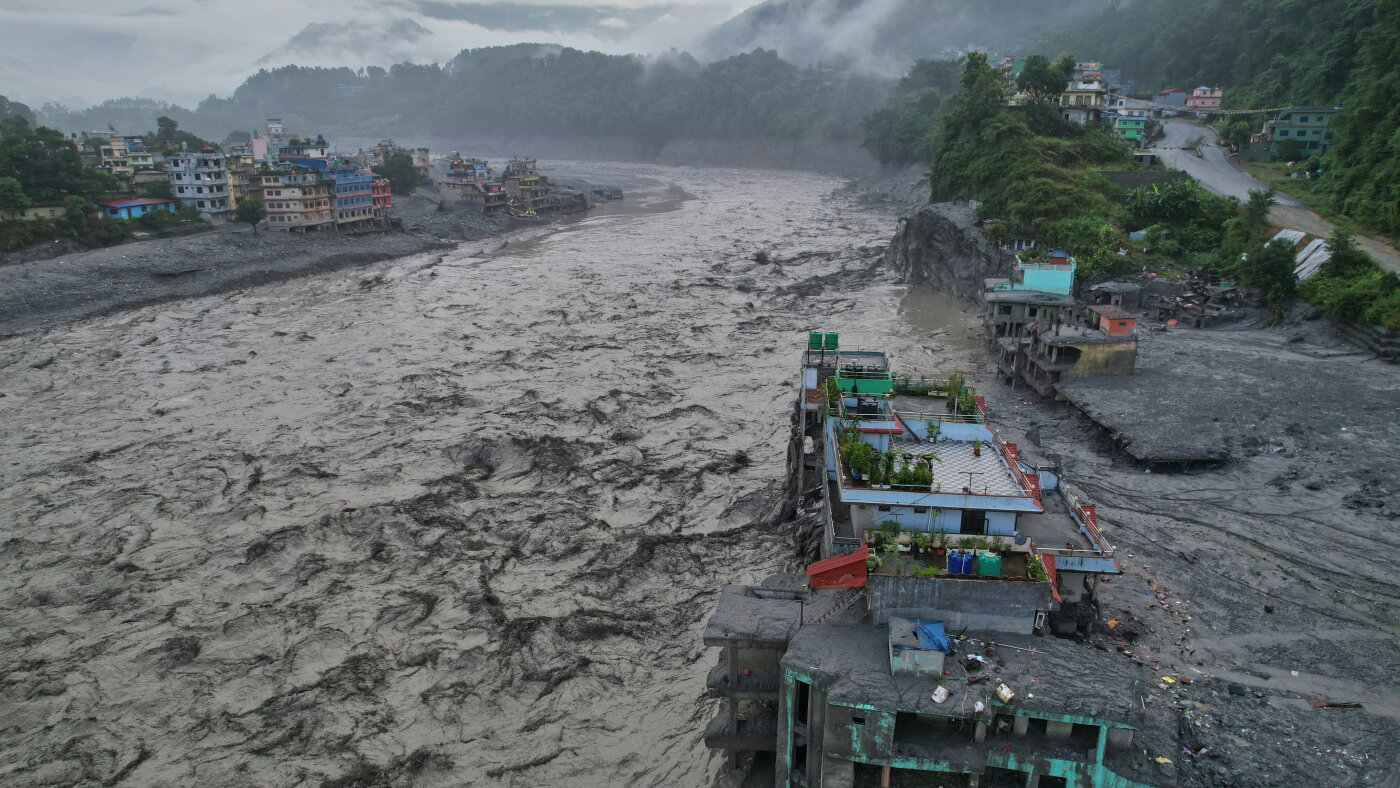
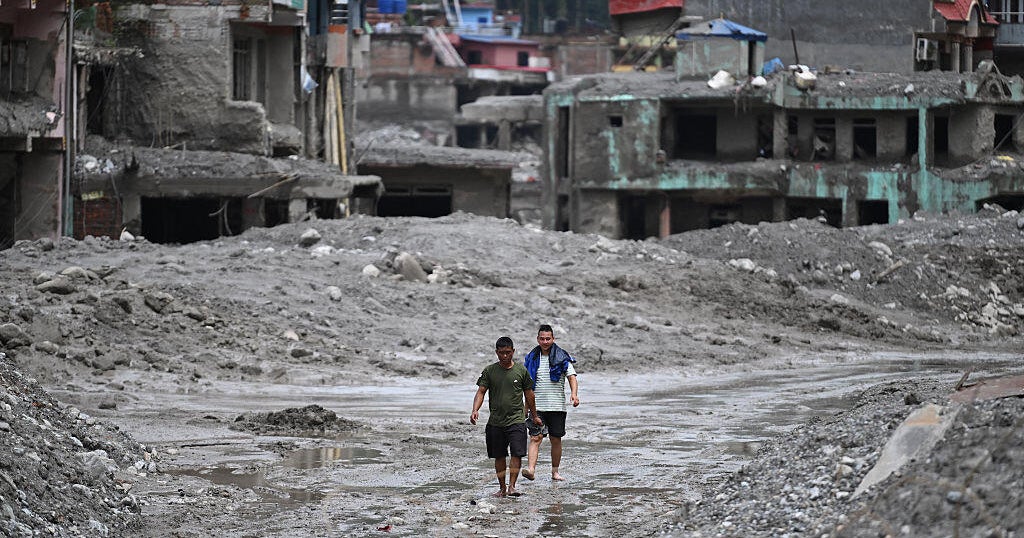
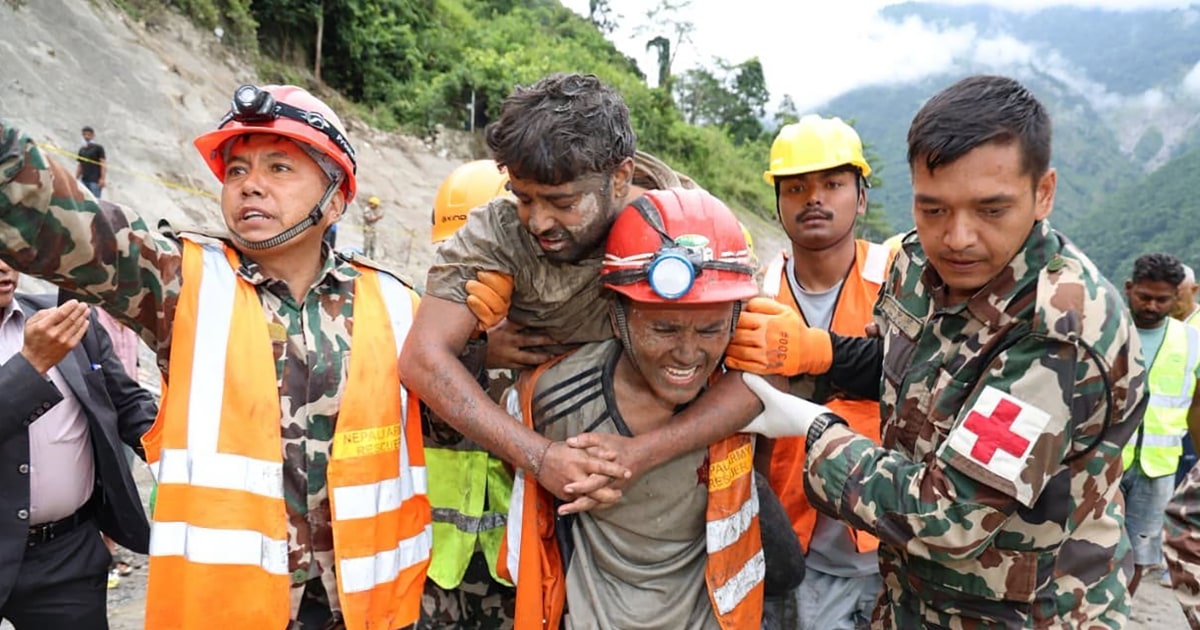
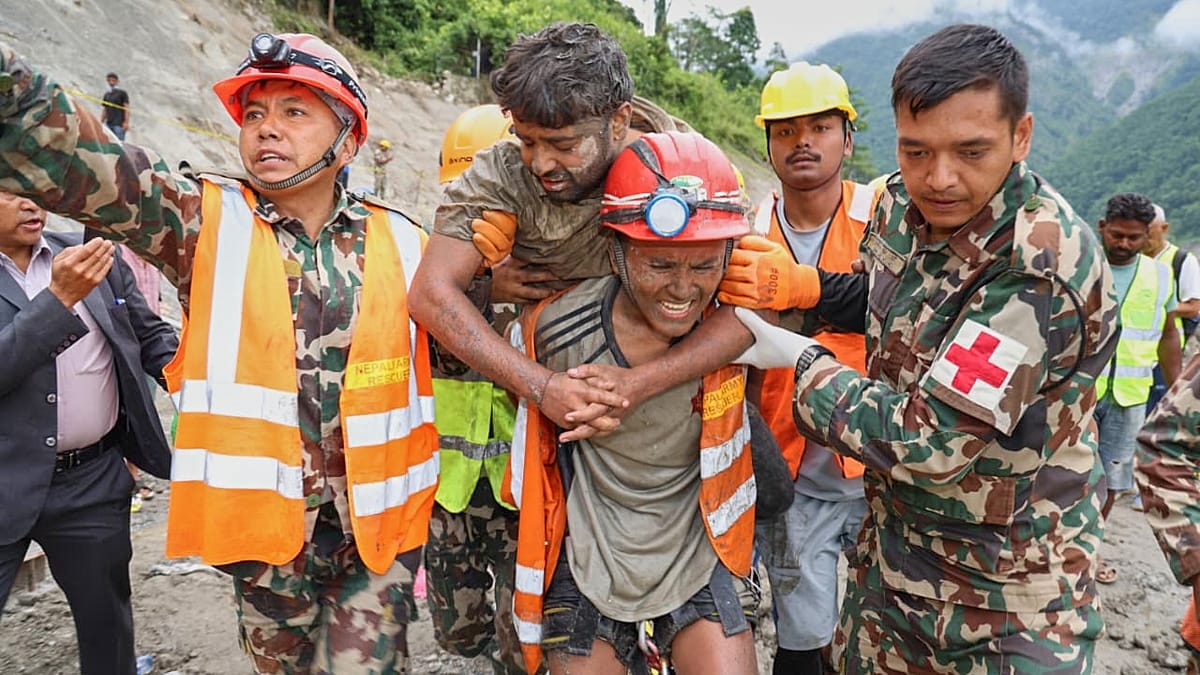
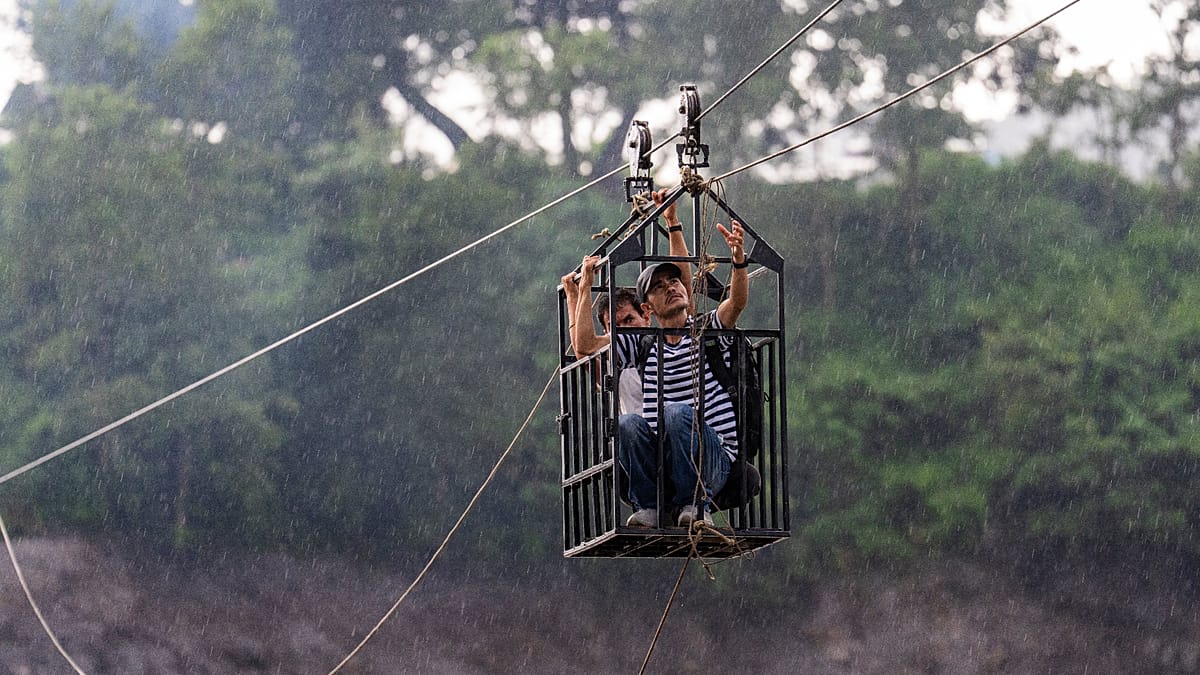
In Nuwakot district of Nepal, survivors of devastating floods use a makeshift cable installed by the Nepal Army to cross the swollen Trisholi River in Bidur. The 250-meter-long cable serves as an essential link for communities isolated after roads and bridges were destroyed. Soldiers and local residents assist people boarding the temporary device, which carries them high above the fast-flowing river. This critical but precarious route has been operational more than a week since the floods occurred, highlighting the ongoing challenges faced by those affected.