After the flash flood disaster, here is what Nepal really needs

Al Jazeera – Breaking News, World News and Video from Al Jazeera · collected 2026-08-31 · by Dikshya Subedi
Read the original at Al Jazeera – Breaking News, World News and Video from Al Jazeera ↗

Summary

A climate activist who has seen her husband's village affected by the flash flood in Nepal describes the devastation she witnessed firsthand, saying it was a harsh realization of the threat posed by climate change in the Himalayas. The number of missing people from the disaster is now over 4,700, with local authorities struggling to cope with the recovered bodies. Preliminary scientific evidence suggests that an ice-and-rock collapse triggered the flood, which may be followed by a second flood due to a lake forming near the Nepal-Tibet border. The author argues that Nepal needs real investment in early warning systems and climate-resilient infrastructure to mitigate future disasters.
Written by the local model on 2026-08-31, using this article's own text rather than the other coverage of the same event (that is the story summary below).

Signals How these are calculated →

Claims extracted
42
claim-shaped sentences
Uncertain
5%
2 of 42 hedged
Leaning
withheld
no quote in the article backed the model's score
Publisher trust
96.5
red-flag proxy, not a credibility rating
Outlets on this story
58
Environment
Narrative spread
1
articles carrying this framing
Analyzed 2026-08-31 · how these are computed

AI analysis (generated at analysis time, not now)

Story summary

A catastrophic flash flood occurred on August 26, 2026, on the Nepal-Tibet border, causing widespread destruction and loss of life. The disaster was triggered by a collapsed glacier, which sent massive amounts of water and debris downstream, resulting in the deaths of at least 273 people and leaving over 1,300 missing. The floodwaters swept through several communities, including Syapru Besi and Timure in the mountainous district of Rasuwa, with many villages and infrastructure destroyed. Rescue teams were deployed to search for survivors, but their efforts were hindered by the remote location and challenging terrain.

The disaster also affected Tibet, where a mudslide hit the land border crossing at Gyirong Port, causing major casualties and disruptions to transportation and communication networks. Chinese President Xi Jinping ordered "all-out" efforts to search for those missing and to strengthen monitoring and early warning systems to prevent similar disasters in the future.

The Nepal Tourism Board reported that 25 Canadians were among those missing, and officials warned of a high risk of secondary collapses or landslides as rain continued in the affected area. The disaster has highlighted the issue of rapidly melting Himalayan ice and the need for better preparedness and emergency response measures in the region.

Written for “Nepal Tibet Flood Disaster” on 2026-08-31, grounded in this article and the 57 other(s) covering the same event.
Why this leaning score
The model judged this article politically coded and scored it +0.85, but every quote it verified points left, so the score is not published.
Written under an earlier scoring contract, which gave a paragraph rather than checkable quotes. Re-analysing this article replaces it.
Leaning score withheld for article 3400: score contradicts its own evidence · logged 2026-08-31

Story

📰 Nepal Tibet Flood Disaster
Environment · 58 article(s) covering the same event. This is the one the site leads with.

How this is being covered How these are calculated →

Article leaning vs. publisher reliability
Source leaning vs. consistency

Compared with similar articles

This article reads unscored and hedges 5% of its claims. Each row says how that neighbour differs.
CBC | World News
⚖️ leaning not scored 🔴 12% hedged 4 of 33 📰 publisher trust 95
“Both articles report on the same catastrophic floods in Nepal, Tibet, with a similar death toll and number of missing people.”
New York Post
⚖️ leaning not scored 🔴 15% hedged 5 of 33 📰 publisher trust 95
“Both articles describe the same flash flood disaster that occurred in Nepal, with article A detailing its cause (glacier collapse) and article B describing its aftermath”
BBC News
⚖️ leaning not scored 🔴 20% hedged 9 of 44 📰 publisher trust 96
“Both articles report on the same flash flood disaster that occurred in Nepal, including its aftermath and casualties”
World News Today: International News Headlines - The Hindu | The Hindu
⚖️ leaning not scored 🔴 0% hedged 0 of 7 📰 publisher trust 94
“Both articles report on the same flash flood disaster in Nepal, with matching locations (Rasuwa and Nuwakot regions), causes (glacial collapse), and timeframes (5 days after the event)”
Top News - UPI.com
⚖️ leaning not scored 🔴 23% hedged 3 of 13 📰 publisher trust 54
“Both articles describe the same flash flood disaster in Nepal, with Article A reporting on the updated death toll and injuries, while Article B reflects on the aftermath of the disaster.”
New York Post
⚖️ leaning not scored 🔴 13% hedged 5 of 38 📰 publisher trust 95
“Both articles describe the same flash flood disaster in Nepal, specifically mentioning its impact on August 27th and the growing number of missing people.”
Dawn - Home
⚖️ leaning not scored 🔴 9% hedged 5 of 57 📰 publisher trust 95
“Both articles report on the same flash flood disaster in Nepal, with Article A providing an update on the death toll and missing persons five days after the incident.”
CBC | World News
⚖️ leaning not scored 🔴 7% hedged 3 of 41 📰 publisher trust 95
“Both articles describe the same flash flood disaster in Nepal, with a focus on the number of missing people and victims, which occurred on Wednesday (August 26 or 27) and is still unfolding when Article B was written.”
Al Jazeera – Breaking News, World News and Video from Al Jazeera
⚖️ leaning not scored 🔴 0% hedged 0 of 11 📰 publisher trust 96
“Both articles describe a flash flood disaster in Nepal, with the number of missing people increasing over time, and both mention the glacier collapse as the cause.”
World News Today: International News Headlines - The Hindu | The Hindu
⚖️ leaning not scored 🔴 18% hedged 2 of 11 📰 publisher trust 94
“Both articles report on the same catastrophic flash flood that occurred in Northern Nepal, with Article A describing the immediate aftermath and consequences, and Article B discussing the ongoing response and personal connection to the disaster.”

Publisher

Al Jazeera – Breaking News, World News and Video from Al Jazeera · 173 article(s) · 0 correction(s) detected
SignalValueWeight
Correction rate 0.000 0.4
Uncertainty density 0.070 0.25
Assertive mismatch rate 0.000 0.35
No corrections detected for this publisher. That may mean careful reporting, or simply that nothing has been checked.

Who wrote this

Dikshya Subedi
1 article(s) here · 1 carrying a prediction
🔮 As a result of this movement, a lake has formed near the Nepal-Tibet border and may yet cause a second flood.
The only article under this byline in the corpus.

Topics

China Himalayan Nepal

Subjects

Nepal GPE · 5× China GPE · 1× Himalayan NORP · 1× the Loss and Damage Fund ORG · 1×

Narrative

Right now, authorities must urgently map and monitor unstable glaciers, landslide-dammed lakes and river corridors, while restoring damaged sensors and establishing 24/7 real-time communication among mountain monitoring stations and downstream communities.
framing: assertive · carried by 1 article(s) · first seen 2026-08-31
🔮 As a result of this movement, a lake has formed near the Nepal-Tibet border and may yet cause a second flood.
2026-08-31 · Al Jazeera – Breaking News, World News and Video from Al Jazeera
After the flash flood disaster, here is what Nepal really needs · assertive framing

Claims (42 extracted, 2 hedged)

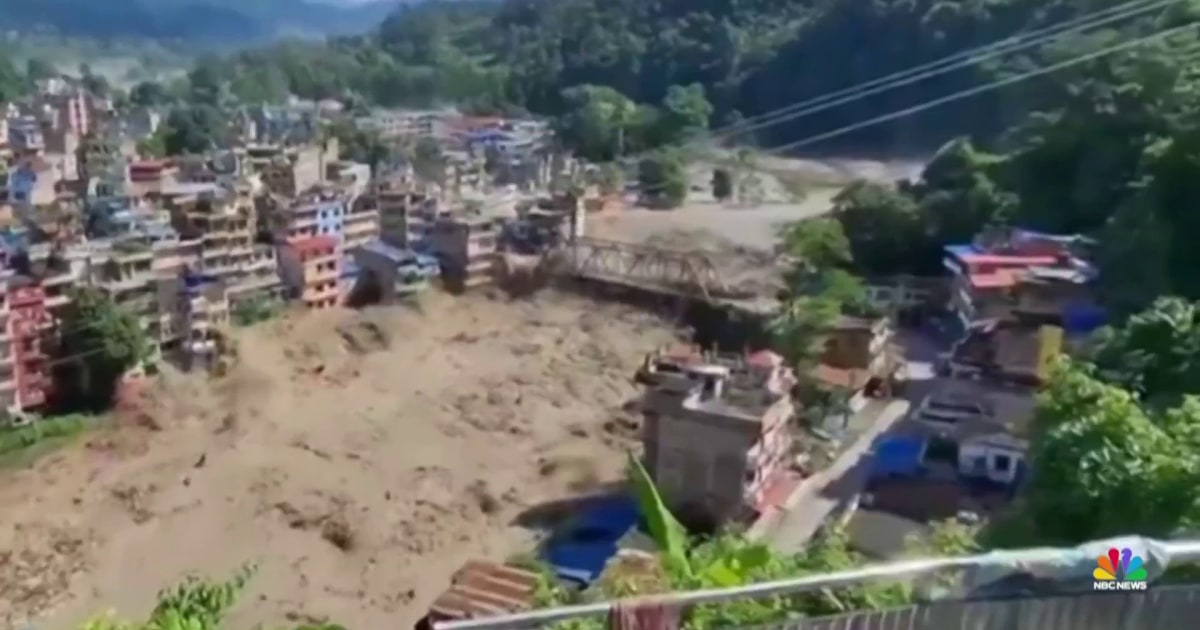
Five days after the flood that struck the Rasuwa and Nuwakot regions of Nepal, the number of missing people is growing. asserted
number → strike → people
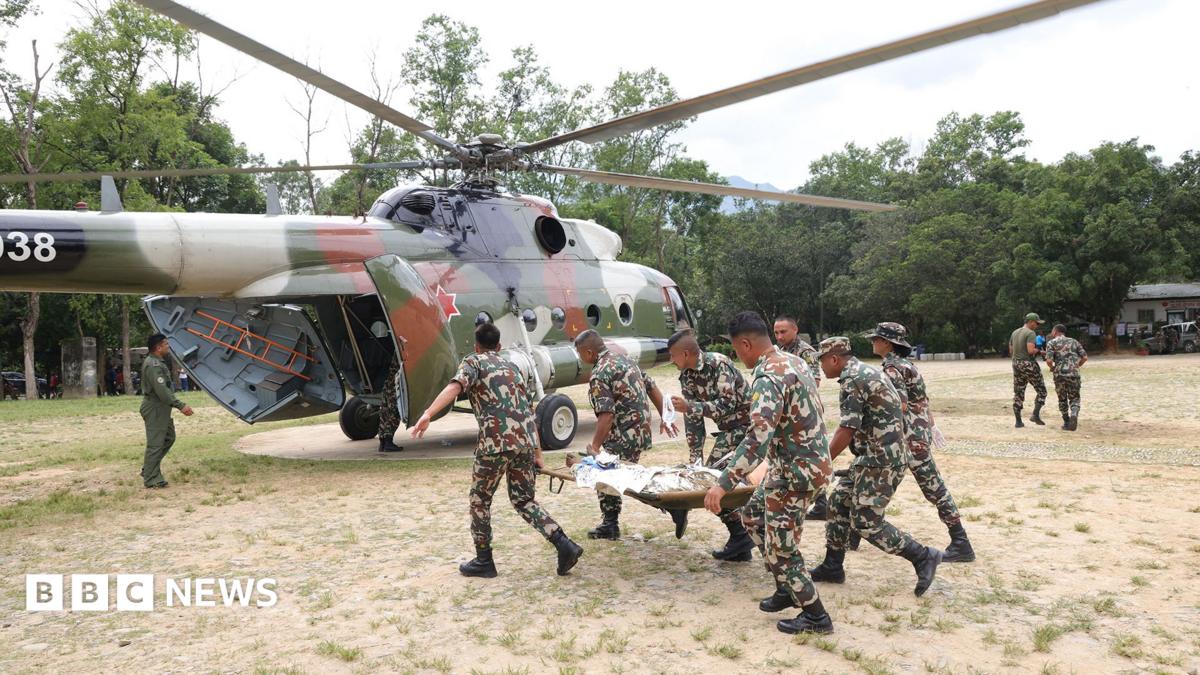
The whereabouts of more than 4,700 people are unknown, while local authorities are struggling to cope with the shocking number of recovered bodies. asserted
authorities → struggle → bodies
This disaster hit home for me. asserted
disaster → hit → me
My husband’s village was wiped out, his relatives narrowly escaping the flood. asserted
relatives → wipe → flood
For more than seven years, I have worked in climate advocacy. asserted
I → work → advocacy
I have sat in policy meetings, written reports on glacial risk and spoken at panels about the particular vulnerability of Himalayan communities. asserted
I → sit → communities
I thought I understood what was at stake. asserted
what → think → stake
The horror and despair I have seen in affected communities are hard to describe. asserted
I → see → communities
Preliminary scientific evidence indicates that a massive ice-and-rock collapse in the high Himalayas triggered a cascading event in the Lhende Khola, sending a sudden surge of water, rock and sediment into the Bhote Koshi-Trishuli river system. asserted
collapse → indicate → system
As a result of this movement, a lake has formed near the Nepal-Tibet border and may yet cause a second flood. uncertain
lake → form → flood
While Nepal could not realistically have prevented the initial collapse, the scale of the disaster highlights glaring gaps in disaster risk reduction and preparedness under a changed climate reality. uncertain
scale → prevent → reality
The country urgently needs real, funded investment in early-warning systems for glacial and flood hazards in high-risk mountain corridors. asserted
country → need → corridors
Right now, authorities must urgently map and monitor unstable glaciers, landslide-dammed lakes and river corridors, while restoring damaged sensors and establishing 24/7 real-time communication among mountain monitoring stations and downstream communities. asserted
authorities → map → stations
We need much stronger upstream hazard monitoring and river-corridor planning, including transboundary data-sharing with China, risk-sensitive infrastructure planning and continuous assessment of unstable glaciers, slopes and temporary debris dams. asserted
We → need → glaciers
Clear evacuation triggers, emergency shelters and multiple warning channels, including SMS alerts, sirens and local radio, must be activated immediately to give people enough time to move to safety as the threat of secondary flooding escalates. asserted
threat → include → flooding
Here in the Himalayas, the warming of the region is destabilising our cryosphere: our glaciers, our glacial lakes and our mountain slopes. asserted
warming → destabilise → cryosphere
With each year of record heat that passes, the risk of exactly this kind of catastrophe rises. asserted
risk → pass → catastrophe
Therefore, beyond the early warning systems, we also need climate-resilient infrastructure, as well as locally led adaptation and disaster preparedness designed with and by the people who actually live with the risk. asserted
who → need → risk
We need bridges, roads, hydropower and public facilities that can withstand floods, landslides and other cascading mountain hazards. asserted
that → need → floods
We need locally led adaptation to encompass resilient public services, communications systems, livelihood protection and recovery support so that vulnerable downstream communities have the resources they need even before disaster strikes. asserted
disaster → need → resources
Nepal cannot do all this alone. asserted
Nepal → do → this
Wealthy nations, which are the biggest emitters of greenhouse gases and thus most responsible for the present climate crisis, should not limit their response to repatriating their dead citizens from my country and issuing symbolic gestures of support. asserted
which → limit → support
They must now ensure that we have the finance we need to recover and rebuild from this loss, as well as withstand what is to come. asserted
what → ensure → loss
Climate funds should be delivered now, not as future pledges. asserted
funds → deliver → pledges
Nepal should be able to draw from the Loss and Damage Fund so that direct and timely assistance can reach families, and homes, livelihoods and infrastructure can be rebuilt. asserted
homes → draw → families
It must be new money, not aid re-labelled, and must come as grants, not loans. asserted
It → re → grants
It must be easy and fast to access, not buried in a bureaucratic process and a timeline set by the next climate summit. asserted
It → access → summit
Nepal contributes less than 0.1 percent of global greenhouse gas emissions. asserted
Nepal → contribute → emissions
Yet we are among the most climate-vulnerable nations on earth, where warming doesn’t arrive gradually but as a wall of water and mud tearing through a valley in minutes. asserted
warming → arrive → minutes
We are not asking for charity. asserted
We → ask → charity
We are demanding climate justice: to be compensated for suffering from a crisis we played almost no role in creating. asserted
we → demand → role
Being compensated for this disaster does not mean the Nepalese people will be just passive recipients of foreign funds. asserted
people → compensate → funds
Nepalese society has already mobilised to help fellow citizens struck by the disaster. asserted
society → mobilise → disaster
Across Nepal, the youth have organised a Rasuwa Relief Group, mobilising resources, coordinating support and sharing verified information. asserted
youth → organise → information
As I write this, an army of youth is signing up to volunteer for relief and rescue operations on the ground. asserted
army → write → ground
We are leaders in moments of crisis, even when no one asked us to be. asserted
us → ask → crisis
Seven years ago, I showed up to my first meeting of young climate activists, unsure if anyone would listen. asserted
anyone → show → activists
Watching this generation mobilise in real time, faster and more effectively than most institutional responses, tells me the work of the past years has not been in vain. asserted
work → watch → vain
If there is one lesson I want people to take from what happened to Rasuwa, Nuwakot and Dhading, it is this: climate action cannot stop at mitigation targets and policy conferences, in rooms where conversations are slow and meandering like lazy rivers. asserted
conversations → be → rivers
When our leaders sit down to decide what happens next, the youth and the most affected, vulnerable communities must be given a seat at the table. asserted
youth → sit → table
…and 2 more, not listed.

💬 Give feedback
🕘 History 🎫 Support