Claims extracted
19
sentences that state something as happening or true
Uncertain
5%
1 of 19 hedged
("reportedly", "may", "according to")
Leaning
withheld
no quote in the article backed the model's score
Publisher signals
60/100
NPR's corrections and
hedging, across everything collected from it. Not a measure of accuracy.
Outlets on this story
63
World
Same framing elsewhere
1
articles that frame the event the way this one does
Nepal's hesitance to accept foreign help for flood relief under scrutiny
MUMBAI, India – As authorities in Nepal scramble to rescue more than 900 workers trapped in hydropower tunnels that are still under construction, a top group of the country's private sector power producers has criticized the government's initial hesitance in accepting help from other countries.
asserted
group → accept → countries
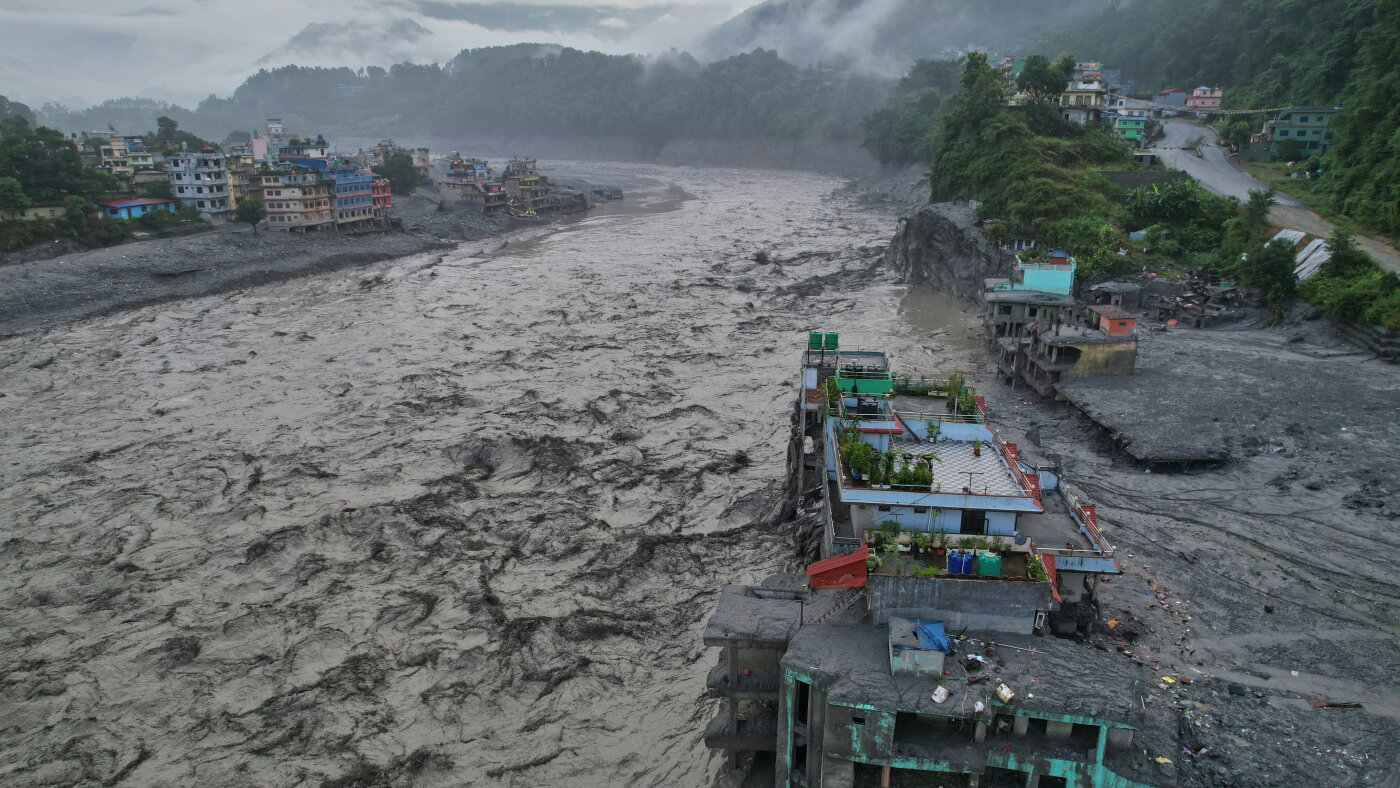
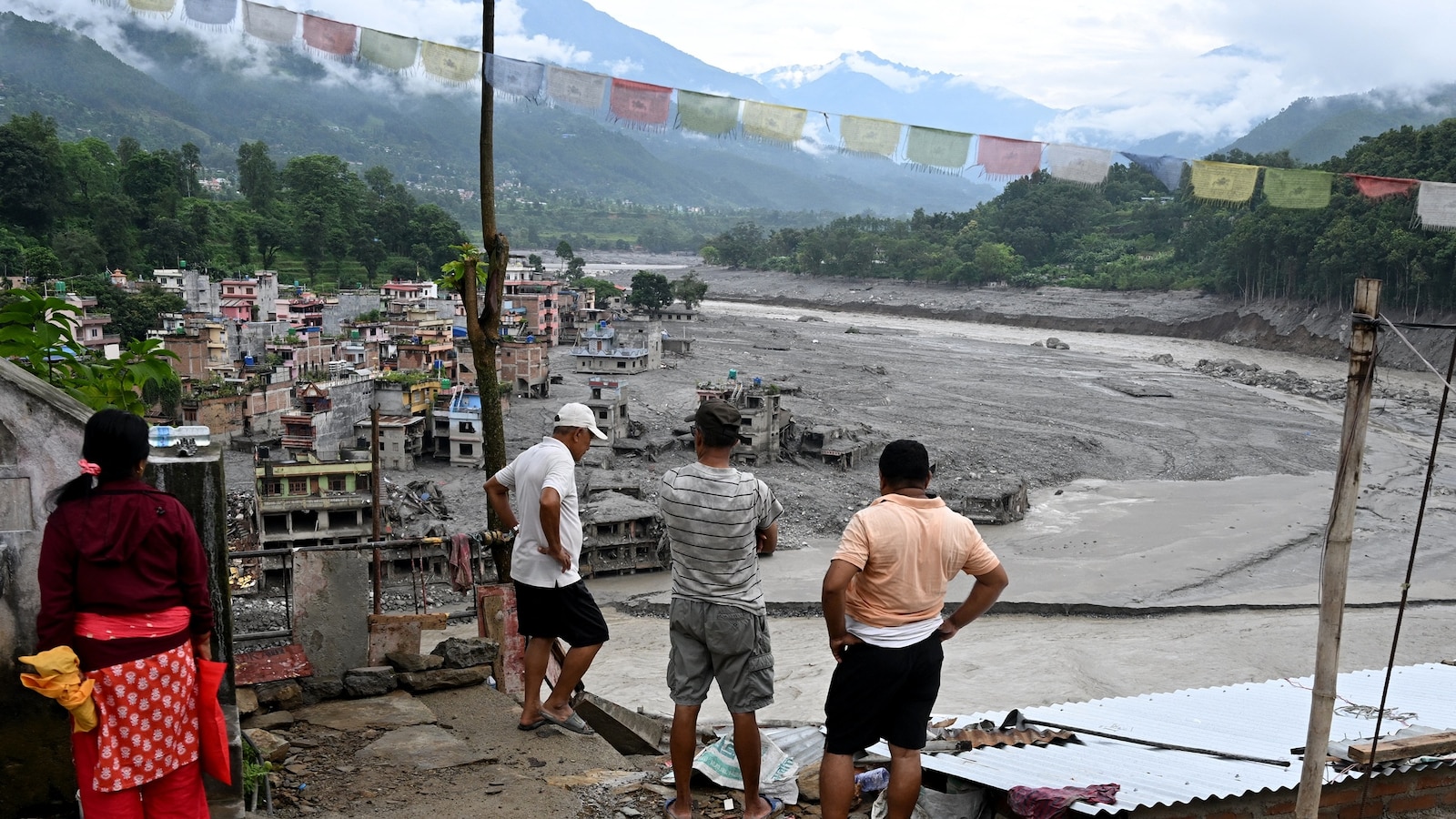
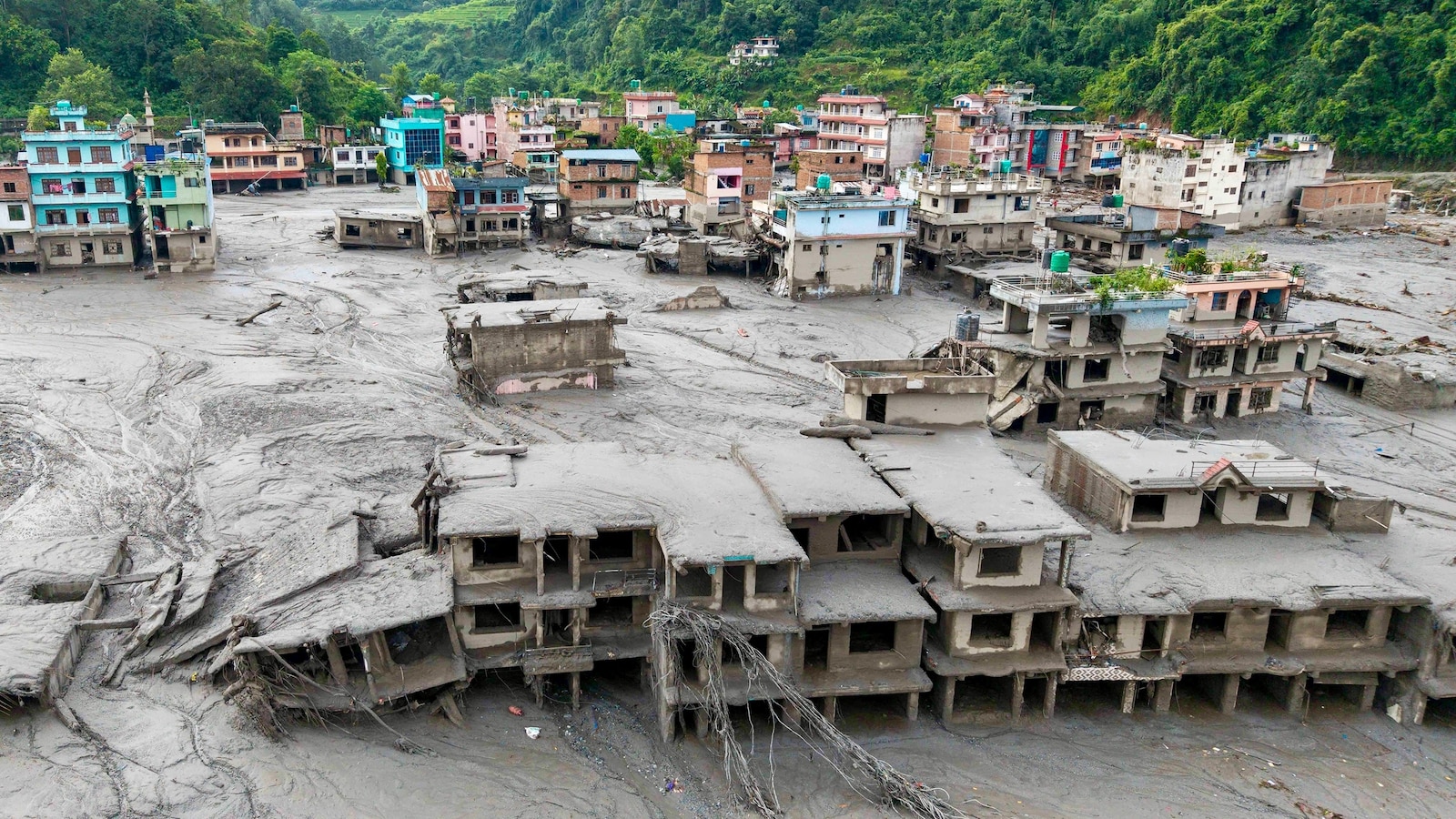
The floods and mudslides that were triggered by last week's ice-and-rock avalanche have buried several Himalayan villages in the border region of Nepal and Tibet.
asserted
that → trigger → Nepal
In a statement on Monday morning local time, Nepal's disaster management department said 903 people have died and 4,247 are currently considered missing, a sharp rise on the previous figures.
asserted
4,247 → say → figures
At least 85 of those missing are Americans, the State Department said on Sunday.
asserted
Department → miss → Sunday
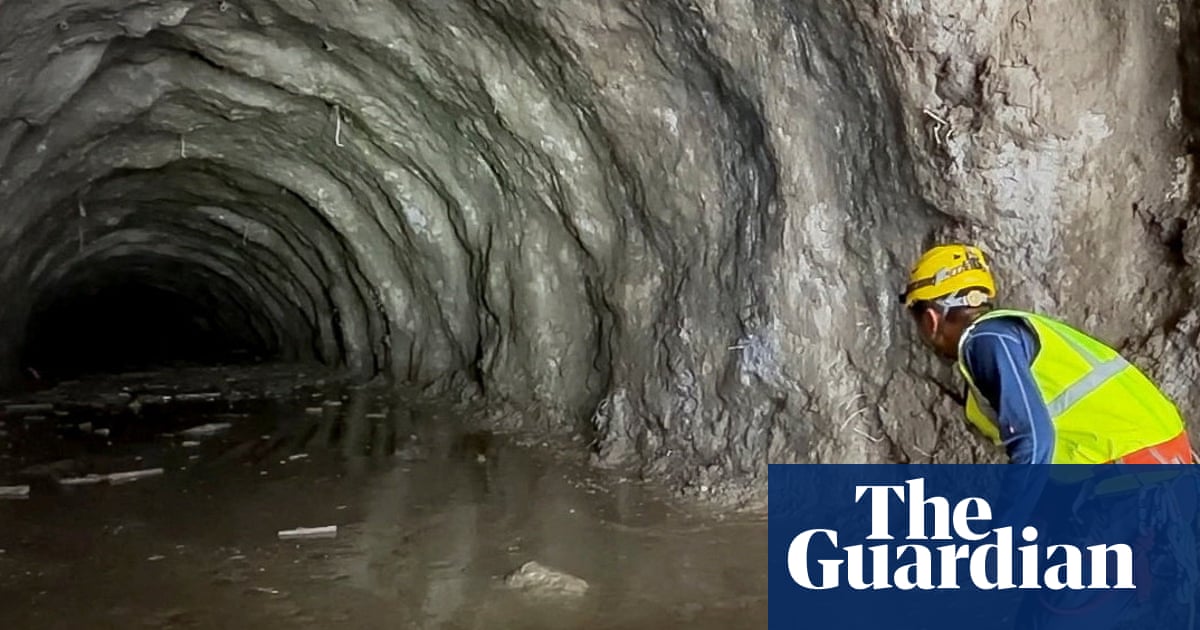
The debris created by the various landslides have also blocked nine hydropower tunnels in Nepal's Rasuwa and Nuwakot districts, trapping 933 workers from Nepal, South Korea and China.
asserted
debris → create → Nepal
Videos shared by the Nepali army show rescue personnel using drills and excavator machines to try and rescue those who were trapped.
asserted
who → share → those
Bhim Gautam, chief executive officer of the Independent Power Producers Association of Nepal, told NPR that Nepal does not have "enough technology, equipment and expertise" to mount successful rescue operations at hydropower projects.
asserted
Nepal → tell → projects
"Our expertise is only in dealing with small flooding.
asserted
expertise → deal → flooding
We have never faced a situation like this before," said Gautam.
asserted
Gautam → face → this
Last week's floods, he said, not only blocked the entrances of the tunnels, but also made them difficult to locate.
asserted
them → say → tunnels
"In some cases, the rescue workers spent three days only in finding these tunnels."
asserted
workers → spend → tunnels
He said his industry's leaders had to "pressure the government" to allow rescue workers from other countries.
asserted
leaders → say → countries
"Late last week, the government approved rescue teams from China, India and Australia to come," Gautam said.
asserted
Gautam → approve → China
Nepal's finance minister Swarnim Wagle had last week rejected reports in local and international media that asserted the country had rejected help from foreign countries, insisting that assistance had been accepted only "according to the needs on the ground."
In a statement posted to Facebook Sunday, prime minister Balen Shah said the Nepali army and police, along with experts from India, China and South Korea, were now carrying out rescue operations at various hydropower tunnels.
uncertain
army → reject → tunnels
The Nepali government has been contacted for comment.
asserted
government → contact → comment
Meanwhile in China on Monday, the country's foreign ministry denied reports that officials in Beijing had ignored early warning signs of the disaster or downplayed the details of casualties.
asserted
officials → deny → casualties
It insisted that the country's release of information about the floods and mudslide near its border with Nepal had been transparent and timely.
asserted
release → insist → Nepal
China's last update to casualty figures came on Saturday when state news agency Xinhua reported there were 16 people confirmed dead and 546 missing.
asserted
Xinhua → come → Saturday
Those numbers have not been updated in more than 48 hours.
asserted
numbers → update → hours
 The Aporia