The Aporia

Isgur, S., & French, D. (2026, September 3). SCOTUS Majority Rules White House Ballroom Is A Go. The Dispatch. https://thedispatch.com/podcast/advisoryopinions/scotus-majority-rules-white-house-ballroom-is-a-go/
Isgur, Sarah, and David French. “SCOTUS Majority Rules White House Ballroom Is A Go.” The Dispatch, 3 Sept. 2026, https://thedispatch.com/podcast/advisoryopinions/scotus-majority-rules-white-house-ballroom-is-a-go/.
Isgur, Sarah, and David French. “SCOTUS Majority Rules White House Ballroom Is A Go.” The Dispatch, September 3, 2026. https://thedispatch.com/podcast/advisoryopinions/scotus-majority-rules-white-house-ballroom-is-a-go/.
Dated when The Aporia collected the article, usually within hours of publication. Check the original for its exact date and byline.
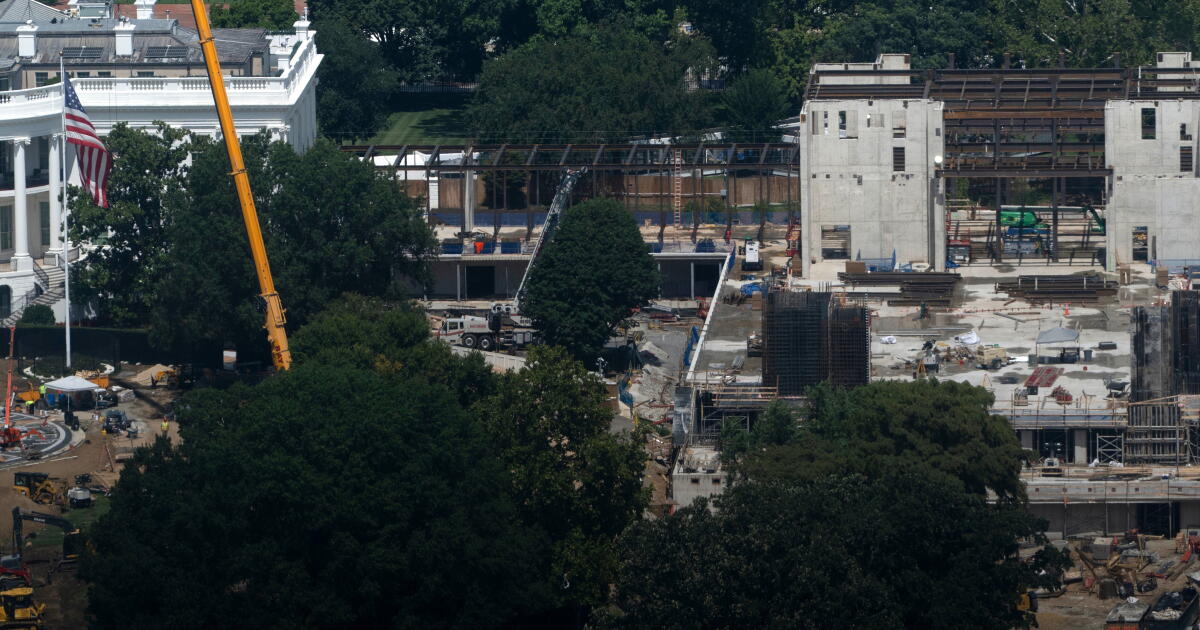
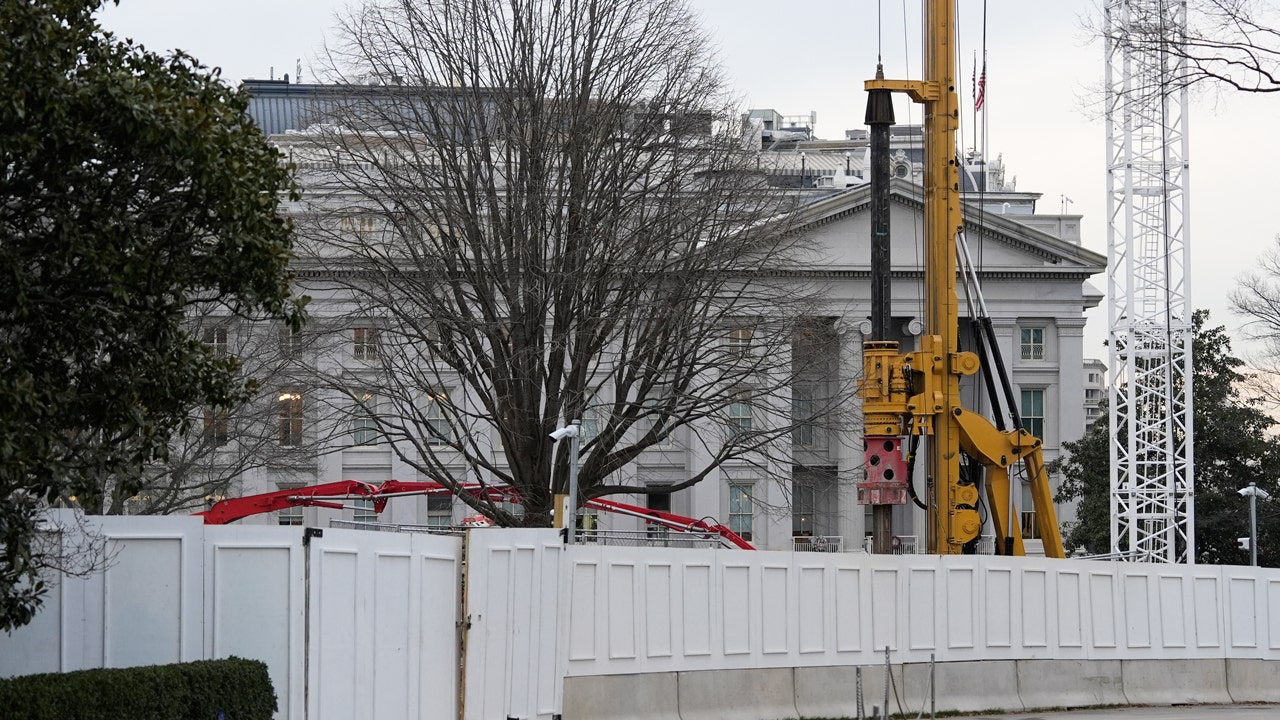
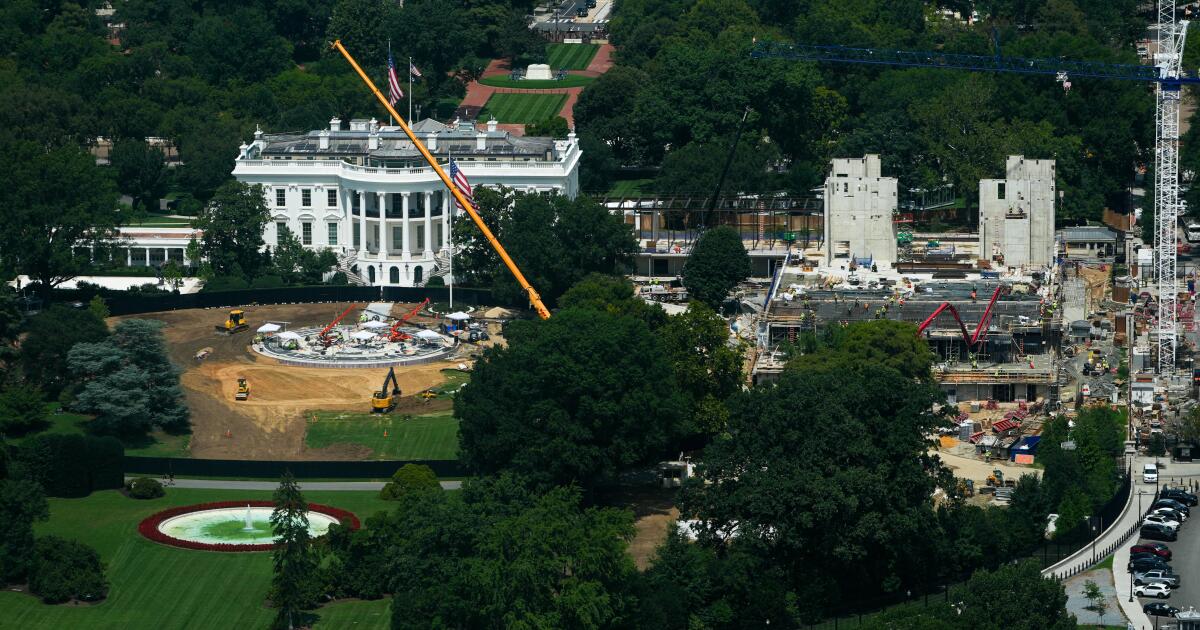
President Trump's White House ballroom construction project has been allowed to continue despite concerns about its legality. A 5-4 Supreme Court decision cleared the way for the project, which is estimated to cost over $900 million and will be privately funded. Chief Justice John Roberts, in dissent, stated that the project is "likely unlawful" and should not be allowed to continue.
The White House ballroom is just one of several construction projects in Washington D.C. where Trump is hoping to leave his mark on the nation's capital. The projects include renovating golf courses, constructing a new military installation, and renaming landmarks after himself.
Trump has admitted that he is slapping his name on these projects because he knows nobody else will do it once he's gone. "That's true," Trump said, "Nobody will do it once I'm gone. When I leave here, nobody will." The president's comments follow an unprecedented blitz across Washington D.C. to put his name or leave a Trump-like imprint on buildings and landmarks.
The decision by the Supreme Court has sparked concerns about the unitary executive theory, which allows the president to take action without congressional approval. This has been criticized as an abuse of power, and some have raised questions about the independence of federal judges.