Photo via Washington Examiner

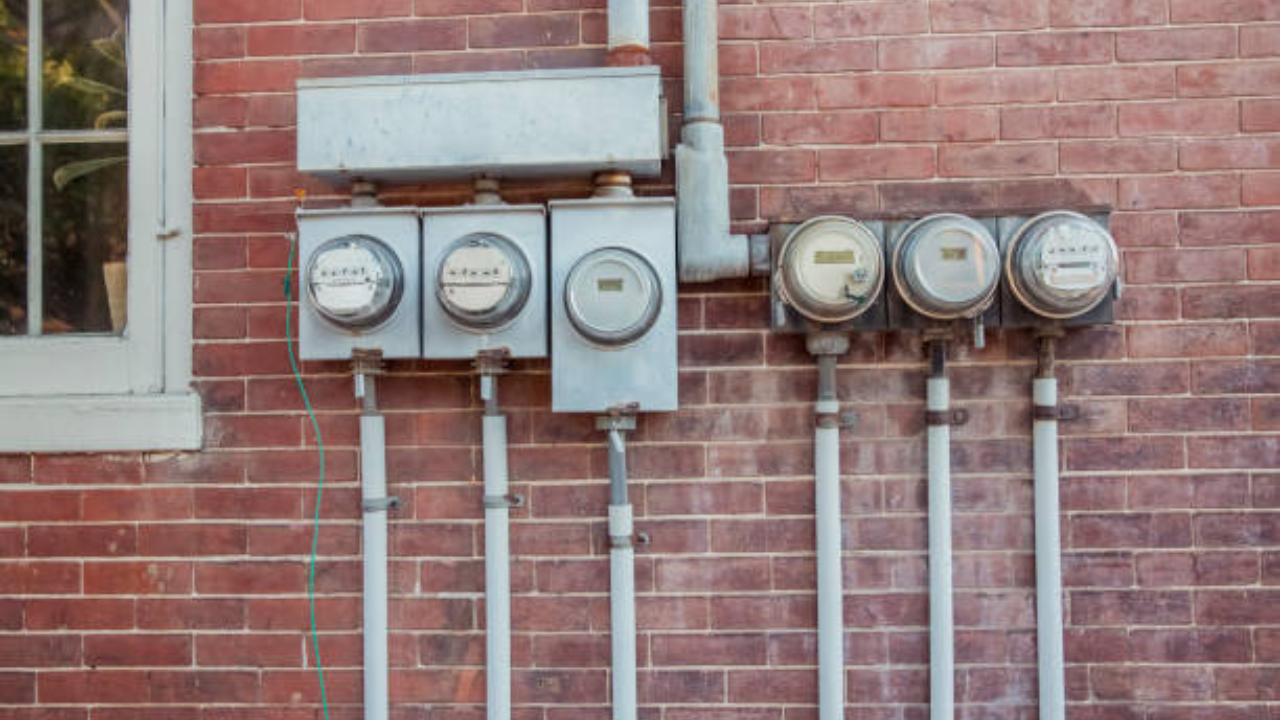
Newsom’s pathetic energy rebate

Read the original at Washington Examiner ↗
Cite

Examiner, W. (2026, September 25). Newsom’s pathetic energy rebate. Washington Examiner. https://www.washingtonexaminer.com/opinion/editorials/4740972/gavin-newsom-pathetic-energy-rebate-california/

Dated when The Aporia collected the article, usually within hours of publication. Check the original for its exact date and byline.

Washington Examiner · collected 2026-09-25 · by Washington Examiner

Quick Summary

Gov. Gavin Newsom announced a $75 one-time rebate for Californians’ electricity bills but did not mention that the state’s taxes and regulations contribute to households paying $223 more annually than the national average for electricity. The credit stems from California’s cap-and-invest program, which funds high-speed rail projects among other initiatives. Critics argue this scheme makes residents feel they are receiving benefits while actually being taxed heavily; Californians spend an average of $160.86 per month on electricity compared to the national average of $142.26, and have the highest gasoline prices in the continental U.S., adding another $600 annually to household expenses.
Written by AI on 2026-09-25, from this article's own text only (the story summary below draws on all the coverage).
See how they differ ↓

AI analysis

Story summary

In 2025, California households received a significant relief from soaring utility bills through automatic discounts on their statements during August and September. The relief is part of Governor Gavin Newsom's California Climate Credits initiative, which covers eligible residential customers of PG&E, Southern California Edison, and San Diego Gas & Electric, saving subscribers an estimated $886 million collectively. This program is funded by the Cap-and-Invest Program managed by the California Air Resources Board, requiring companies emitting large amounts of pollution to purchase allowances for their emissions. Some proceeds from these penalties are then returned to taxpayers in the form of utility bill credits. Notably, the average price for electricity in California was 27.63 cents per kilowatt-hour (kWh), a 103% increase over the national average of 13.63 cents per kWh. Despite this relief, critics argue that California families still pay more for energy compared to other states, with the average household spending $160.86 monthly on electricity versus the national average of $142.26.

Written for “California Utility Bill Relief” on 2026-11-18, grounded in this article and the 2 other(s) covering the same event.

How they differ

3 outlets covered “California Utility Bill Relief”.

What each outlet says

One AI summary per outlet of its latest article on this story, written from that article alone and checked against it. Open the article for the outlet's own words.

Washington ExaminerThis outlet25 Sep

Gov. Gavin Newsom announced a $75 one-time rebate for Californians’ electricity bills but did not mention that the state’s taxes and regulations contribute to households paying $223 more annually than the national average for electricity. The credit stems from California’s cap-and-invest program, which funds high-speed rail projects among other initiatives. Critics argue this scheme makes residents feel they are…

Newsom’s pathetic energy rebate (this article)
New York Post22 Sep

California households are set to receive automatic $75 discounts on their utility bills for August and September, covering customers of PG&E, Southern California Edison, and San Diego Gas & Electric. This relief is part of Sacramento’s Cap-and-Invest Program managed by the California Air Resources Board, which will distribute an estimated $886 million back to taxpayers to ease the burden of high utility costs during…

California households to get utility bill relief amid soaring costs — here’s how it works →
Times of India24 Sep

California households received unexpected electricity bill credits averaging about $75 per household in August and September, totaling $886 million across major utilities Pacific Gas and Electric, Southern California Edison, and San Diego Gas & Electric. Funded by California’s Cap-and-Invest program, these automatic credits are part of Governor Gavin Newsom's relief efforts to help during peak summer usage months…

California households get summer electricity credits as state returns $886 million →

Where they agree and split

The full story: what happened, how it changed, and all 3 articles →

Compared with similar articles

This article reads leans strongly right and hedges 0% of its claims. Each row says how that neighbour differs.
Times of India
Hedges 1 of 25 claims Outlet record 59/100
New York Post
Leans left further left than this Hedges 1 of 8 claims Outlet record 66/100
Evening Standard
Hedges 0 of 18 claims Outlet record 64/100
“The articles discuss different energy policies in California and the UK.”

Story

California Utility Bill Relief
Economy/Business · 3 article(s) covering the same event. Compare every outlet's account →
How this article was measured signals, leaning charts, publisher record, byline, topics and claims

Signals How these are calculated →

Claims extracted
28
sentences that state something as happening or true
Uncertain
0%
0 of 28 hedged ("reportedly", "may", "according to")
Leaning
Leans strongly right
of the writing, not the subject · beta estimate
Publisher signals
67/100
Washington Examiner's corrections and hedging, across everything collected from it. Not a measure of accuracy.
Outlets on this story
3
Economy/Business
Same framing elsewhere
1
articles that frame the event the way this one does
Analyzed 2026-09-25 · how these are computed

How this is being covered How these are calculated →

Article leaning vs. publisher reliability
Source leaning vs. consistency

Publisher

Washington Examiner · 5103 article(s) · 11 correction(s) detected
Running correction rate · 11 correction(s)

Who wrote this

Washington Examiner
48 article(s) here · 1 carrying a prediction
Late last Friday, the Spanberger administration announced that it would not participate in the federal scholarship tax credit program, a new tax credit created by the One Big Beautiful Bill Act.
In May, a 19-year-old D.C. resident armed with a pistol fired more than 20 rounds in the Petworth neighborhood of the nation’s capital, injuring a boy who had been playing basketball at a recreation center.
2026-11-17 · mixed framing · Democrats aren’t serious about gun crime
If more spending made healthcare more affordable, healthcare would be the most affordable service in the United States by now.
2026-11-16 · assertive framing · More spending won’t make healthcare affordable
Republicans could pass another short-term continuing resolution to keep the government open into the new year, but doing so would leave Trump in a terrible bargaining position.
2026-11-13 · assertive framing · Trump, don’t make the Democrats’ obstruction easier
Clearly it weighed heavily with Jordan’s colleagues that leadership will be a very different job come January 2027 than it is today.
2026-11-12 · assertive framing · Jim Jordan fits the fight ahead
Democrats ran on a promise to make life more affordable for voters, but one of their top priorities after the election would drive energy prices higher.
New York City’s socialist mayor, Zohran Mamdani, promised not just to freeze rents for 1 million rent-stabilized apartments in the city, but also to build another 200,000 affordable units and preserve another 200,000.
2026-11-06 · mixed framing · The bill comes due for Mamdani’s rent freeze
A Democratic blue wave was a much-predicted result, but it is also an unwelcome one that the country will probably pay dearly.
Let us hope that by this time tomorrow, all the big midterm congressional races will be decided and we know which party will control the House and Senate starting next January.
2026-11-03 · assertive framing · There is nothing normal about Election Week
After Tuesday’s elections, they could wield even more.
2026-11-01 · assertive framing · Government unions set to grab more power in blue states
Also by Washington Examiner
Democrats aren’t serious about gun crime
2026-11-17 · Washington Examiner
More spending won’t make healthcare affordable
2026-11-16 · Washington Examiner
Nvidia spy scandal underlines China threat
2026-11-15 · Washington Examiner
Nothing else under this byline is closely related to this article, so these are simply their most recent.
All 48 articles by Washington Examiner →

Topics

American California Californians Democrats United States

Subjects

California GPE · 18× Californians NORP · 3× American NORP · 2× Democrats NORP · 1× Energy Commission ORG · 1× Gavin Newsom PERSON · 1× Long Beach GPE · 1× Los Angeles GPE · 1× U.S. GPE · 1× United States GPE · 1×

Narrative

Compared with national averages, California families pay more to keep the lights on, businesses pass higher energy costs along to customers across the country, and the state depends on foreign nations for its energy supplies.
framing: assertive · carried by 1 article(s) · first seen 2026-09-25
A manufacturer using 1 million kilowatt-hours a year would pay roughly $116,000 more for electricity at California’s average industrial price.
2026-09-25 · Washington Examiner
Newsom’s pathetic energy rebate · assertive framing

Claims (28 extracted, 0 hedged)

Gov. Gavin Newsom (D-CA) celebrated a one-time $75 credit on Californians’ electricity bills this week. asserted
Newsom → celebrate → bills
He did not, however, note that the average California household pays $223 more for electricity each year than the average American household because of burdensome taxes and regulations he supports. asserted
he → note → taxes
The credit comes from California’s cap-and-invest program, which requires businesses to pay for their greenhouse gas emissions. asserted
which → come → emissions
Democrats waste most of this revenue on boondoggles such as the state’s high-speed rail project, but a fraction of the money is returned to residential customers through credits on their utility bills. asserted
fraction → waste → bills
It’s a way of making voters think they’re getting something from the government when, in truth, they are being bilked. asserted
they → ’ → truth
The credits are drowned out by the highest energy prices in the continental United States. asserted
credits → drown → States
The average California household spends $160.86 a month on electricity, compared with the national average of $142.26. asserted
household → spend → 142.26
California also has the highest gasoline prices in the continental U.S., adding another $600 to household expenses above the national average. asserted
California → have → average
Both the electricity and gas spending figures account for the fact that Californians, on average, consume less electricity and gas than the average American household. asserted
Californians → account → household
No wonder so many families leave California. asserted
families → leave → California
The problem for the rest of the nation is that California’s high energy costs don’t stay in California. asserted
costs → stay → California
Commercial businesses in California pay 27 cents per kilowatt-hour, almost double the national average of 14 cents. asserted
businesses → pay → cents
Industrial users pay 21 cents per kilowatt-hour, more than double the national average of 9 cents. asserted
users → pay → cents
Those costs follow the goods that California businesses sell and ship. asserted
businesses → follow → that
A manufacturer using 1 million kilowatt-hours a year would pay roughly $116,000 more for electricity at California’s average industrial price. asserted
manufacturer → use → price
Warehouses, refrigerated storage facilities, and distributors face higher costs, too, while California’s expensive gasoline and diesel add to the cost of moving goods. asserted
gasoline → face → goods
Because the ports of Los Angeles and Long Beach handle nearly a third of the nation’s containerized international seaborne trade, higher costs at that gateway reach store shelves across the country. asserted
costs → handle → country
The policies driving up energy costs in California are no secret. asserted
policies → drive → California
In addition to the carbon tax scheme, the state’s renewable electricity mandates, rooftop solar compensation rules, and energy efficiency programs all drive prices higher. asserted
mandates → drive → prices
California’s Energy Commission estimates that cap-and-invest adds 23 cents to a gallon of gasoline, and the separate Low Carbon Fuel Standard adds 18 cents. asserted
Standard → estimate → cents
California’s special cleaner-burning gasoline blend raises prices further. asserted
blend → burn → prices
It also limits the number of suppliers able to replace fuel quickly when a California refinery shuts down. asserted
refinery → limit → fuel
Meanwhile, environmental review and permitting processes impede oil drilling in a state with plenty of oil underground. asserted
processes → impede → oil
Refiners face extensive emissions, reporting, and maintenance rules as the state moves away from petroleum. asserted
state → face → petroleum
So while the rest of the nation is energy self-sufficient, California imports 61% of its oil from foreign countries. asserted
California → import → countries
Newsom’s $75 credit is hardly a reprieve from the costs his government inflicts on Californians and the rest of us every day. asserted
government → inflict → us
Compared with national averages, California families pay more to keep the lights on, businesses pass higher energy costs along to customers across the country, and the state depends on foreign nations for its energy supplies. asserted
state → compare → supplies
The last thing America needs is a Californian in the White House implementing the state’s failed energy policies nationwide. asserted
America → need → policies

Give feedback · no sign-in needed

No sign-in needed for now. Your note is sent without a name, so it cannot be answered.

History Support