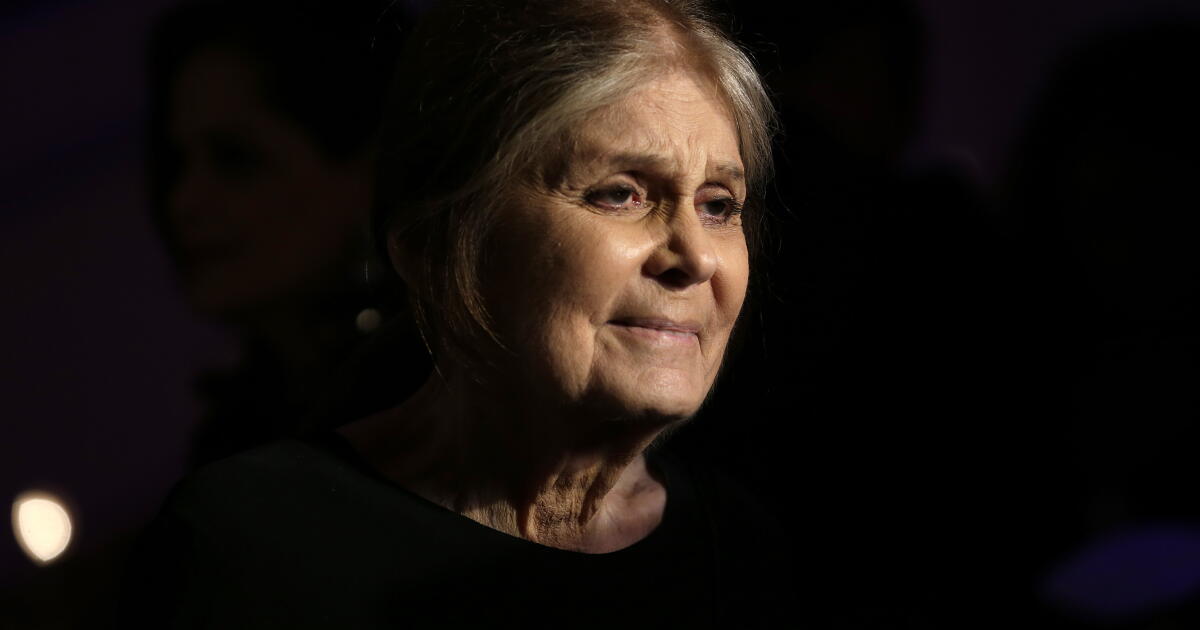
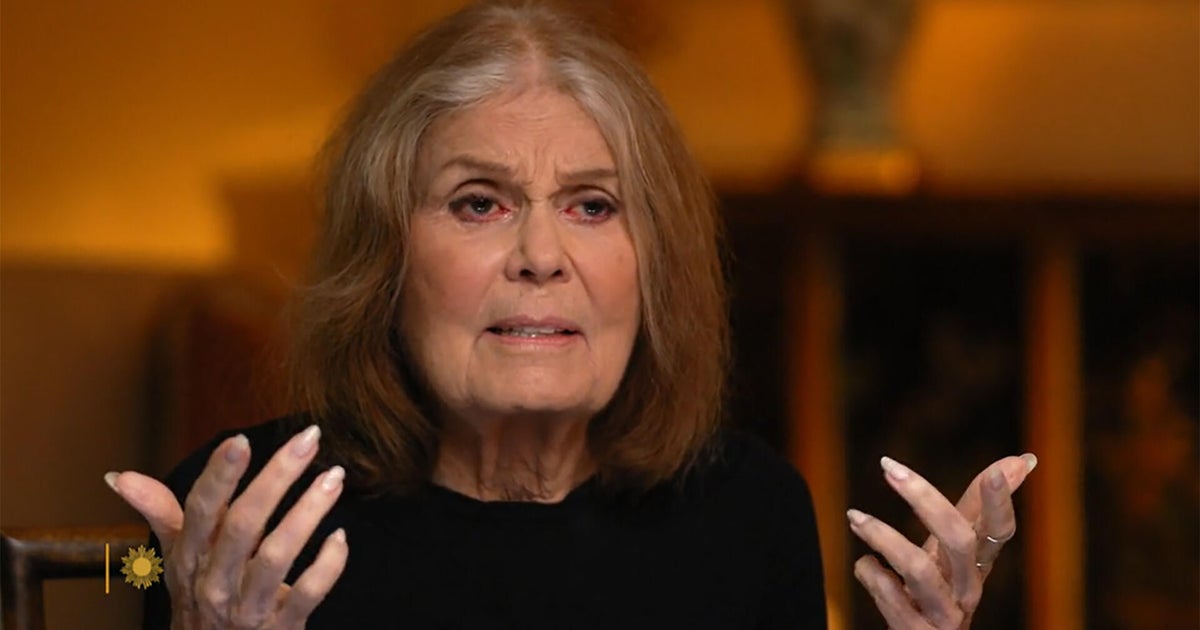
Gloria Steinem, charismatic feminist and co-founder of Ms. Magazine, dies at 92
-
asserted
Steinem → die → 92
Eating breakfast in a South Dakota coffee shop, Gloria Steinem was all too aware of the couple eyeballing her from the next booth.
asserted
Steinem → eat → booth
He was sporting chains.
asserted
He → sport → chains
She wore leather pants and what Steinem later recalled as “an improbable hairdo.”
asserted
Steinem → wear → hairdo
The place was packed with tough-looking, mostly male bikers pumped about a huge rally they were attending.
asserted
they → pack → rally
Steinem, returning from a Sioux powwow honoring ancient tribal women, knew she wasn’t in her element.
asserted
she → return → element
Finally, the leather-clad woman came over and spoke up.
asserted
woman → clothe → ?
“I just want to tell you how much Ms. magazine has meant to me over the years — and my husband too,” she told an astonished Steinem.
asserted
she → want → Steinem
There was a time, the woman said, when rolling down the road meant perching on her husband’s back seat.
asserted
rolling → be → seat
But now she had her own sweet ride: “I even put ‘Ms.’ on my license plate, and you should see my grandkids’ faces when Grandma rides up on her purple Harley!”
asserted
Grandma → have → Harley
The image of that breezy, boisterous grandma stayed with Steinem for years.
asserted
image → stay → years
“I’ve come to believe that inside, each of us has a purple motorcycle,” she wrote in her 2015 memoir.
asserted
she → come → memoir
“We have only to discover it — and ride.”
asserted
We → have → it
Steinem, the co-founder of Ms. sagazine and for six decades a charismatic leader who urged women to pursue self-affirmation, political power and equality both in the workplace and at home, died Wednesday at her home in New York City, according to her foundation’s social media pages.
uncertain
who → urge → pages
“Gloria lived true to her independent spirit, always with curiosity and a great sense of humor,” the posts said.
asserted
posts → live → humor
An activist, journalist and relentless traveler who said she went for 20 years without spending more than eight consecutive days in her storied Manhattan apartment, Steinem was a glamorous and polarizing icon who used her fabled beauty, wit and charisma to inaugurate a new politics for women.
asserted
who → say → women
“It’s such a cliche, but the personal is the political, and there was no separation between those concepts for her,” said fellow writer and longtime friend Salamishah Tillet.
asserted
Tillet → ’ → her
“Gloria said feminism is something that you practice every day, something that you practice in private when no cameras are watching you, no pulpit is there for you to stand behind, no microphone is capturing the soundbite.
asserted
microphone → say → soundbite
The world’s most recognizable feminist was always herself, friends and scholars said, even as she evolved from the face of the Second Wave to an elder of a fractious and contested movement.
asserted
she → say → movement
Throughout her long public life, she regularly opened her East 73rd Street home to fundraisers and “talking circles,” book launches and baby showers, equally at ease in tête-à-têtes with public intellectuals and watching Tillet’s toddler jump on her bed.
asserted
toddler → open → bed
“My sister was like, ‘Do you know whose bed you’re on?’” Tillet recalled.
asserted
Tillet → know → bed
“And Gloria’s like, ‘It’s fine.’”
asserted
It → ’ → ?
Despite her singular fame, Steinem rarely took the stage alone, amplifying the work of contemporaries such as Dorothy Pitman Hughes, Dolores Huerta and Wilma Mankiller, as well as generations of feminists who followed.
asserted
who → take → feminists
“Gloria often said she wasn’t giving up a torch.
asserted
she → say → torch
She was using her torch to light other torches,” said Michele Goodwin, a professor of constitutional law and global health policy at Georgetown University and the executive producer of Ms. Studios.
asserted
Goodwin → use → Studios
“We bandy about the term ‘intersectional,’ but she truly understood what that was.”
asserted
that → bandy → term
It was an improbable turn for a shy girl from Ohio who styled herself after Truman Capote’s socialite sex worker Holly Golightly and rocketed to fame skewering her two-week stint serving cocktails in a cheeky, fluffy-tailed bustier as a Playboy “bunny” in Hugh Hefner’s Manhattan nightclub.
asserted
who → style → nightclub
Like the 19th century stunt girls before her, the 28-year-old reporter saw the undercover assignment as a way to break into the otherwise impregnable boys’ club of New York City media.
asserted
reporter → see → media
Although she parlayed the exposé into interviews with Capote and James Baldwin, she struggled for years to escape its shadow.
asserted
she → parlay → shadow
“The story is she’s this pretty face who is the face of the women’s movement, and she had to learn how to reckon with that,” said Mariana Brandman, a public historian and curator at Smith College who stewards Steinem’s vast archive.
asserted
who → ’ → archive
It was an assignment for New York magazine — the chatty publication she’d helped found in 1968 — that became a turning point in Steinem’s professional and political life.
asserted
that → help → life
She’d gone to cover an abortion speak-out in the Village, where women shared stories of the illegal procedures they’d endured in secret, and ultimately disclosed her own.
asserted
they → go → own
“Suddenly I was no longer learning intellectually what was wrong.
asserted
what → learn → ?
I knew,” Steinem recalled in 1983.
asserted
Steinem → know → 1983
“I had had an abortion when I was newly out of college, and I told no one.
asserted
I → have → one
If one in three or four adult women shares this experience, why should we be made to feel criminal and alone?”
asserted
we → share → experience
Three year’s later, in 1972, her brand-new Ms. magazine featured some of the most famous women in America proclaiming that they, too, had had abortions — and imploring the government to change the law.
asserted
they → feature → law
“They also [published] stories about women who had died because of botched back-alley abortions,” Goodwin said.
asserted
Goodwin → publish → abortions
“With Ms. carrying those stories and images, there was a tremendous social narrative that moved the Supreme Court.”
asserted
that → carry → Court
Nearly 60 years after she ended her pregnancy, Steinem dedicated her memoir to the British physician who arranged her abortion after she agreed to two conditions.
asserted
she → end → conditions
…and 45 more, not listed.
 The Aporia