Gloria Steinem, trailblazing journalist and activist, dies at 92
asserted
Steinem → die → 92
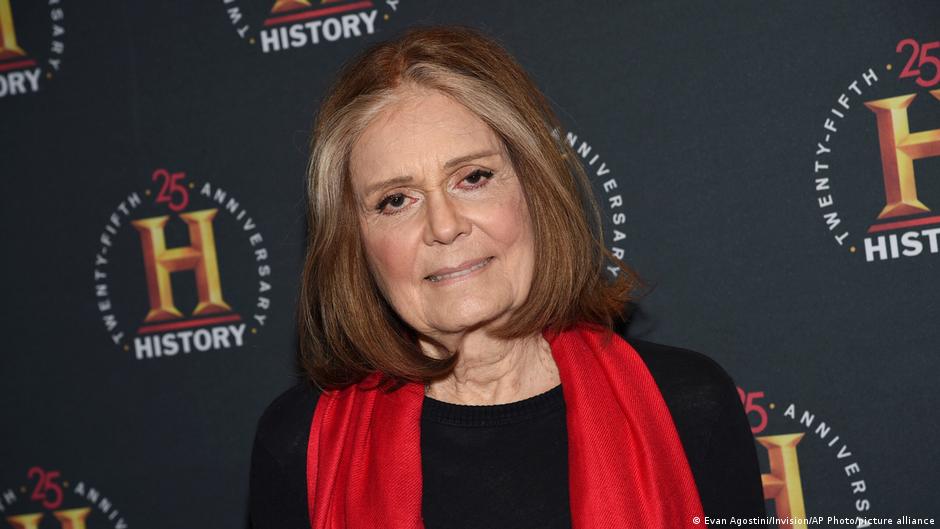
Gloria Steinem, a trailblazing journalist and activist who devoted her life to fighting for women's rights, died on Wednesday.
asserted
who → devote → Wednesday
Her passing was announced in a statement posted on her Instagram.
asserted
passing → announce → Instagram
It did not give a cause of death.
asserted
It → give → death
"Gloria Steinem passed away peacefully at her home in New York City, surrounded by some of the many who loved her," the post read.
asserted
post → pass → her
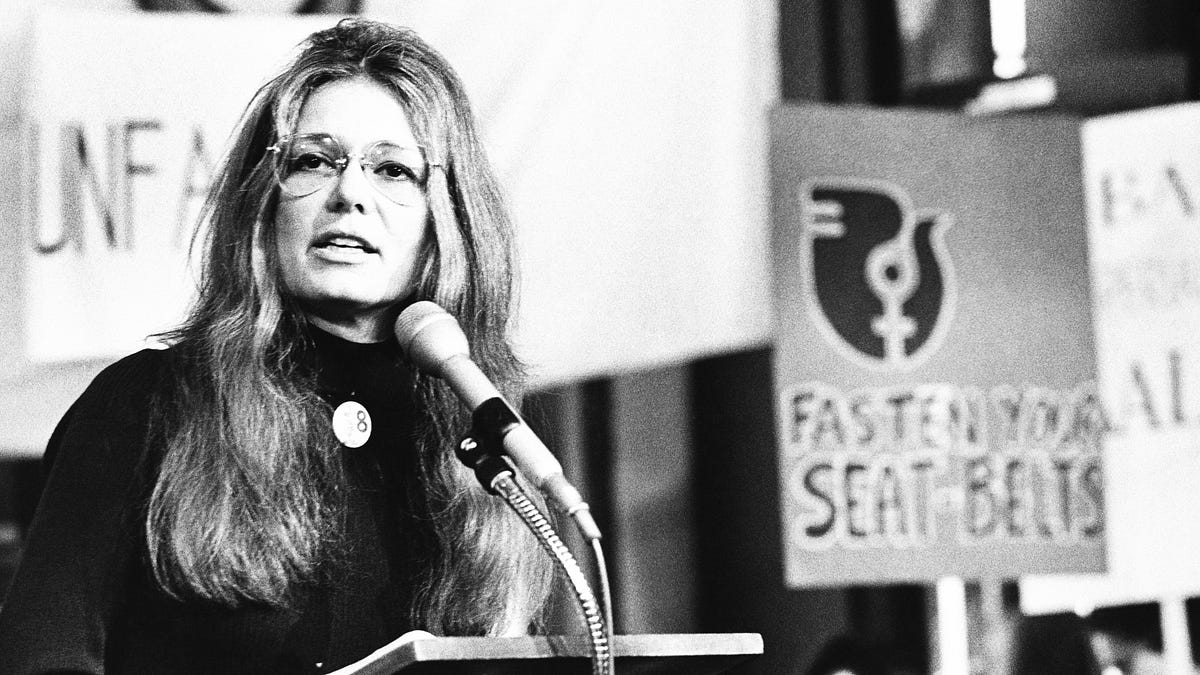
Starting in the 1960s, at a time when women were largely limited to domestic roles, Steinem challenged gender stereotypes and championed feminist ideals like equality, sisterhood and reproductive freedom.
asserted
Steinem → start → equality
In doing so, she inspired generations of women to do the same.
asserted
she → do → same
"Because of her work, across America and around the world, more women are afforded the respect and opportunities that they deserve," then-President Barack Obama said when he awarded Steinem the Presidential Medal of Freedom for her commitment to activism in 2013.
asserted
he → afford → 2013
"She also changed how women thought about themselves."
asserted
women → change → themselves
Steinem was born in Toledo, Ohio, in 1934.
asserted
Steinem → bear → 1934
She graduated from Smith College in 1956 with a bachelor's degree in government studies.
asserted
She → graduate → studies
After Steinem finished school, she spent two years in India on a fellowship, where she traveled with people organizing against caste violence and wrote for Indian publications — an experience that she said shaped her activism in the U.S.
When Steinem returned home, she was briefly involved with a CIA-backed organization that sent American students to Soviet-sponsored youth festivals to promote pro-American principles.
asserted
that → finish → principles
This would become a point of contention for some feminists later in Steinem's career.
asserted
This → become → career
She defended her role, asserting that the CIA never attempted to alter the organization's policies.
asserted
CIA → defend → policies
Steinem then went on to become a freelance journalist in New York during the 1960s — when newsrooms were largely run by men and female reporters were typically restricted in the topics they were allowed to cover.
asserted
they → go → topics
"I and lots of women could not write about political subjects for the existing magazines," Steinem recalled in an interview with NPR in 2020.
uncertain
Steinem → write → 2020
"We were thought to be the experts on, you know, food, makeup, babies and celebrities.
asserted
you → think → food
Still, she did not allow those limitations to stop her from pursuing hard-hitting investigative stories.
asserted
limitations → allow → stories
And in 1963, Steinem gained national attention for going undercover at one of Hugh Hefner's nightclubs.
asserted
Steinem → gain → nightclubs
Her exposé for Show magazine, "A Bunny's Tale," revealed the sexism and low wages endured by cocktail waitresses, challenging Hefner's claim that his Playboy empire was a sexual revolution, beneficial for men and women alike.
uncertain
empire → reveal → men
Steinem went on to serve as a founding editor and writer at New York magazine and, a few years later, in 1972, launched her own publication, Ms. magazine, which was named after the honorific title given when a woman's marital status is unknown.
asserted
status → go → title
It was widely regarded as the first national magazine run by and written for women.
asserted
It → regard → women
"The women's magazines that are around, most of which all of us who work on Ms. have worked for, are really talking about women in their roles as wives and mothers," she told NPR at the time.
asserted
she → work → time
Steinem added that while those magazines served a purpose, she felt they missed the full picture of women's lives.
asserted
they → add → lives
"I think that all of us, when we read those magazines, get a sense of dishonesty," she said.
asserted
she → think → dishonesty
"It doesn't help you to change your life.
asserted
It → help → life
And it's not really allowing women to tell the truth about their daily experiences."
asserted
women → allow → experiences
The magazine boldly addressed topics that were considered off-limits, such as abortion, lesbianism, domestic abuse and gender roles.
asserted
that → address → abortion
Its 1977 cover story about sexual harassment forced the long-silenced issue into the national spotlight and later became the basis of the 1980 hit movie 9 to 5 starring Dolly Parton.
asserted
story → force → Parton
In 1971, months before she established Ms. magazine, Steinem helped form the National Women's Political Caucus, which focuses on recruiting, training and endorsing more women in politics
asserted
which → establish → politics
"Women have been running the political campaigns in this country for generations.
asserted
Women → run → generations
But by running means that they've been doing all the menial work, you know, addressing envelopes and driving cars and having fundraisings," Steinem told NPR in 1971.
asserted
Steinem → run → 1971
"We're not going to do that anymore.
asserted
We → go → that
Let the male candidates do their own typing."
asserted
candidates → let → typing
When the caucus began, there were 15 women elected to Congress, 363 women state legislators, and only seven women city mayors.
asserted
caucus → begin → Congress
Today, those numbers have grown to 150, 2,476 and 428, respectively.
asserted
numbers → grow → 150
Among the legislative issues that mattered most to Steinem was reproductive freedom — driven by her own experience of having had an illegal abortion at age 22.
asserted
freedom → matter → age
In her 2015 memoir My Life On The Road, she dedicated her book to the English doctor who performed the procedure.
asserted
who → dedicate → procedure
Referring to herself, Steinem wrote: "Knowing only that she had broken an engagement at home to seek an unknown fate, he said, you must promise me two things.
asserted
you → refer → things
First, you will not tell anyone my name.
asserted
you → tell → name
…and 6 more, not listed.
 The Aporia