US Defense Secretary Pete Hegseth's top military brass have privately warned him that the ongoing war in Iran is unsustainable and draining America's defense capabilities. According to a classified report, keeping troops on high alert for potential further attacks has limited their ability to train and deploy elsewhere, with only a quarter of the Navy's destroyer fleet ready to deploy due to extended deployments. The concern was formally registered as a "non-concur" by Hegseth's commanders, who are concerned that President Trump is keeping all options open, including military action against Iran. The war has already cost $37.5 billion and shows no signs of ending.
Written by the local model on 2026-08-31,
using this article's own text rather than the other coverage of the
same event (that is the story summary below).
Story summary
Here are the articles grouped by topic:
Iran War
- Article 5: Trump announces "crushing economic operation" on Iran with talks in limbo
- Summary: President Trump announced a "crushing economic operation" on Iran, which analysts say could reflect Tehran's belief it holds leverage to advance its demands and break the stalemate.
- Article 6: Trump contradicts Vance, says nukes, not oil prices, No. 1 priority in Iran
- Summary: President Trump contradicted Vice President JD Vance on Twitter, saying that preventing Iran from getting a nuclear weapon is the top priority, not keeping oil and gas prices down.
Trade Tariffs
- Article 7: U.S. businessowners don't want to leave their Canadian suppliers, but 50% tariffs might leave them no choice
- Summary: US business owners are worried that 50% tariffs on Canadian goods could force them to break ties with long-standing Canadian suppliers.
- Article 8: 'Owners are afraid': New tariffs could cut sales in half for some Canadian businesses
- Summary: Canadian businesses are bracing themselves for the potential impact of new US trade tariffs, which could lead to a significant drop in sales.
Other
- Article 1: Trump announces "crushing economic operation" on Iran with talks in limbo (same as Article 5)
- Article 3: Trump contradicts Vance, says nukes, not oil prices, No. 1 priority in Iran (same as Article 6)
Note that some of the article summaries are quite similar, and it may be worth combining or rephrasing them to reduce duplication.
Written for “US-Iran Trade Dispute Escalation” on 2026-08-31,
grounded in this article and the 192 other(s) covering the same event.
Why this leaning score
The article's own words the score was based on. Each is quoted
verbatim and was checked against the article text before being
stored, so you can find it in the original.
-
His war in Iran is unsustainable and is draining America’s ability to defend itself from threats elsewhere—and at home.
left frames the war as unsustainable
-
President Trump wants to keep all his options open, including the ability to attack Iran again—extending a large deployment of troops kept at the ready and limiting the ability to train and run missions elsewhere.
left criticizes President Trump's approach as limiting military flexibility
-
Consequently, U.S. Central Command, the headquarters responsible for prosecuting the Iran war, has kept a force of more than 50,000 troops on alert for months in case the president orders additional attacks.
left frames the military's actions as being driven by President Trump's desire for options
Leaning score -0.65 for article 3216 (high confidence, 3 verified quotes) · logged 2026-08-31
Defense Secretary Pete Hegseth’s top military brass has now privately warned him directly: His war in Iran is unsustainable and is draining America’s ability to defend itself from threats elsewhere—and at home.
asserted
war → warn → home
On Sunday morning, the Washington Post published a scoop describing a classified assessment by the heads of the Army, Navy, and Air Force, as well as top commanders from across three continents, contained in a twice-monthly report called the Secretary of Defense Orders Book.
asserted
Post → publish → Defense
The pain point, according to the reporting, is that President Trump wants to keep all his options open, including the ability to attack Iran again—extending a large deployment of troops kept at the ready and limiting the ability to train and run missions elsewhere.
uncertain
Trump → accord → missions
That prompted the concern, formally known as a “non-concur,” from Hegseth’s commanders, according to the Post:
uncertain
That → prompt → Post
As President Donald Trump has pressured Tehran to reopen the Strait of Hormuz and accept several U.S. provisions for ending the stalemated conflict, he has been adamant that all options remain available to him — including further military action.
asserted
options → pressure → action
Consequently, U.S. Central Command, the headquarters responsible for prosecuting the Iran war, has kept a force of more than 50,000 troops on alert for months in case the president orders additional attacks.
asserted
president → prosecute → attacks
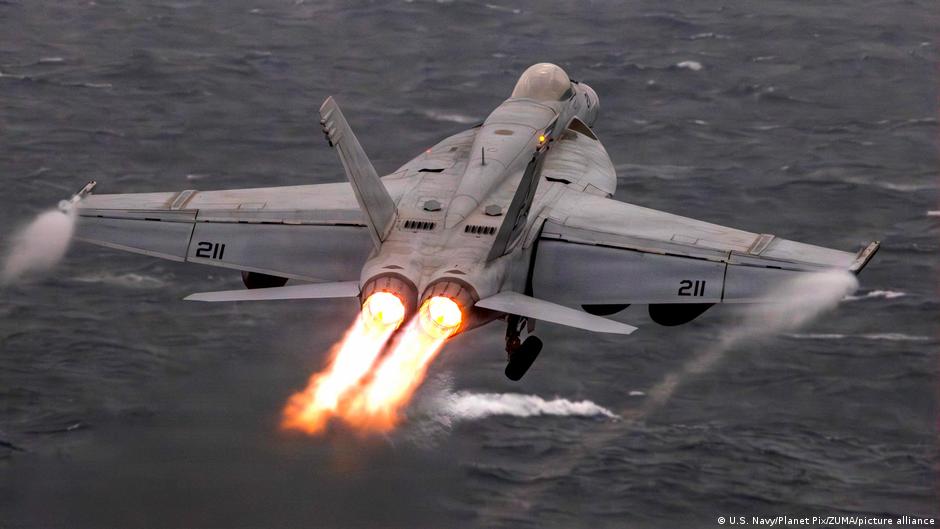
It was the chief of naval operations who provided the bleakest assessment, as deployments of personnel and vessels have been extended for months—warning that just a quarter of the Navy’s destroyer fleet is ready to deploy, representing a big decline from prewar levels, according to the Post.
uncertain
quarter → provide → Post
The Pentagon told the Post it does not discuss these sorts of private assessments.
asserted
it → tell → assessments
On Day 10 of the Iran conflict, Trump declared the war “very complete, pretty much.”
asserted
war → declare → conflict
It’s now many months later, with no deal, no end date, and a $37.5 billion price tag, according to Hegseth’s July testimony to Congress.
uncertain
It → ’ → Congress
Last week we documented the ongoing whiplash in our video below—from demands for unconditional surrender, to negotiations, to this week’s “Operation Economic Outcast,” a sanctions campaign that amounts to a tacit admission that six months of bombing didn’t get the job done.
asserted
job → document → bombing