Death toll rises to 273, with more than 1,300 missing in Nepal, Tibet after catastrophic floods
25 Canadians among the missing, according to Nepal Tourism Board
Rescue teams searched on Thursday for hundreds of missing people along the Nepal-China border after a catastrophic and deadly torrent of floods and mud swept through several communities a day earlier following a glacier collapse.
uncertain
torrent → rise → collapse
The disaster left 273 people dead and more than 1,300 missing, including foreigners and pilgrims, and displaced hundreds of people across the Himalayan region.
Among the missing foreigners are 25 Canadians, according to the Nepal Tourism Board.
uncertain
Canadians → leave → Board
Bharat Raj Paudyal, Nepal's ambassador to Canada, told CBC News on Wednesday that while he cannot confirm the circumstances around the Canadians, the affected area is both popular with hikers and also a route often used by those on pilgrimage.
asserted
area → tell → pilgrimage
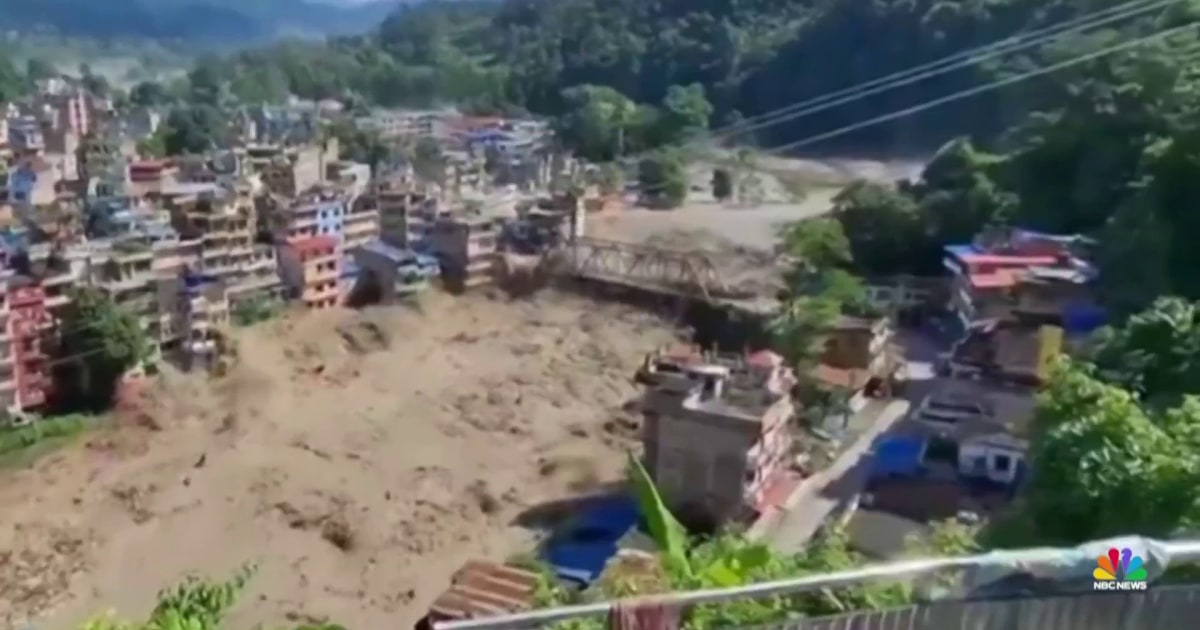
Videos of the tragedy showed the flood swallowing people as they tried to escape, and destroying buildings and bridges.
asserted
they → show → buildings
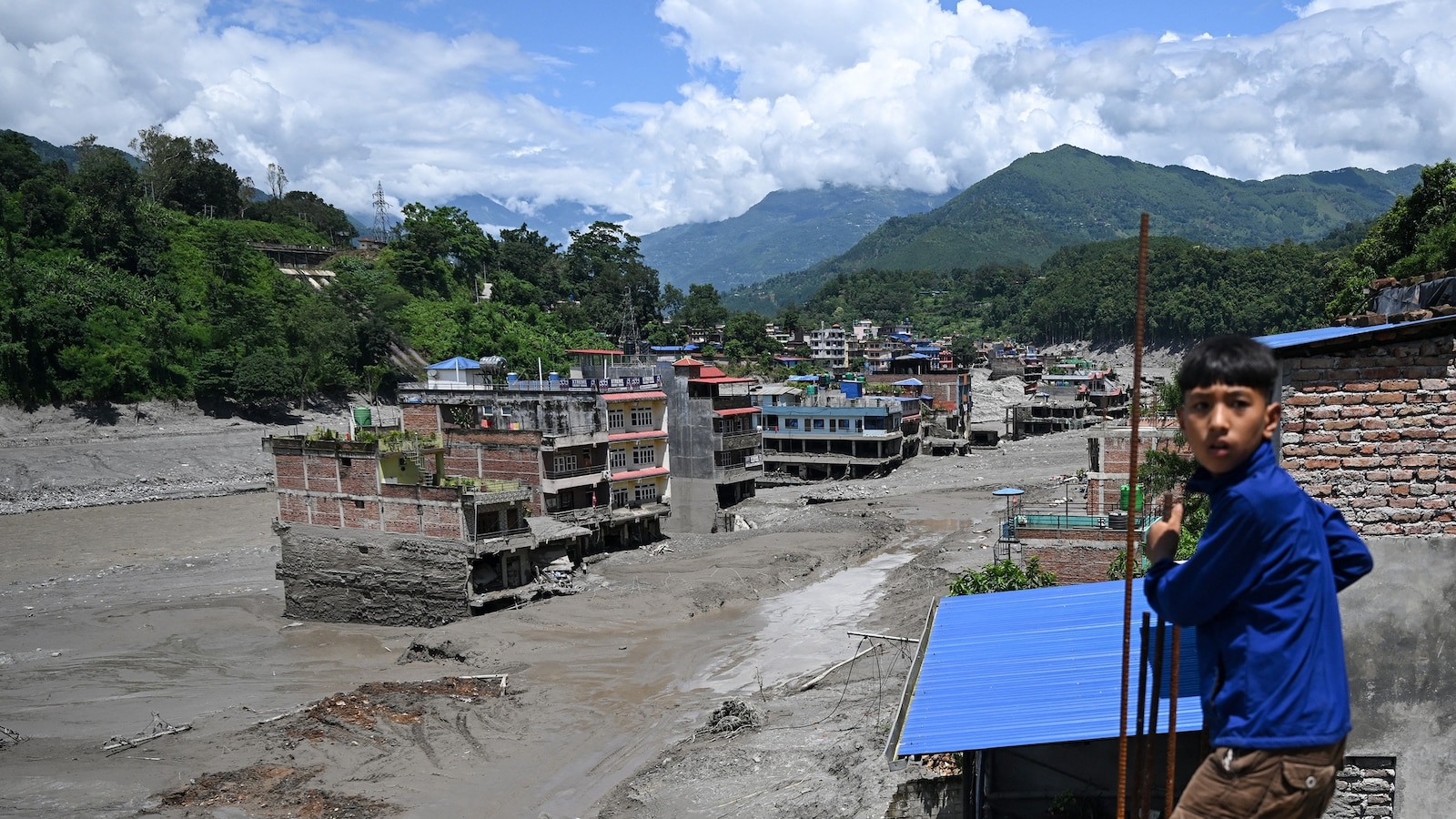
On Thursday, drone footage from Nepal showed the scale of the destruction.
asserted
footage → show → destruction
The region's steep valleys are economic lifelines and travel corridors, but are precarious when disaster strikes.
asserted
disaster → strike → ?
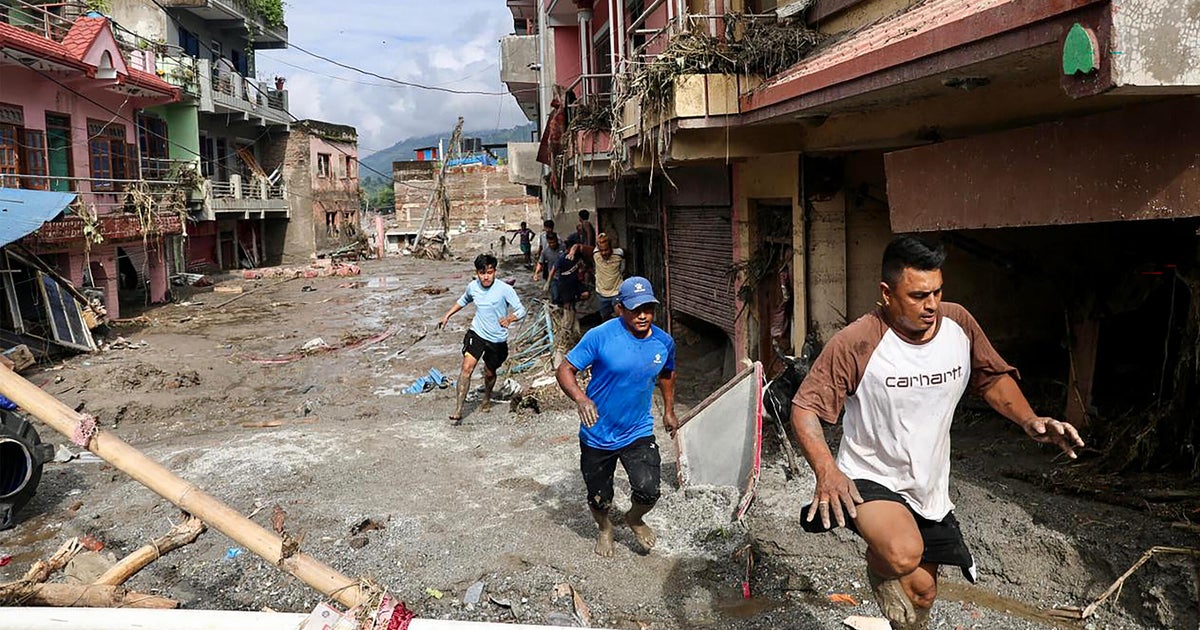
Images showed what appeared to be the second floors of buildings in Nuwakot slathered in mud after the torrent rushed by.
asserted
torrent → show → mud
Debris hung from tree branches and wires, vehicles were buried and some stunned survivors were caked in mud.
asserted
survivors → hang → mud
"When I reached Dhunge bazaar, in half an hour, the flood came and damaged all the market.
asserted
flood → reach → market
People were preparing to go to the office then," resident Shoyam Rajbhandari said.
asserted
Rajbhandari → prepare → office
"How many people are missing or dead, we don't know."
asserted
we → miss → ?
The disaster has left at least 270 dead and 826 people missing in Nepal, and three dead and 558 missing in Tibet, authorities said.
asserted
authorities → leave → Tibet
According to Nepal's Tourism Board, 517 of the missing people in the country were foreigners and 178 of them were from India.
uncertain
178 → accord → India
Flash floods kill more than 160 in Nepal, Tibet
- Video
Hundreds of people, including tourists, missing after flood in Nepal
asserted
Hundreds → kill → Nepal
In addition, China's Ministry of Foreign Affairs spokesperson Lin Jian said that nearly 100 Chinese citizens were missing on the Nepal side.
asserted
citizens → say → side
Nepalese officials said that dozens of bridges were destroyed and nearly 40 kilometres of roads were damaged, complicating search efforts.
asserted
kilometres → say → efforts
The Nepalese army has rescued more than 100 people from flood-affected areas through helicopter operations on Thursday morning, army spokesperson Brig. Gen. Raja Ram Basnet said.
asserted
Basnet → rescue → morning
At least eight foreign nationals were airlifted to the country's capital, Kathmandu, he said, adding that army teams also rescued people trapped inside facilities linked to the Trishuli hydropower project.
asserted
teams → airlift → project
Rescuers found bodies about 100 kilometres downstream from the disaster zone in Chitwan district.
asserted
Rescuers → find → district
Dozens of injured people have been transported to Kathmandu for advanced medical care.
asserted
Dozens → injure → care
Bishal Kumar Bhandari, chairman of the Nepal Red Cross Society, said they have shifted focus from rescue to large-scale relief operations in the flood-hit districts.
asserted
they → say → districts
He said that around 1,200 people were displaced from at least three villages.
asserted
people → say → villages
In Tibet, a mudslide that struck near the land border crossing of Gyirong Port on Wednesday left mud in the surrounding areas more than 1.5 metres deep on average, with some road sections exceeding two metres, Chinese state broadcaster CCTV reported.
asserted
CCTV → strike → metres
Roads leading to the port were all damaged, while secondary collapses or landslides might occur as rain continued in the area, it added.
uncertain
it → lead → area
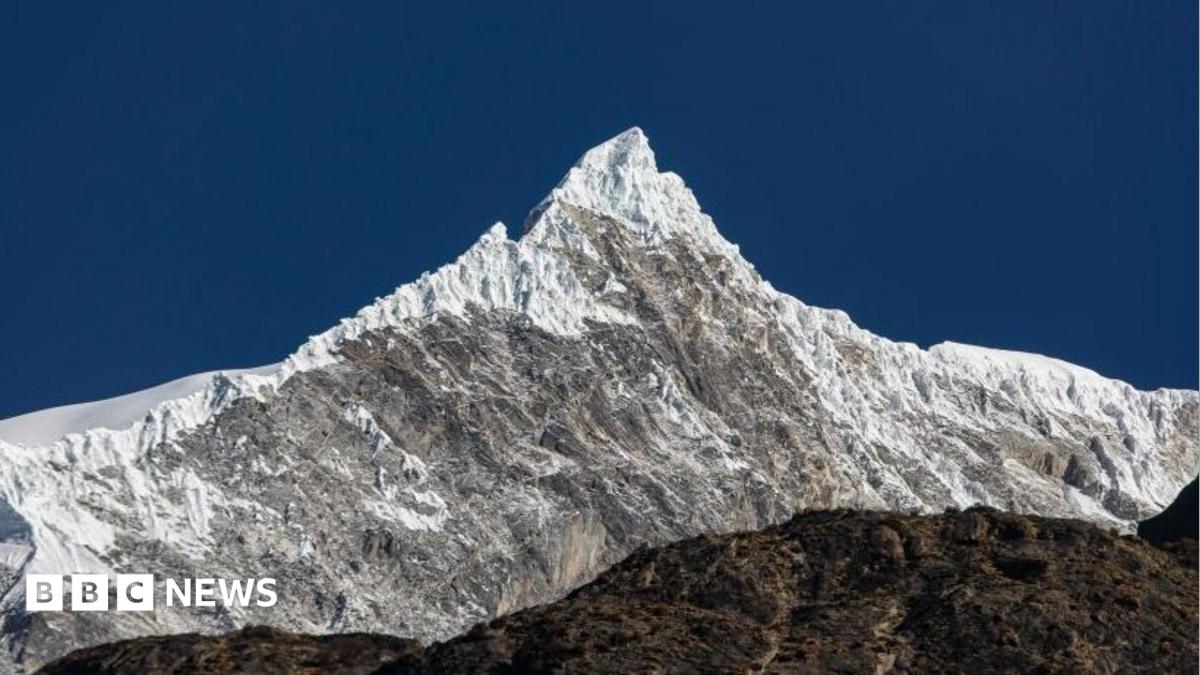
The U.S. Geological Survey (USGS) first reported a magnitude-4.4 earthquake early Wednesday, about 66 kilometres north of Kathmandu, near the border.
asserted
Survey → report → border
The USGS later updated its analysis to say the seismic event it measured was a magnitude-5.2 glacier collapse that sent debris flowing downstream with catastrophic impact on communities.
asserted
debris → update → communities
It said its determination was based on data from nearby seismic stations, long-period seismic waves and satellite imagery, and that no earthquake had occurred.
asserted
earthquake → say → stations
Climate experts at the Kathmandu-based International Centre for Integrated Mountain Development said an avalanche from a glacier likely caused Wednesday's flash flood.
asserted
avalanche → base → flood
"Hydrological observations indicate the exceptional speed and magnitude of the flood wave," they said in an emailed statement, noting that water levels at one point on the Trishuli river rose by as much as nine metres over half an hour.
asserted
levels → indicate → hour
The Lhende Khola River, a tributary of the Bhotekoshi, had maximum flooding, they said.
asserted
they → have → flooding
The steep slopes and the lush valleys below the Himalayan mountain range, which span several Asian countries, are especially vulnerable to flooding and landslides.
asserted
which → span → flooding
Melting glaciers have become more common because of warming because of human-caused climate change.
asserted
glaciers → melt → change
Researchers in Kathmandu found earlier this year that glaciers across the Hindu Kush Himalaya region are melting faster, with ice loss rates doubling since 2000.
asserted
rates → find → 2000
 The Aporia