The Iranian rial has fallen to a new all-time low against the US dollar, dropping past 2 million rials to $1 on the free market after Washington launched its toughest sanctions yet in efforts to strangle Tehran’s economy.
asserted
Washington → fall → economy
Iran’s economy has been crippled by decades of US and international sanctions, especially over its nuclear programme – the Iranian rial has crashed and inflation woes are piling up misery for people.
asserted
woes → cripple → people
The US-Israel war on Iran, launched on February 28, worsened the economic woes for the country of some 92 million people.
asserted
war → launch → people
US sanctions signal Trump desperation on Iran, experts say
asserted
experts → signal → Iran
- list 2 of 4Iran bets economic pain will pressure Trump in game of ‘chicken’
- list 3 of 4Iran, Oman agree on new temporary route in Hormuz
- list 4 of 4Trump threatens Iran’s partners: How do secondary sanctions work?
asserted
sanctions → pressure → partners
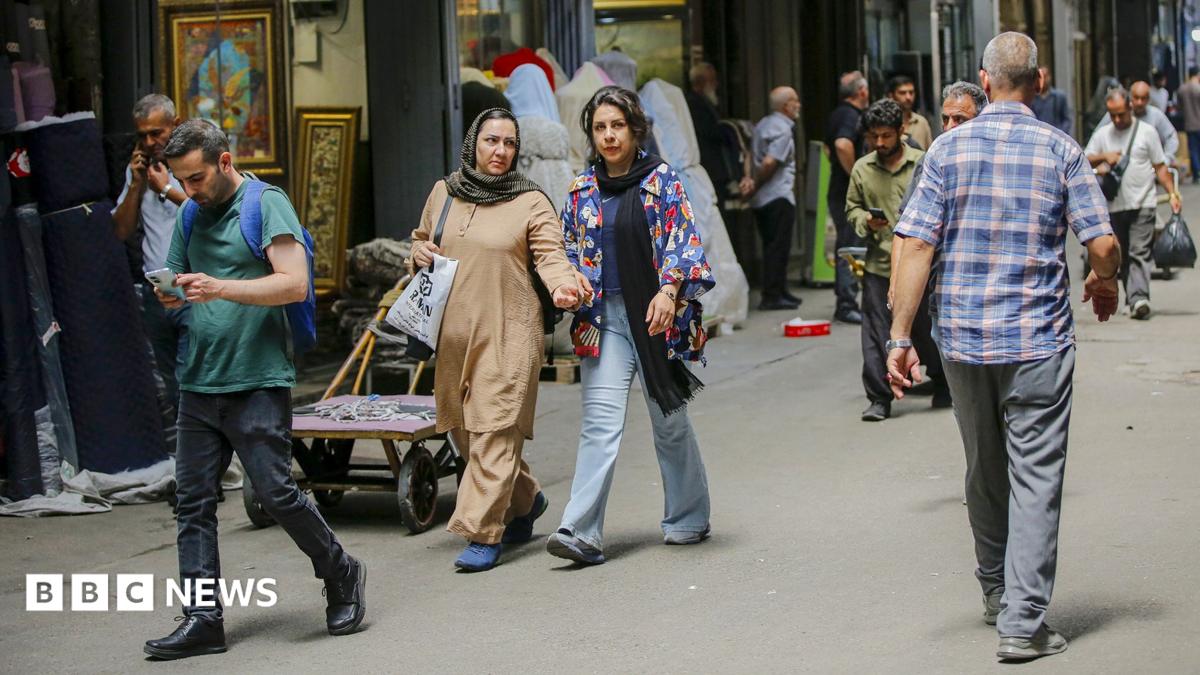
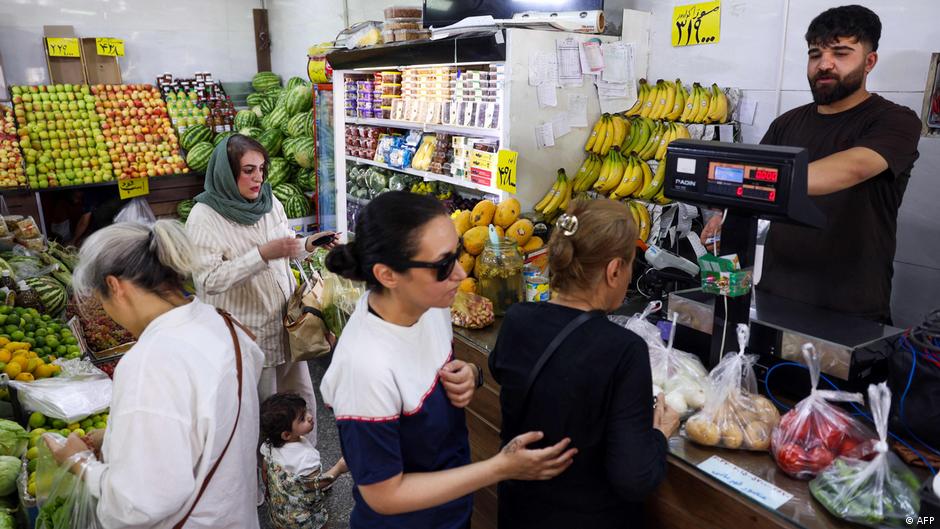
To understand how much everyday items now cost, Al Jazeera tracked the prices of food, clothing and medicines on the streets of Tehran, comparing them with what the same goods cost in the days before the war.
asserted
goods → understand → war
How much do basic necessities cost in Iran?
asserted
necessities → cost → Iran
Before the war, 2 million rials could buy about 4kg of tomatoes, half a kilo of chicken and a little less than a litre of cooking oil.
uncertain
rials → buy → oil
Today, the same amount buys about half as much, with the average price of tomatoes increasing by 71 percent, chicken by 74 percent and cooking oil by 177 percent.
asserted
price → buy → percent
The price of insulin, the baseline survival for diabetics, has shot up by 642 percent, while essential medicine like paracetamol has become dearer by 93 percent, and baby formula, largely subsidised by the government, has become costlier by 95 percent.
asserted
formula → shoot → percent
The graphic below breaks down the average costs of food, clothing and medicine before the war and on Wednesday.
asserted
graphic → break → Wednesday
Prices remain highly volatile, and the figures reflect average values.
asserted
figures → remain → values
‘Our only concern is making it to the end of the month with the income we have’
asserted
we → make → income
For Iranian families, this has meant changing not only how much they buy, but also what they eat.
asserted
they → mean → what
Afsaneh*, a 35-year-old mother of a one-year-old who lives with her husband in Tehran, says her family’s weekly grocery bill has increased by 20 to 30 percent.
asserted
bill → live → percent
“Before the war, we could think about what we wanted to do three or six months down the road, but now our only concern is making it to the end of the month with the income we have,” Afsaneh told Al Jazeera.
uncertain
Afsaneh → think → Jazeera
“My husband and I both work, and we have a one-year-old child.
asserted
we → work → child
The daily cost of childcare at daycare centres has now reached around 500,000 tomans [5 million rials or $2.5], which is difficult for us to afford.
asserted
us → reach → tomans
Toman is the term Iranians use for the rial as an unofficial unit equal to 10 Iranian rials, widely used because it makes the country’s large currency figures easier to manage.
asserted
figures → use → rials
The government subsidy on baby formula helps families like Afsaneh’s, but their monthly wellness checkups and nutritional supplements are not covered by insurance, making it difficult to afford quality care for their infant.
asserted
it → help → infant
For Afsaneh, their small family is limited to survival and covering food and other necessities.
asserted
family → limit → food
“Many purchases, such as new clothes or upgrading our car, have been cut from our plans.
asserted
purchases → upgrade → plans
And I don’t think things are going to get better anytime soon,” she said.
asserted
she → think → ?
‘Everything has become more expensive’
asserted
Everything → become → ?
War damage has disrupted production, while a US naval blockade of Iranian ports has complicated imports and exports.
asserted
blockade → disrupt → imports
While the falling rial has pushed up the cost of goods, sanctions have restricted Iran’s access to international markets.
asserted
sanctions → fall → markets
At the same time, wages have failed to keep pace.
asserted
wages → fail → pace
The government-approved minimum wage for the current Iranian calendar year ending in March 2027 is 166 million rials ($82).
asserted
wage → approve → March
With government assistance and benefits, the figure comes to less than 220 million rials ($108).
asserted
figure → come → rials
Zamir*, a 35-year-old man from Tehran who works in men’s retail fashion, told Al Jazeera that sales have dropped by 40 percent compared with last year, and he is struggling to keep his business running.
asserted
he → work → business
“I can say that it is completely predictable that many of the people working in this market will go bankrupt before the end of winter and will have no choice but to shut down their businesses,” he says.
asserted
he → say → businesses
“Everything has become more expensive,” Zamir explains.
asserted
Zamir → become → ?
“Workers’ wages, the cost of raw materials, and just about anything else you can think of have gone up.”
asserted
you → think → materials
He says many retailers are selling their summer stock below cost, and in the autumn this new wave of price increases will be reflected in retail stores.
asserted
wave → say → stores
“From the moment you leave your house until you get back home, you spend at least 2 million tomans [$10] on things like coffee, cigarettes, water, and transport.
asserted
you → leave → coffee
Even if you are extremely careful with your spending, you still have to spend at least 700,000 to 800,000 tomans [$3.5-4] a day, and that doesn’t include regular groceries and household necessities,” Zamir said.
asserted
Zamir → have → groceries
Widening gap between income and expenditure
For those living on salaries, inflation creates another problem: the value of today’s pay can fall before the next payday.
asserted
value → widen → payday
Salama*, 28, is a mother of one who works as a fisher in Hormozgan, Iran’s southern coastal province, overseeing the strategically vital Strait of Hormuz.
asserted
who → work → Hormuz
For her, the rising cost of groceries has had a big impact.
asserted
cost → rise → impact
“We used to do our weekly grocery shopping for around 500,000 tomans [$2.5], but now we have to spend at least 5 million tomans [$25] for the same groceries, and we’ve had to cut back on things like meat and chicken or eliminate them altogether.”
asserted
we → use → them
…and 6 more, not listed.
 The Aporia





.jpeg?width=1200&auto=webp&trim=0%2C0%2C0%2C0)


