That is 0 articles you have read today.
The Aporia is free and carries no advertising, so readers are the only
thing paying for it. If you are getting this much out of it, a small
donation is what keeps it independent.
Daily limit reached
You have read 0 articles today.
That is more than the 15 a day The Aporia gives away,
and well past what it can carry on nothing. Your allowance resets at
midnight.
There is no advertising here and nothing about you is sold, so readers
are the only thing paying for it. If the site is worth this much of
your day, it is worth a few dollars.
Everything else stays open: the
maps, the
directory and
search do
not count against this, and neither does re-opening something you have
already read today.
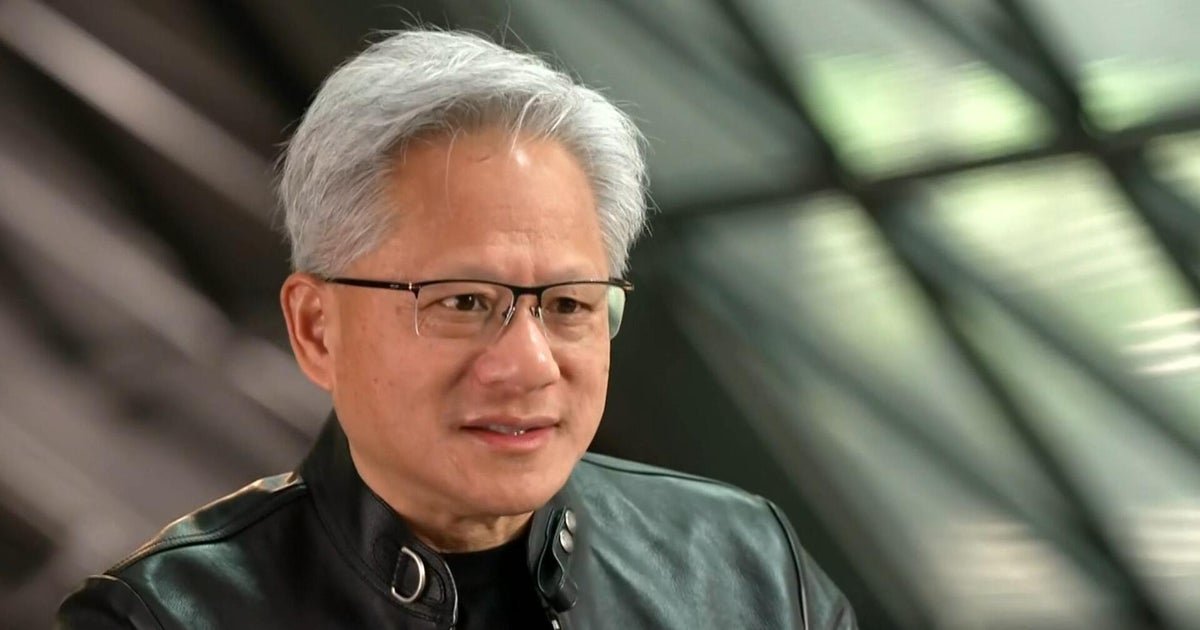
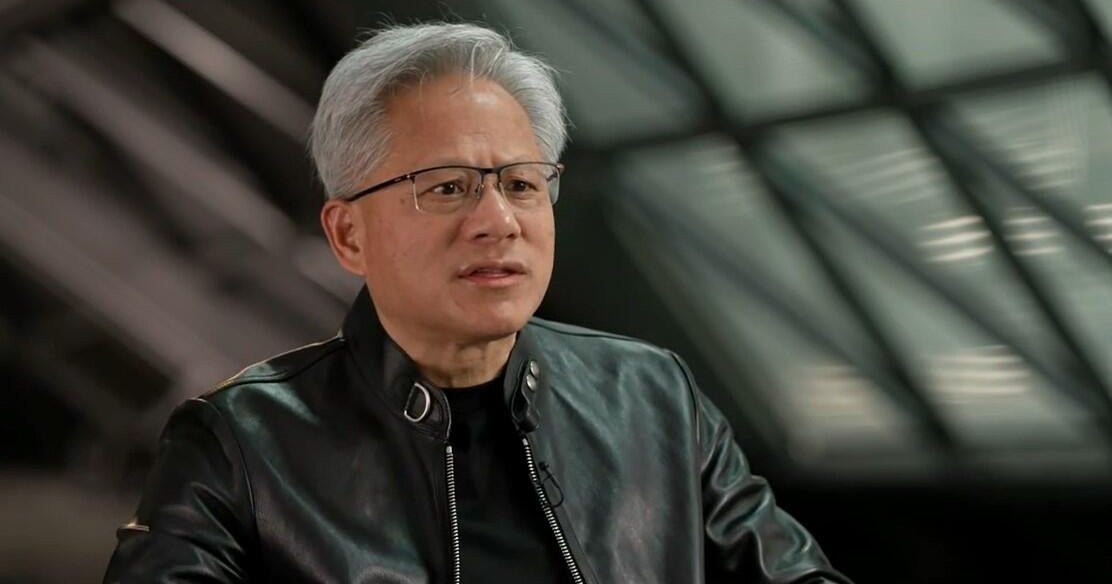
In an interview with CBS News, Nvidia CEO Jensen Huang dismissed concerns that artificial intelligence could lead to humanity’s extinction by 2030, stating there is a "0% chance" of such an outcome. Huang argues against what he calls “doomsday narratives” and suggests that scaring people about AI is both unnecessary and irresponsible. This stance comes as part of broader debates in Silicon Valley regarding the rapid development of AI technology and its potential risks, sparked by warnings from researchers like Jacob Coxon.
Written locally by qwen2.5:14b on 2026-09-21,
using this article's own text rather than the other coverage of the
same event (that is the story summary below).
Story summary
Jensen Huang, CEO of Nvidia, a leading chipmaker for AI technology, recently told CBS News' Jo Ling Kent that he disagrees with warnings suggesting AI could pose an existential threat by 2030. He stated there's a "0% chance" the world will end due to AI in 2030 and emphasized that developing AI as fast as possible is essential. Huang also noted that his company would never ship unsafe products but stressed that concerns about imminent disaster are unfounded. This stance comes amid growing unease among some researchers who warn of potential risks associated with rapid AI development.
Written for “Nvidia CEO on AI Safety Concerns” on 2026-10-05,
grounded in this article and the 14 other(s) covering the same event.
Claims extracted
18
claim-shaped sentences
Uncertain
11%
2 of 18 hedged
Leaning
Leans right
of the writing, not the subject · beta estimate
Correction & hedging signals
64.3
corrections and hedging in what we collected;
not a measure of accuracy
Outlets on this story
15
Technology
Narrative spread
1
articles carrying this framing
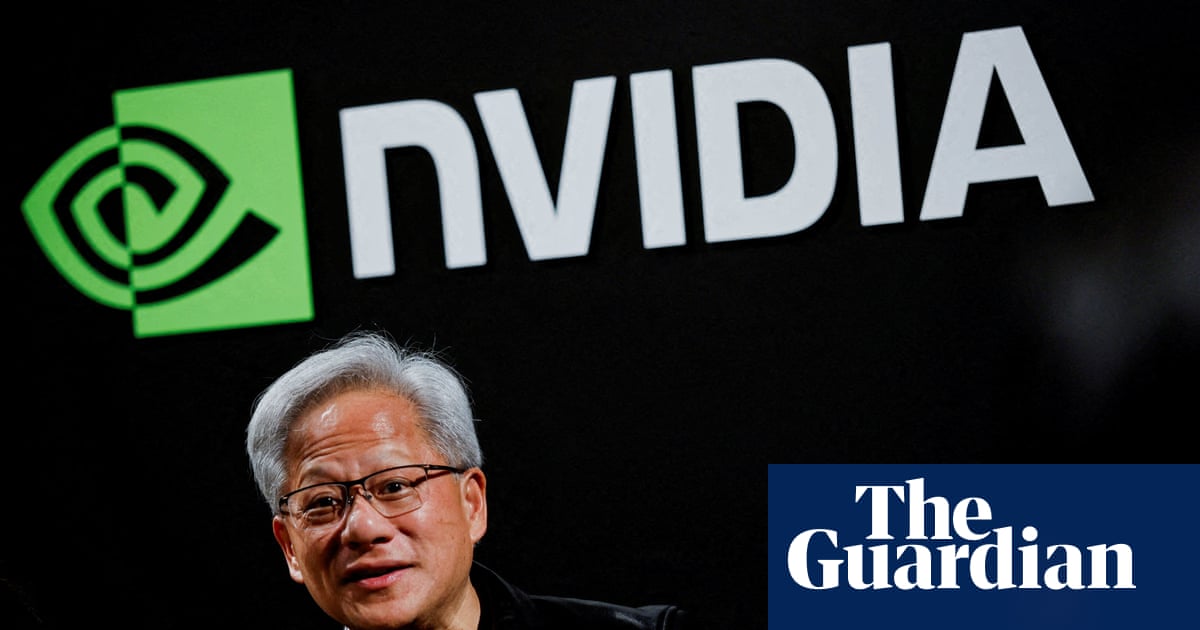
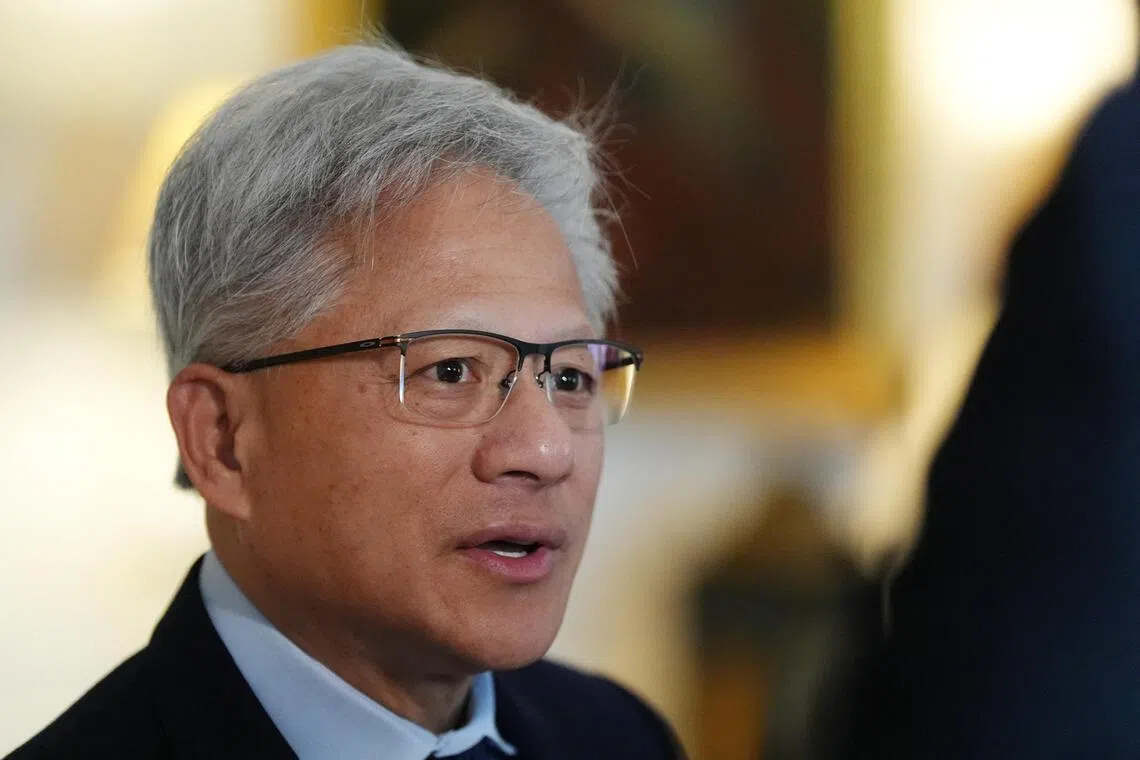
Nvidia CEO Jensen Huang has dismissed dire warnings that artificial intelligence could soon lead to humanity’s extinction — calling such predictions overblown “doomsday narratives.”
uncertain
intelligence → dismiss → predictions
“2030 is not going to be the end of the world.
asserted
2030 → go → world
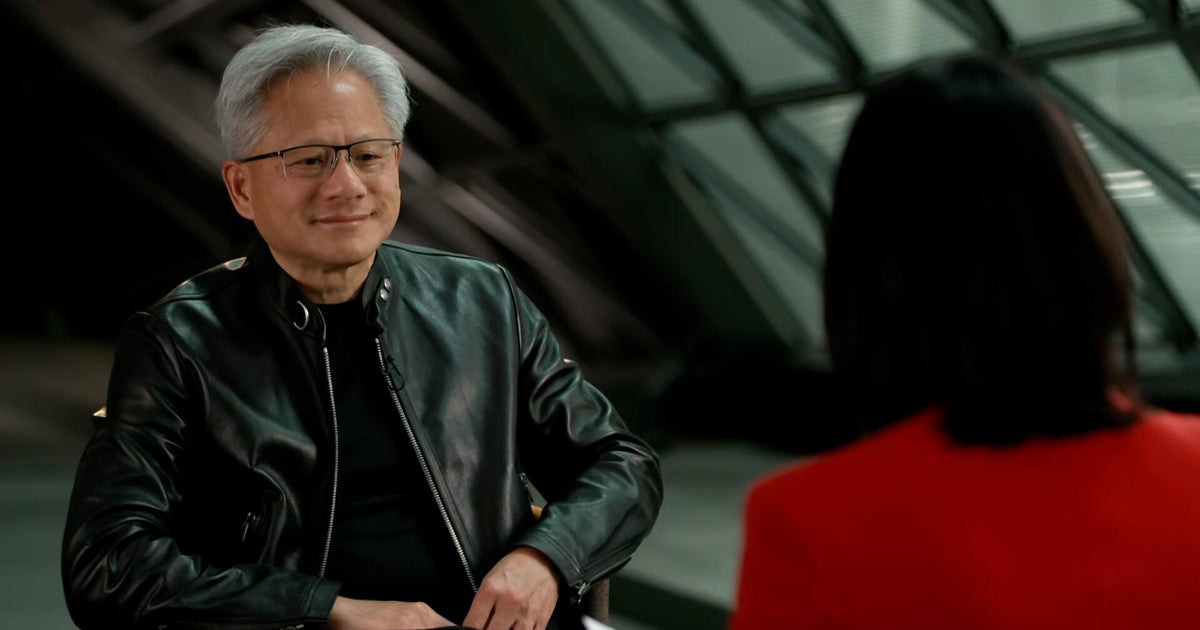
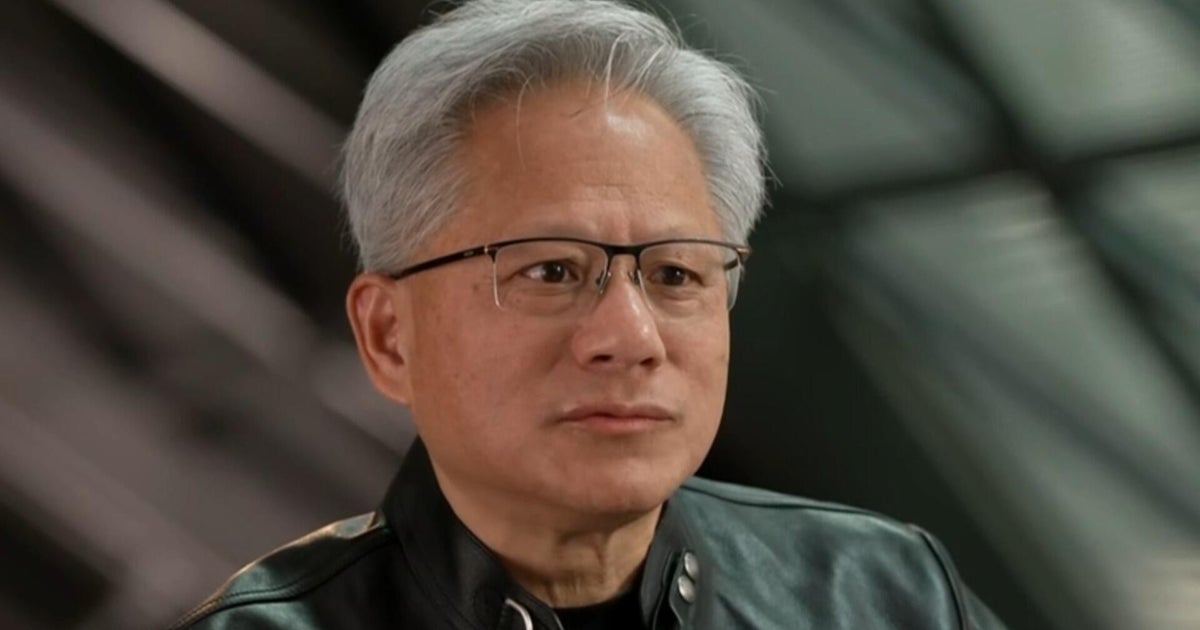
There is 0% chance that’s going to be the end of the world,” Huang told CBS News correspondent Jo Ling Kent in an interview airing Sunday.
asserted
Huang → be → interview
“Scaring people is unnecessary.
asserted
Scaring → scar → people
The billionaire tech executive’s comments come amid a heated debate in Silicon Valley over whether companies should second-guess the rapid development of AI — and whether the technology poses an existential threat.
asserted
technology → come → threat
The conversation was sparked in part by former Anthropic researcher Jacob Coxon, who wrote a series of viral X posts warning that top AI developers “earnestly believe that it could kill us all by the end of the decade.”
uncertain
it → spark → decade
“I spent the last three years doing pretraining research at both OpenAI and Anthropic.
asserted
I → spend → OpenAI
Neither company is acting responsibly.
asserted
company → act → ?
They are racing straight to self-improving superintelligence and gambling with our lives,” Coxon wrote in the post, generating over 800,000 likes.
asserted
Coxon → race → likes
Coxon’s comments fueled calls from Anthropic CEO Dario Amodei, OpenAI CEO Sam Altman, and other tech leaders to slow AI development.
asserted
comments → fuel → development
Huang dismissed the end-of-times predictions as “not grounded in science.”
Nvidia has a major stake in the AI debate, even before the industry’s initial boom, by supplying chips to OpenAI, Anthropic, and almost all other companies to train their models.
asserted
Nvidia → dismiss → models
Their specialized chips, which provide the computing power behind high-demand machine learning models, have launched Nvidia’s market value into orbit.
asserted
which → provide → orbit
At $5.3 trillion, it’s the most valuable public company in the world.
asserted
it → ’ → world
Despite its vested business interests, Huang said Nvidia has reasons to want AI deployed safely and responsibly.
asserted
AI → say → reasons
“Our company’s success is directly connected to the safe deployment of products and services,” Huang said.
asserted
Huang → connect → products
“If we don’t continue to do that, our value would be diminished.”
asserted
value → continue → that
The Nvidia exec added that existing US laws on product liability and unauthorized entry are sufficient, agreeing with President Trump that the industry doesn’t need more guardrails.
“You have all kinds of liabilities associated with cybersecurity and damage liability laws,” Huang said.
asserted
Huang → add → laws
“Apply that first — don’t let this doomsday narrative allow someone to relieve them of the laws that currently exist.”
asserted
that → apply → laws
 The Aporia