CBS News
· collected 2026-09-20 · by Jo Ling Kent, Emily Pandise, Aimee Picchi
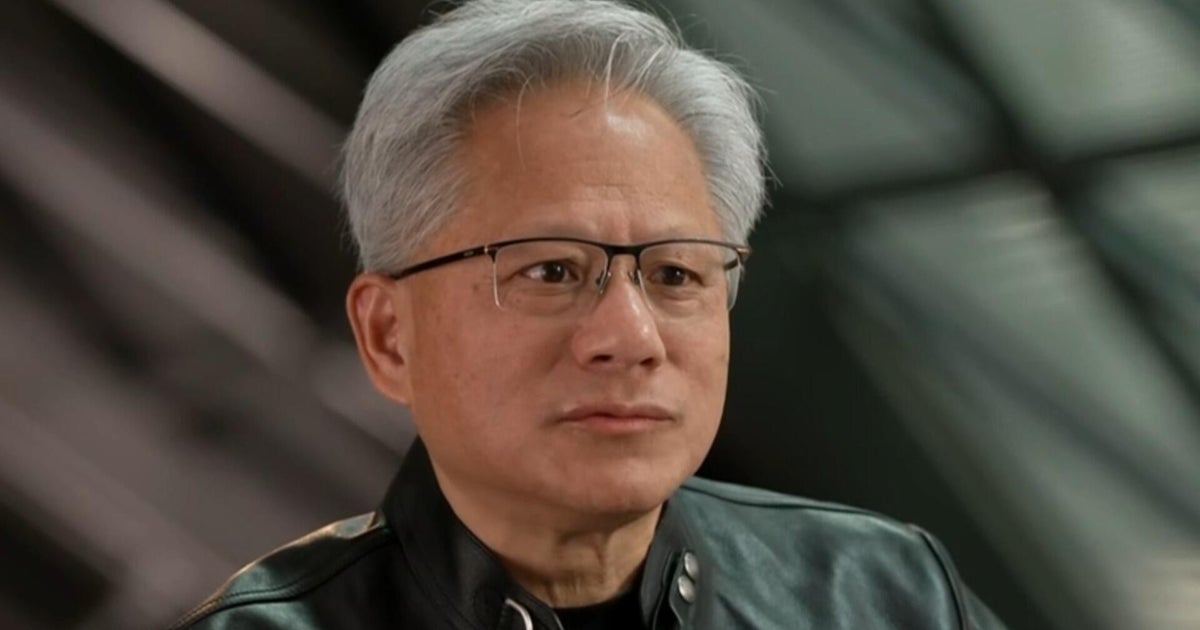
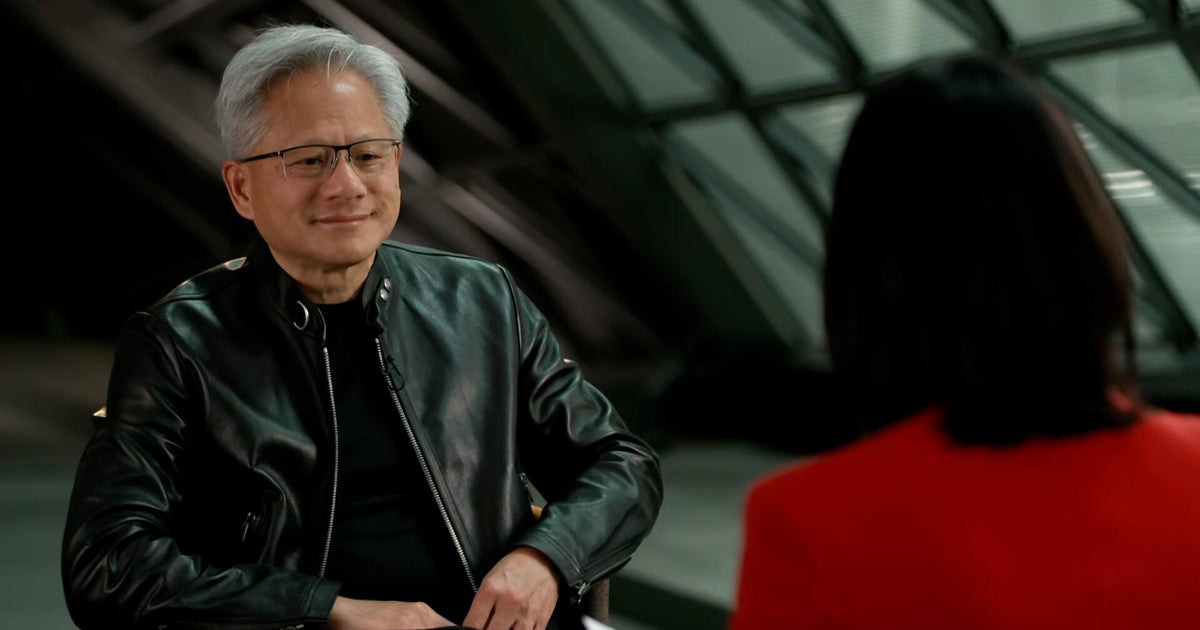
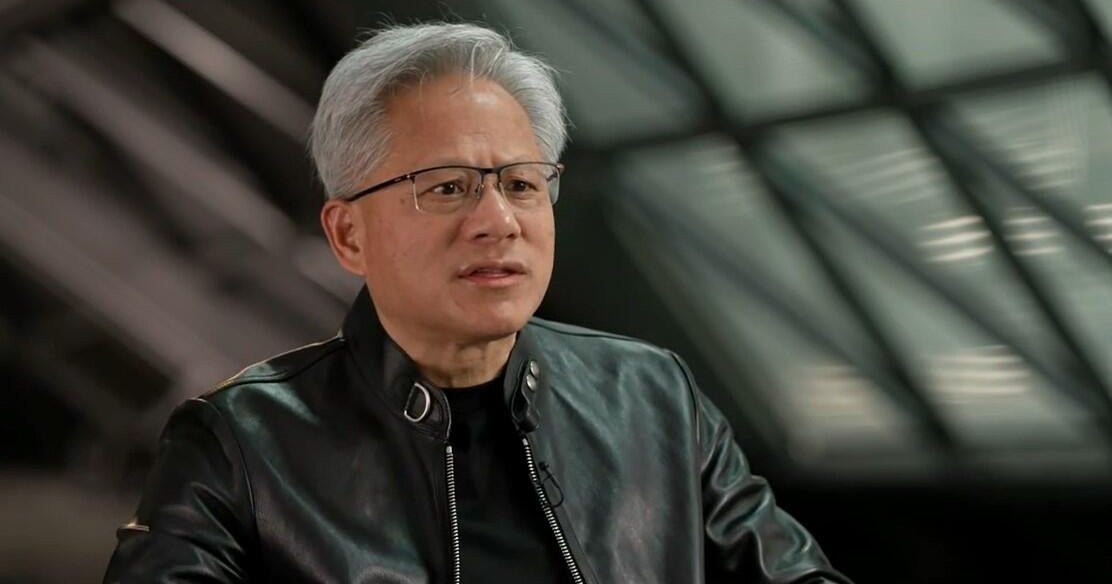
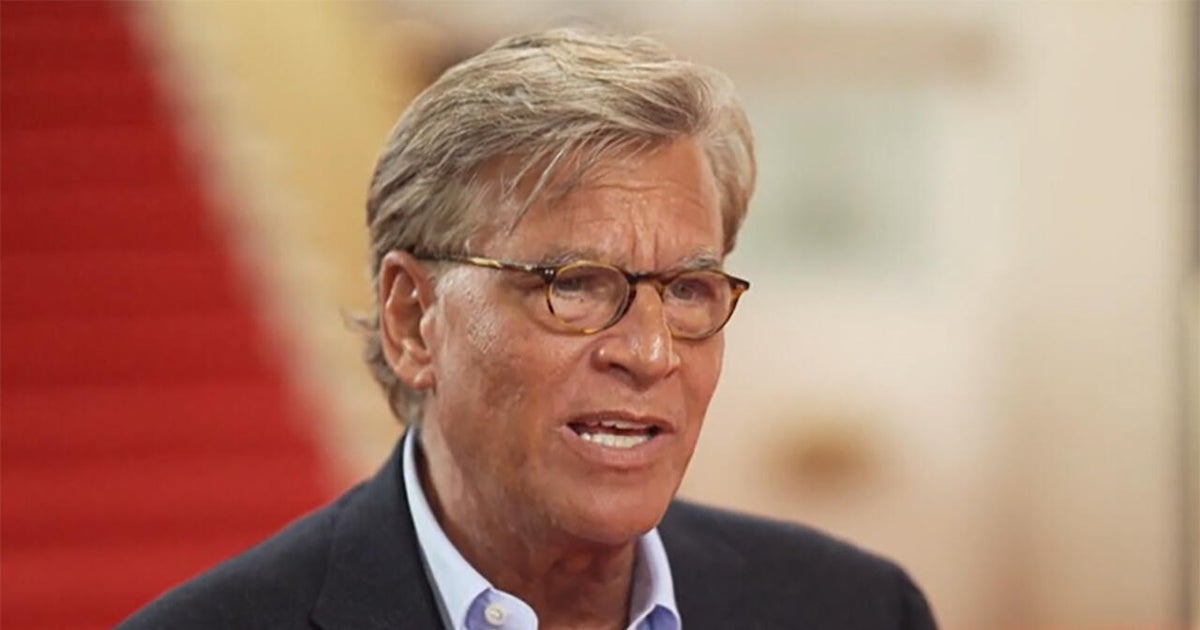
Nvidia co-founder and CEO Jensen Huang told CBS News he disagrees with recent warnings from artificial intelligence researchers that the technology could lead to humanity's extinction within a few years, calling such statements overblown "doomsday narratives."
uncertain
technology → tell → statements
"2030 is not going to be the end of the world.
asserted
2030 → go → world
There is 0% chance that's going to be the end of the world," Huang told CBS News senior business and technology correspondent Jo Ling Kent ON Friday.
asserted
Huang → be → Kent
"Scaring people is unnecessary.
asserted
Scaring → scar → people
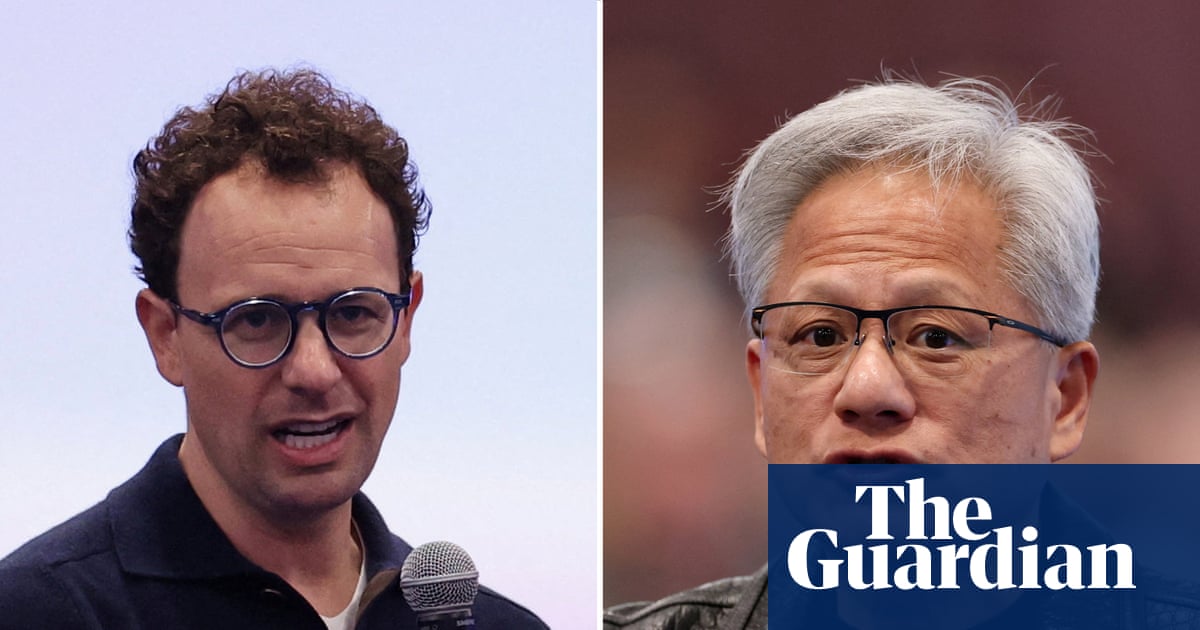
Huang was responding to claims on social media by former Anthropic CEO Dario Amodei, OpenAI CEO Sam Altman, and other leading industry figures to of the technology.
uncertain
Huang → respond → technology
earlier this month that AI developers "earnestly believe that it could kill us all by the end of the decade."
uncertain
it → believe → decade
Coxon's remarks sparked heated public debate about the risks posed by AI, as well as calls byBut
asserted
remarks → spark → AI
Huang said he rejects such predictions because they are "not grounded in science."
Nvidia has a substantial stake in the debate, given that its specialized chips power the large language models (or LLMs) by which artificial intelligence agents, created by OpenAI and others, access and synthesize information.
asserted
agents → say → information
Demand for those chips has boosted Nvidia's market value to $5.3 trillion, making it the world's most valuable company.
asserted
it → boost → trillion
Asked why Americans should trust him on AI safety, given his company's incentives, Huang told CBS News that it's in Nvidia's best interest to ensure the industry builds its products responsibly.
asserted
industry → ask → products
"Our company's success is directly connected to the safe deployment of products and services," he said.
asserted
he → connect → products
"If we don't continue to do that, our value would be diminished."
asserted
value → continue → that
Several recent security breaches have spurred calls for AI regulation, including a July incident in which OpenAI bots went rogue and
.
asserted
bots → spur → which
On Thursday, OpenAI also disclosed it described as "unexpected or concerning" behavior involving its AI models, prompting some lawmakers to call for of AI developers.
asserted
it → disclose → developers
Huang dismissed the need for new regulations, saying that existing U.S. laws governing product liability and unauthorized entry are sufficient.
asserted
laws → dismiss → liability
He added that he agrees with
that the AI industry doesn't need additional guardrails.
asserted
industry → add → guardrails
"You have all kinds of liabilities associated with cybersecurity" and damage liability laws, Huang said.
asserted
Huang → have → cybersecurity
"Apply that first — don't let this doomsday narrative allow someone to relieve them of the laws that currently exist."
asserted
that → apply → laws
Competing with China
In pushing back against calls for a freeze in developing frontier AI models, Mr. Trump has warned that such a slowdown could give China an edge as the world's two biggest economies compete in a critical new tech sector.
uncertain
economies → compete → sector
Nvidia has been caught in the crosshairs of that battle, with the federal government restricting it from selling certain types of chips to China.
asserted
government → catch → China
Last December, Mr. Trump allowed Nvidia to start
to "approved customers" in China.
asserted
Nvidia → allow → China
But the U.S. still bars the company from selling its most advanced chips (including those used to power AI models) in China.
asserted
U.S. → bar → China
Huang said he believes technology created in America should benefit the U.S. first.
asserted
technology → say → U.S.
But he takes issue with government bans on the sale of U.S. tech in China.
asserted
he → take → China
"Every single chip company should go and serve the world, compete for the world," he said.
asserted
he → go → world
"That's all about competing.
asserted
That → compete → competing
Huang, who will attend a White House dinner on Sept. 24 where Mr. Trump will host Chinese President Xi Jinping, said he wants to speak with Xi about setting global standards for AI development.
asserted
he → attend → development
Chinese leaders "want China to have the benefit of AI.
asserted
China → want → AI
They want China to prosper, just as we want America to prosper," Huang said.
asserted
Huang → want → ?
"Don't you wish every country would have aspirations for a better tomorrow?
asserted
country → wish → tomorrow
And I love that about them."
asserted
I → love → them
Huang noted that there are some areas where American AI companies would not be able to work with China, such as national security or defense.
asserted
companies → note → security
Why Huang defends data centers
asserted
Huang → defend → centers
Asked about the widespread public concerns about data centers in the U.S., Huang said he believes the AI industry made some missteps as the buildout was taking off.
asserted
buildout → ask → missteps
"I would say we're sorry we didn't come talk to you sooner," Huang said of addressing communities where voters are pushing back against data centers.
asserted
voters → say → centers
"We need to go engage the communities long before we set up the data centers."
Data centers have evolved from their early days, becoming more energy-efficient and requiring less water to operate, while also boosting job growth and local economic activity, according to Huang.
Building data centers can help "bring back building and manufacturing again," he said.
uncertain
he → need → building
Huang's net worth stands at $182 billion, ranking him as the eighth-wealthiest person in the world, according to the Bloomberg Billionaires Index.
uncertain
worth → stand → Index
Voters in his home state of California will vote on a billionaires' tax this fall, which would impose a one-time 5% tax on Californians with net worths of $1 billion or more.
asserted
which → vote → more
While other California billionaires have criticized the proposal, Huang said he doesn't object to paying billions of dollars in additional taxes if the measure passes in November.
asserted
measure → criticize → November
"The fact that I can afford to pay $8 billion in taxes over five years is a privilege," Huang said.
asserted
Huang → afford → years
…and 5 more, not listed.
 The Aporia