That is 0 articles you have read today.
The Aporia is free and carries no advertising, so readers are the only
thing paying for it. If you are getting this much out of it, a small
donation is what keeps it independent.
Daily limit reached
You have read 0 articles today.
That is more than the 15 a day The Aporia gives away,
and well past what it can carry on nothing. Your allowance resets at
midnight.
There is no advertising here and nothing about you is sold, so readers
are the only thing paying for it. If the site is worth this much of
your day, it is worth a few dollars.
Everything else stays open: the
maps, the
directory and
search do
not count against this, and neither does re-opening something you have
already read today.
President Trump denied rumors that the United States would attack the Houthis in Yemen, stating they had agreed not to fight against the US. Instead, he emphasized his focus on potential actions towards Iran, suggesting he is considering options ranging from military strikes to economic sanctions. Trump’s statements were reported by Fox News's Trey Yingst and highlight a shift in international attention from Iran to Yemen following recent Houthi advances.
Written locally by qwen2.5:14b on 2026-09-20,
using this article's own text rather than the other coverage of the
same event (that is the story summary below).
Story summary
The Houthis, backed by Iran, are rapidly advancing in Yemen and threatening critical waterways like the Bab al-Mandeb strait. President Trump spoke with Yemen's president Rashad al-Alimi about the situation but did not pledge military support to his Saudi-backed government. The U.S. had prepared airstrikes against the Houthis at Riyadh’s request but ultimately canceled them, even as bombs were loaded onto planes. This decision reflects a reluctance by the U.S. to engage militarily in the region and highlights the complex geopolitical dynamics between the U.S., Iran, and Saudi Arabia. Yemen's government is seeking direct military aid from the U.S., fearing that without such support, the Houthis will continue to expand their control over strategic areas. The cancellation of airstrikes also underscores Trump’s strategy to reduce America’s entanglement in Middle Eastern conflicts. Despite this, tensions remain high as the Houthis push for more territory and threaten global shipping routes. Trump's decision to not intervene militarily is seen by some analysts as a necessary step to break a cycle of codependency between the U.S. and its Gulf allies. However, it also raises questions about how effectively these nations can defend themselves without American support.
Written for “Houthis Fighting in Yemen” on 2026-10-05,
grounded in this article and the 17 other(s) covering the same event.
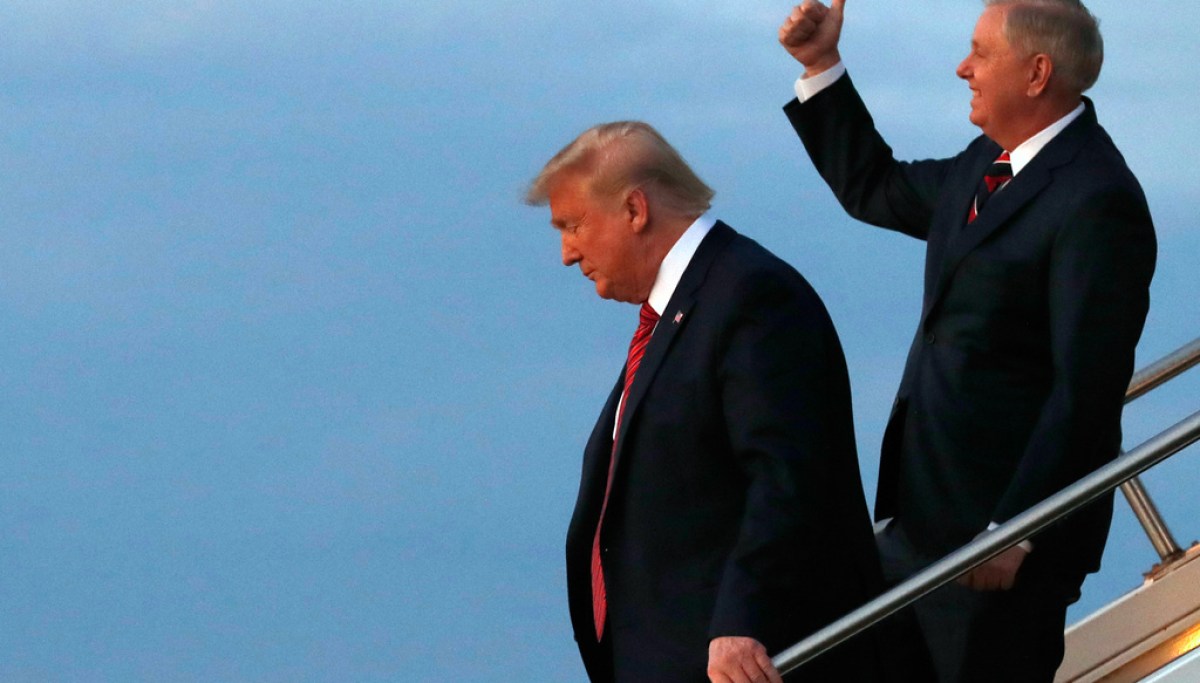
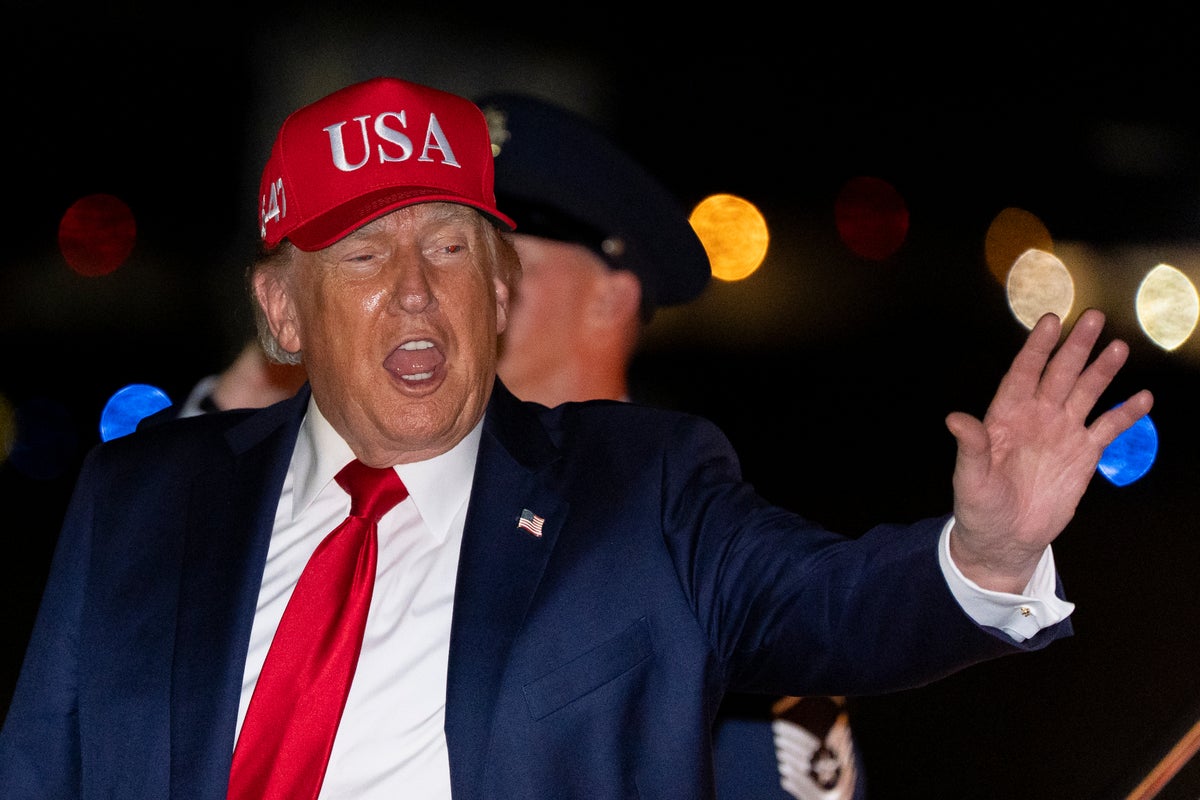
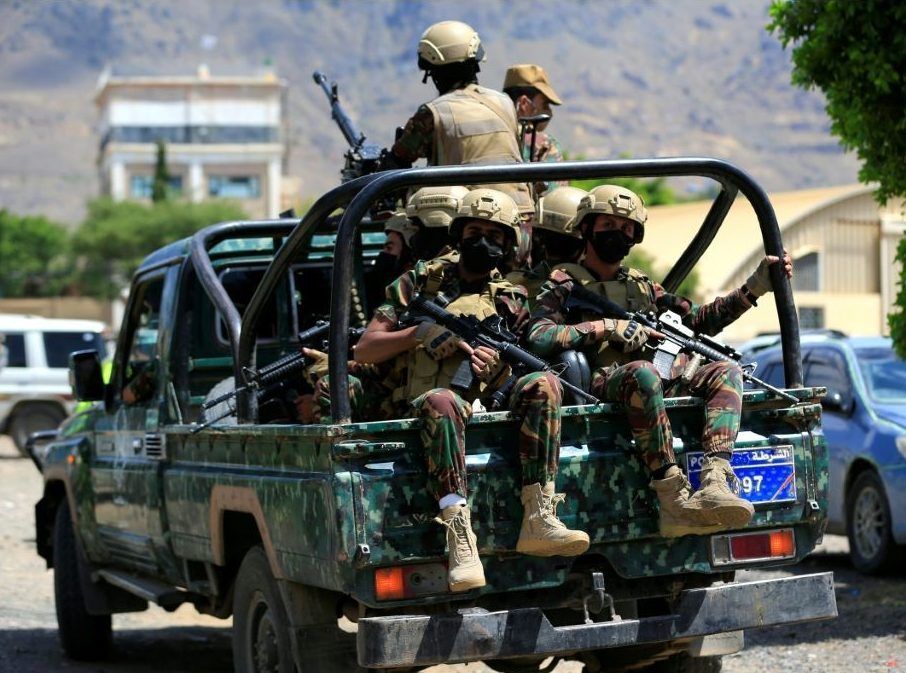
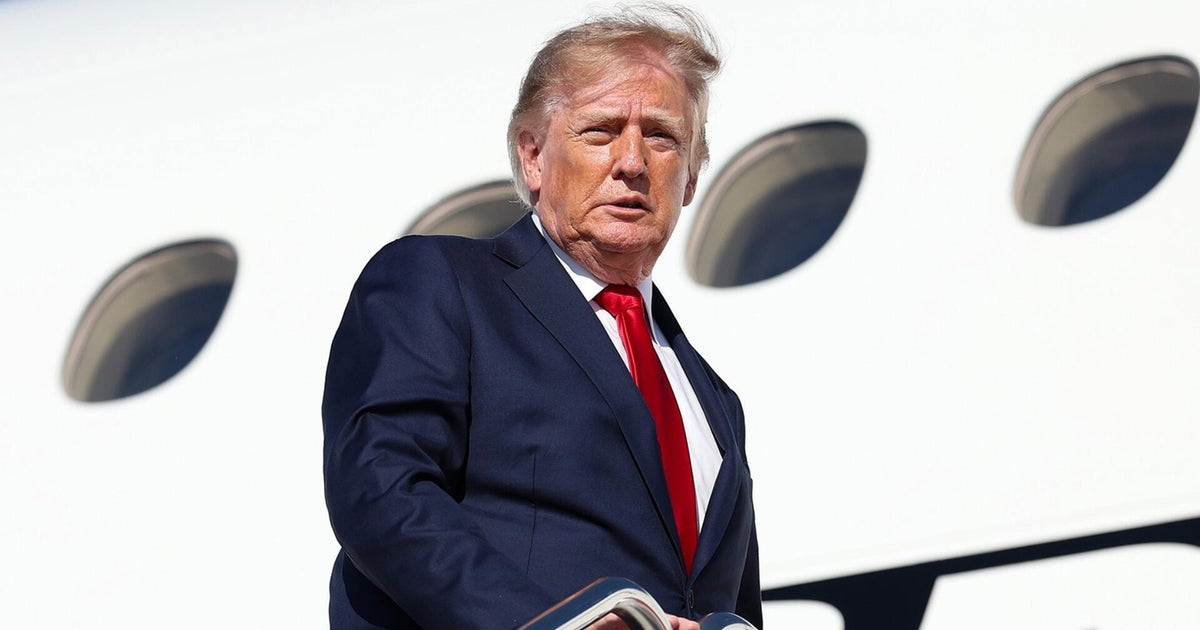
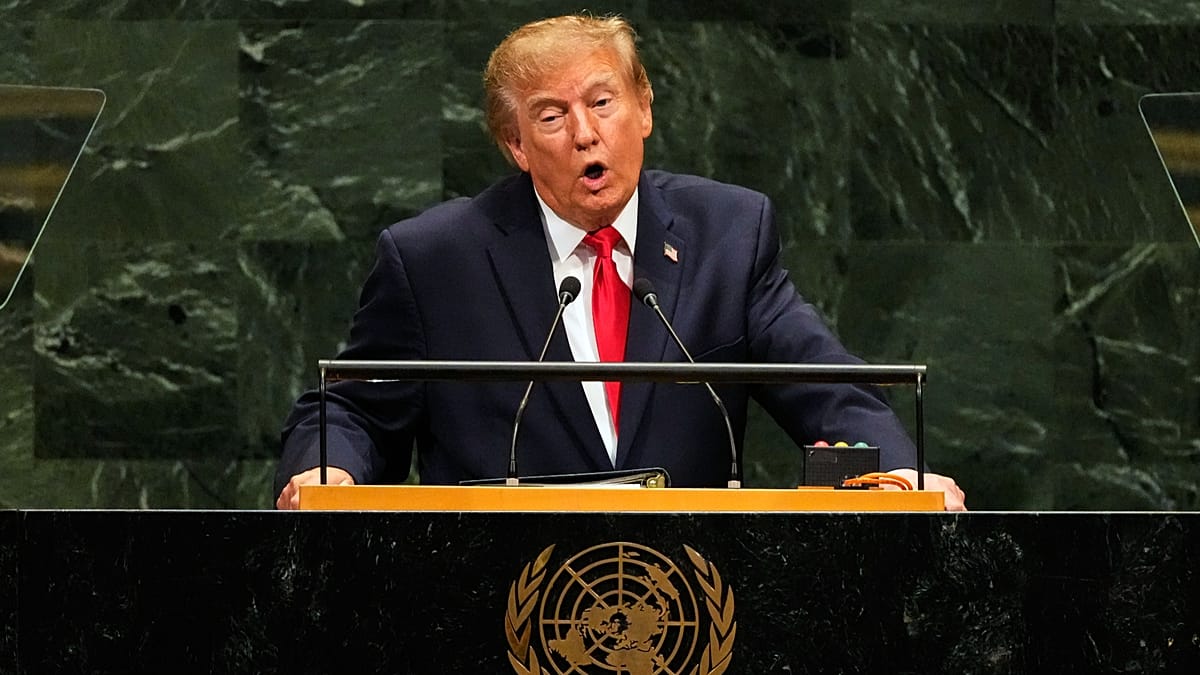
President Donald Trump dispelled rumors that the United States was going to attack the Houthis in Yemen, saying they’d agreed not to fight the U.S., as he weighs whether to resume intensive operations against Iran.
asserted
he → dispel → Iran
Rumors swirled on Saturday night that Trump was eyeing strikes against the Houthis, with some reports pointing to this as the reason that he was suddenly whisked back from Camp David.
asserted
he → swirl → David
He denied this Sunday morning, according to Fox News’s Trey Yingst, who said Trump insisted that communication was always open with the group and that a mutual understanding was in place.
uncertain
understanding → deny → place
“The president said the United States is in constant communication with the Houthis and that they’ve agreed not to fight the United States,” Yingst said.
asserted
Yingst → say → States
Trump’s real focus, he said, was Iran.
asserted
he → say → ?
“The president says he is in a deciding mode as it relates to Iran and that some big things will be happening in the not-so-distant future, adding that the Iranians better behave, and he is making this decision as to whether or not to blow up their nation,” Yingst said.
“The president described the current choices on the table as wiping Iran out, letting them rot economically, or making a deal.
asserted
them → say → deal
He added, ‘My question is: If and when do I blow the entire nation up?
asserted
I → add → nation
They’d better behave,'” Yingst added.
asserted
Yingst → behave → ?
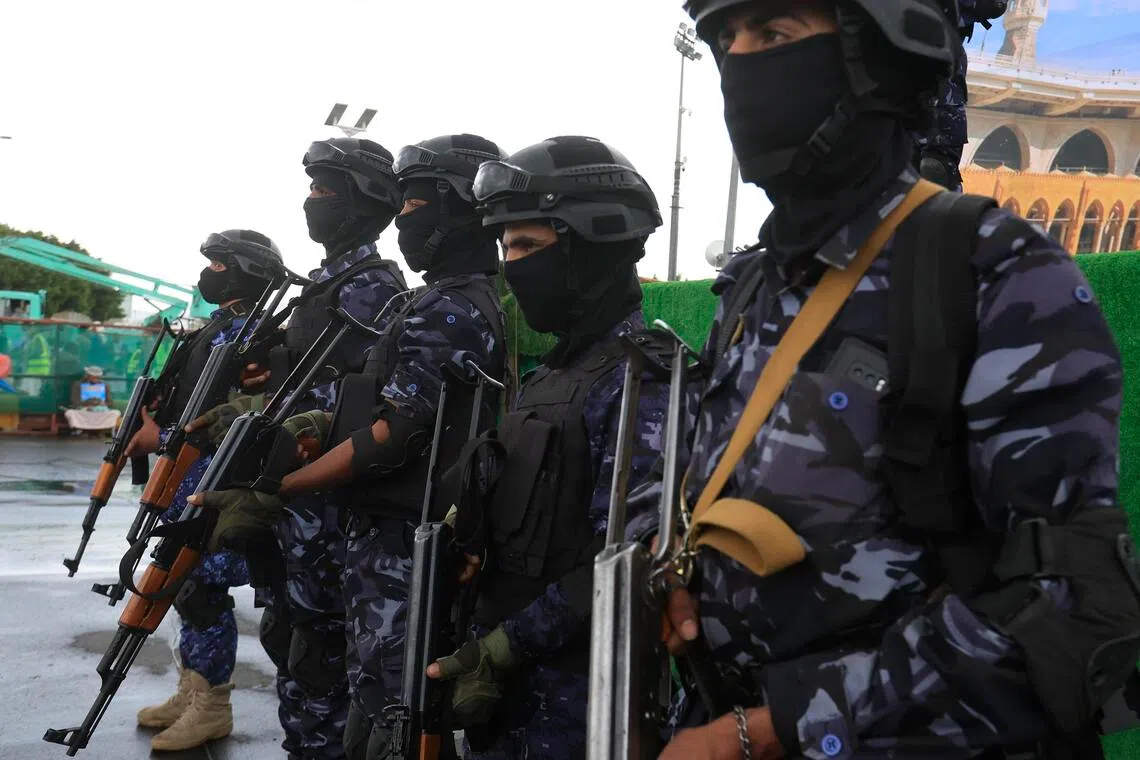
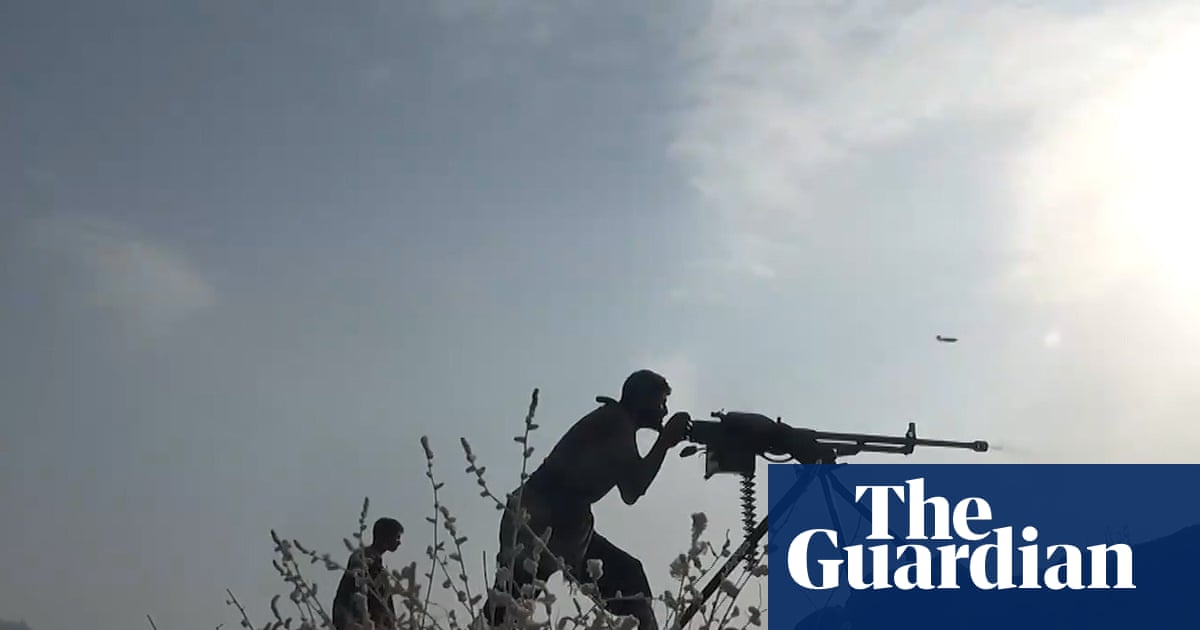
International focus flipped from Iran to the Houthis earlier this month, after they captured the entire Red Sea coast in a lightning offensive that humiliated the internationally recognized Yemeni government and its Saudi backers.
asserted
that → flip → government
Riyadh reportedly appealed to Trump for direct military strikes, but he denied it.
uncertain
he → appeal → it
Despite having full control over the Bab el Mandeb Strait, the Houthis have pledged only to attack Saudi shipping, so far refraining from attacks against U.S. ships.
asserted
Houthis → have → ships
The president made similar comments vis-a-vis the Houthis last weekend, presenting a deal that has held so far.
asserted
that → make → deal
New Houthi strikes on Saudi Arabia over the weekend have likewise failed to draw in a U.S. response.
asserted
strikes → fail → response
“The Houthis called us, and they don’t want to fight with us,” he told reporters.
asserted
he → call → reporters
“They don’t want us to go after them and would much prefer not having us involved, and they’re letting most ships go through.”
asserted
ships → want → them
The Strait of Hormuz crisis continues to wax and wane, with a significant amount of oil passing through with U.S. help, but with Iran continuing its harassment of shipping.
asserted
Iran → continue → shipping
 The Aporia