President Trump has left Saudi Arabia to handle threats from the Houthi group in Yemen, despite warnings about potential impacts on global oil supplies. While other nations such as Turkey and Pakistan have declined to intervene, analysts suggest this reluctance stems from fear of retaliation and the belief that the conflict is part of an internal Yemeni war rather than a proxy battle with Iran. Mona Yacoubian, director at CSIS’s Middle East Program, explains that allies are wary of exposing their own infrastructure to attacks similar to those seen recently in Saudi Arabia.
Written locally by qwen2.5:14b on 2026-09-22,
using this article's own text rather than the other coverage of the
same event (that is the story summary below).
Story summary
The Houthis, backed by Iran, are rapidly advancing in Yemen and threatening critical waterways like the Bab al-Mandeb strait. President Trump spoke with Yemen's president Rashad al-Alimi about the situation but did not pledge military support to his Saudi-backed government. The U.S. had prepared airstrikes against the Houthis at Riyadh’s request but ultimately canceled them, even as bombs were loaded onto planes. This decision reflects a reluctance by the U.S. to engage militarily in the region and highlights the complex geopolitical dynamics between the U.S., Iran, and Saudi Arabia. Yemen's government is seeking direct military aid from the U.S., fearing that without such support, the Houthis will continue to expand their control over strategic areas. The cancellation of airstrikes also underscores Trump’s strategy to reduce America’s entanglement in Middle Eastern conflicts. Despite this, tensions remain high as the Houthis push for more territory and threaten global shipping routes. Trump's decision to not intervene militarily is seen by some analysts as a necessary step to break a cycle of codependency between the U.S. and its Gulf allies. However, it also raises questions about how effectively these nations can defend themselves without American support.
Written for “Houthis Fighting in Yemen” on 2026-10-05,
grounded in this article and the 17 other(s) covering the same event.
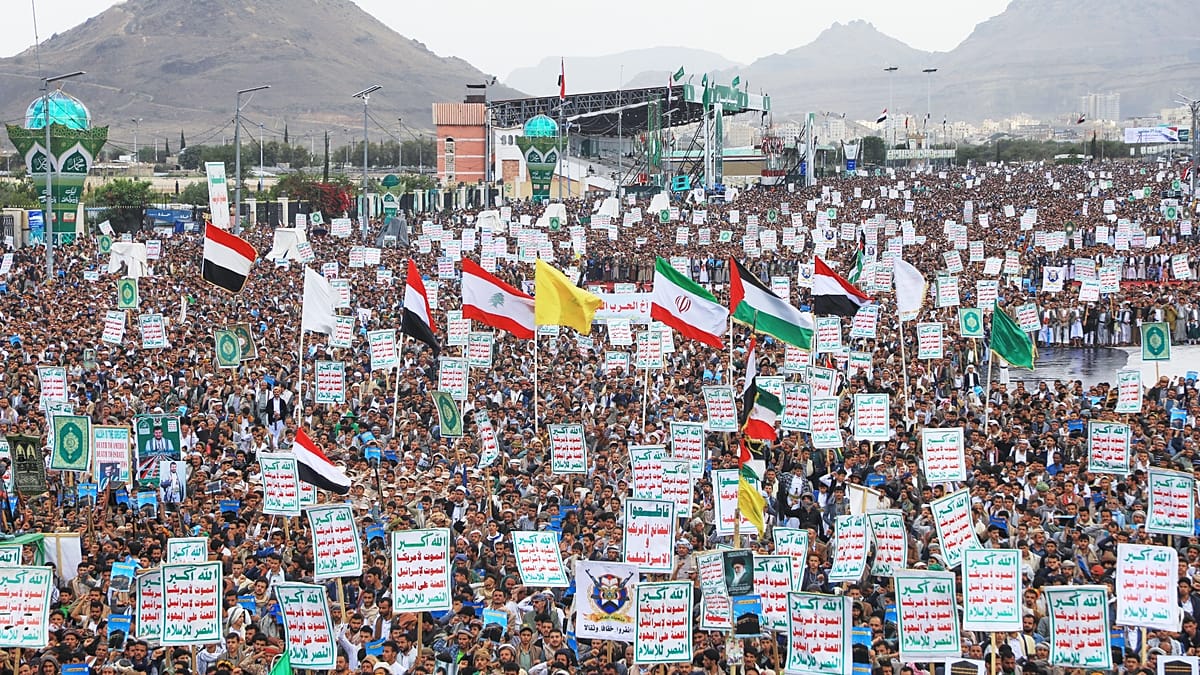
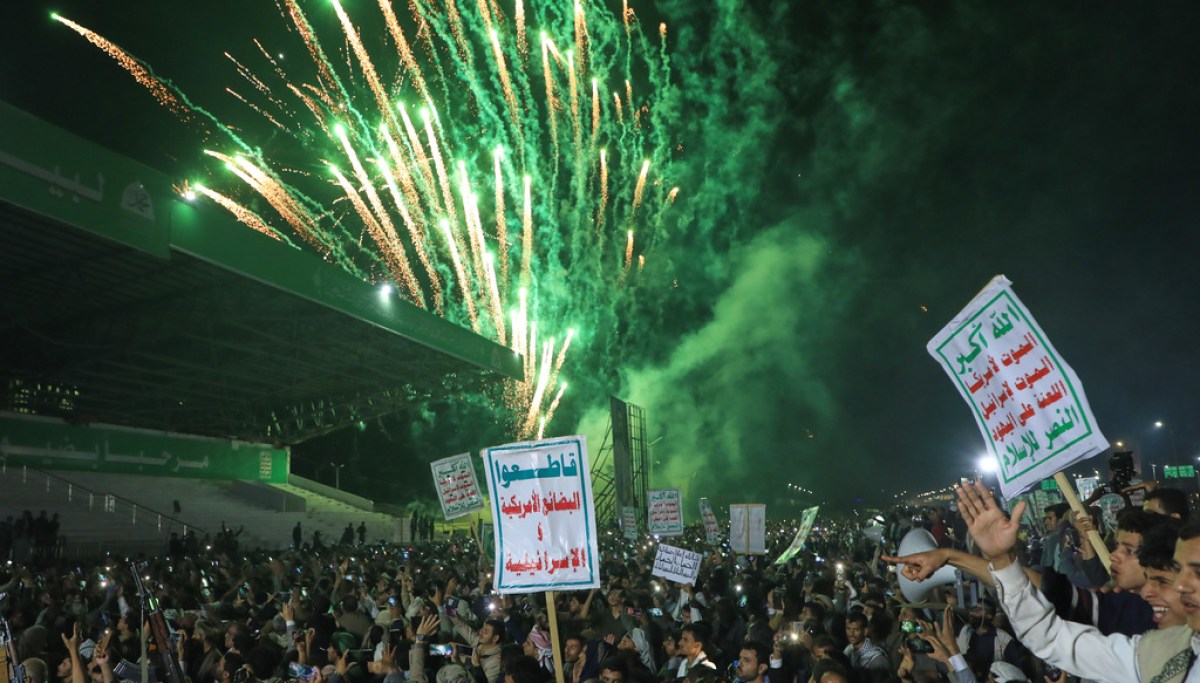
Saudi Arabia has been left alone to deal with the Houthi threat, with President Trump and the kingdom’s allies suggesting it’s an internal problem and not an extension of the Iran War — even as the group’s renewed attacks threaten the global oil supply.
asserted
attacks → leave → supply
Despite years of building security alliances with the US, its Gulf neighbors and regional powers like Turkey and Pakistan, no one is rushing to aid Riyadh as it fends off attacks on its cities and critical pipelines and refineries.
asserted
it → build → cities
There are two reasons, analysts say.
asserted
analysts → be → ?
First, nobody is eager to get dragged into a new fight with the Iran-backed Yemeni terror group.
asserted
nobody → drag → group
Second, the bad blood between the Saudis and the Houthis along their southern border has been raging for years — long before the Iran war.
asserted
blood → rag → war
“For the Gulf allies, they are likely concerned about being on the receiving end of Iranian and Houthi retaliation,” Mona Yacoubian, director of the Center for Strategic and International Studies’ Middle East Program, told The Post.
“They are reluctant to help at the risk of exposing their civilian and energy infrastructure to the attacks we’ve seen so far,” she added.
asserted
she → receive → attacks
Turkey and Pakistan — which signed the Mecca Agreement in August vowing to defend Riyadh in case of an attack — have also declined to step up even after a Houthi drone was intercepted near the holy city.
asserted
drone → sign → city
Both Muslim-majority nations have large and formidable militaries and have vowed to defend the nation that is home to Islam’s holiest site.
But, nuclear-armed Pakistan has argued that the current fighting in Yemen and Saudi Arabia are part of the “pre-existing” Yemeni civil war that predated the Mecca Agreement and therefore does not require allies to respond.
asserted
that → have → allies
Yemen had endured a bloody conflict between the Houthis and the country’s Saudi-backed government for years before settling into a cease-fire in 2012.
asserted
Yemen → endure → 2012
Saudi Arabia, a nation of 36 million, has modern military equipment — including American F-35 Strike Eagle fighter jets and hundreds of M1A2 Abrams tanks.
asserted
Arabia → have → tanks
But so far, it’s been able to quash the resurgence from the Houthis, who have recruited up to 350,000 fighters.
asserted
who → quash → fighters
The primary concerns for the US would be to avoid an escalation of the war in Iran and further risk US troops and assets stationed in the Middle East, Yacoubian said.
asserted
Yacoubian → avoid → East
The Soufan Center, a New York-based security consultant, said that US disinterest in helping, in particular, is a “worst-case scenario” for MBS.
asserted
disinterest → base → MBS
“Saudi de facto leader Crown Prince Mohammed bin Salman (MBS) never imagined the US security umbrella would falter,” a briefing publish Monday said.
asserted
briefing → imagine → ?
The Soufan report added: “its main strategic partner is unable or unwilling to fulfill its long-standing commitments to defend Saudi Arabia against attacks by Iran or Iran-backed groups, particularly the Houthi movement (Ansarallah) of Yemen.”
asserted
partner → add → Yemen
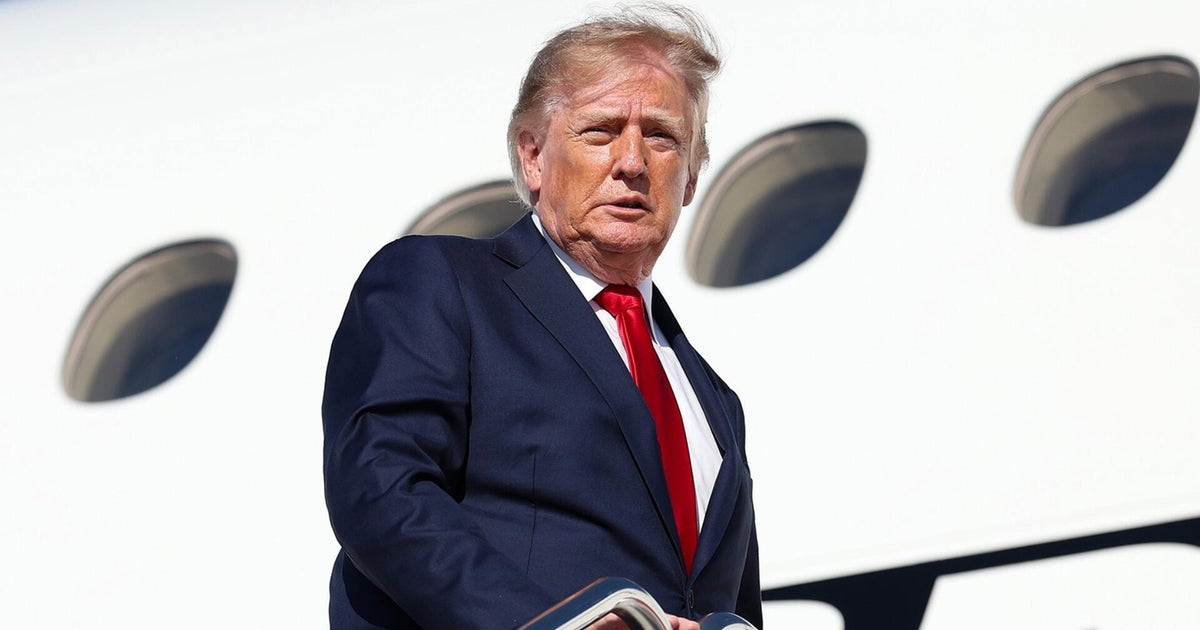
Trump said on Sunday that the Houthis assured him that they would not attack US interests in the region — suggesting that the ongoing conflict was not related to their Iranian paymasters.
asserted
conflict → say → paymasters
Saudi Arabia, which has also been focused on the Iran war, is running low on missile interceptors and has since asked France, Britain, Pakistan and Egypt for air support, regional officials told the Associated Press.
asserted
officials → focus → Press
The US, which is reportedly running low on missile interceptors, is set to sell 48 F-35 stealth fighter jets to the kingdom, but it would take several years before Saudi Arabia can get their hands on the aircraft.
uncertain
Arabia → run → aircraft
The Iran-backed terror group has also taken over the critical Bab al Mandeb Strait and disrupted flow along the Saudi East-West Pipeline that had been redirecting millions of barrels of oil a day away from the Strait of Hormuz.
asserted
that → back → Hormuz
The attacks caused major shocks to oil markets, with the price of crude per barrel soaring about $100 per barrel last week before dipping below the triple digits on Monday.
asserted
price → cause → Monday
The fact that the Houthis are aligned with Iran and that the Saudis are left alone to deal with the threat likely means that ending the conflict will not be easy, especially if the Islamic republic links it with a greater truce in the Middle East.
“We’ve seen Iran leverage peace with a cease-fire in Lebanon, and it could leverage what the Houthis are doing… and use that to seek greater concessions,” Yacoubian said.
uncertain
Yacoubian → align → concessions
It remains unclear whether the Houthis will fully align themselves with the Iranian cause, as the terror group has listed its priorities are in Yemen and ending Saudi influence in the country.
uncertain
priorities → remain → country
 The Aporia