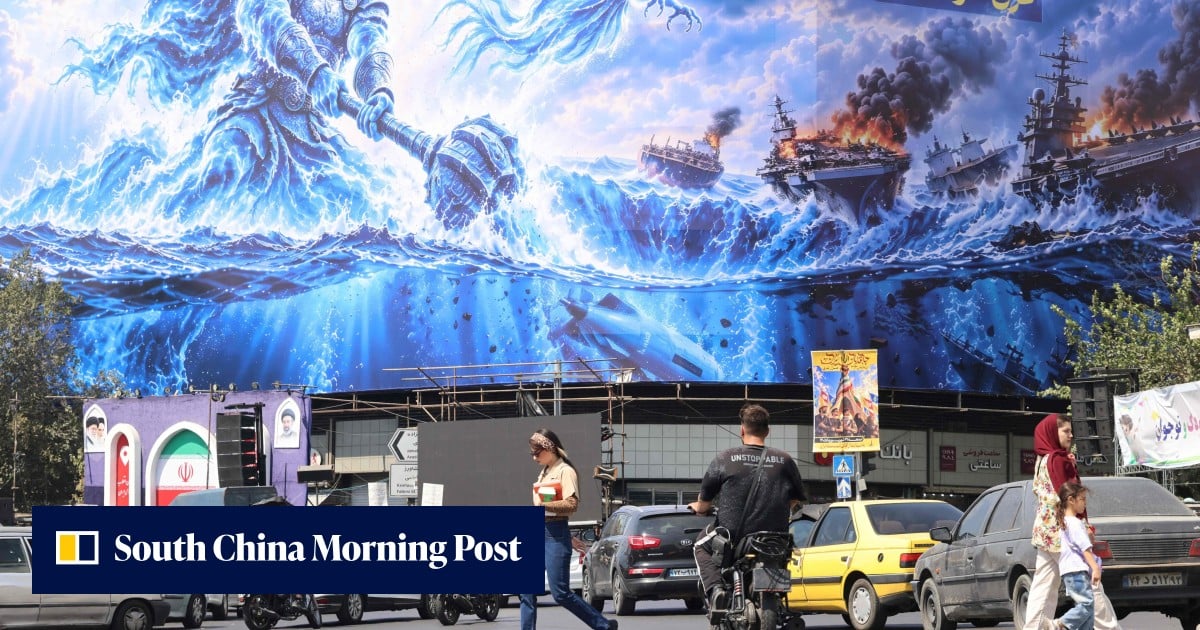
Saudi scrambles to solve ‘humiliating dilemma’ after US rejects Red Sea intervention

Read the original at South China Morning Post ↗
South China Morning Post · collected 2026-09-18 · by Tom Hussain

Quick Summary

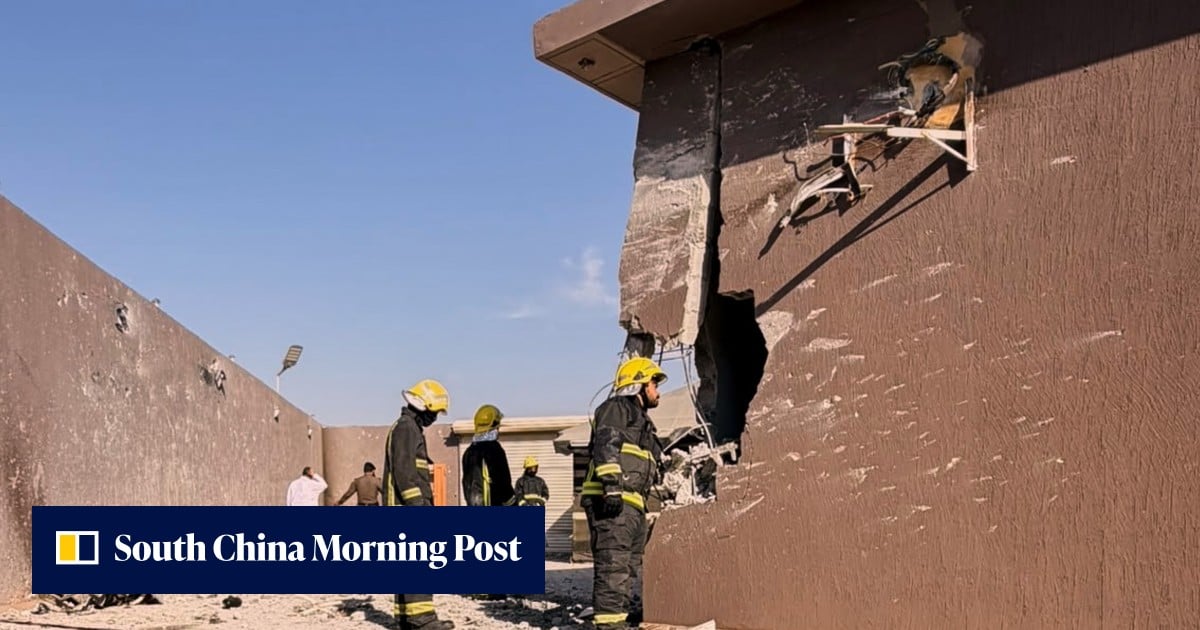
Saudi Arabia is facing a diplomatic challenge after the United States declined to intervene militarily against Houthi forces controlling Yemen’s Red Sea coast, a crucial trade route for Saudi exports to Asia. This decision has "deeply disturbed" Saudi leadership, according to Michael Ratney, former US ambassador to Saudi Arabia, who spoke at a webinar hosted by the Arab Gulf States Institute on September 12. The situation is further complicated by ongoing drone strikes from Iran-allied Iraqi militias that have damaged critical Saudi infrastructure, leading to the suspension of oil exports via the Red Sea pipeline.
Written locally by qwen2.5:14b on 2026-09-18, using this article's own text rather than the other coverage of the same event (that is the story summary below).

AI analysis runs on qwen2.5:14b, locally

Story summary

The Houthis, backed by Iran, are rapidly advancing in Yemen and threatening critical waterways like the Bab al-Mandeb strait. President Trump spoke with Yemen's president Rashad al-Alimi about the situation but did not pledge military support to his Saudi-backed government. The U.S. had prepared airstrikes against the Houthis at Riyadh’s request but ultimately canceled them, even as bombs were loaded onto planes. This decision reflects a reluctance by the U.S. to engage militarily in the region and highlights the complex geopolitical dynamics between the U.S., Iran, and Saudi Arabia. Yemen's government is seeking direct military aid from the U.S., fearing that without such support, the Houthis will continue to expand their control over strategic areas. The cancellation of airstrikes also underscores Trump’s strategy to reduce America’s entanglement in Middle Eastern conflicts. Despite this, tensions remain high as the Houthis push for more territory and threaten global shipping routes. Trump's decision to not intervene militarily is seen by some analysts as a necessary step to break a cycle of codependency between the U.S. and its Gulf allies. However, it also raises questions about how effectively these nations can defend themselves without American support.
Written for “Houthis Fighting in Yemen” on 2026-10-05, grounded in this article and the 17 other(s) covering the same event.

Signals How these are calculated →

Claims extracted
6
claim-shaped sentences
Uncertain
33%
2 of 6 hedged
Leaning
Leans left
of the writing, not the subject · beta estimate
Correction & hedging signals
66.6
corrections and hedging in what we collected; not a measure of accuracy
Outlets on this story
18
Politics
Narrative spread
1
articles carrying this framing
Analyzed 2026-09-18 · how these are computed

Story

📰 Houthis Fighting in Yemen
Politics · 18 article(s) covering the same event. See how they differ ↓

How this is being covered How these are calculated →

Article leaning vs. publisher reliability
Source leaning vs. consistency

Compared with similar articles

This article reads leans left and hedges 33% of its claims. Each row says how that neighbour differs.
The Straits Times
⚖️ leaning not scored 🔴 7% hedged 2 of 28 📰 publisher trust 59
“The articles describe different stages of a conflict involving Saudi Arabia and the Houthis, with Article A reporting on an attack that occurred on September 15th and Article B discussing a later US refusal to intervene in the crisis.”
South China Morning Post
⚖️ leaning not scored 🔴 0% hedged 0 of 1 📰 publisher trust 67
“The articles discuss different aspects of tensions between Iran and Saudi Arabia but describe separate events occurring at distinct times.”
The Guardian
⚖️ Leans left 🔴 6% hedged 2 of 36 📰 publisher trust 68
“Both articles describe US officials' decision against backing Saudi Arabia in Yemen after meeting Houthi leaders, directly impacting Saudi's strategic position and leading to a diplomatic dilemma.”
ABC News (AU)
⚖️ Leans left 🔴 0% hedged 0 of 1 📰 publisher trust 61
“The articles describe different aspects of the ongoing conflict; Article A reports on military actions and their impact on oil supplies, while Article B discusses diplomatic responses and the US's refusal to intervene.”
Fox News
⚖️ leaning not scored 🔴 0% hedged 0 of 30 📰 publisher trust 69
“While both articles discuss threats to Saudi oil production and the Houthi militia's actions near the Red Sea, they describe different aspects of an ongoing situation rather than the exact same incident.”
NPR
⚖️ Leans right further right than this 🔴 11% hedged 5 of 46 📰 publisher trust 60
“Both articles describe the Houthi militia's blockade and attacks on the Red Sea coast, impacting Saudi Arabia's maritime trade route and oil exports.”
Dialogue needed different event · 95%
Dawn
⚖️ Leans strongly left further left than this 🔴 9% hedged 2 of 22 📰 publisher trust 77
“The articles discuss different aspects of the broader conflict involving Saudi Arabia and the Houthi militia, rather than describing the exact same incident.”
Al Jazeera
⚖️ leaning not scored 🔴 18% hedged 3 of 17 📰 publisher trust 60
“The articles describe different incidents: the first discusses Saudi Arabia's diplomatic and strategic response to US refusal to intervene in Red Sea blockades, while the second reports on a missile interception attempt by the Saudi-led coalition against Houthis targeting Riyadh.”
Al Jazeera
⚖️ leaning not scored 🔴 13% hedged 2 of 15 📰 publisher trust 60
“The articles discuss different aspects and times related to Saudi Arabia's situation with the Houthis but do not describe the exact same incident.”
Dawn
⚖️ leaning not scored 🔴 12% hedged 2 of 17 📰 publisher trust 77
“The articles describe different events: Article A discusses Saudi Arabia's reaction to the US rejecting military intervention against Houthi militia blockades, while Article B is about Turkey offering military support to Saudi Arabia under a trilateral defence pact.”

Publisher

South China Morning Post · 1612 article(s) · 4 correction(s) detected
Running correction rate · 4 correction(s)
2026-10-04
Flight to Okinawa diverts back to Hong Kong after suspected landing gear fault
2026-10-04
Tennessee prisons chief resigning after botched execution of Christa Pike
2026-09-29
Indonesian prison chief suspended over secret VIP compound for inmates
2026-09-28
Trump ‘arms offer’ to China jolts Washington into moves to contain the fallout

Who wrote this

Tom Hussain
5 article(s) here · 1 carrying a prediction
🔮 Pakistani troops are expected to take over various defensive functions for Saudi Arabia to enable the Middle East country to fight an all-out war aimed at defeating Yemen’s Iran-backed Houthi rebels.
🔮 Trump’s belief that all would be “fine and dandy” contrasted starkly with the suspension of Saudi oil exports from the Red Sea the same day, after drone strikes by Iran-allied Iraqi militias badly damaged the east-west pipeline that had enabled the kingdom to bypass Hormuz since the Iran war erupted on February 28.
🔮 Why the Middle East could be entering a new nuclear age
🔮 Most of the 229 per cent budget increase will fund domestic arms production as Ankara seeks to cut reliance on the West Announcing the plan on Sunday, Vice-President Cevdet Yilmaz said the aim was to ensure Turkey “develops its own technologies in the defence industry, can meet its own needs and produces high added value”.
Also by Tom Hussain
Nothing else under this byline is closely related to this article, so these are simply their most recent.

Topics

Houthi Iran Saudi Saudi Arabia the United States

Subjects

Iran GPE · 4× Houthi NORP · 2× Saudi NORP · 2× Saudi Arabia GPE · 2× Donald Trump PERSON · 1× Michael Ratney PERSON · 1× Riyadh GPE · 1× Saudi Arabia’s GPE · 1× Yemen GPE · 1× the United States GPE · 1×

Narrative

Trump’s belief that all would be “fine and dandy” contrasted starkly with the suspension of Saudi oil exports from the Red Sea the same day, after drone strikes by Iran-allied Iraqi militias badly damaged the east-west pipeline that had enabled the kingdom to bypass Hormuz since the Iran war erupted on February 28.
framing: mixed · carried by 1 article(s) · first seen 2026-09-18
🔮 Trump’s belief that all would be “fine and dandy” contrasted starkly with the suspension of Saudi oil exports from the Red Sea the same day, after drone strikes by Iran-allied Iraqi militias badly damaged the east-west pipeline that had enabled the kingdom to bypass Hormuz since the Iran war erupted on February 28.

Claims (6 extracted, 2 hedged)

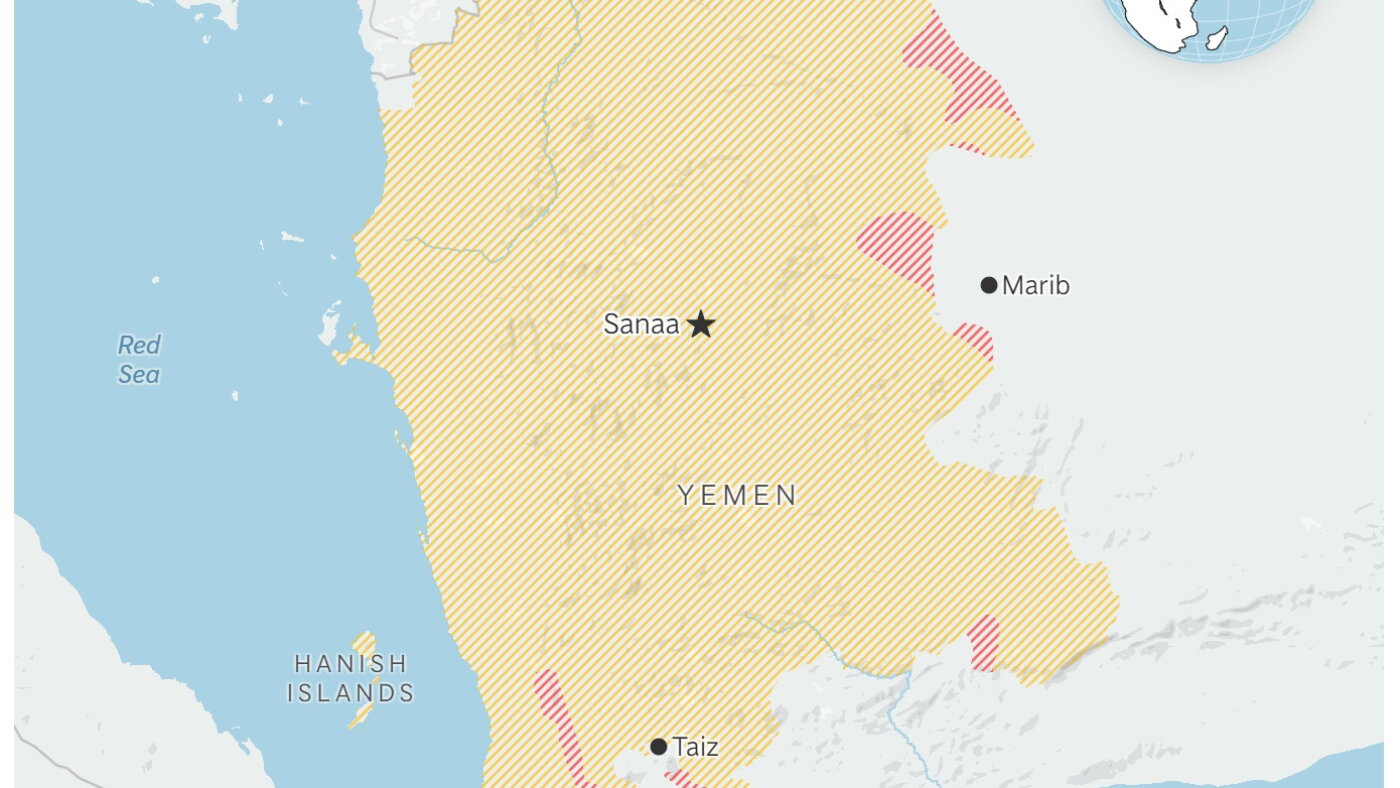
Saudi Arabia faces a “humiliating dilemma” after the United States refused to militarily intervene to prevent the Iran-aligned Houthi militia from tightening its blockade of the kingdom’s key backup maritime trade route with Asia, according to analysts. uncertain
States → face → analysts
US President Donald Trump on September 12 dismissed the Houthi seizure of Yemen’s entire Red Sea coast as a problem that “only affects one country”. asserted
that → dismiss → country
Iran has already blockaded the Straits of Hormuz, Saudi Arabia’s main oil and petrochemicals export lane from the Gulf. asserted
Iran → blockade → Gulf
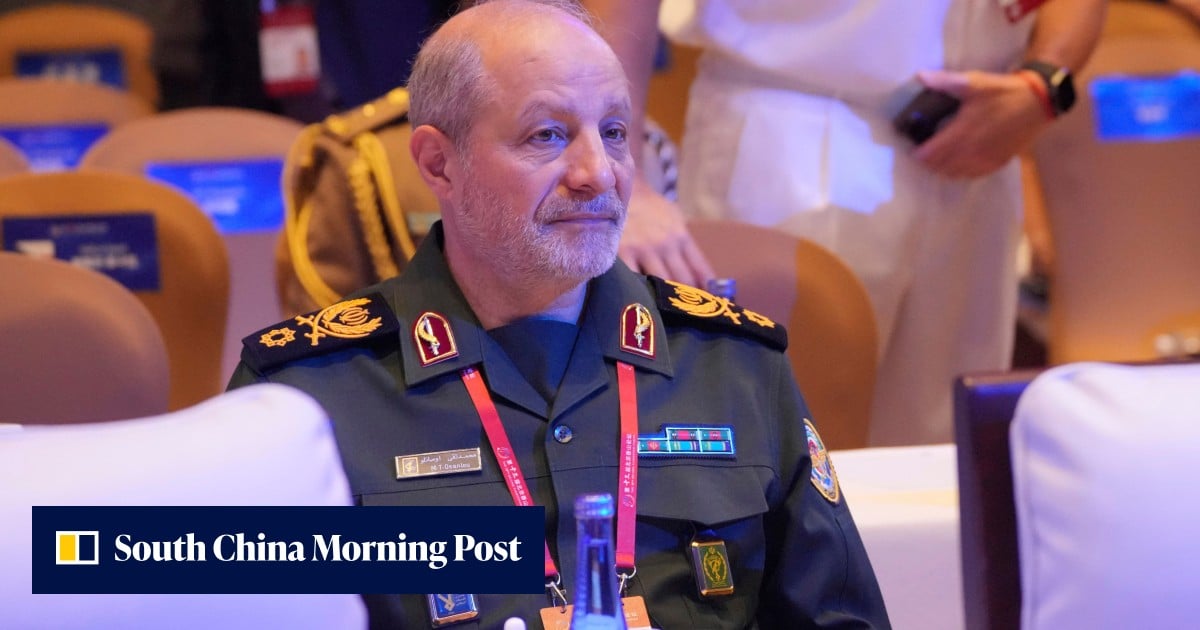
This stance has “deeply disturbed” the Saudi leadership, according to Michael Ratney, a former US ambassador to Saudi Arabia. uncertain
stance → disturb → Arabia
It was “deeply frustrating, to say the least” for Riyadh, Ratney said at a webinar hosted by the Washington-based Arab Gulf States Institute on Wednesday. asserted
Ratney → say → Wednesday
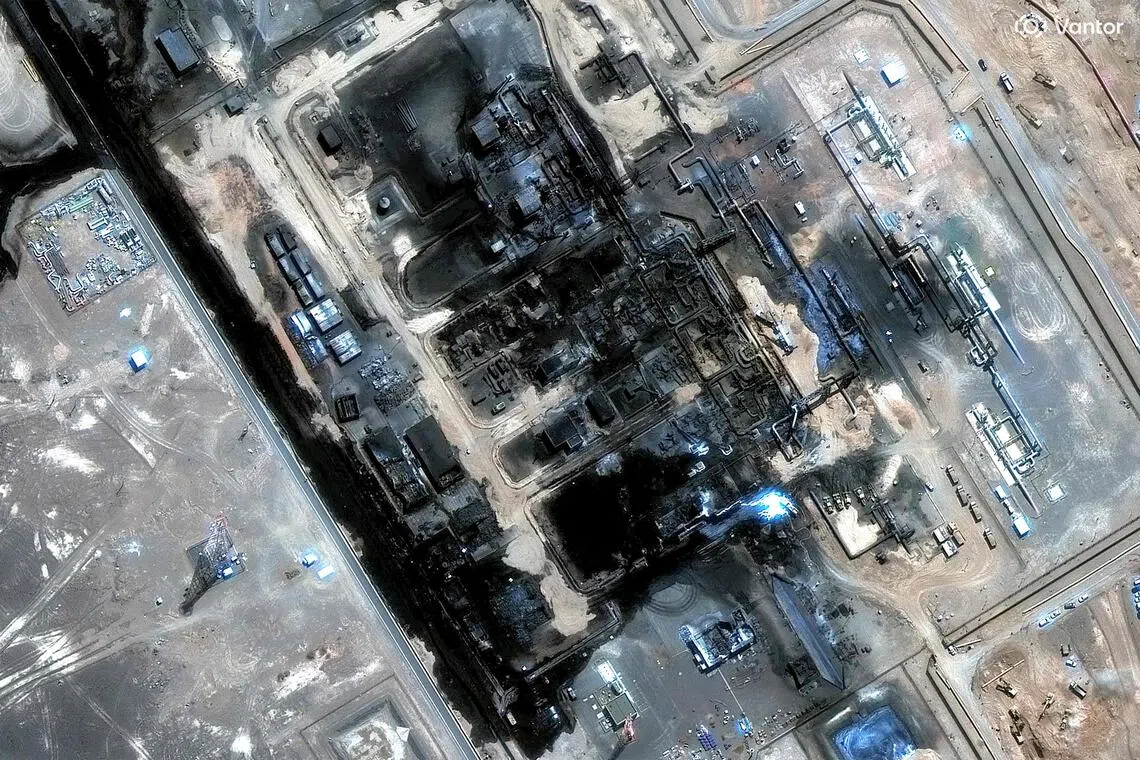
Trump’s belief that all would be “fine and dandy” contrasted starkly with the suspension of Saudi oil exports from the Red Sea the same day, after drone strikes by Iran-allied Iraqi militias badly damaged the east-west pipeline that had enabled the kingdom to bypass Hormuz since the Iran war erupted on February 28. asserted
war → contrast → February
💬Give feedback
🕘History 🎫Support