US, China trade teams set to huddle in New York on tariffs, AI and Iran
AI generated
asserted
teams → set → AI
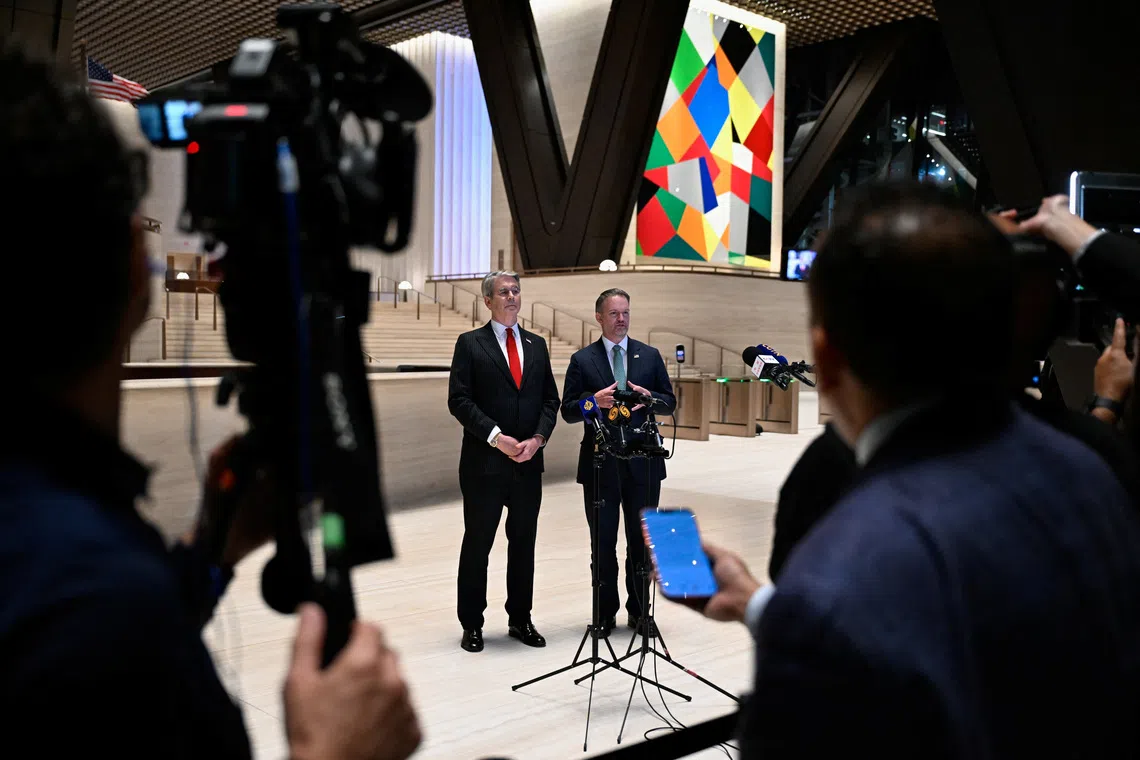
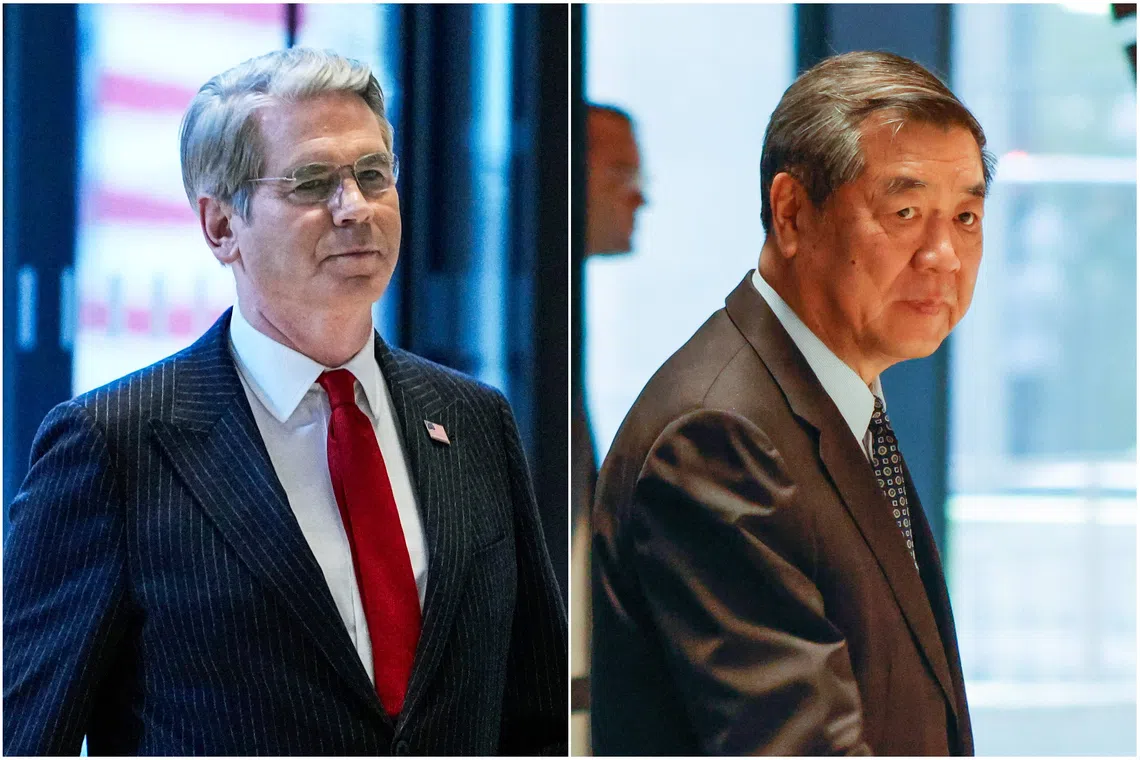
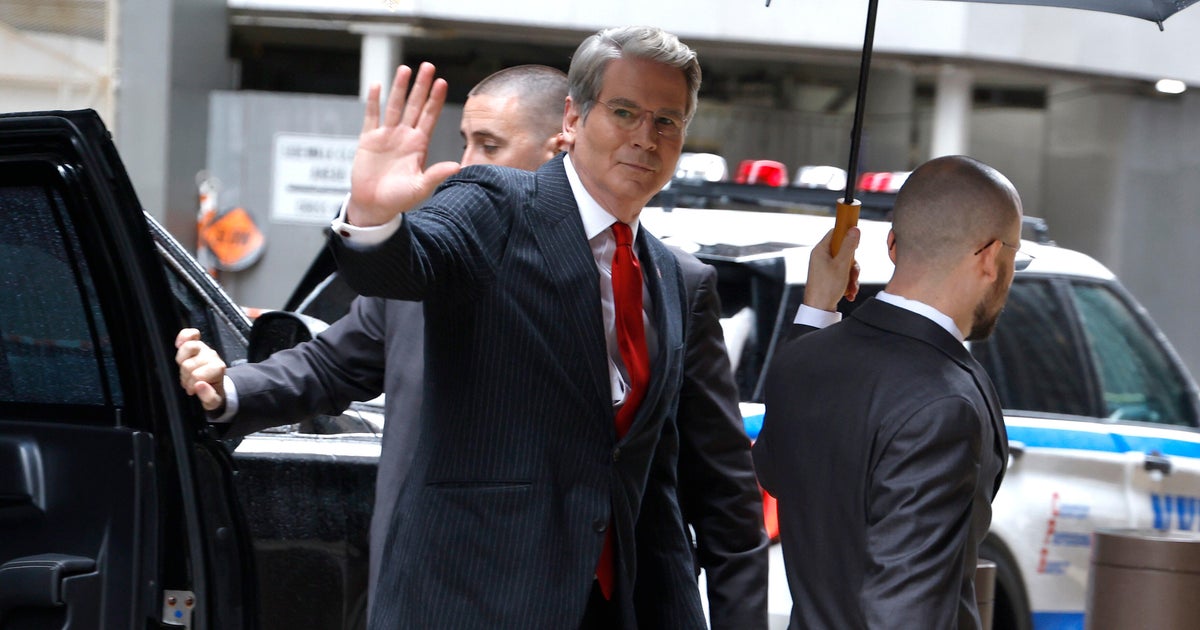
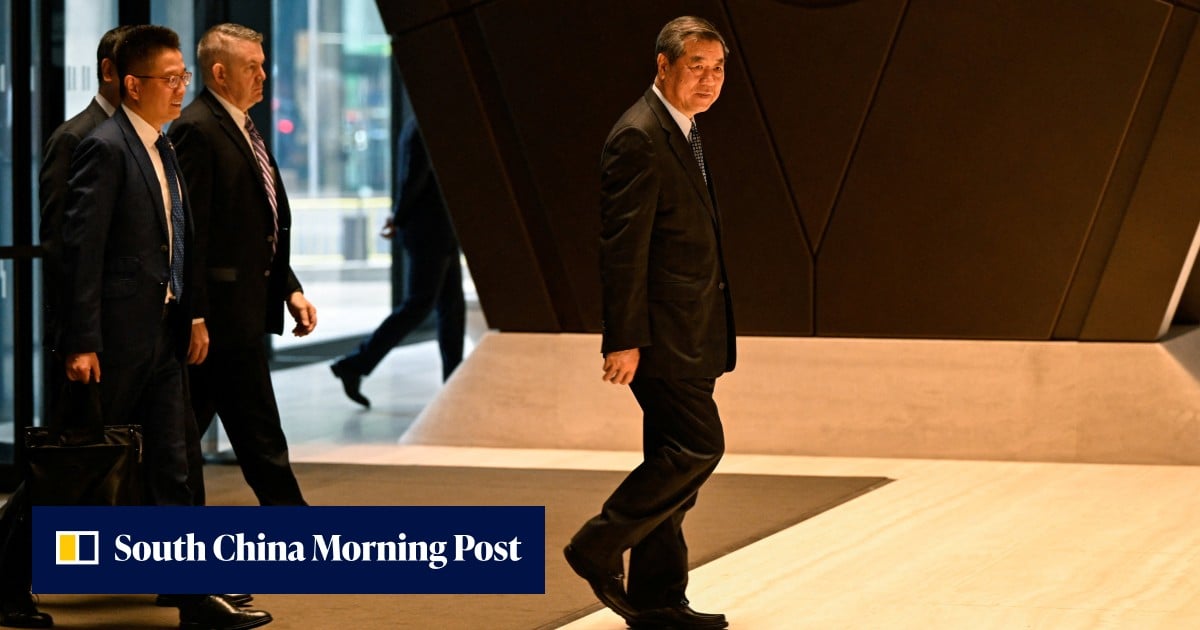
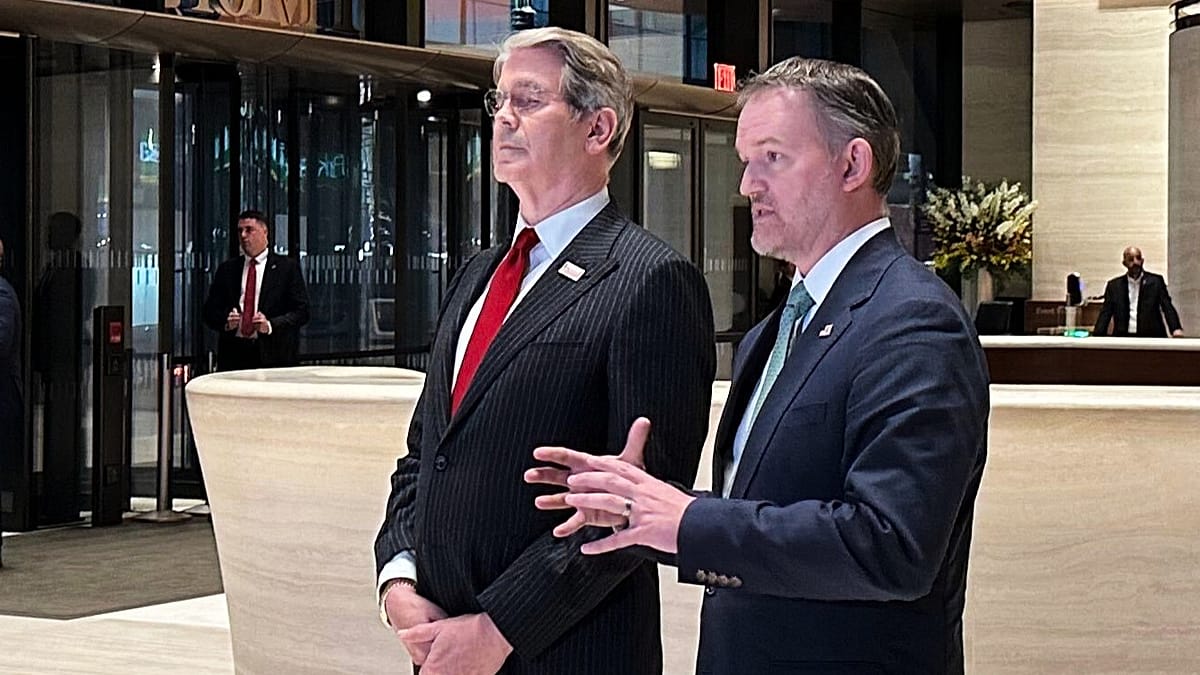
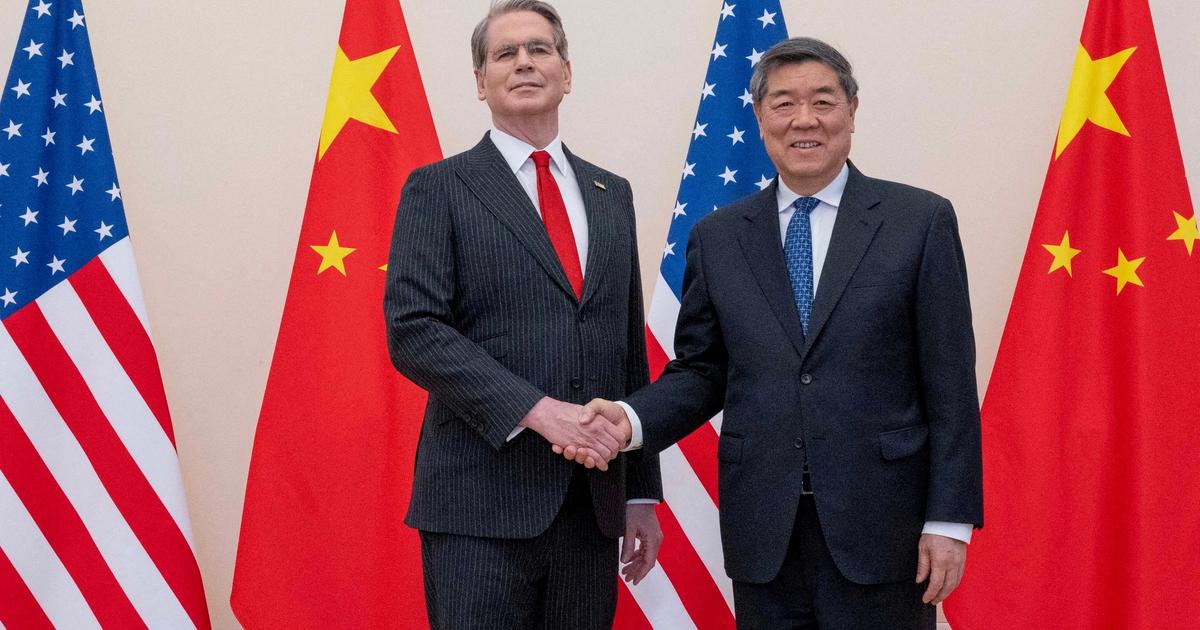
US Treasury Secretary Scott Bessent and China’s Vice-Premier He Lifeng will lead talks on trade and other pressure points on Sept 20 in New York ahead of next week’s summit between the leaders of the world’s two biggest economies.
asserted
Bessent → lead → economies
The negotiators will lay the groundwork for a high-profile meeting between US President Donald Trump and Chinese President Xi Jinping on Sept 24 in Washington.
asserted
negotiators → lay → Washington
Bessent and He last met face-to-face near Seoul four months ago, just days before Trump visited Beijing in May.
uncertain
Trump → meet → May
Energy disruptions from the Iran war, the artificial intelligence boom, and trade and investment are likely to top the agenda, as both sides work to maintain stability in a tariff truce that expires in November.
asserted
that → top → November
Adding urgency for US officials to extend the deal are Nov 3 midterm elections where inflation is a persistent voter concern.
asserted
inflation → add → deal
The US is “at a stage with China where efforts to try and transform this relationship and strengthen it are no longer top of list”, said Wendy Cutler, senior vice-president at the Asia Society Policy Institute.
asserted
Cutler → try → Institute
The objective is more about “trying to keep things stable, keep things from escalating and try to, in practical terms, keep the trade truce that was reached in Busan in place”, she said.
asserted
she → try → place
US Trade Representative Jamieson Greer will also attend talks, according to a statement from his office.
uncertain
Greer → attend → office
“The Trump Administration will continue to pursue balanced trade with China by monitoring the implementation of recent commitments, optimising trade in non-sensitive goods, and improving market access for American farmers, manufacturers, and workers,” he said in the statement late on Sept 18.
asserted
he → continue → Sept
An announcement of new US tariffs over allegations of trading partners’ excess manufacturing capacity has been delayed until after the meeting, according to people familiar with the matter.
“Both sides want to avoid another flare-up, and relative stability in the relationship is likely to continue,” Nicole Gorton-Caratelli, Adam Farrar and Maeva Cousin of Bloomberg Economics wrote in a research note this week.
uncertain
Caratelli → trade → note
“But as the US rebuilds its tariff wall, the risk of renewed escalation remains.
asserted
risk → rebuild → escalation
The US and China have been working to reduce levies on American energy and agricultural products, Bloomberg reported earlier, part of a broader initiative to ease barriers on US$30 billion (S$38 billion) worth of products from each side under the Board of Trade mechanism launched earlier in 2026.
asserted
Bloomberg → work → 2026
Export rebound
Chinese exports to the US have rebounded in 2026, showing the limits of Trump’s tariffs but also reflecting a surge in demand for AI-related electronics produced by China.
asserted
exports → rebound → China
The New York talks are taking place ahead of the United Nations General Assembly meeting held in the city later next week.
Bessent and He have held a series of discussions over the past 18 months, mostly in a third country to portray a sense of neutrality.
asserted
Bessent → take → neutrality
Whether the meeting in New York signals greater trust or merely convenience given the UN meeting, it also suggests the next round will be in China for the sake of reciprocity.
uncertain
round → signal → reciprocity
Bloomberg reported earlier this week that Chinese officials were considering BYD for a possible business delegation joining Xi at the summit, a potentially provocative move given Trump’s tariffs on Chinese-made electric vehicles.
asserted
officials → report → vehicles
Trump has suggested he might be willing to allow a Chinese car company to build in the US, if it did so with American workers.
uncertain
it → suggest → workers
One Chinese official familiar with planning for the meeting said China’s top issue would be Taiwan, particularly a planned US weapons sale.
asserted
issue → plan → meeting
Easier discussions will be held around tariffs and agricultural products like soybeans, while AI, autos, technology and e-commerce will feature on the agenda, said the official, who asked for anonymity to discuss private conversations.
asserted
who → hold → conversations
The official added that China would offer more permits for rare earths as a bargaining chip, without disclosing details on what Beijing would seek in return.
asserted
Beijing → add → return
Maintaining flows of Chinese rare-earth magnets was a priority for Trump when he agreed to a truce in 2025.
asserted
he → maintain → 2025
Since then, China’s monthly exports of the critical industrial components have been running substantially below the levels that prevailed before Beijing imposed export controls in April 2025.
asserted
Beijing → run → April
In recent weeks, AI has rapidly emerged as a new fault line between the US and China.
asserted
AI → emerge → US
‘Fear-mongering’
Washington has restricted China’s access to advanced chips and accused Chinese firms of developing their own domestic models by “distilling” capabilities from American tech.
asserted
Washington → restrict → tech
Beijing has pushed back on calls from US tech leaders to pace AI development in the interest of safety, with the country’s foreign ministry dismissing such moves as “fear-mongering” and state media denouncing them as “self-serving”.
asserted
media → push → them
“As the No. 1 and No. 2 superpowers in AI by a lot, it behooves all of us to put up guardrails, to have close communication,” Bessent told reporters earlier in September.
asserted
Bessent → behoove → September
In a statement to Axios this week, he said “we are open to discussions on avoiding shared risks and avoiding bifurcation of our two systems”.
asserted
we → say → systems
The US moves, Beijing says, are designed to contain its rise, and China refuses to let Washington take the lead on writing the rules for AI.
asserted
Washington → say → AI
A more immediate threat to both economies is the energy shock, and the White House has stepped up pressure on Iran and its trading partners.
asserted
House → step → Iran
China provides Tehran with an economic lifeline as the biggest buyer of Iranian oil.
asserted
China → provide → oil
Boosting sanctions
Bessent’s Treasury Department is ratcheting up pressure on financial institutions as part of its effort to choke off trade and financial flows between Iran and the rest of the world, fuelling speculation that Chinese banks could be targeted.
uncertain
banks → boost → speculation
Bessent said during testimony to the House financial services committee earlier this week that he has had “private discussions” with Chinese officials on the issue and hopes to make further progress during the upcoming talks this weekend.
asserted
he → say → talks
A US naval blockade has sharply curtailed crude oil flows to China, raising the prospect of refinery run cuts in the coming weeks across the teapot sector, which makes up one-third of national refining capacity.
asserted
which → curtail → capacity
“China has an interest in reopening Hormuz, but limited leverage to force either side to change course,” said Jesse Marks, founder of Rihla Research & Advisory and former Middle East policy adviser in the US government.
asserted
Marks → have → government
“The longer the strait remains closed, the more US sanctions and the wider disruption to regional trade will begin to cut into China’s own economic interests in Iran.”
asserted
sanctions → remain → Iran
 The Aporia