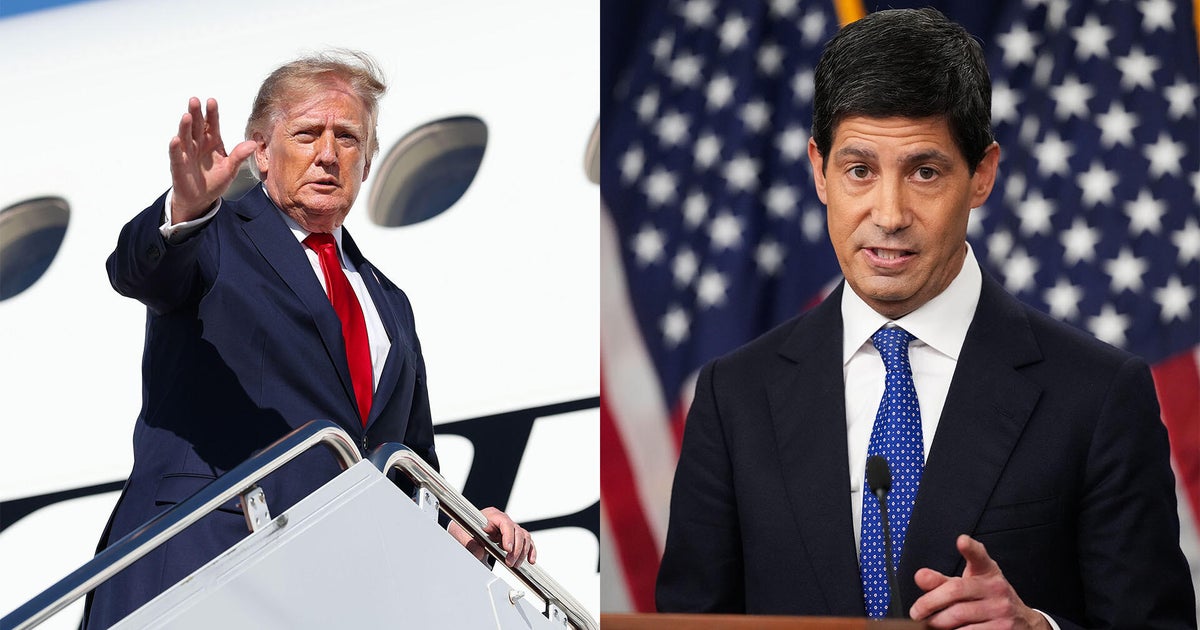
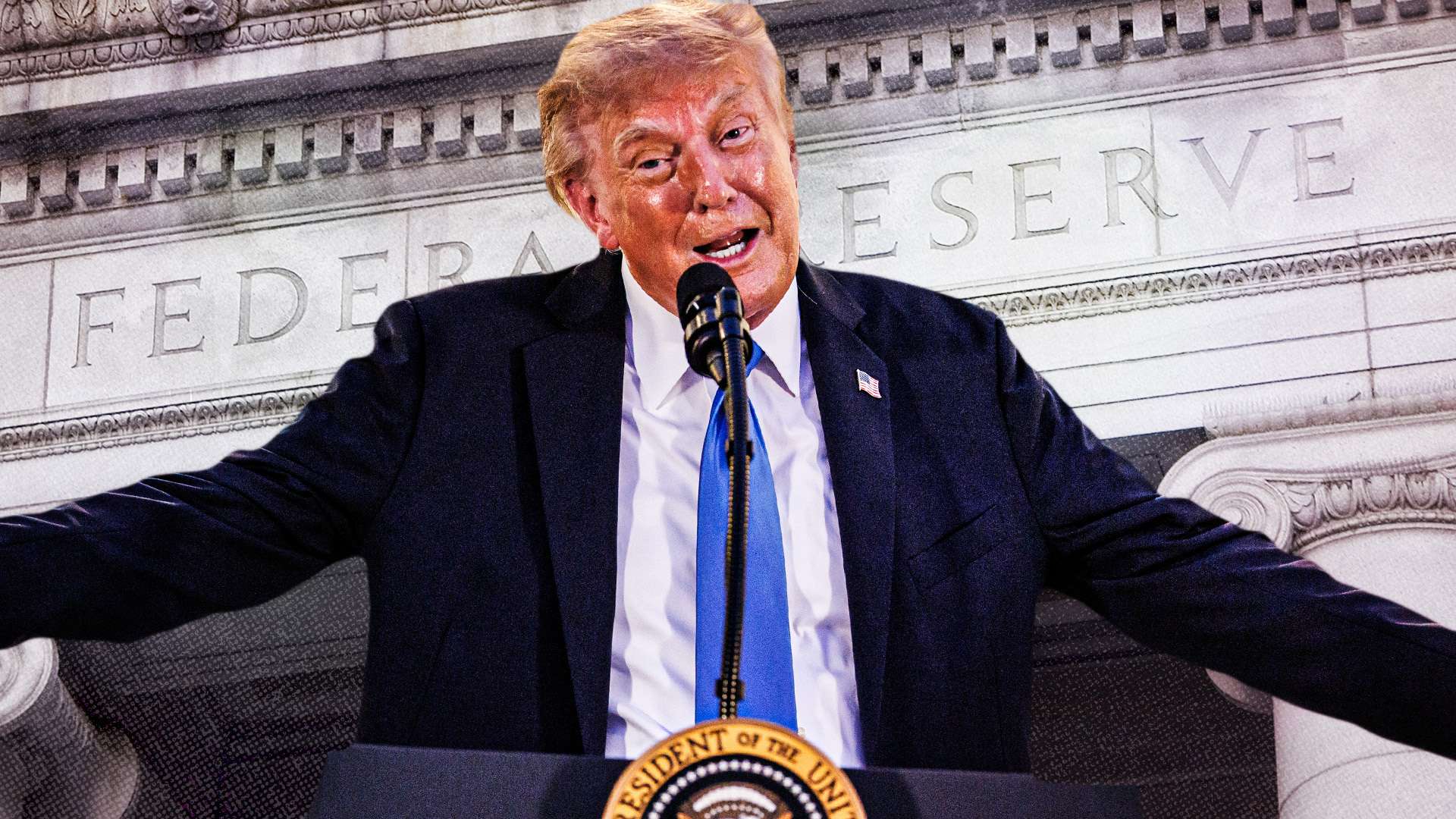
Ever wonder how the Fed's interest rate actually works? We've got answers

Read the original at NPR ↗
NPR · collected 2026-09-19 · by Rafael Nam

Quick Summary

The Federal Reserve recently raised interest rates by a quarter percentage point in an attempt to curb rising inflation. The article explains that the Fed's primary responsibilities are maintaining price stability and achieving maximum employment, often requiring difficult trade-offs between these goals. It details how adjusting interest rates is a key tool for influencing economic activity: raising rates slows down spending and reduces inflation, while lowering them stimulates borrowing and spending.
Written locally by qwen2.5:14b on 2026-09-19, using this article's own text rather than the other coverage of the same event (that is the story summary below).

AI analysis runs on qwen2.5:14b, locally

Story summary

On September 16, 2023, the Federal Reserve is expected to raise its benchmark interest rate by 25 basis points to a range between 3.75% and 4.00%, according to predictions from financial analysts like CME Group's FedWatch tool. This move reflects growing concerns over inflation, which has risen above the central bank’s target of 2%, despite previous attempts at stabilization. The decision comes amid pressure from President Donald Trump for lower rates and economic turbulence due to rising oil prices following conflicts in the Middle East, pushing crude costs past $100 per barrel. Despite political tensions, financial markets overwhelmingly anticipate a rate hike to combat inflation, with some economists predicting additional increases before year-end to achieve a “timelier return” to the 2% target.

Written for “Fed Interest Rate Hike” on 2026-10-14, grounded in this article and the 55 other(s) covering the same event.

Story

📰 Fed Interest Rate Hike
Economy/Business · 56 article(s) covering the same event. Compare every outlet's account →

Compared with similar articles

This article reads unscored and hedges 7% of its claims. Each row says how that neighbour differs.
CBS News
⚖️ leaning not scored 🔴 33% hedged 1 of 3 📰 publisher trust 66
“The articles discuss different aspects of the Federal Reserve's interest rate actions; Article A specifically mentions an expected rate hike in September 2026, while Article B provides a general explanation of how the Fed raises rates and its impact on the economy.”
Fed raises interest rates different event · 95%
NBC News
⚖️ leaning not scored 🔴 no claims extracted 📰 publisher trust 95
“Article A reports on a specific Fed interest rate decision and raise action, while Article B provides an explanatory article about how the Fed's interest rates work in general.”
The Sydney Morning Herald
⚖️ leaning not scored 🔴 5% hedged 1 of 20 📰 publisher trust 61
“The articles discuss different aspects of economic conditions and decisions by central banks, but do not describe the same specific event or incident.”
CBS News
⚖️ leaning not scored 🔴 0% hedged 0 of 2 📰 publisher trust 66
“Article A reports on a specific Federal Reserve interest rate hike in September 2026, while Article B provides an explanatory overview of how Fed interest rates work and does not focus on a particular event.”
Toronto Star
⚖️ Leans left 🔴 3% hedged 1 of 32 📰 publisher trust 63
“Both articles discuss the Federal Reserve's interest rate hike on a specific Wednesday, indicating they are reporting on the same exact incident.”
Best Credit in the World different event · 85%
Reason
⚖️ leaning not scored 🔴 15% hedged 6 of 40 📰 publisher trust 66
“Article A describes a specific rate hike decision by the Federal Reserve on September 17, while Article B explains in general how interest rates work and mentions the Fed raising rates 'on Wednesday' without specifying it as the same event.”
CBS News
⚖️ Leans right 🔴 10% hedged 3 of 29 📰 publisher trust 66
“While both articles discuss a recent Federal Reserve rate hike, ARTICLE A focuses on the specific economic impact and reactions from Wednesday's meeting, whereas ARTICLE B provides general information about how interest rates work.”
Fox News
⚖️ Leans left 🔴 6% hedged 5 of 81 📰 publisher trust 70
“Both articles discuss the Federal Reserve raising interest rates, but they are written on different days and focus on different aspects of the event. Article A focuses on the implications for the economy and upcoming midterms, while Article B explains how the Fed's interest rate works.”
Washington Examiner
⚖️ Leans left 🔴 14% hedged 4 of 28 📰 publisher trust 68
“While both articles discuss the Federal Reserve's decision to raise interest rates on the same day, Article A focuses on the announcement and its perceived impact on ordinary people, while Article B explains how the interest rate mechanism works in general. They are covering related topics but not describing the exact same specific incident.”
ABC News (AU)
⚖️ Leans left 🔴 7% hedged 2 of 27 📰 publisher trust 61
“Article A reports on a specific Fed rate hike decision and its potential impact, while Article B provides an explanatory overview of how interest rates work in response to the recent rate change.”

Cite this article

Nam, R. (2026, September 19). Ever wonder how the Fed's interest rate actually works? We've got answers. NPR. https://www.npr.org/2026/09/19/nx-s1-5969816/federal-reserve-interest-rate-inflation-economy

Dated when The Aporia collected the article, usually within hours of publication. Check the original for its exact date and byline.

How this article was measured signals, leaning charts, publisher record, byline, topics and claims

Signals How these are calculated →

Claims extracted
44
sentences that state something as happening or true
Uncertain
7%
3 of 44 hedged ("reportedly", "may", "according to")
Leaning
not political
takes no side on a contested political question
Publisher signals
60/100
NPR's corrections and hedging, across everything collected from it. Not a measure of accuracy.
Outlets on this story
56
Economy/Business
Same framing elsewhere
1
articles that frame the event the way this one does
Analyzed 2026-09-19 · how these are computed

How this is being covered How these are calculated →

Article leaning vs. publisher reliability
Source leaning vs. consistency

Publisher

NPR · 693 article(s) · 3 correction(s) detected
Running correction rate · 3 correction(s)

Who wrote this

Rafael Nam
3 article(s) here · 1 carrying a prediction
🔮 People might think a little harder about whether to buy a home if mortgage rates are higher — or whether to take that business loan if banks are charging more.
🔮 This bill could reshape crypto in America — and it's sparking a major battle
🔮 It's not too different from how a financial firm could decide to charge you a higher interest rate for a loan if it's worried about your ability to pay it back — or to lower your interest rate if it feels you are a good customer who's always on top of their bills.
Also by Rafael Nam
Nothing else under this byline is closely related to this article, so these are simply their most recent.

Topics

Fed the Federal Reserve's

Subjects

Fed ORG · 19× Jerome Powell PERSON · 1× Kevin Warsh PERSON · 1× Powell PERSON · 1× Warsh PERSON · 1× the Federal Reserve's ORG · 1×

Narrative

Analysts at LendingTree, an online loan marketplace, estimate that for someone with $7,000 in credit card debt, the Fed's rate hike would cost just a few extra dollars each month. But these higher borrowing costs come as Americans have already been struggling with the high cost of living.
framing: assertive · carried by 1 article(s) · first seen 2026-09-19
🔮 People might think a little harder about whether to buy a home if mortgage rates are higher — or whether to take that business loan if banks are charging more.

Claims (44 extracted, 3 hedged)

Ever wonder how the Fed's interest rate actually works? asserted
rate → wonder → ?
We've got answers asserted
We → get → answers
And on Wednesday, the Fed wielded it for the first time this year, raising rates by a quarter percentage point in a bid to slow down accelerating inflation. asserted
Fed → wield → inflation
But what does it mean when the Fed raises — or lowers — rates? asserted
Fed → mean → rates
And how does that affect the economy and all of us? asserted
that → affect → us
Here's how to understand it all. asserted
understand → understand → it
So what does the Fed actually do? asserted
Fed → do → what
The Fed really has two main jobs. asserted
Fed → have → jobs
The first is to ensure that prices remain stable, which generally means inflation that is neither too hot, nor too cold. asserted
that → ensure → inflation
The second job is to strive for an economy with maximum employment — meaning ensuring the labor market is growing at a healthy pace and people who want jobs can find them. asserted
who → strive → them
There are times when things are clicking in the economy and both of the two Fed mandates are at peace with each other. asserted
both → be → other
Inflation is just at the right temperature, meaning everyday prices are not rising too much, while the labor market is growing steadily, meaning people who want work can find them. asserted
who → mean → them
But more often than not, the Fed finds itself in a situation where it has to focus on one of the two — or worse: Both inflation and the labor market are flashing warning signs and policy makers have to confront the agonizing choice of which one to focus on first. asserted
makers → find → one
So how does the Fed accomplish its goals? asserted
Fed → accomplish → goals
The Fed has several tools at its disposal to try to influence the economy — but none is more important than the interest rate. asserted
none → have → rate
When inflation is running hot, the Fed typically springs into action by raising interest rates — just like it did this week. asserted
it → run → rates
Although the Fed doesn't directly control what firms charge for mortgages or credit cards, it's hoping that by raising its own interest rate, it can lead to a domino effect across the economy that can then push up many kinds of borrowing costs across the economy. asserted
that → control → economy
It's the equivalent of applying the brakes on the economy. asserted
It → apply → economy
The main goal is to try to cool down prices by trying to get people and businesses to think more carefully about their spending. asserted
people → try → spending
People might think a little harder about whether to buy a home if mortgage rates are higher — or whether to take that business loan if banks are charging more. uncertain
banks → think → more
On the flip side, when the Fed is concerned about the labor market and wants to push up economic activity, it cuts interest rates in the hopes that the opposite will happen. asserted
opposite → concern → hopes
It's the equivalent of trying to press on the accelerator for the economy. asserted
It → try → economy
Take what happened during the Covid-19 pandemic— the Fed, then led by Jerome Powell, was concerned that the pandemic would lead to massive layoffs. asserted
pandemic → take → layoffs
So Powell and the Fed slashed interest rates to near zero, hoping it would spur financial firms to charge less for loans or mortgages — and thus encourage more spending across the economy. asserted
it → slash → economy
It worked — until inflation began climbing and then the Fed had to do the opposite and start cutting rates. asserted
Fed → work → rates
So why is the Fed raising interest rates now? asserted
Fed → raise → rates
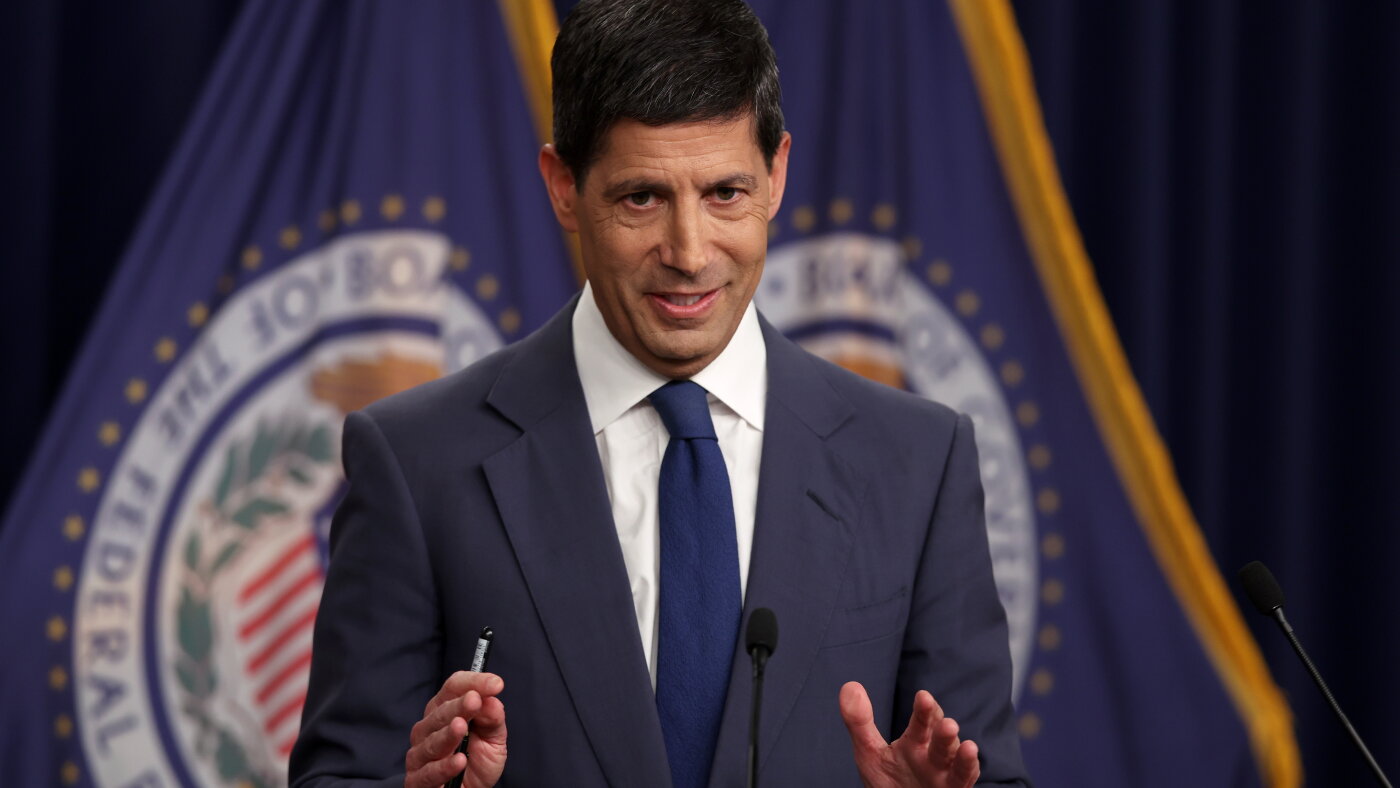
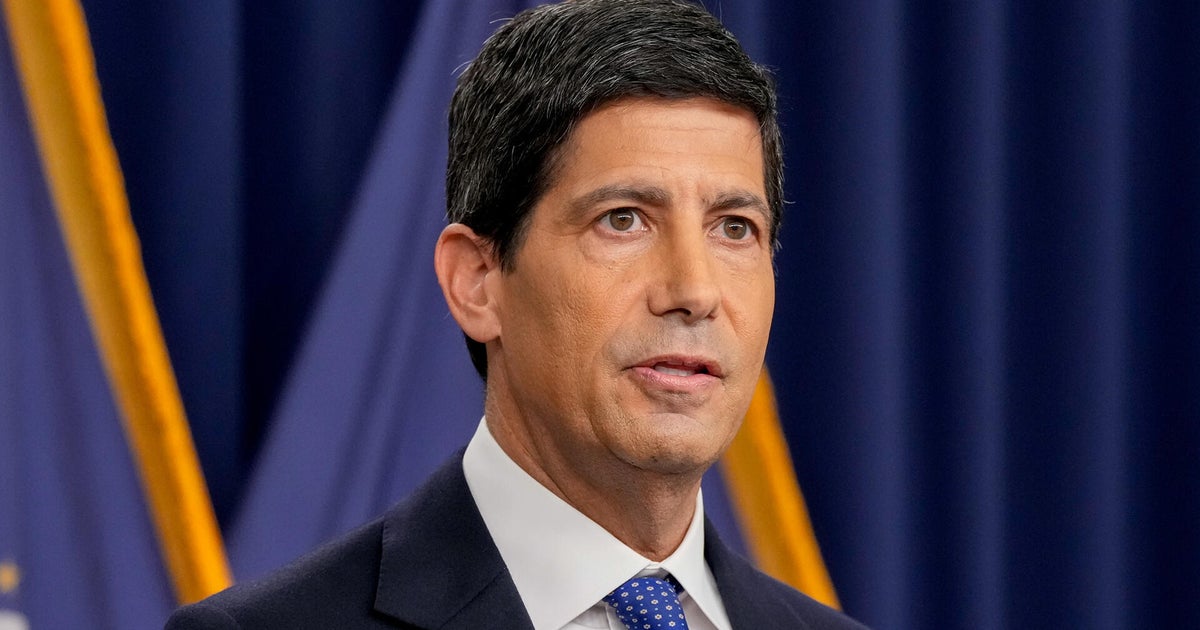
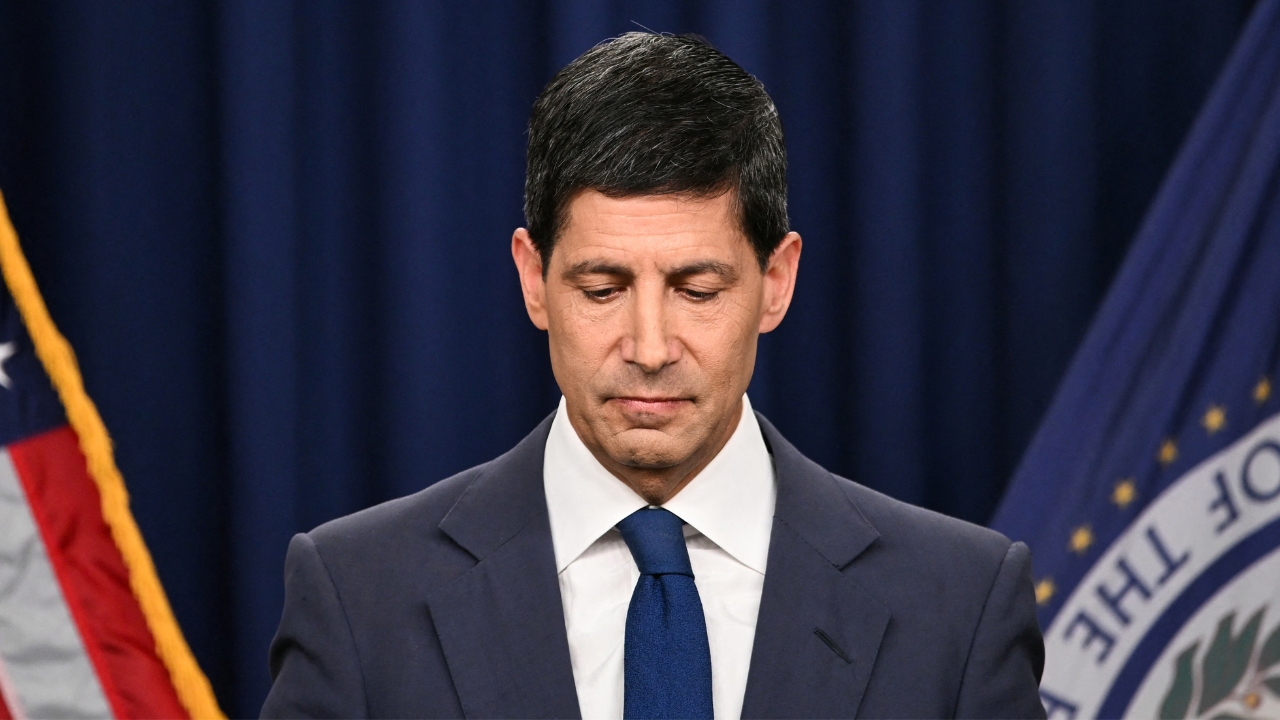
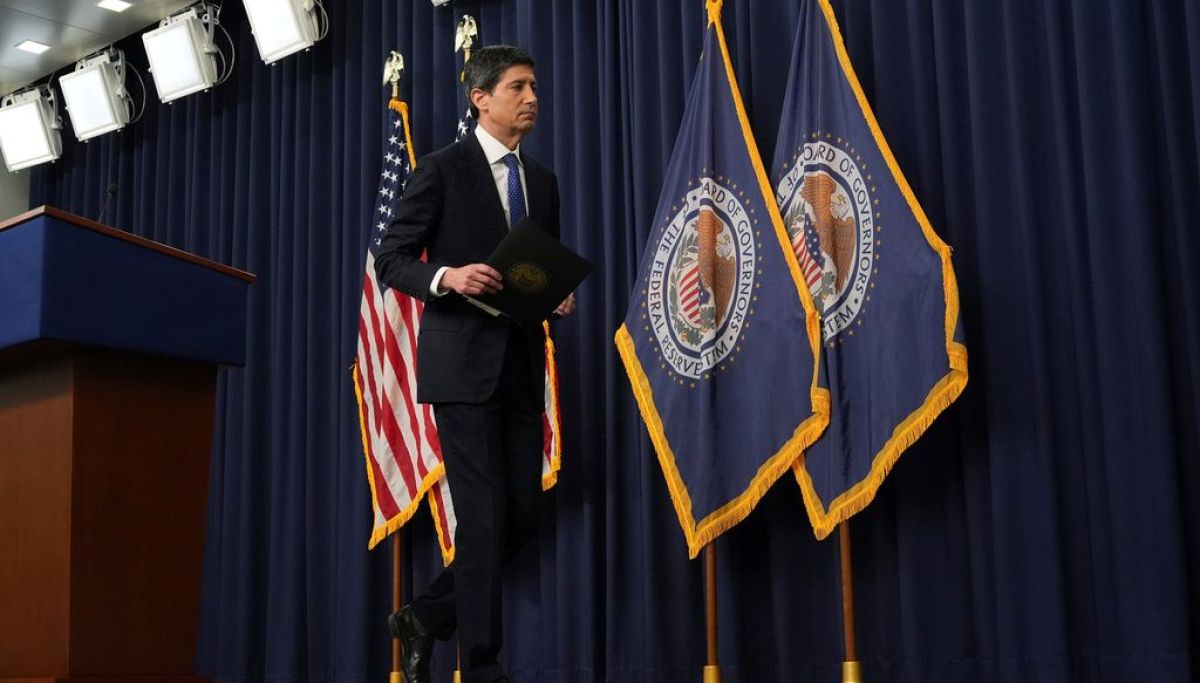
As Fed Chair Kevin Warsh said Wednesday, "The plain fact is that inflation is too high and has been for too long." asserted
inflation → say → long
Inflation has run above the Fed's 2% target for five years, and the central bank is not confident it would cool off without higher interest rates. asserted
it → run → rates
Warsh also made the case that it's the right moment to act with the economy strong enough to absorb the impact of what is ultimately a modest interest rate hike. asserted
what → make → impact
Consumer spending has been growing even as higher prices continue to pinch many households. asserted
prices → grow → households
And the job market appears to be on solid footing to weather higher borrowing costs without triggering a surge in layoffs. asserted
market → appear → layoffs
So what happens now in the economy – and our pocketbooks? asserted
what → happen → economy
The Fed's rate hike is small enough that it shouldn't have a dramatic effect — but it does come as many borrowing costs are already rising, partly in anticipation of higher interest rates. asserted
costs → have → rates
The average rate for a 30-year fixed rate mortgage jumped to 6.95% this week, almost two-tenths of a percent higher than a week earlier, according to mortgage giant Freddie Mac data out on Thursday. uncertain
rate → fix → Thursday
That's enough to increase the cost of a standard home loan by hundreds of dollars each month and further stall hopes of a recovery for the country's stagnant housing market. asserted
That → increase → market
"It's like that Godfather movie," said Kara Ng, senior economist at the real estate company Zillow. asserted
Ng → say → company
"Everytime it tries to break out, something pulls it back in." asserted
something → try → it
A higher interest rate also trickles down to the cost of carrying a balance on a credit card or a Buy Now Pay Later deal, though the moves are not as substantial as with mortgages. asserted
moves → trickle → mortgages
Analysts at LendingTree, an online loan marketplace, estimate that for someone with $7,000 in credit card debt, the Fed's rate hike would cost just a few extra dollars each month. But these higher borrowing costs come as Americans have already been struggling with the high cost of living. asserted
Americans → estimate → living
The Fed, though, is hoping that the added near-term pain to households will be worth it if it can eventually help bring down inflation. asserted
it → hop → inflation
…and 4 more, not listed.

💬Give feedback
🕘History 🎫Support