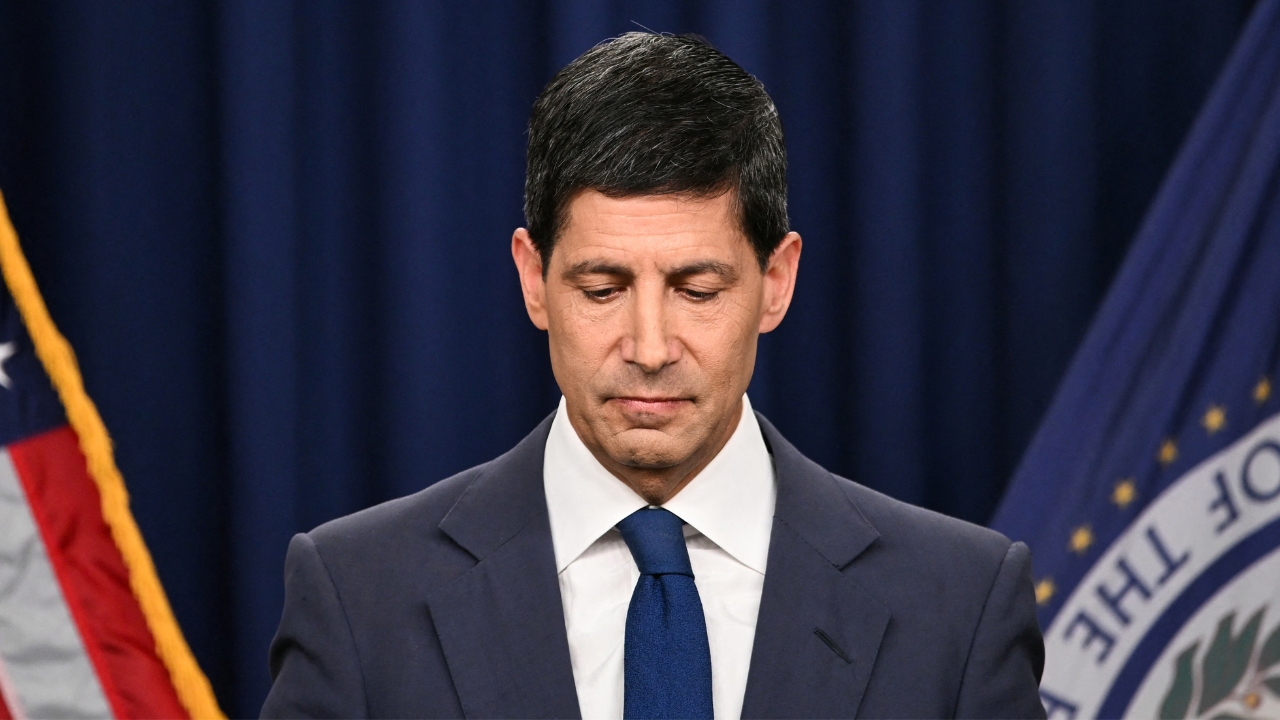
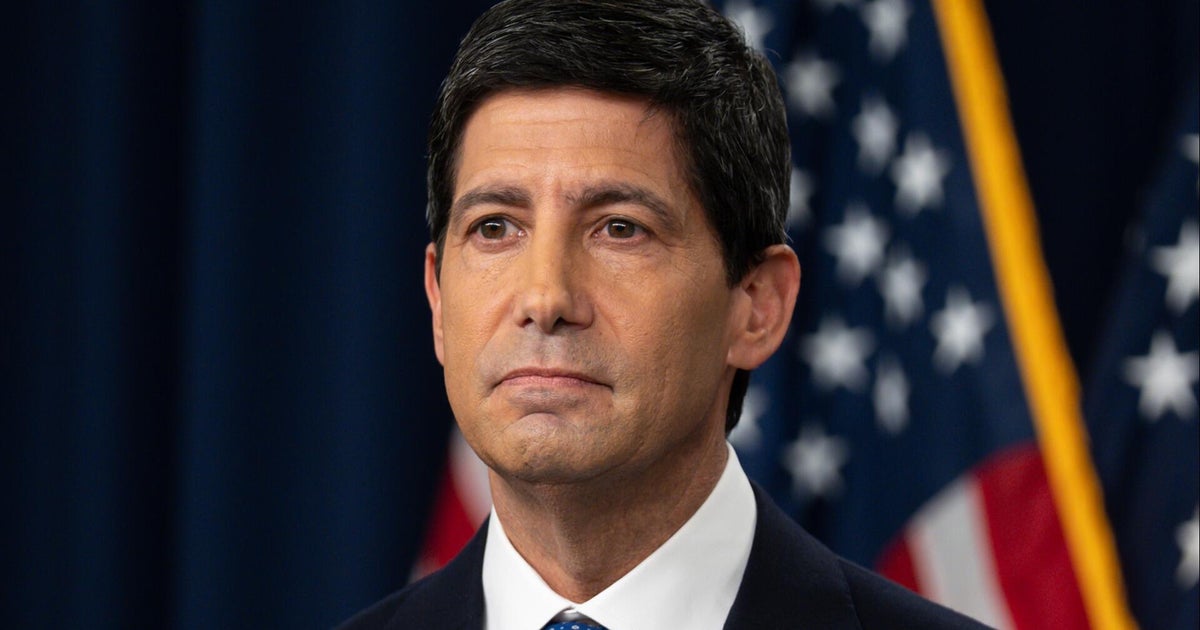
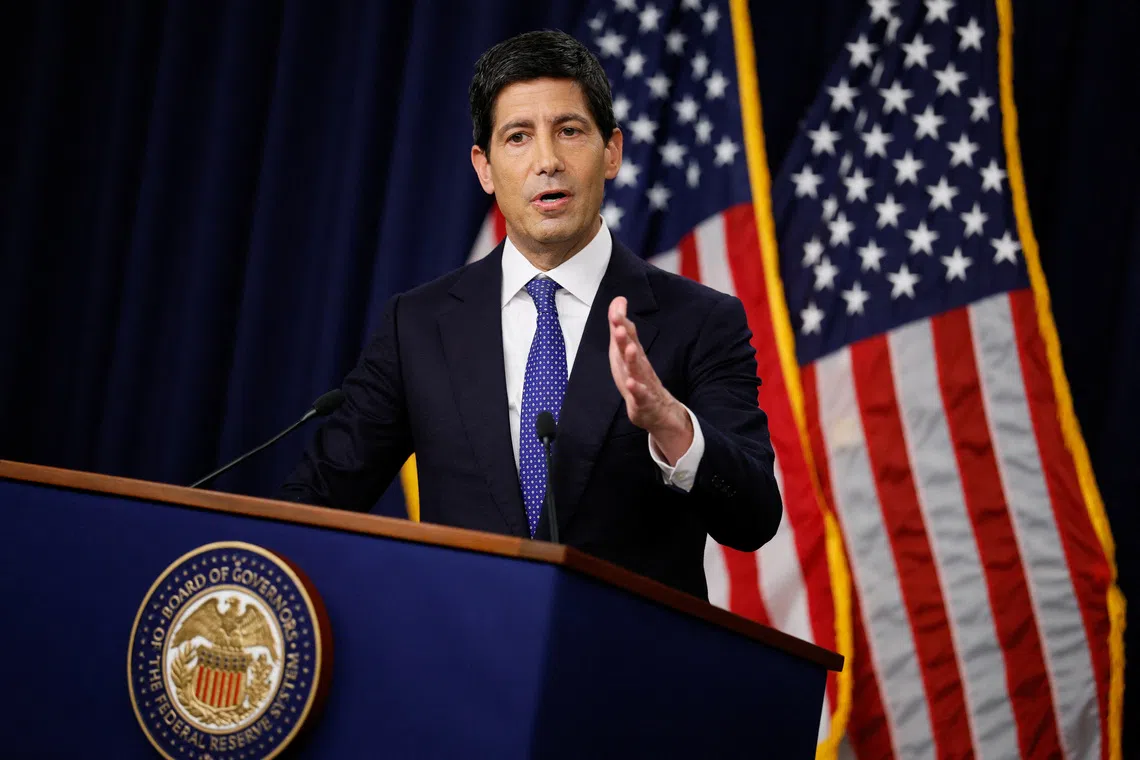
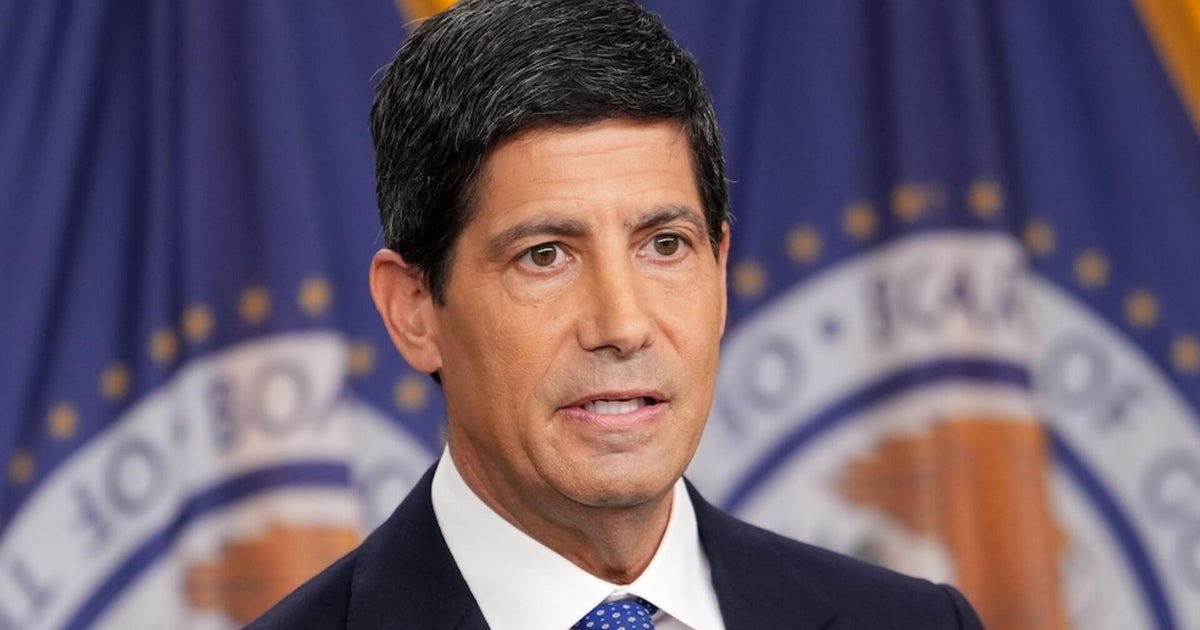
Lee Carter writes in an opinion piece that the Federal Reserve raised interest rates for the first time since 2023 on Wednesday, aiming to combat high inflation by cooling economic demand. While economists view consumers as resilient due to their ability to maintain spending despite rising costs and tightening credit conditions, Carter suggests this resilience might mask underlying fatigue and financial strain among Americans. He argues that policymakers should be concerned about how these rate hikes will affect voters' perceptions of economic hardship leading up to the midterms, noting that the Fed’s tools are limited in addressing supply-side issues like energy prices and geopolitical tensions.
Written locally by qwen2.5:14b on 2026-09-20,
using this article's own text rather than the other coverage of the
same event (that is the story summary below).
Story summary
On September 16, 2023, the Federal Reserve is expected to raise its benchmark interest rate by 25 basis points to a range between 3.75% and 4.00%, according to predictions from financial analysts like CME Group's FedWatch tool. This move reflects growing concerns over inflation, which has risen above the central bank’s target of 2%, despite previous attempts at stabilization. The decision comes amid pressure from President Donald Trump for lower rates and economic turbulence due to rising oil prices following conflicts in the Middle East, pushing crude costs past $100 per barrel. Despite political tensions, financial markets overwhelmingly anticipate a rate hike to combat inflation, with some economists predicting additional increases before year-end to achieve a “timelier return” to the 2% target.
Written for “Fed Interest Rate Hike” on 2026-10-05,
grounded in this article and the 55 other(s) covering the same event.
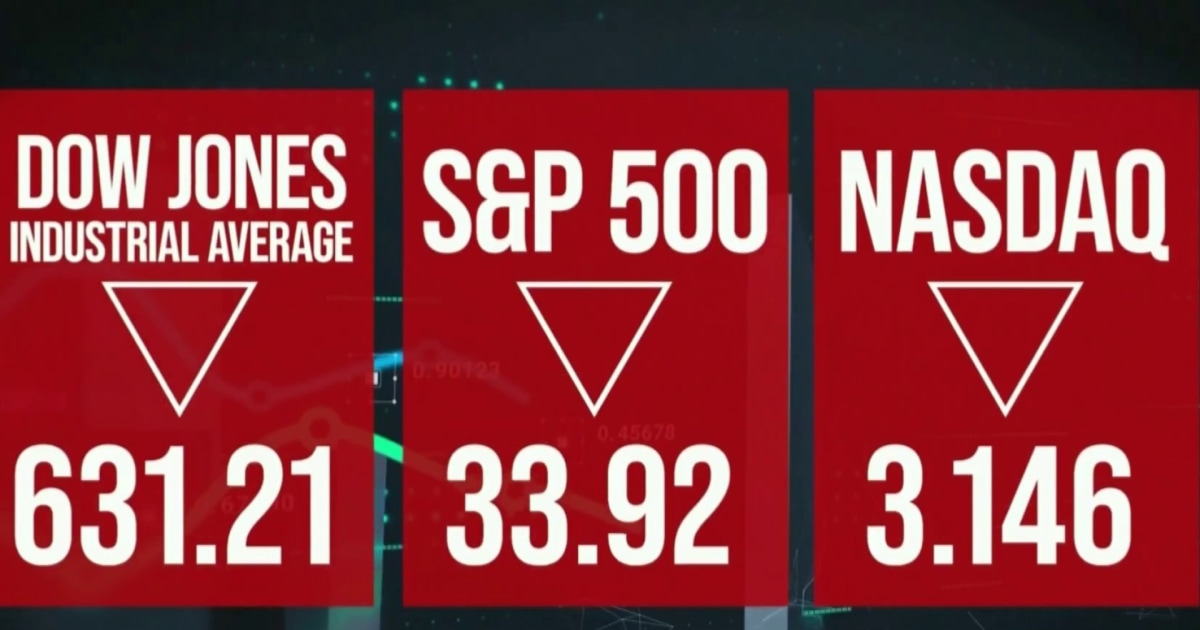
The Federal Reserve raised interest rates Wednesday for the first time since 2023.
asserted
Reserve → raise → 2023
There will be much discussion about what this means for the economy.
asserted
this → mean → economy
But there is another question, less technical and perhaps more important as we approach the midterms.
asserted
we → be → midterms
What does it mean to the people living in the economy?
asserted
it → mean → economy
The Fed sees an economy strong enough to withstand higher rates.
asserted
Fed → see → rates
Consumers are still spending.
asserted
Consumers → spend → ?
Businesses are investing.
asserted
Businesses → invest → ?
The labor market is holding up.
asserted
market → hold → ?
And yet there is something strange about the word economists keep using to describe the American consumer.
asserted
economists → be → consumer
They have absorbed years of higher prices.
asserted
They → absorb → prices
They have adjusted household budgets.
asserted
They → adjust → budgets
They have postponed purchases.
asserted
They → postpone → purchases
They have watched mortgage rates make houses they once could afford suddenly unaffordable.
uncertain
they → watch → ?
They have put more on credit cards and paid more interest for the privilege.
asserted
They → put → privilege
And they have kept going.
asserted
they → keep → ?
But perhaps we’re asking too much of the word "resilient."
asserted
we → ask → word
A family can be resilient because it is thriving.
It can also be resilient because it has no choice.
asserted
it → thrive → choice
A consumer can keep spending while putting more on a credit card.
asserted
consumer → keep → card
A small business can keep its doors open while canceling the expansion it hoped to finance.
The spreadsheet calls that resilience.
asserted
spreadsheet → keep → that
The voter may call it exhaustion.
uncertain
voter → call → it
There comes a point when people don’t want to hear that they’re weathering the storm remarkably well.
asserted
they → come → storm
They want the storm to end.
asserted
storm → want → ?
That is the part of Wednesday’s decision Washington should be thinking about.
asserted
Washington → think → decision
The Federal Reserve raised rates because inflation remains too high.
asserted
inflation → raise → rates
Higher interest rates are meant to slow demand.
asserted
rates → mean → demand
Borrowing becomes more expensive.
asserted
Borrowing → become → ?
People spend less.
asserted
People → spend → less
Businesses invest less.
asserted
Businesses → invest → less
The economy cools and, eventually, inflation should cool with it.
asserted
inflation → cool → it
A small-business owner who was thinking about expanding now looks again at the cost of the loan.
asserted
who → think → loan
A young couple thinking about buying their first home runs the mortgage calculation one more time.
asserted
couple → think → time
A family that hasn’t paid off its credit card watches another month’s interest accumulate.
asserted
interest → pay → card
None of them thinks: Monetary policy is working.
asserted
policy → think → them
They think:
This is getting harder.
asserted
This → think → ?
Some of today’s inflation pressure isn’t simply a story of Americans buying too much.
asserted
Americans → buy → much
Energy prices have surged amid geopolitical turmoil.
asserted
prices → surge → turmoil
Tariffs have added pressure to some goods prices.
asserted
Tariffs → add → prices
Supply matters, too.
asserted
Supply → matter → ?
The Fed has a powerful tool for suppressing demand.
asserted
Fed → have → demand
It does not have a tool for producing oil.
asserted
It → have → oil
…and 41 more, not listed.
 The Aporia