That is 0 articles you have read today.
The Aporia is free and carries no advertising, so readers are the only
thing paying for it. If you are getting this much out of it, a small
donation is what keeps it independent.
Daily limit reached
You have read 0 articles today.
That is more than the 15 a day The Aporia gives away,
and well past what it can carry on nothing. Your allowance resets at
midnight.
There is no advertising here and nothing about you is sold, so readers
are the only thing paying for it. If the site is worth this much of
your day, it is worth a few dollars.
Everything else stays open: the
maps, the
directory and
search do
not count against this, and neither does re-opening something you have
already read today.
Turkish Foreign Minister Hakan Fidan stated that Turkey would consider ways to support Saudi Arabia's security amid escalating attacks by Yemen’s Houthi rebels, as part of a trilateral defense pact involving Pakistan. The pact, signed on August 7 in Mecca and named the Mecca Joint Defence Agreement, aims to provide mutual protection for the three nations, though analysts question its effectiveness due to a lack of clear operational details.
Written locally by qwen2.5:14b on 2026-09-20,
using this article's own text rather than the other coverage of the
same event (that is the story summary below).
Story summary
On September 19, Turkish Foreign Minister Hakan Fidan stated during an interview with NTV that Saudi Arabia may have military needs due to attacks by Yemen’s Houthis and that Turkey would be ready to assist under a trilateral defense pact signed last month. This pact, known as the "Mecca Joint Defence Agreement," includes Pakistan and mandates mutual support if any of the countries face an armed attack. The ongoing conflict between Saudi Arabia and the Houthi rebels has intensified since July when the Houthis declared a naval blockade against Riyadh, leading to attacks on Saudi cities, energy infrastructure, and shipping routes, threatening global oil supplies.
Written for “Turkey Supports Saudi Security” on 2026-10-05,
grounded in this article and the 3 other(s) covering the same event.
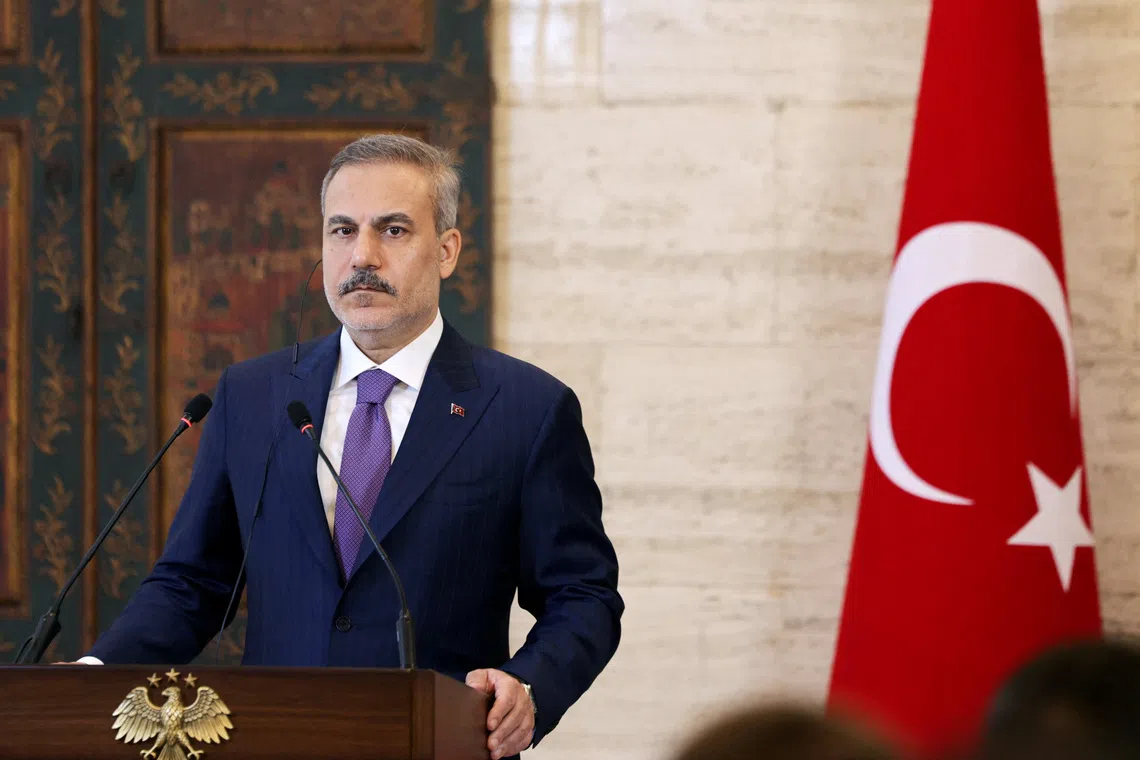
Turkish Foreign Minister Hakan Fidan has said that Saudi Arabia may have unmet military needs from the attacks by Yemen’s Houthi rebels and that Turkiye would consider how to support the kingdom as part of a trilateral defence pact.
uncertain
Turkiye → say → pact
Speaking to Turkish broadcaster NTV on Friday, Fidan said it was unacceptable for Saudi Arabia to be dragged into the US-Iran war, adding that Riyadh had no desire to join the conflict.
asserted
Riyadh → speak → conflict
Recommended Stories
list of 3 items- list 1 of 3Yemen’s Houthis seize strategic Red Sea city of Mocha
- list 2 of 3Why
asserted
Houthis → seize → Mocha
Pakistan is talking to Iran as the Houthi-Saudi fight escalates
- list 3 of 3Will the Houthi attacks activate the Mecca Pact?
asserted
attacks → talk → Pact
He added that proposals had been conveyed to all sides in an effort to end the fighting, without further elaborating.
asserted
proposals → add → fighting
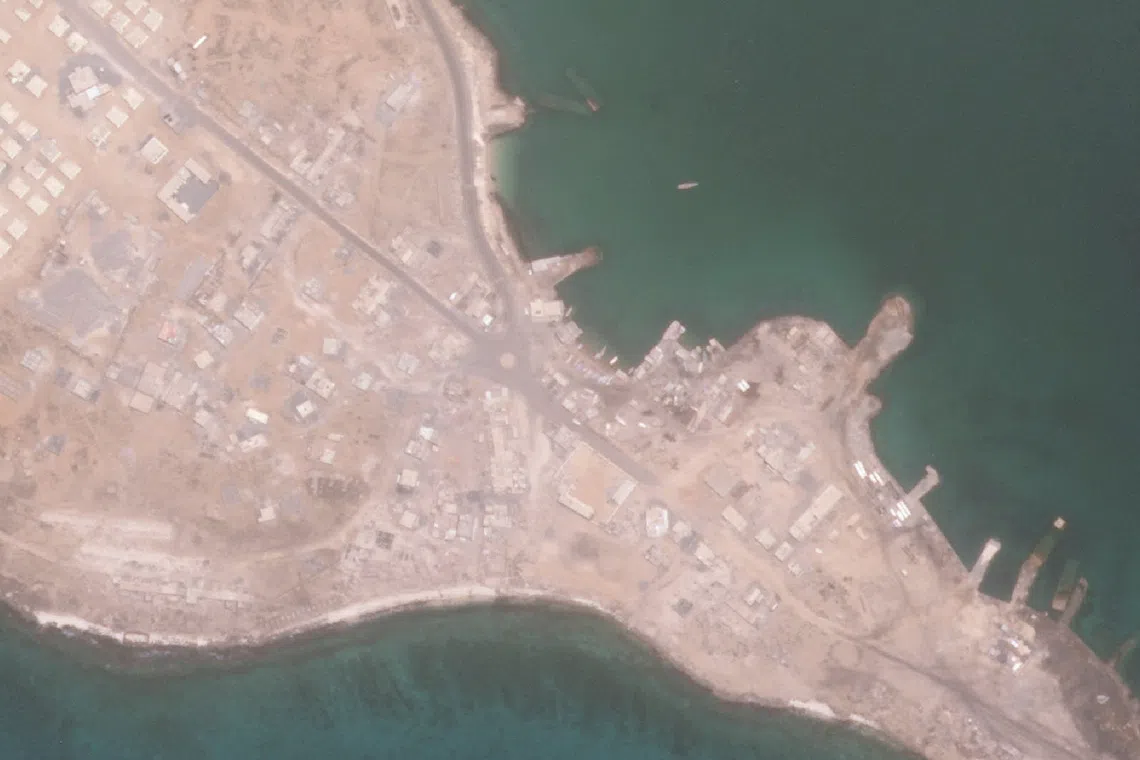
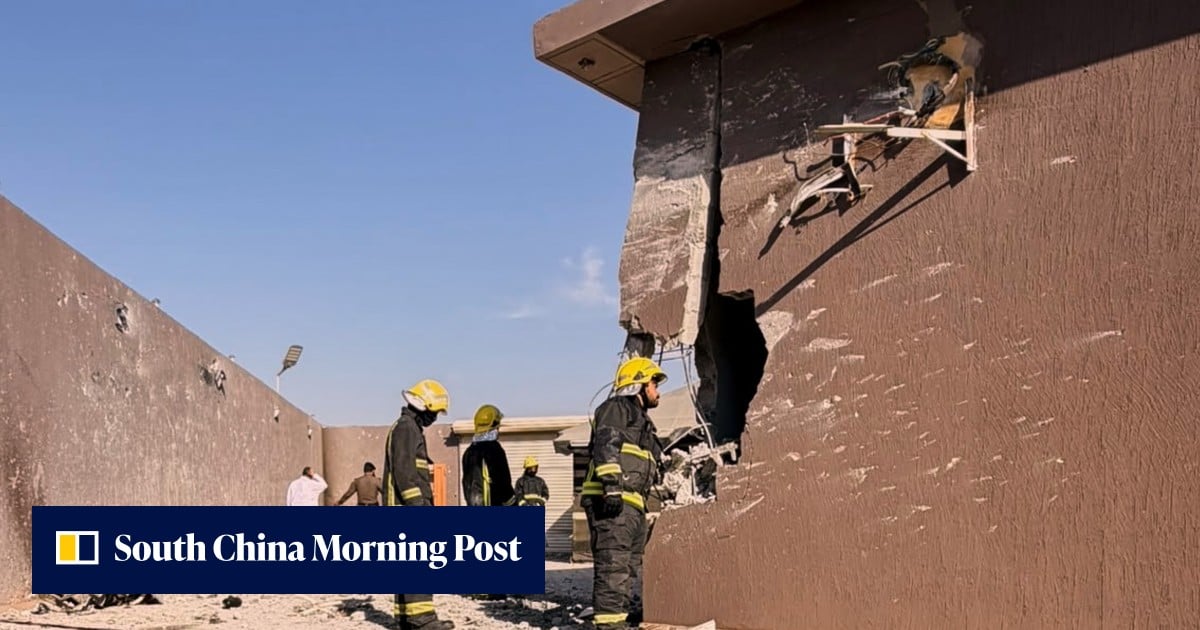
The Iran-backed Houthi rebels and Saudi Arabia continue trading attacks in an escalating war in Yemen, as the Houthis press gains that have brought large stretches of the Red Sea coast, including the strategic Bab al-Mandeb Strait, under their control.
asserted
that → back → control
Pakistan has made a similar pledge to defend Saudi Arabia under the defence pact.
asserted
Pakistan → make → pact
Lieutenant-General Ahmed Sharif Chaudhry, a spokesperson for Pakistan’s military, told Arab News on Thursday that Islamabad would defend Saudi Arabia “to any extent”, including “physically”, though he did not say whether Riyadh had asked for more Pakistani troops.
asserted
Riyadh → tell → troops
Pakistan’s Foreign Office has said no military response is currently under discussion under the pact, adding that Islamabad would act “when time comes”.
asserted
time → say → pact
The trilateral agreement, known as the Mecca Joint Defence Agreement, was signed on August 7 in Mecca by Saudi Crown Prince Mohammed bin Salman, Turkish President Recep Tayyip Erdogan and Pakistani Prime Minister Shehbaz Sharif.
asserted
agreement → know → Salman
The three countries formally named the arrangement the Mecca Defence Alliance on August 31, after officials meeting in Istanbul agreed to set up a secretariat in Riyadh, to be headed initially by a Pakistani secretary-general.
asserted
officials → name → general
Its founding principle is that an armed attack against any one of the three states will be treated as an attack against all three.
asserted
attack → treat → three
Fidan said at the time the alliance was built on “respecting the sovereignty of other states, territorial integrity and not intervening in internal affairs”, and remained open to other countries joining.
asserted
countries → say → affairs
Analysts have questioned how much substance lies behind the pact so far, noting it lacks the integrated command structure and standing forces that underpin NATO.
Its institutional shape, including how the mutual defence clause would actually be triggered, remains unclear.
uncertain
clause → question → NATO
The trilateral pact was struck as Gulf states grow increasingly concerned about being pulled into the wider US-Iran war, which has continued for more than six months since Washington and Israel first struck Iran in February.
asserted
Washington → strike → February
 The Aporia