That is 0 articles you have read today.
The Aporia is free and carries no advertising, so readers are the only
thing paying for it. If you are getting this much out of it, a small
donation is what keeps it independent.
Daily limit reached
You have read 0 articles today.
That is more than the 15 a day The Aporia gives away,
and well past what it can carry on nothing. Your allowance resets at
midnight.
There is no advertising here and nothing about you is sold, so readers
are the only thing paying for it. If the site is worth this much of
your day, it is worth a few dollars.
Everything else stays open: the
maps, the
directory and
search do
not count against this, and neither does re-opening something you have
already read today.
Executives from OpenAI and Microsoft acknowledged that their AI technologies pose significant risks to the sustainability of news publications by diverting readership and income. In an internal document, Brent Hecht, Microsoft’s director of applied science, warned about a "doom loop" where AI models consume vast amounts of content for training, thereby hurting both the quality of these models and the web's overall health. The New York Times is suing OpenAI and Microsoft over copyright infringement related to using their copyrighted content without permission or payment, arguing that this practice undermines traditional business models reliant on subscriptions and advertising revenue.
Written locally by qwen2.5:14b on 2026-09-18,
using this article's own text rather than the other coverage of the
same event (that is the story summary below).
Story summary
Microsoft and OpenAI, key players in developing large language models (LLMs) like ChatGPT, admitted in unsealed court filings that their AI products are causing significant harm to news publishers and potentially undermining the internet's economic foundations. An internal Microsoft document warned of a "doom loop" where LLMs cannibalize clicks from the very content they rely on, harming both themselves and web businesses simultaneously. Executives like Brent Hecht, director of applied science at Microsoft, noted this unusual situation where an end-product threatens its suppliers' livelihoods. The filings also revealed that OpenAI's AI tools can bypass paywalls to extract information freely, further impacting publishers' revenues without compensation for content usage. This admission comes as part of a broader legal battle with news organizations like the New York Times, challenging whether AI training infringes copyright by substituting actual journalism rather than transforming it into new work.
Written for “AI Threats To Web And Publishing” on 2026-09-18,
grounded in this article and the 4 other(s) covering the same event.
Why this leaning score
The article's own words the score was based on. Each is quoted
verbatim and was checked against the article text before being
stored, so you can find it in the original.
Leaning score -0.45 for article 17640 (high confidence, 2 verified quotes) · logged 2026-09-18
Top executives at OpenAI and Microsoft admitted they knew artificial intelligence poses an “existential threat” to news publications as the New York Times sues the technology companies over copyright infringement.
asserted
Times → admit → infringement
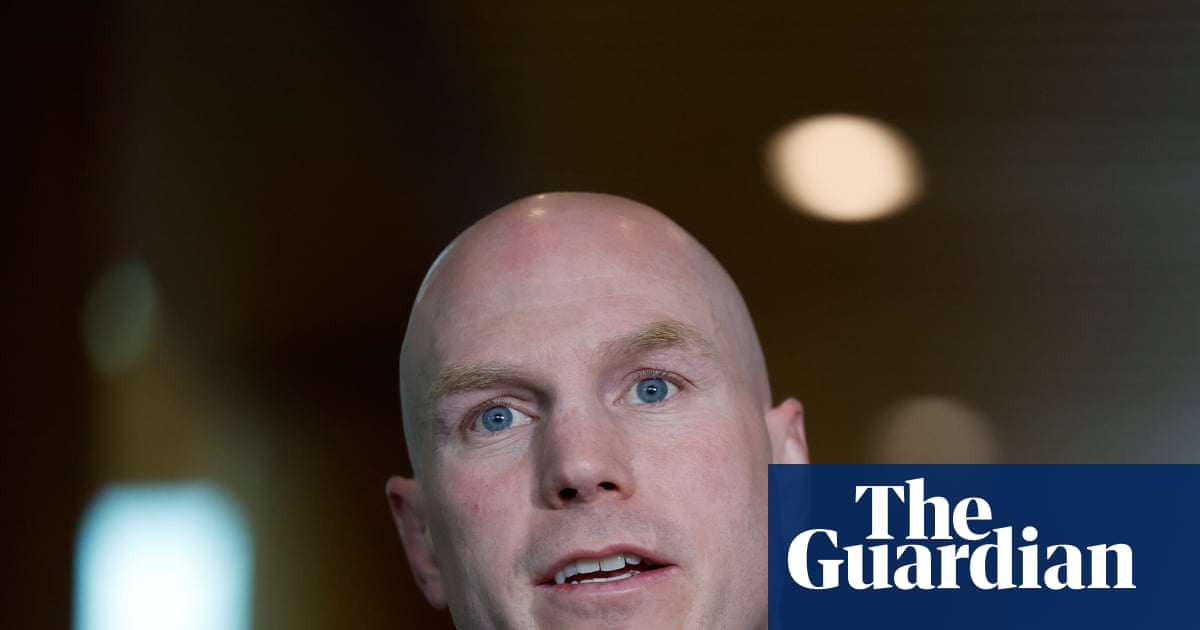
Brent Hecht, Microsoft’s director of applied science, warned about the damaging effects that AI models will have on the internet and the company’s own business.
asserted
models → warn → internet
“Our AI content strategy has started a ‘doom loop’ that will hurt the performance of our models and the entire web at the same time,” Hecht wrote in an internal document, according to a largely unredacted court filing unsealed Thursday.
uncertain
Hecht → start → filing
“It is highly unusual that an end-product threatens the economic foundations of its essential suppliers, but that is the situation we have created for our LLM business with respect to its ‘content supply chain.'”
asserted
we → threaten → chain
The New York Times argues chatbots, such as OpenAI’s ChatGPT, should not be able to use its copyrighted content for training because the large language models’ consumption of news articles diverts users from reading their publications.
asserted
consumption → argue → publications
The same point was made by Microsoft CEO Satya Nadella, who said chatbots have “substituted” actual journalism by “giving you the information right there on the website on the AI platform versus needing to go to the underlying source.”
asserted
chatbots → make → source
Nick Turley, the vice president and head of ChatGPT, similarly said publishers face an “existential threat” from AI chatbots because they “are largely substitutive” and “will get more and more substitutive as they get better.”
asserted
they → say → chatbots
Hecht called the rising trend of chatbots accessing news articles for training “an astonishing theft of unprecedented proportions,” adding that perhaps it may be the “largest theft of labor in human history.”
uncertain
it → call → history
These past statements from OpenAI and Microsoft leaders will likely bolster the plaintiff’s argument against letting chatbots train on copyrighted works under fair use without permission or payment.
asserted
chatbots → bolster → permission
The New York Times has a paywall for its articles, but ChatGPT can evade paying for a subscription.
asserted
ChatGPT → have → subscription
OpenAI President Greg Brockman previously bragged about hacking to get behind the news outlet’s paywall in his goal to “scrape” the website, according to the court filing.
uncertain
Brockman → brag → filing
The document lists custom GPTs that can easily extract the user-requested information from paywalled articles, such as “Bypass Paywall” or “Article Reader.”
OpenAI does not have a licensing agreement with the New York Times, so the frontier AI lab is accused of severely harming the newspaper’s business model by diverting readers away from its domain.
asserted
lab → list → domain
However, OpenAI does have licensing deals with other news publishers.
asserted
OpenAI → have → publishers
The revelation of AI leaders’ thoughts on the key issues underpinning the legal case comes after the Department of Justice filed a statement of interest supporting the defense made by OpenAI and Microsoft.
asserted
Department → underpin → OpenAI
The DOJ argued, in part, that preventing AI models from training on copyrighted material under a “misunderstanding” of fair use “would thwart such creative and scientific progress while hindering American prosperity and economic mobility.”
asserted
preventing → argue → prosperity
 The Aporia