Labor accused of throwing creatives ‘under the bus’ with proposal to ease copyright protections for AI giants

The Guardian · collected 2026-09-15 · by Luca Ittimani and Caitlin Cassidy
Read the original at The Guardian ↗

Summary

The Albanese government is considering a proposal to ease Australian copyright protections for AI companies like OpenAI, which claim that current laws hinder their ability to train models locally. Independent Senator David Pocock has criticized these proposals, arguing they would prioritize tech giants' interests over individual creators and small content producers by default granting AI firms access to Australians’ online material unless rights holders actively opt out—a burden he deems impractical for many. The government maintains it aims to balance economic opportunities with national interests but faces criticism for potentially undermining existing copyright protections.
Written by the local model on 2026-09-16, using this article's own text rather than the other coverage of the same event (that is the story summary below).

Signals How these are calculated →

Claims extracted
34
claim-shaped sentences
Uncertain
3%
1 of 34 hedged
Leaning
Leans left
of the writing, not the subject
Correction & hedging signals
94.6
corrections and hedging in what we collected; not a measure of accuracy
Outlets on this story
3
Politics
Narrative spread
1
articles carrying this framing
Analyzed 2026-09-16 · source text last changed 2026-09-15 · how these are computed

AI analysis (generated at analysis time, not now)

Story summary

Prime Minister Anthony Albanese proposed a deal to lure US-based AI giants like Anthropic and OpenAI to invest billions in Australia by offering them open access to Australian content for training their models. This move aims to break the impasse caused by strict Australian copyright laws, which pose legal risks to these companies due to potential lawsuits from international rights holders. The government is considering a plan where AI firms would be allowed to use any online material unless creators specifically opt out, aiming to attract significant tech investments that could boost Australia’s economy similarly to how the mining boom did previously. However, ACT independent senator David Pocock criticized this proposal, arguing it prioritizes AI companies over Australian creatives and could undermine copyright protections for everyday Australians. This debate highlights the tension between fostering technological growth and protecting creative industries’ rights under existing legal frameworks.

Written for “AI Copyright Debate” on 2026-09-17, grounded in this article and the 2 other(s) covering the same event.
Why this leaning score
The article's own words the score was based on. Each is quoted verbatim and was checked against the article text before being stored, so you can find it in the original.
Score -0.45 Confidence high
Leaning score -0.45 for article 12267 (high confidence, 2 verified quotes) · logged 2026-09-16

Story

📰 AI Copyright Debate
Politics · 3 article(s) covering the same event. This is the one the site leads with.

How this is being covered How these are calculated →

Article leaning vs. publisher reliability
Source leaning vs. consistency

Compared with similar articles

This article reads leans left and hedges 3% of its claims. Each row says how that neighbour differs.
The Sydney Morning Herald
⚖️ Leans right further right than this 🔴 14% hedged 4 of 29 📰 publisher trust 96
“Both articles describe the same negotiations between the Albanese government and tech firms like Anthropic and OpenAI regarding copyright laws in Australia, with concerns from creative professionals.”
ABC News (AU)
⚖️ Leans left 🔴 12% hedged 4 of 33 📰 publisher trust 60
“Both articles discuss the same proposal by the Albanese government to allow AI companies to train on Australian creatives' works without paying them, revealed in consultations and meetings with tech giants.”
The Guardian
⚖️ Leans left 🔴 2% hedged 2 of 111 📰 publisher trust 95
“The articles discuss related issues regarding OpenAI's concerns about Australian copyright laws but describe different stages or aspects of negotiations and reactions, not a single identical incident.”
CBS News
⚖️ Leans left 🔴 18% hedged 2 of 11 📰 publisher trust 77
“While both articles mention OpenAI's interactions with lawmakers regarding AI regulation, they describe different aspects of those interactions (one about audits and one about copyright protections).”
Semafor
⚖️ Leans left 🔴 29% hedged 2 of 7 📰 publisher trust 95
“The articles discuss different aspects of AI regulation and copyright, with Article B focusing on a specific meeting between OpenAI and Labor ministers about Australian copyright laws, while Article A covers broader consensus or lack thereof in Congress.”
Newscast different event · 20%
BBC News
⚖️ Leans left 🔴 0% hedged 0 of 13 📰 publisher trust 96
“The articles discuss different aspects of AI regulation and its impact on copyright laws, not the same specific incident.”

Publisher

The Guardian · 284 article(s) · 1 correction(s) detected
Running correction rate · 1 correction(s)
2026-09-05
Australia’s housing prices are trending down. See which suburbs have had the biggest falls

Who wrote this

Caitlin Cassidy
3 article(s) here · 1 carrying a prediction
🔮 The independent senator David Pocock said the compromise would throw protections for creatives and copyright holders “under the bus” in pursuit of datacentre funding.
🔮 On Tuesday evening, Canterbury-Bankstown voted overwhelmingly in favour of banning the tech at its pools, with its mayor, Bilal El-Hayek, describing them as “pervert glasses”.
Also by Caitlin Cassidy
Nothing else under this byline is closely related to this article, so these are simply their most recent.
Luca Ittimani
2 article(s) here · 1 carrying a prediction
🔮 The $568m community grants scheme will be the subject of a Senate inquiry after a report by the Centre for Public Integrity last week revealed the scheme favoured projects in notionally Labor-held electorates, including a $6m grant for a golf club in Anthony Albanese’s electorate.
🔮 The independent senator David Pocock said the compromise would throw protections for creatives and copyright holders “under the bus” in pursuit of datacentre funding.
Also by Luca Ittimani
Nothing else under this byline is closely related to this article, so these are simply their most recent.

Topics

Albanese Australia Australian Australians Labor

Subjects

Australians NORP · 4× Australia GPE · 3× Australian NORP · 3× Labor NORP · 2× OpenAI ORG · 2× Pocock PERSON · 2× Albanese NORP · 1× Ayres PERSON · 1× David Pocock PERSON · 1× Senate ORG · 1×

Narrative

The deputy prime minister Richard Marles, said the federal government was “working at a pace” to respond to the issue of copyright, and maintained that the opportunity to work with US tech giants was a “significant moment for the country”.
framing: assertive · carried by 1 article(s) · first seen 2026-09-16
🔮 The independent senator David Pocock said the compromise would throw protections for creatives and copyright holders “under the bus” in pursuit of datacentre funding.

Claims (34 extracted, 1 hedged)

The Albanese government is considering giving AI companies access to Australian creatives’ works by default as it pursues a compromise with US tech giants. asserted
it → consider → giants
The proposals were revealed as senior personnel from OpenAI, the creator of ChatGPT, met with Labor ministers and warned that Australia’s copyright laws were preventing the company from training models locally. asserted
laws → reveal → models
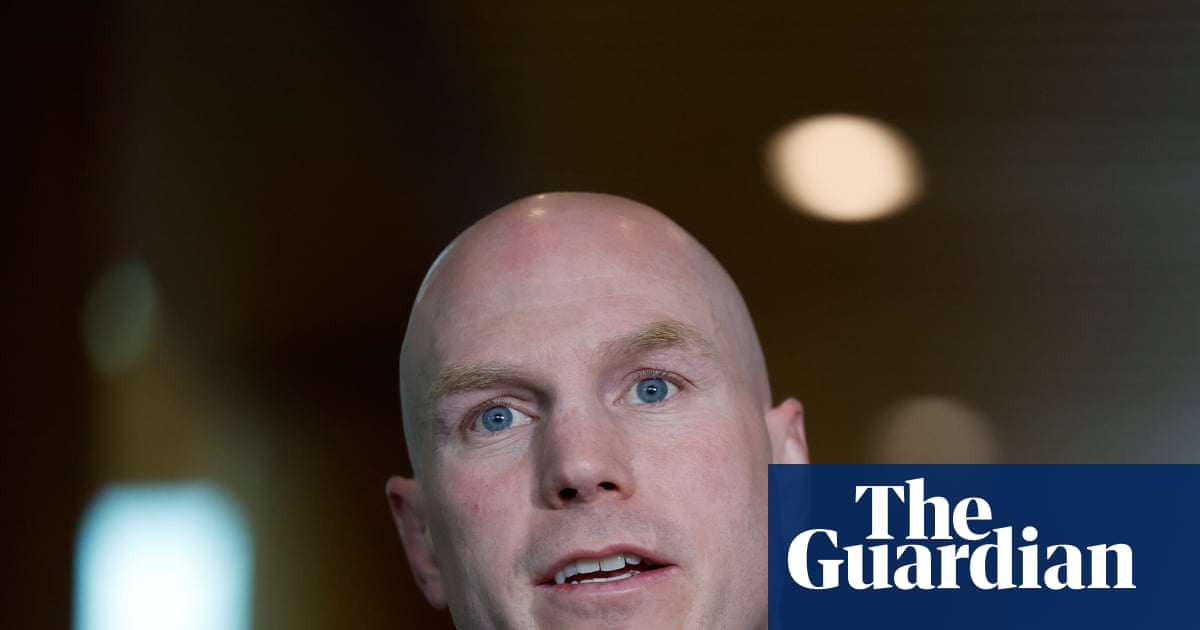
The independent senator David Pocock said the compromise would throw protections for creatives and copyright holders “under the bus” in pursuit of datacentre funding. asserted
compromise → say → funding
“It would mean putting AI companies’ interests over everyday Australians, giving AI companies access to all Australians’ content, unless they opt out,” Pocock said on Tuesday. asserted
Pocock → mean → Tuesday
“The burden should not fall on Australians to defend the rights they already hold over content they create and own and invest in.” asserted
they → fall → content
The proposals were contained in a document Pocock described as screenshots of government’s consultation proposals, tabled in the Senate on Tuesday and titled “AI on Australian Terms”. asserted
Pocock → contain → Terms
AI companies have sought to train their models on content and data online but cannot do so using Australian content due to local copyright rules. asserted
companies → seek → rules
The document raises as a key issue the vast number of small individual creators of online content, for which voluntary deals with AI companies “is not realistic/possible”. asserted
deals → raise → companies
It suggests requiring rights holders “digitally protect” their material if they do not want AI models trained on it – a proposal rights holders say is not feasible. uncertain
holders → suggest → proposal
Under one option it proposes, AI companies would gain the right to access and train models on any unprotected online material as long as they made deals with enough businesses. asserted
they → propose → businesses
Under another, AI companies would do deals with creatives’ rights holder organisations that give the access rights even if the content were made by someone who was not a member of the organisation that won the deal. asserted
that → do → deal
A licence to access one category of material, such as music or text, would be extended to cover the many different small creators within that industry. asserted
licence → access → industry
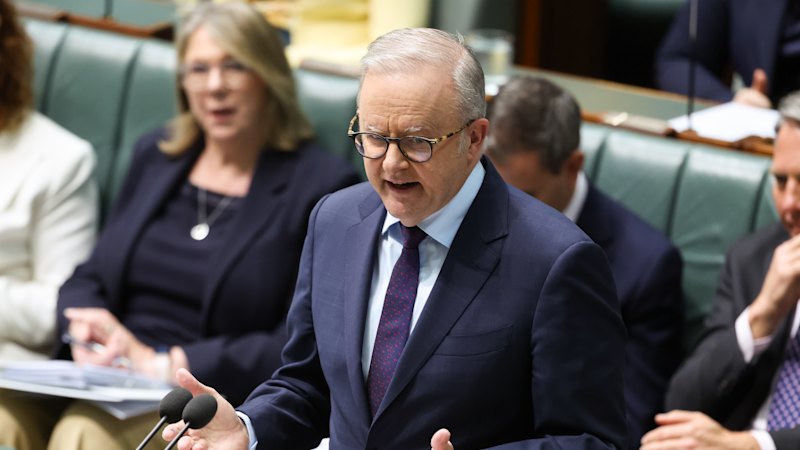
Labor’s industry minister, Tim Ayres, had on Monday said the government’s forthcoming AI rules would “in no way” involve a reduction in copyright protection. asserted
rules → say → protection
The deputy prime minister Richard Marles, said the federal government was “working at a pace” to respond to the issue of copyright, and maintained that the opportunity to work with US tech giants was a “significant moment for the country”. asserted
opportunity → say → country
“The opportunity for Australia economically is enormous in collaborating with frontier companies … and having frontier training occur in Australia,” he told the ABC’s 7.30 program on Tuesday evening. asserted
he → collaborate → evening
“We want to see this opportunity come to the country [but] it needs to come on terms which are in our national interests.” asserted
which → want → interests
Marles confirmed that the federal government had spoken with tech companies in San Francisco in the past fortnight on the issue, adding: “I think this can be done.” asserted
this → confirm → issue
Before the revelations on Tuesday afternoon, the Greens senator Sarah Hanson-Young said the suggestions of a copyright compromise were “abhorrent”. asserted
suggestions → say → compromise
“Every Australian deserves to get paid for the work that they make and the work that they do,” Hanson-Young said. asserted
Young → deserve → that
“A weakening of the copyright laws letting big tech take the work of Australians for free, not have to pay for it, for their own profit.” asserted
tech → let → profit
Musicians, writers and artists lobbied against weaker copyright laws this year after reports that AI companies were offering $50bn datacentre investments in exchange. asserted
companies → lobby → exchange
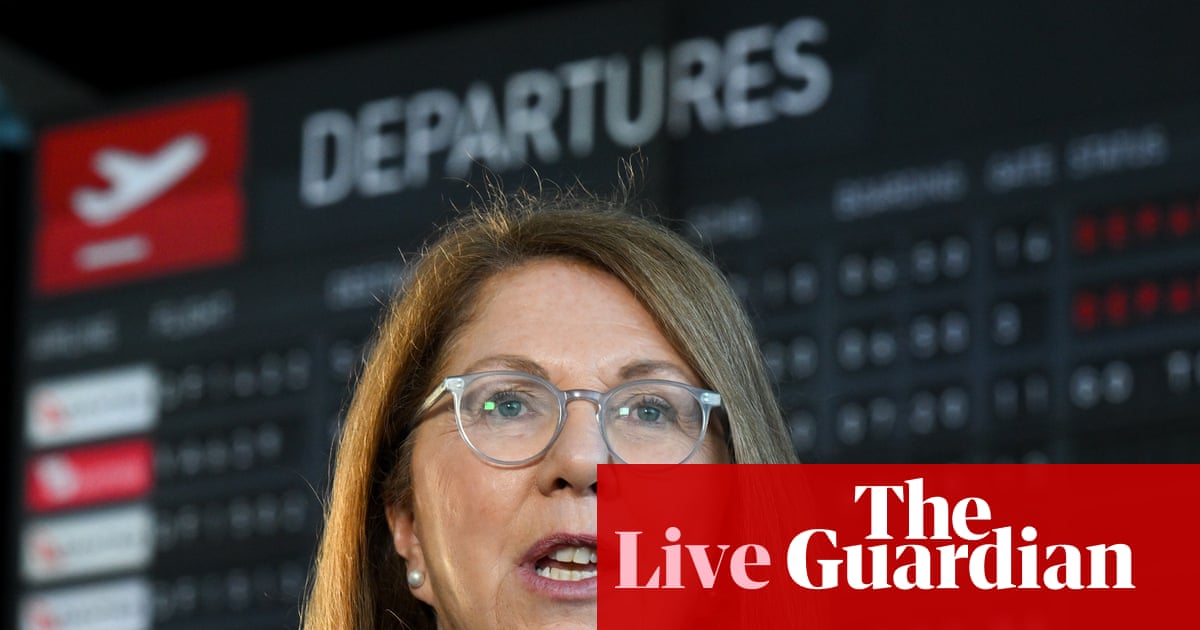
The attorney general, Michelle Rowland, is running the government’s consultation with affected organisations. asserted
general → run → organisations
A spokesperson for Rowland on Tuesday said the government would ensure any future copyright changes delivered “meaningful control and fair compensation”. asserted
changes → say → control
OpenAI’s vice-president for global policy, Ann O’Leary, met ministers and officials this week as the company considers investing in Australia. asserted
company → meet → Australia
In an interview with The Australian newspaper about the prospect of training models here, O’Leary said: “Our company isn’t ready to have that conversation if we can’t get through the gating problem of the copyright barriers.” asserted
we → train → barriers
The newspaper reported the comments as an “ultimatum” that sought to “strong-arm” the government. asserted
that → report → government
Marles said the newspaper was “overstating” the comments. asserted
newspaper → say → comments
OpenAI has asked the paper to correct its headline and article. asserted
OpenAI → ask → headline
Andrew Charlton, the assistant technology minister, told News24 on Tuesday he hadn’t seen any ultimatum and he would reject one if it were issued. asserted
it → tell → one
“We want to support Australian artists,” Charlton said. asserted
Charlton → want → artists
“We want to give them control over their work. asserted
We → want → work
We want to make sure they’re compensated, if they choose to have it used. asserted
it → want → ?
“We’re not compromising them or trading them off. asserted
We → compromise → them
So if we lose some datacentres over this, so be it.” asserted
it → lose → this

💬 Give feedback
🕘 History 🎫 Support