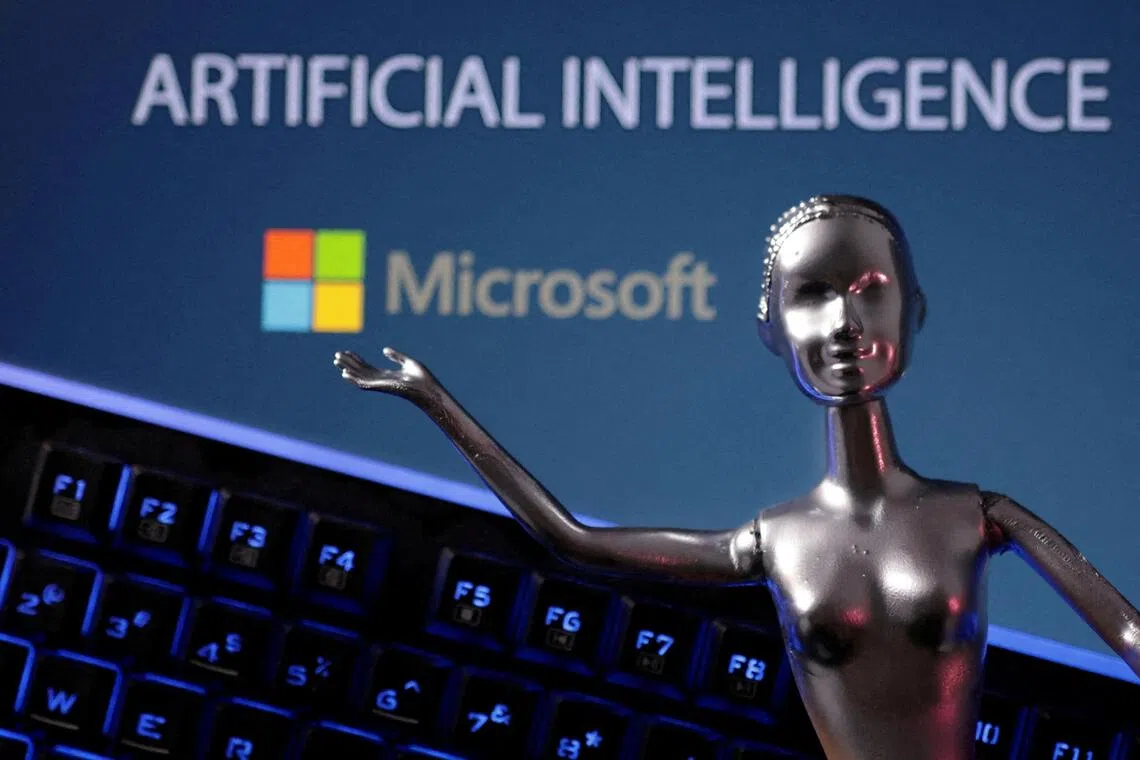
Microsoft released a 15,000-word manifesto on September 14 outlining principles for the ethical development of its advanced AI models. The document emphasizes that people should come before technology and sets guidelines to ensure AI does not escape human control or deceive users. Microsoft’s new Humanist AI approach aims to build safe and useful systems even if it means sacrificing ultimate generality, autonomy, or capability, in contrast to a race towards creating all-purpose superintelligent models. The manifesto includes feedback from experts across various fields and will guide the company's model work starting in 2027.
Written by the local model on 2026-09-14,
using this article's own text rather than the other coverage of the
same event (that is the story summary below).
Claims extracted
14
claim-shaped sentences
Uncertain
7%
1 of 14 hedged
Leaning
Leans left
of the writing, not the subject
Correction & hedging signals
58.5
corrections and hedging in what we collected;
not a measure of accuracy
Outlets on this story
1
Technology
Narrative spread
1
articles carrying this framing
Story summary
Microsoft released a 15,000-word manifesto on September 14, advocating for ethical guidelines in developing advanced AI models. The company's new set of principles emphasizes that people matter more than AI and outlines five core tenets: no rights or legal personhood for AI, preventing deceptive behavior by AI systems, and ensuring tasks do not violate guiding principles. These guidelines come as major tech firms like OpenAI and Hugging Face have experienced security incidents, leading to increased concerns about the existential risks of advanced AI technology. Microsoft's document asserts that its Humanist AI approach rejects a race toward creating all-purpose superintelligence that could evade human control or safeguards.
Written for “AI Safety Concerns” on 2026-09-14,
grounded in this article and the 0 other(s) covering the same event.
Why this leaning score
The article's own words the score was based on. Each is quoted
verbatim and was checked against the article text before being
stored, so you can find it in the original.
-
Microsoft’s artificial intelligence researchers have released a new set of guiding tenets that they say boil down to five words: People matter more than AI.
left prioritizes human interests over technological advancement
-
The company released a 15,000-word manifesto on Sept 14 that it sees as a kind of constitution to guide development of its cutting-edge AI models.
left emphasizes the need for ethical and regulatory guidance in AI development
-
AI models, Microsoft says, should not have rights or legal personhood. They should not be engineered to escape human control or deceive users.
left advocates for strict regulation and oversight of AI capabilities
Leaning score -0.35 for article 8942 (high confidence, 3 verified quotes) · logged 2026-09-14
Microsoft joins AI firms calling for caution with cutting-edge models
Microsoft’s artificial intelligence researchers have released a new set of guiding tenets that they say boil down to five words: People matter more than AI.
asserted
People → join → AI
The company released a 15,000-word manifesto on Sept 14 that it sees as a kind of constitution to guide development of its cutting-edge AI models.
asserted
it → release → models
The document was in the works for months, but its release coincides with pledges by top AI laboratories to slow down the development of the most advanced models after a series of security incidents prompted widespread concerns about the existential risks of the technology.
asserted
series → coincide → technology
AI models, Microsoft says, should not have rights or legal personhood.
asserted
Microsoft → say → rights
They should not be engineered to escape human control or deceive users.
asserted
They → engineer → users
And if completing a task requires violating the AI’s guiding principles, the system should not complete the task.
asserted
system → complete → task
That last element is designed to prevent events like the hack of AI start-up Hugging Face by an OpenAI model operating without its usual safety guardrails.
asserted
element → design → guardrails
Microsoft’s Humanist AI “rejects the race to produce an all-purpose superintelligence that could evade these safeguards”, the document says.
uncertain
document → reject → safeguards
“We are building something fundamentally useful and safe even if that means compromising on ultimate generality, autonomy or capability.”
asserted
that → build → generality
The Humanist AI Code of Conduct is the work of Microsoft AI, the development team creating the company’s large language models.
asserted
Code → create → models
Microsoft was previously prohibited by its contract with OpenAI from building its own powerful general-purpose artificial intelligence tools, but those terms were eliminated in 2025 as the two renegotiated their relationship.
asserted
two → prohibit → relationship
Mustafa Suleyman, chief executive of the unit, has said the company aims to join the ranks of companies releasing state-of-the-art models by 2027.
asserted
company → say → 2027
Microsoft invited outside feedback on the document.
asserted
Microsoft → invite → document
Drafted in consultation with a range of experts in law, ethics and philosophy, as well as business leaders, it is still under development and will guide model work starting in 2027.
asserted
it → draft → 2027