Toronto Star
· collected 2026-09-18 · by Steven Sloan The Associated Press
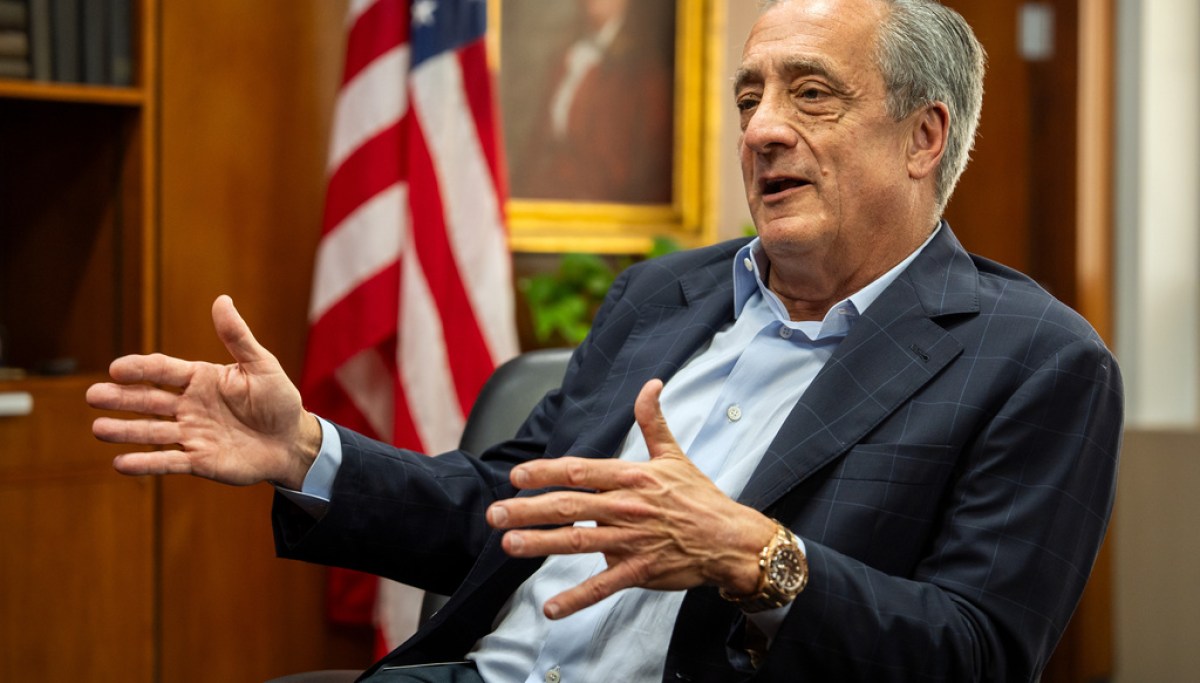
David Steiner, head of the U.S. Postal Service, announced on Thursday that work has ceased on a controversial computer system aimed at verifying voter eligibility, following the Supreme Court's rejection of President Trump’s executive order attempting to limit mail voting. The postmaster general stated that with an injunction in place against further development of the system, the agency is not moving forward with its implementation. Steiner emphasized his role as an operational leader rather than a political figure, declining to comment on the policy or take sides in the controversy surrounding it.
Written locally by qwen2.5:14b on 2026-09-18,
using this article's own text rather than the other coverage of the
same event (that is the story summary below).
Story summary
Summary
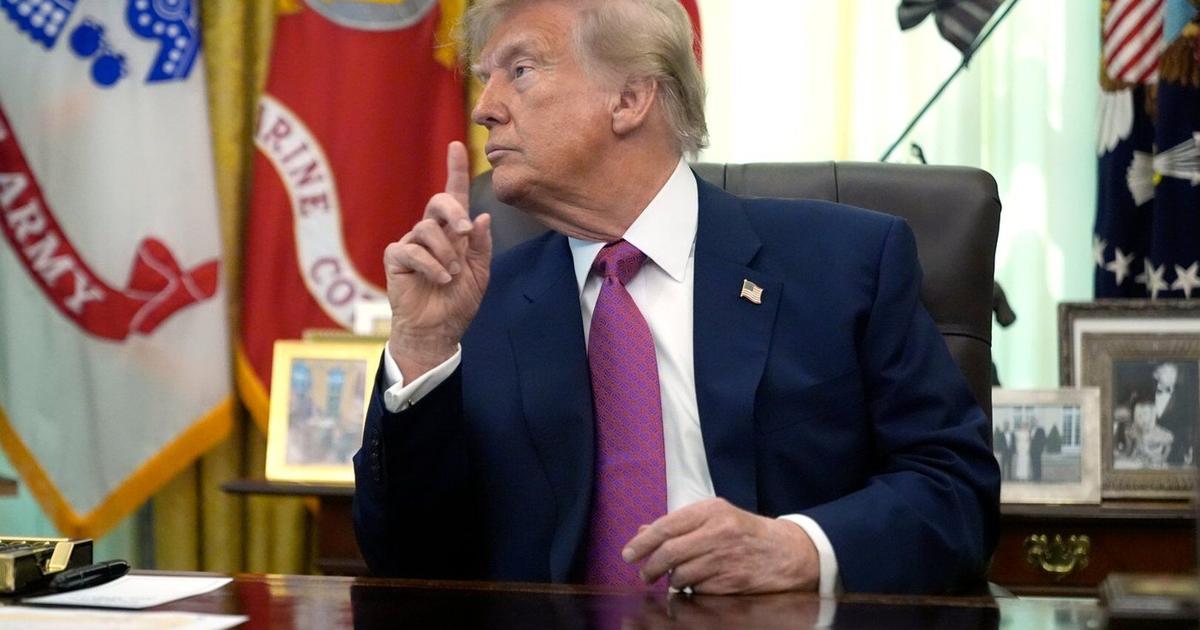
On October 26, 2021, President Donald Trump criticized the US Supreme Court for blocking his administration's plan to restrict mail-in voting ahead of the November midterm elections. The court's decision thwarted Trump’s attempt to implement stricter rules on mail ballots, which he claimed were necessary to prevent voter fraud—though there was no evidence supporting this claim.
Trump appointed three justices (Neil Gorsuch, Brett Kavanaugh, and Amy Coney Barrett) during his presidency, building a conservative majority in the Supreme Court. Despite the court's significant rightward shift under Trump-appointed judges, it rejected his latest effort to change voting regulations on emergency grounds.
The regulation would have required states to provide voter-specific data and use agency-approved mail-ballot envelopes with barcodes for tracking purposes. The decision was met with criticism from Trump, who accused the Court of being swayed by "the Radical Left" into making decisions that harm America's interests.
Voting rights advocates celebrated this ruling as a victory against potential disenfranchisement efforts. Election officials feared that stricter rules might wrongly prevent thousands of voters—especially those in marginalized communities—from casting their ballots via mail.
The Supreme Court’s decision followed multiple federal judges' orders to block Trump's proposed USPS rule changes, highlighting the growing legal challenges faced by his administration regarding electoral integrity and voter access. This ruling underscores the ongoing political tensions surrounding voting rights and election security ahead of crucial midterm elections.
Written for “Trump Supreme Court Battles” on 2026-09-18,
grounded in this article and the 40 other(s) covering the same event.
The top official at the U.S. Postal Service said Thursday that the agency has stopped work on developing a controversial computer system that was central to President Donald Trump’s effort to limit mail voting after the Supreme Court rejected his executive order this week.
asserted
Court → say → order
“There’s an injunction so we’re not doing anything,” postmaster general David Steiner told The Associated Press in an interview.
asserted
Steiner → ’ → interview
Steiner, a onetime chief executive of Waste Management, has spent most of the past year atop the postal service navigating political and financial challenges.
asserted
Steiner → spend → challenges
He’s pressing Congress for changes that would help him resolve what he has called a “liquidity crisis.”
asserted
he → press → what
And Trump’s efforts to largely eradicate mail voting turned the postal service into an unlikely arbiter of who is eligible to vote just months before this year’s critical midterm elections, a role Steiner seemingly had little interest in playing.
asserted
Steiner → eradicate → interest
Unlike Trump, who was sharply critical of the Supreme Court decision and ridiculed some of the justices, Steiner offered no assessment of the court’s action.
asserted
Steiner → ridicule → action
Steiner also declined to take a position on Trump’s policy, presenting himself as the leader of an “independent agency of the executive branch” whose influence over the president’s order was limited to operational concerns.
asserted
influence → decline → concerns
“I don’t get to decide what rules that are put on us that I decide to accept or not accept,” he said.
asserted
he → get → that
“I looked at it more from the execution side.”
asserted
I → look → side
The postal service has asserted its independence in the past, including during a 2019 standoff when the first Trump administration sought to pressure the agency as the president was in a dispute with Amazon.
asserted
president → assert → Amazon
Steiner said he wouldn’t get into the “nuance” of that.
asserted
he → say → that
But the pressure has grown so intense at points that it’s fueled talk of whether Steiner might resign, a notion he denied.
uncertain
he → grow → notion
“There’s no truth to that,” he said.
asserted
he → ’ → that
“I think I know the motivation behind it.
asserted
I → think → it
I think it’s somebody that would like to see me out of a job.”
asserted
me → think → job
Inserting the Postal Service into elections
The executive order Trump signed in March directed several federal agencies to develop state citizenship lists.
asserted
Trump → insert → lists
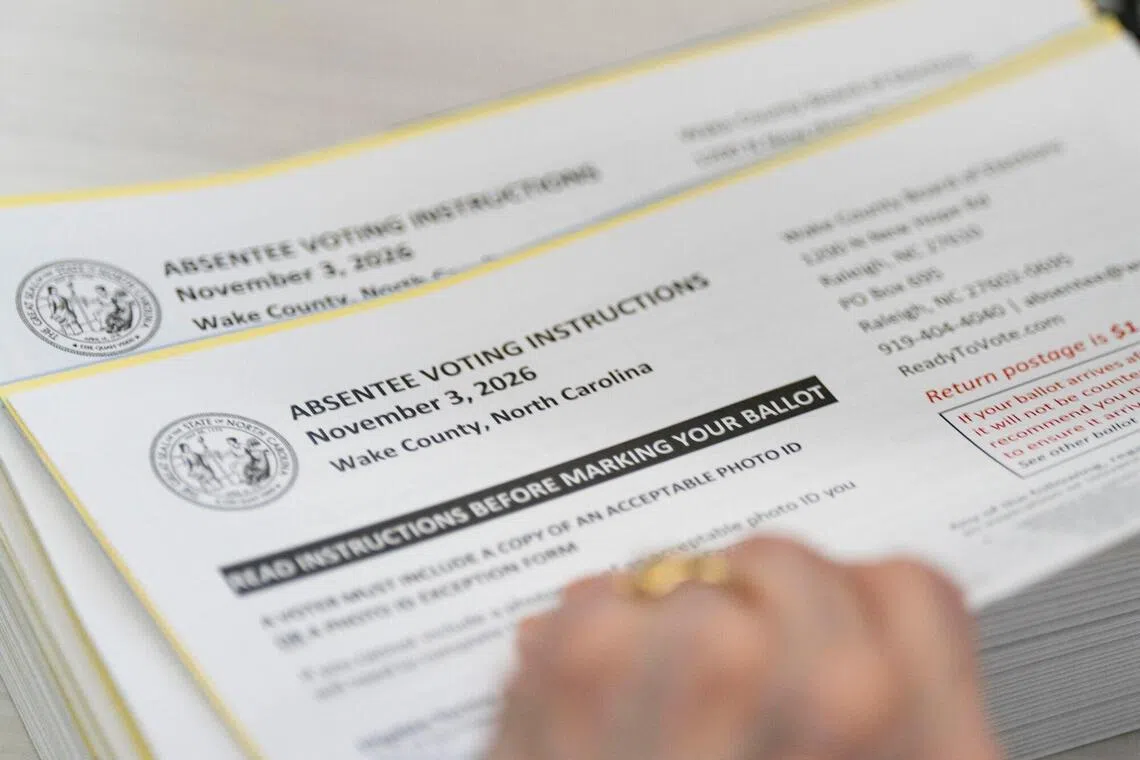
Those lists would have been delivered to an online portal at the Postal Service, which would have been allowed to send mail ballots only to voters who were cleared through the process.
asserted
who → deliver → process
Steiner said he knew about the order about a month before it was unveiled but said his focus was largely on implementation, not the policy’s merits.
asserted
focus → say → implementation
A whistleblower report released earlier this month by Sen. Richard Blumenthal, D-Conn., argued the system was hastily built and riddled with errors.
asserted
system → release → errors
Steiner said he read “portions” of the whistleblower report and acknowledged the obstacles associated with building such a massive platform quickly.
asserted
he → say → platform
Still, he said he had confidence in colleagues working on the project and had planned to unveil it around Sept. 15.
asserted
he → say → Sept.
“There’s absolutely no doubt that we worked fast,” he said.
asserted
he → ’ → ?
“My personal opinion is it was a monumental task and I’m very proud of our IT department for being able to do it that fast.
asserted
I → ’m → it
In addition to the voter list, Trump’s order would have required states to adopt a uniform envelope style that included barcodes, something states said would have been arduous so close to the election.
asserted
states → require → election
Following the Supreme Court’s ruling, a memo sent to all postal service employees Wednesday and obtained by the AP said the agency will “not be enforcing any of these new rules in the 2026 federal election.”
asserted
agency → follow → election
“First and foremost, for Election Mail it is business as usual,” according to the memo.
uncertain
it → accord → memo
“We continue to follow established protocols, and we remain entirely focused on our core mission: delivering the mail safely and securely for voters and election officials across the country.”
asserted
we → continue → country
Though the Supreme Court rejected Trump’s executive order for this year’s election, Justice Brett Kavanaugh indicated he might rule in favor of the administration if the issue comes back before the court at a later time.
uncertain
issue → reject → time
Steiner encourages voters to cast ballots early
Steiner said the postal service would still encourage the use of envelopes and barcodes in future elections, which it has long recommended.
asserted
it → encourage → which
He said such changes wouldn’t be required but those who don’t comply may have to pay more.
uncertain
who → say → more
“If you use the barcode in the envelope, we’ll charge you a lower price,” he said.
asserted
he → use → price
“If you don’t, we’re going to charge you a higher price because it’s harder for us to process.
asserted
us → do → price
While the postal service isn’t moving forward on Trump’s order, there are still concerns about postmark delays that could have an impact on this year’s elections.
uncertain
that → move → elections
The number of ballots rejected for late postmarks has soared in the vote-by-mail states of Washington and Oregon, according to recently released data highlighting concerns about recent changes in postal service operations.
uncertain
number → reject → operations
Steiner said there were no plans to alter those operations and encouraged voters who use mail to get their ballots in early.
asserted
who → say → ballots
“We say seven days,” he said.
asserted
he → say → days
“Everything is solved if people vote early.”
asserted
people → solve → ?
 The Aporia