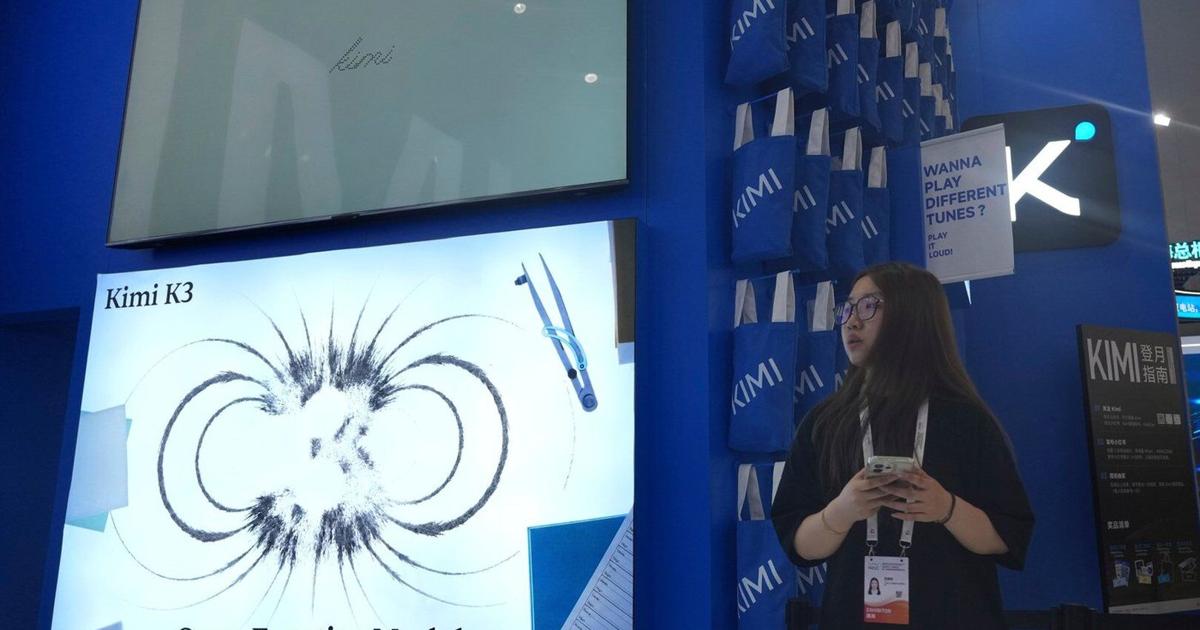
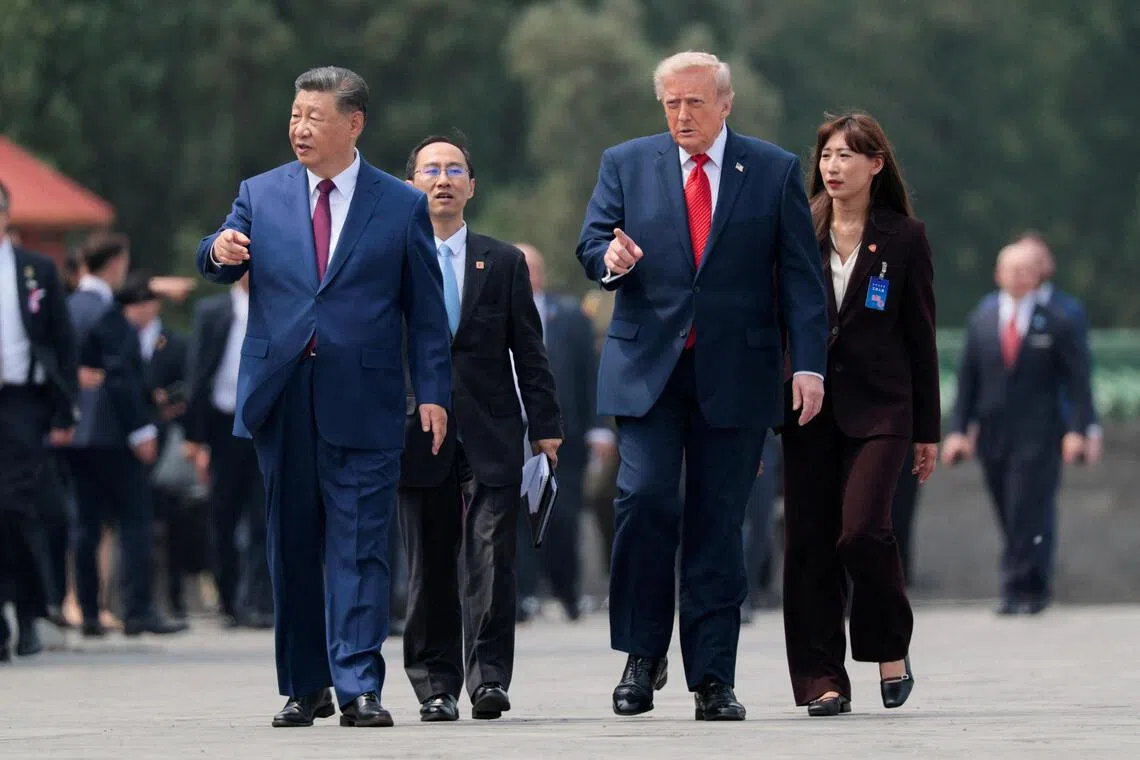
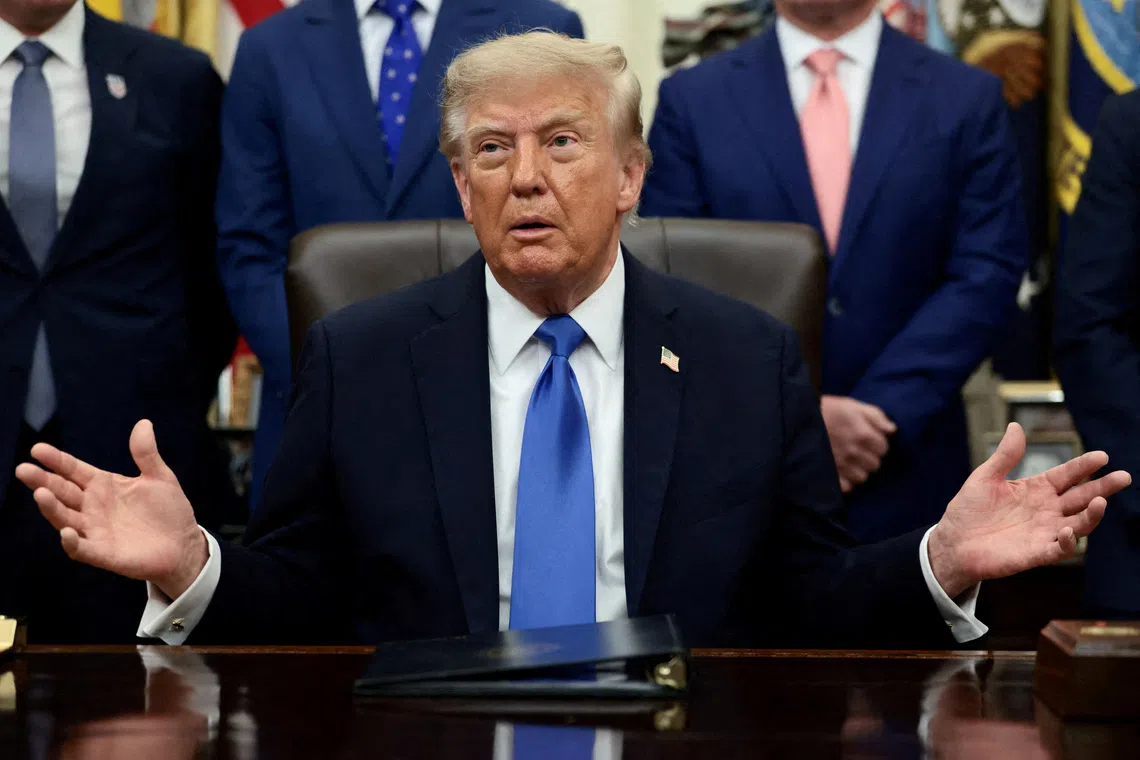
A US government website for the Federal Register used an AI search tool developed by Chinese tech giant Alibaba from September 16 until it was removed around the same day, according to Reuters. The FBI had previously accused Alibaba of “maliciously” copying technology from American firm Anthropic, raising tensions between the U.S. and China ahead of a high-level meeting. While US officials criticized Chinese AI companies for copying American technologies on an industrial scale, the use of Qwen by a federal entity sparked debate about the government's stance on employing Chinese-made AI tools.
Written locally by qwen2.5:14b on 2026-09-18,
using this article's own text rather than the other coverage of the
same event (that is the story summary below).
Story summary
On September 16, a US government website, run by the National Archives, used Alibaba's AI search tool called Qwen for searching proposed federal regulations. This came despite an accusation from the FBI that Alibaba had "maliciously" copied technology from Anthropic, another AI company based in the United States. The Qwen-powered search was quickly removed after it became public knowledge. This incident occurred amid rising tensions between Washington and Beijing ahead of a planned meeting between their leaders. US officials have claimed that Chinese AI companies are systematically copying American technologies on an industrial scale, raising concerns about intellectual property theft and technological competition.
Written for “Chinese AI Tool Controversy” on 2026-09-18,
grounded in this article and the 0 other(s) covering the same event.
US government website used AI search tool from China that FBI said copied Anthropic
AI generated
asserted
FBI → use → AI
A US government website employed an AI model from a Chinese company for users to search proposed federal regulations despite the FBI accusing the model’s developer, Alibaba, of “malicious” copying of US rival Anthropic’s technology.
asserted
FBI → employ → technology
The website of the Federal Register, which is run by the National Archives, had the search tool using Alibaba’s Qwen model available on Sept 16 along with other search options.
asserted
tool → run → options
It was unclear when it was deployed.
uncertain
it → deploy → ?
The Qwen-powered search was taken down on Sept 16 around the same time social media posts appeared about it, according to screenshots and an archived version of the site’s source code reviewed by Reuters.
uncertain
posts → power → Reuters
The FBI last week accused Alibaba of copying Anthropic’s models to build its own artificial intelligence tools, raising tensions between Washington and Beijing ahead of a meeting next week between the countries’ leaders.
US officials said then that Chinese AI companies were engaged in “malicious” copying of US technology on an “industrial scale”.
asserted
companies → accuse → scale
The FBI declined to comment on Sept 17.
asserted
FBI → decline → Sept
The National Archives and the White House did not respond to requests for comment.
asserted
Archives → respond → comment
A spokesperson for the Chinese embassy in Washington said the allegations of copying were “unfounded”.
asserted
allegations → say → copying
The US government’s use of Qwen emerged amid a global reckoning about AI safety and a US debate over whether regulatory safeguards on AI are needed or would put the country at a competitive disadvantage.
asserted
safeguards → emerge → disadvantage
AI experts said the use of the Chinese tool on the Federal Register’s website may not have posed national security risks.
uncertain
use → say → risks
But it raised questions about whether the federal government was contradicting its own messages about Chinese AI models.
asserted
government → raise → models
Daniel Castro, president of the Information Technology and Innovation Foundation, said there was a disconnect between the fierce US-China competition to build superior AI models and a US agency choosing to use a Chinese-made AI model.
asserted
agency → say → model
“It’s one of the most insane things I’ve ever seen,” he said.
asserted
he → ’ → things
The Federal Register website, which provides a daily list of newly proposed regulations, offered the Qwen model as a tool to browse public comments.
asserted
which → provide → comments
Qwen is an open-weight model, meaning key components of the system are publicly available.
asserted
components → mean → system
Developers can download and modify the model for specific uses, often at lower cost than closed models from companies such as Anthropic and OpenAI.
asserted
Developers → download → Anthropic
“No federal government entity should use a Chinese AI model,” said US Representative John Moolenaar, a Michigan Republican who chairs the House China Committee.
asserted
who → use → Committee
“Doing so only makes the federal government more dependent on Chinese AI models and that is not in the national interest”.
asserted
that → do → interest
Security experts say open-weight models can run on a company’s own IT infrastructure, giving organizations greater control over sensitive data that might otherwise be shared with outside providers.
uncertain
that → say → providers
Georgetown Law Professor Anupam Chander said the use of Qwen did not appear to present an immediate cybersecurity risk, though that depends on how the model was trained.
asserted
model → say → risk
The Federal Register website’s content is already public, so the model was not working with sensitive government information.
asserted
model → work → information
Democratic US Senator Mark Warner of Virginia, vice-chairman of the Senate Intelligence Committee, said in a statement that the risk depends on whether US data left the government’s security boundary and was processed on Alibaba-controlled systems.
asserted
data → say → systems
In April, the US House committees on China and homeland security sent a letter to Airbnb, which also uses Qwen, asking for details about its use as part of an investigation into the “national security risks created by the integration” of Chinese AI tools into platforms used by Americans.
asserted
which → send → Americans
 The Aporia