ABC News (AU)
· collected 2026-09-17 · by Business Reporters Daniel Ziffer; Jasper Wells
In short:
Diesel prices are well above pre-war levels and unlikely to come down.
asserted
prices → come → levels
Agricultural businesses are being hit hard with increased costs of fuel, fertiliser and pesticides.
What's next?
asserted
What → hit → fuel
Rising transport costs could flow through to the rest of the economy and worsen inflation, according to industry experts.
uncertain
costs → rise → experts
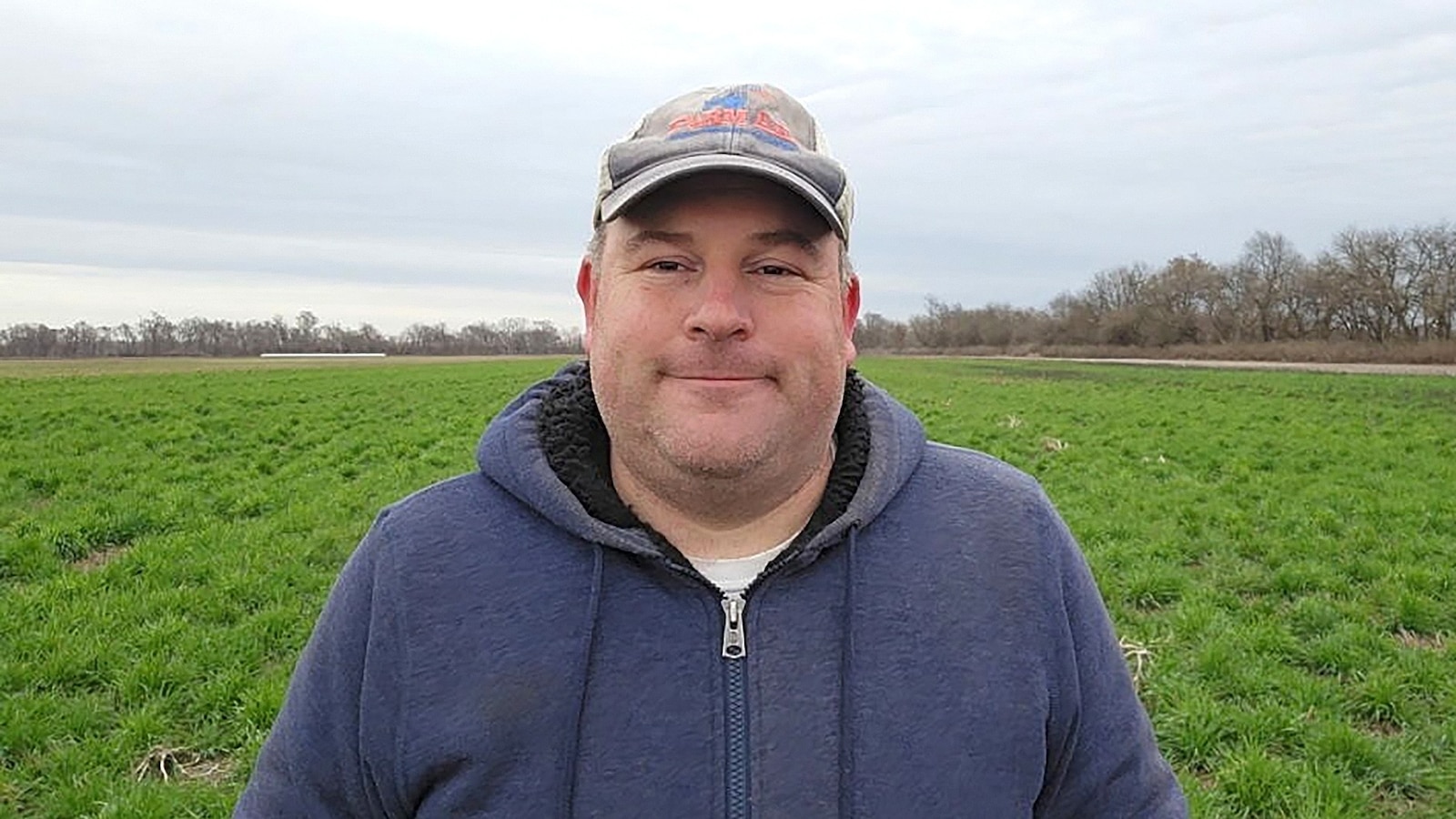
It is a long way from the Red Sea to grain farmer Adrian Roles' property in regional New South Wales, but the Middle East conflict is having a major impact on his harvest.
asserted
conflict → have → harvest
The wheat and sheep farmer said the price of diesel, pesticides, herbicides and even shipping to his property just outside Wagga Wagga have all increased.
asserted
price → say → Wagga
Crude oil, which is the base product for diesel, has surged over $US105 per barrel, up from around $70 per barrel before the conflict.
asserted
which → surge → conflict
The prices swings are taking a toll.
asserted
swings → take → toll
"So it's costing us, on the bottom line, about 40 per cent of our profitability," he said.
asserted
he → cost → profitability
World scrambles for diesel
For farmers like Mr Roles the pressures from the conflict in the Middle East look likely to continue, according to Commonwealth Bank head of commodities Vivek Dhar.
uncertain
pressures → look → Dhar
The war's closure of the Strait of Hormuz, through which a fifth of the world's oil normally flows, has left much of the world scrambling for commodities like diesel.
"The market is screaming for that diesel right now,"Mr Dhar said.
asserted
Dhar → flow → diesel
Pipelines that bypass the strait have alleviated some of the pressure but have been damaged in the conflict.
asserted
that → bypass → conflict
Mr Dhar said only about half the amount of crude oil from before the war is being exported from the Persian Gulf.
asserted
amount → say → Gulf
He believed the price of diesel would soon be more than the market would be able to stomach, with attacks on Russia's diesel refineries worsening the global shortage.
asserted
attacks → believe → shortage
"So basically whatever's coming out of the Strait is what you have,"he said.
asserted
you → come → what
Refiners are not letting a crisis go to waste, with the profit margin per barrel, known as the "crack spread", increasing from around $24 to $69.
Australia is particularly vulnerable to those price swings as it imports around 80 to 90 per cent of its diesel.
asserted
it → let → diesel
Mr Roles, who is also chair of the New South Wales Farmers Grain Committee, said "it's not like we can pass on these additional costs".
"We sell into a global commodity market, so we're price takers as well," he said.
asserted
he → say → market
"We're basically taking the international price."
It is not just diesel that is pushing up costs for farmers.
asserted
that → take → farmers
The rising price of fertiliser and pesticides which are made from petrochemicals, using oil products, has cut into their margins as well.
asserted
which → rise → margins
That cost of rising fuel prices flows into the rest of the economy, and businesses have to pay more to transport their products, Container Transport Alliance Australia's director Neil Chambers said.
asserted
director → rise → products
"The price [of diesel] has risen dramatically, over 50 per cent, and that puts a great strain on cash flow," Mr Chambers said.
asserted
Chambers → rise → flow
He said transport businesses were immediately passing higher fuel prices onto their customers.
asserted
businesses → say → customers
"We haven't got a fuel supply crisis, we have a fuel cost crisis,"he said.
asserted
we → get → crisis,"he
One example of the pressures is at Butler Freight Services, based adjacent to Australia's busiest container port in Melbourne.
asserted
example → base → Melbourne
Before the conflict, transport companies like Butler would update their fuel surcharge, a fee on top of standard costs, once a month or every few months.
asserted
companies → update → costs
That's because of the volatility in fuel pricing," Mr Chambers said.
asserted
Chambers → say → pricing
That means fuel increases are being passed down the supply chain and through to the eventual consumer much more quickly.
asserted
increases → mean → consumer
That is unlikely to change, according to Mr Chambers.
uncertain
That → change → Chambers
"It's going to be a number of years of higher fuel prices," he said.
asserted
he → go → prices
Fuel prices worsen inflation
asserted
prices → worsen → inflation
Transportation impacts the cost of almost all goods, so the potential for diesel prices to further drive up inflation is real.
asserted
prices → impact → inflation
Inflation, the speed of price rises, is already above the rate the central bank wants to see, between 2 and 3 per cent a year.
asserted
bank → want → rate
For the year to July prices rose at 3.6 per cent, the same speed as the previous month.
asserted
prices → rise → month
Speaking earlier this week, Reserve Bank chief economist and assistant governor Sarah Hunter called the Middle East crisis "the big unknown" in the global economy.
"Clearly prices have tracked up [and] just recently that is flowing into the local economy," she said.
asserted
she → speak → economy
Dr Hunter said regional areas were "more exposed" to the shock than people who lived in cities.
asserted
who → say → cities
With no end in sight to the conflict, it meant higher prices, lower profit margins and more economic pain.
"We don't underestimate that," she said.
asserted
she → mean → that
 The Aporia