Photo via Semafor

Global trade turmoil risks food price shock

Read the original at Semafor ↗
Cite

Rao, P. (2026, September 21). Global trade turmoil risks food price shock. Semafor. https://www.semafor.com/article/09/21/2026/global-trade-turmoil-risks-food-price-shock

Dated when The Aporia collected the article, usually within hours of publication. Check the original for its exact date and byline.

Semafor · collected 2026-09-21 · by Prashant Rao

Quick Summary

Global trade restrictions and conflicts are raising concerns about an impending worldwide increase in food prices, especially affecting less prepared poorer nations. Fuel price hikes due to tensions at critical shipping straits like Hormuz and Bab el-Mandeb, combined with ongoing military actions between Russia and Ukraine that disrupt their wheat exports, contribute to this risk. Additionally, climate change is exacerbating the situation, as evidenced by a 2.5% year-over-year rise in the UN food commodities index. The chief economist of the UN’s Food and Agriculture Organization highlights growing uncertainty in global food markets.
Written by AI on 2026-09-21, from this article's own text only (the story summary below draws on all the coverage).

AI analysis

Story summary

Escalating conflicts between Russia and Ukraine, which together provide about one quarter of the global wheat supply, are disrupting shipping infrastructure and contributing to rising food prices worldwide. The situation is exacerbated by ongoing blockades at strategic trade routes such as the Hormuz and Bab el-Mandeb straits, leading to higher fuel costs that affect farmers during their harvest seasons. Additionally, climate change has pushed up a UN index of food commodities by 2.5% year-over-year. According to the chief economist of the Food and Agriculture Organization, these factors are reintroducing significant risk premiums into global food markets, particularly impacting poorer nations who may be less equipped to handle such shocks.

Written for “Food Price Shock Risk” on 2026-11-18, grounded in this article and the 0 other(s) covering the same event.

Compared with similar articles

This article reads leans left and hedges 0% of its claims. Each row says how that neighbour differs.
BBC News
Hedges 7 of 33 claims Outlet record 65/100
“The articles discuss different aspects of global economic challenges; one focuses on rising oil prices due to conflicts in Saudi Arabia, while the other discusses food price concerns related to shipping restrictions and conflict in Ukraine.”
BBC News
Hedges 4 of 19 claims Outlet record 65/100
“The articles discuss different aspects related to global food supply and price issues but describe distinct concerns including shipping restrictions versus climate change impacts.”
CBS News
Leans left Hedges 0 of 4 claims Outlet record 67/100
“The articles discuss related issues but describe different aspects and impacts affecting farmers due to global trade turmoil.”
The Straits Times
Hedges 2 of 16 claims Outlet record 64/100
“The articles discuss different aspects of global food security issues but do not describe the same specific incident or outcome.”
Dawn
Hedges 1 of 23 claims Outlet record 67/100
“The articles discuss different aspects of global food trade and economics without clearly referencing the same specific incident.”
The Guardian
Hedges 1 of 21 claims Outlet record 64/100
“The articles discuss different aspects of global food trade issues but do not describe the same specific incident.”
South China Morning Post
Hedges 0 of 6 claims Outlet record 62/100
“The articles discuss different aspects of global food security concerns but describe distinct topics and events.”
ABC News (AU)
Hedges 3 of 35 claims Outlet record 67/100
“While both articles discuss rising fuel prices and their impact on agriculture due to conflicts in key trade routes, they describe different aspects and timelines of the broader issue.”

Story

Food Price Shock Risk
Economy/Business · 1 article(s) covering the same event.
How this article was measured signals, leaning charts, publisher record, byline, topics and claims

Signals How these are calculated →

Claims extracted
5
sentences that state something as happening or true
Uncertain
0%
0 of 5 hedged ("reportedly", "may", "according to")
Leaning
Leans left
of the writing, not the subject · beta estimate
Publisher signals
65/100
Semafor's corrections and hedging, across everything collected from it. Not a measure of accuracy.
Outlets on this story
1
Economy/Business
Same framing elsewhere
1
articles that frame the event the way this one does
Analyzed 2026-09-21 · how these are computed

How this is being covered How these are calculated →

Article leaning vs. publisher reliability
Source leaning vs. consistency

Publisher

Semafor · 1856 article(s) · 6 correction(s) detected
Running correction rate · 6 correction(s)

Who wrote this

Prashant Rao
136 article(s) here · 0 carrying a prediction
Former UK Prime Minister Rishi Sunak largely concurred with Paulson, adding that while regulatory efforts thus far — such as the EU’s AI Act — were “not the right approach … that doesn’t mean we do nothing.” “The worst thing would be if we had some type of catastrophic accident … then we will have, as we all know, an overreaction on the other side.”
Ousted Nvidia chief Jensen Huang said Tuesday that he would be ‘honored’ to return as CEO, in his first public remarks since resigning from the US chip giant after revelations of extramarital affairs.
Kress’ reported reluctance to support Huang’s strategy to backstop and invest in many of the companies driving the technology will also be of particular focus: Any sign Nvidia is pulling back will have huge ramifications for the sector, and the global economy.
2026-11-17 · assertive framing · Nvidia’s earnings overshadowed by succession dilemma
US President Donald Trump said he would proceed “a bit more civilly” as part of an American focus on economic pressure; a powerful Iranian politician, meanwhile, said a path remained for a deal between the two countries to end the war.
2026-11-16 · mixed framing · Oil up on renewed hostilities in the Middle East
A growing consensus in Washington towards tightening restrictions on China’s access to cutting-edge chip technology will have a negative, long-term impact on the AI sector and the US itself, a leading outlet warned.
2026-11-13 · assertive framing · Chip curbs may have long-term negative impacts on AI
European leaders were set to hold talks on how to compete with the US and China in the AI race, but analysts voiced skepticism the EU could overcome structural shortcomings.
Concerns have mounted over the AI trade, notably over growing tech-sector borrowing, circular financing in the industry, and questions over whether revenues will keep pace with historic capex plans.
2026-11-12 · assertive framing · Nvidia scandal hits tech stock rally
His firing would bring to an ignominious end an astonishing 33-year run as Nvidia’s leader, from its founding as a niche graphics-card maker to the firm at the center of the AI boom.
2026-11-12 · mixed framing · Nvidia weighs firing CEO following spying scandal
Next week’s talks in Shenzhen were set to advance an ongoing AI dialogue, potentially sharing best practices on pre-release testing of advanced models,
2026-11-12 · mixed framing · Nvidia CEO's spy affair clouds US-China talks
The potential ouster of Nvidia’s CEO could lead to a tightening of US controls on the sale of cutting-edge semiconductor technology to China.
2026-11-12 · mixed framing · Nvidia scandal sparks calls for export curbs
Also by Prashant Rao
Nothing else under this byline is closely related to this article, so these are simply their most recent.
All 136 articles by Prashant Rao →

Topics

Food and Agriculture Organization Russia Ukraine

Subjects

Food and Agriculture Organization ORG · 1× Russia GPE · 1× Ukraine GPE · 1×

Narrative

Meanwhile, escalating bombardments by Russia and Ukraine — which together account for a quarter of the global wheat supply — on each other’s shipping infrastructure are piling pressure on food prices.
framing: assertive · carried by 1 article(s) · first seen 2026-09-21
2026-09-21 · Semafor
Global trade turmoil risks food price shock · assertive framing

Claims (5 extracted, 0 hedged)

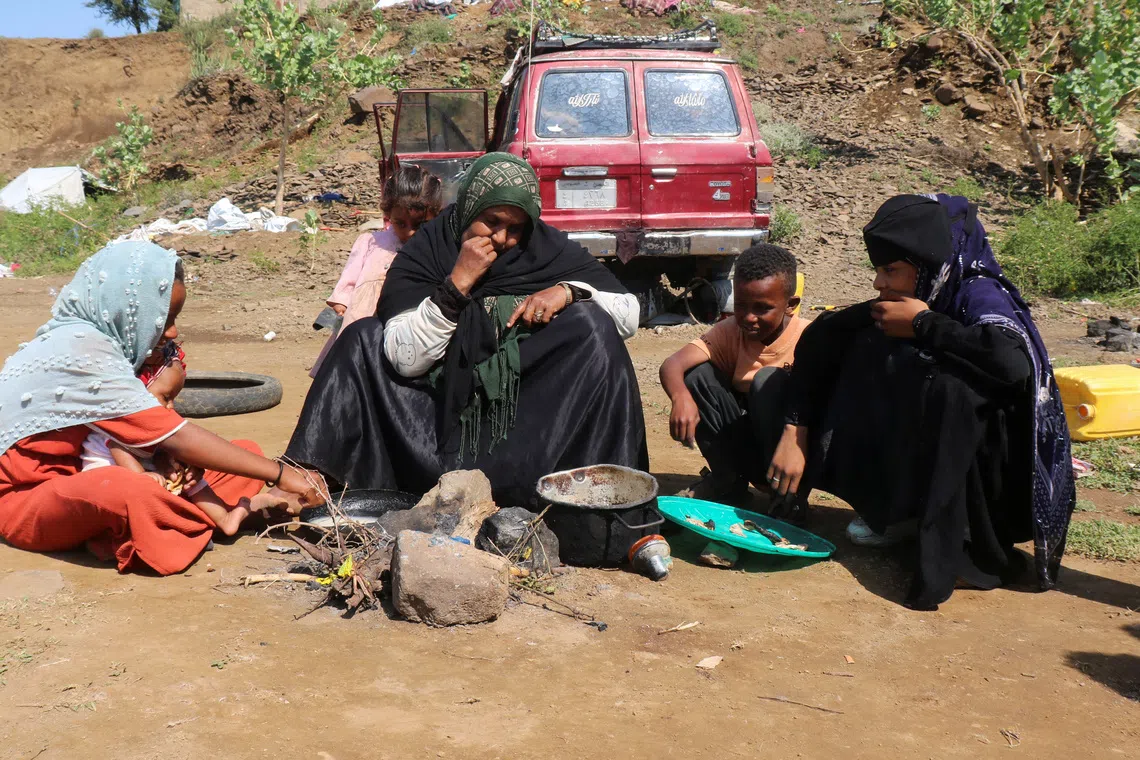
Restrictions on shipping through key global trade routes are stoking concerns of a coming worldwide food-price shock, with poor countries particularly ill prepared. asserted
countries → ship → shock
Rising fuel prices caused by the instability at the Hormuz and Bab el-Mandeb straits are hitting farmers in parts of the West just as harvest season opens. asserted
season → rise → West
Meanwhile, escalating bombardments by Russia and Ukraine — which together account for a quarter of the global wheat supply — on each other’s shipping infrastructure are piling pressure on food prices. asserted
which → escalate → prices
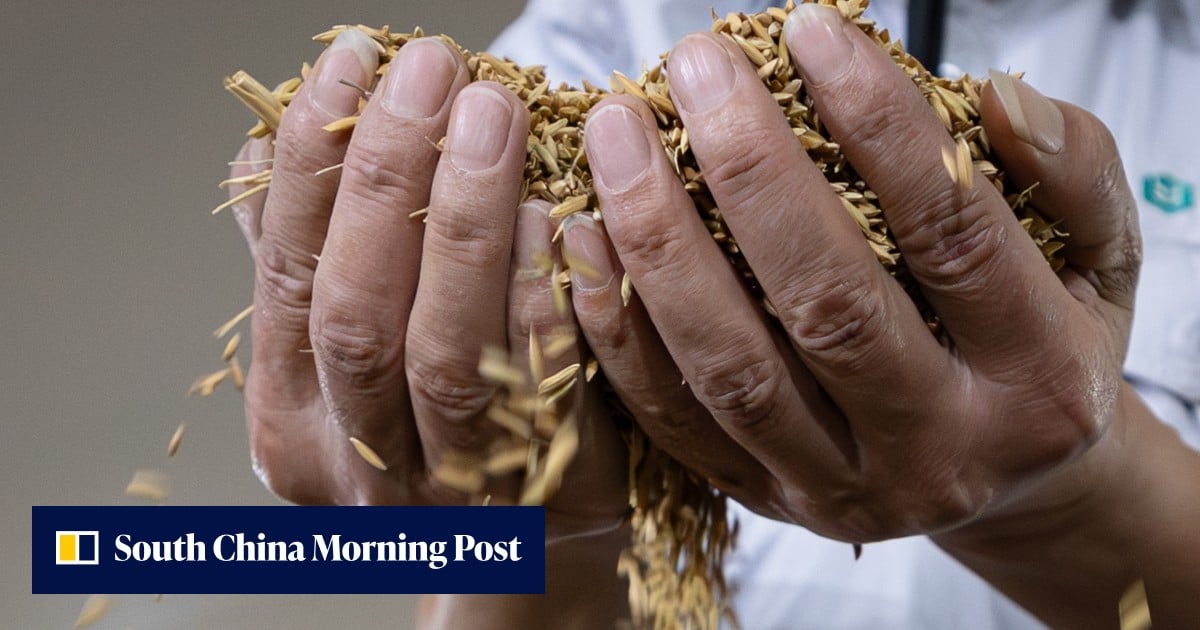
Climate change is compounding the issue, with a UN index of food commodities up 2.5% year-on-year. asserted
index → compound → year
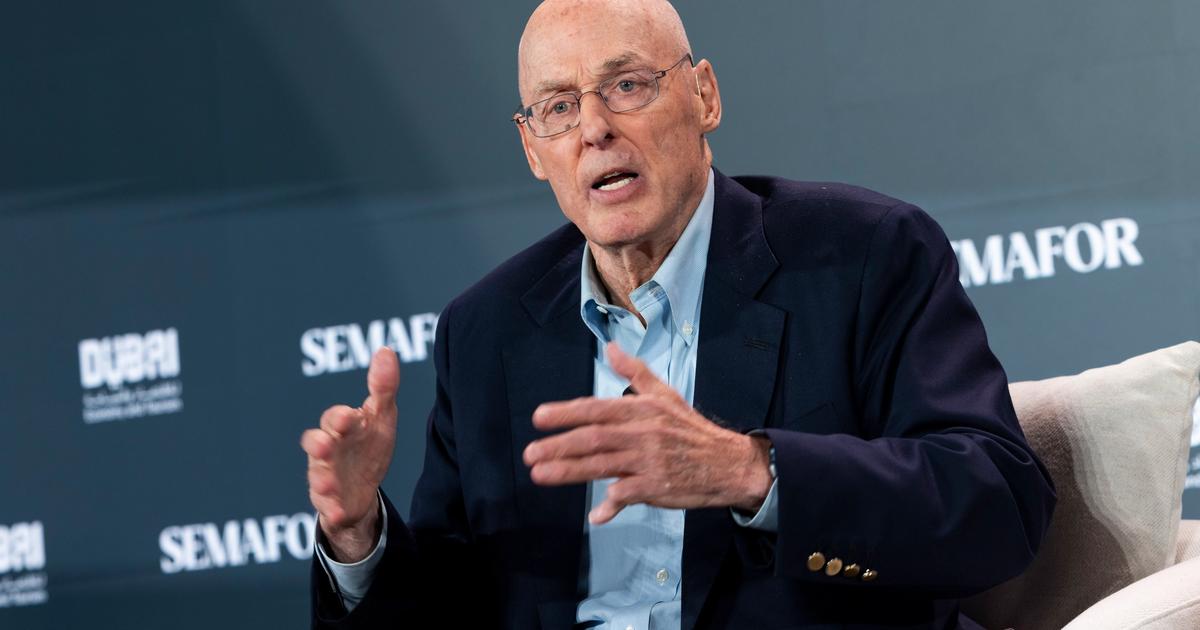
“The risk premium is returning to food markets,” the chief economist of the UN’s Food and Agriculture Organization said. asserted
economist → return → Organization
Give feedback · no sign-in needed

No sign-in needed for now. Your note is sent without a name, so it cannot be answered.

History Support