That is 0 articles you have read today.
The Aporia is free and carries no advertising, so readers are the only
thing paying for it. If you are getting this much out of it, a small
donation is what keeps it independent.
Daily limit reached
You have read 0 articles today.
That is more than the 15 a day The Aporia gives away,
and well past what it can carry on nothing. Your allowance resets at
midnight.
There is no advertising here and nothing about you is sold, so readers
are the only thing paying for it. If the site is worth this much of
your day, it is worth a few dollars.
Everything else stays open: the
maps, the
directory and
search do
not count against this, and neither does re-opening something you have
already read today.
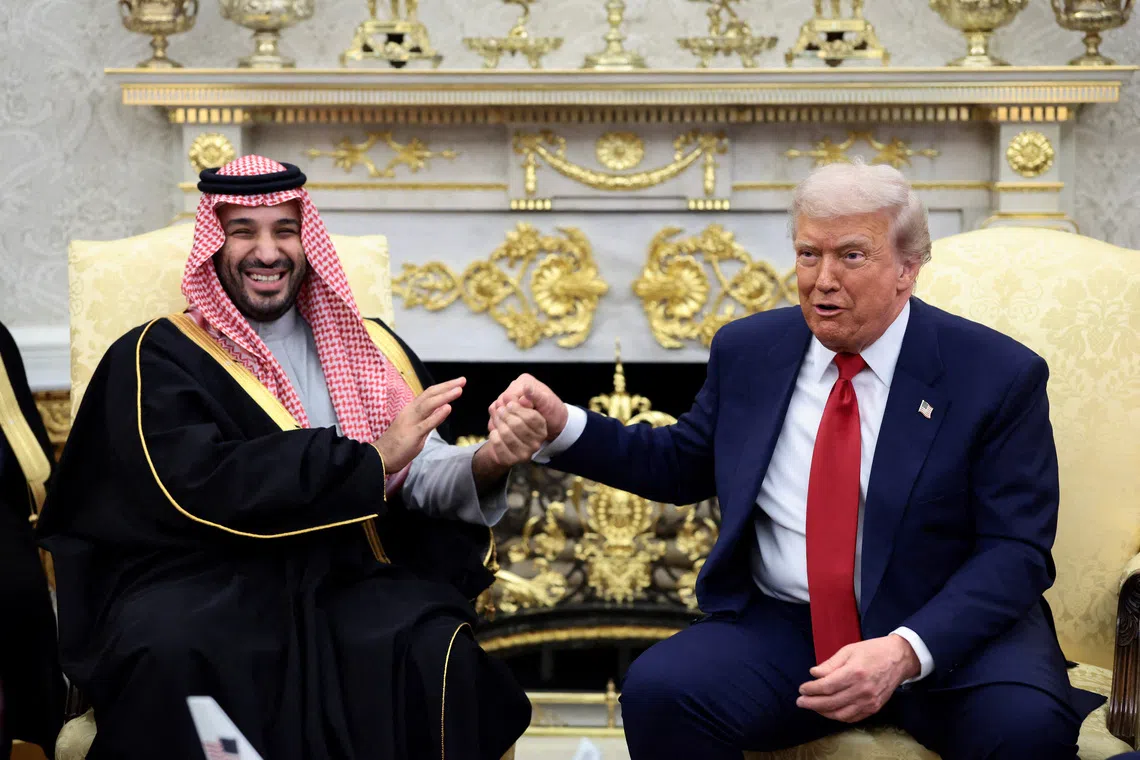
On September 17, US House Democrats introduced a resolution aimed at blocking President Trump's civil nuclear agreement with Saudi Arabia from taking effect within the 90-day review period mandated by law under Section 123 of the Atomic Energy Act. The deal faces criticism for lacking safeguards against uranium enrichment and reprocessing that could lead to weapons development, unlike previous agreements such as the one with the United Arab Emirates. Democrats argue that a nuclear-capable Saudi Arabia would exacerbate regional tensions, particularly amid uncertainties about Riyadh's willingness to normalize relations with Israel as a condition of the agreement.
Written locally by qwen2.5:14b on 2026-09-17,
using this article's own text rather than the other coverage of the
same event (that is the story summary below).
Story summary
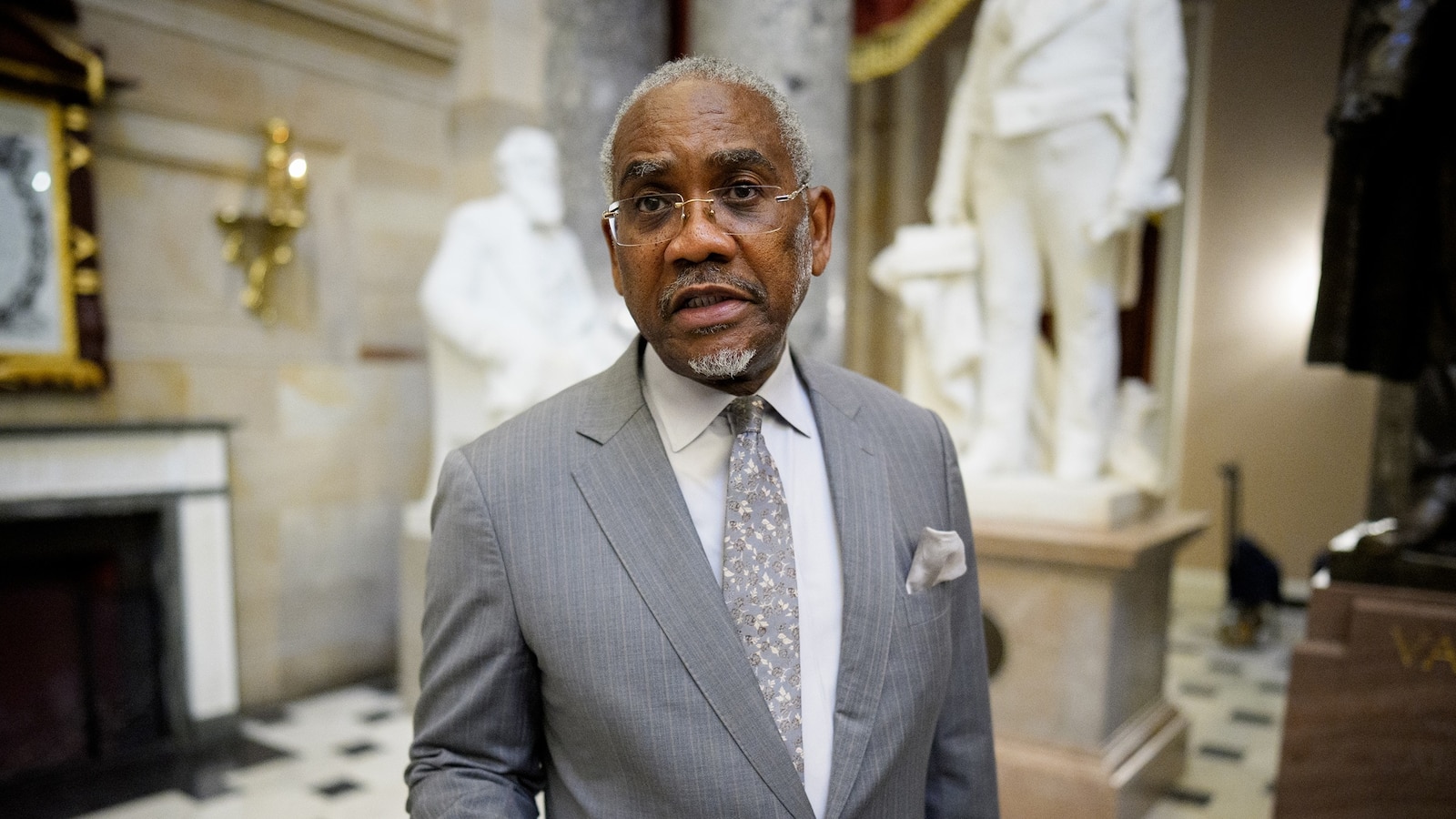
Democratic lawmakers, including Gregory Meeks, Brad Sherman, John Garamendi, and Don Beyer, introduced a Joint Resolution of Disapproval on Wednesday to block a nuclear cooperation agreement between the United States and Saudi Arabia. This resolution comes shortly before Congress left for midterm elections, giving them 90 days to review the deal proposed by President Donald Trump in August. The deal allows American companies to work on billions of dollars worth of nuclear energy projects in Saudi Arabia but has raised concerns over potential proliferation issues. Critics argue that allowing Saudi Arabia to enrich uranium or reprocess nuclear waste could contribute to nuclear weapon development, especially considering previous agreements like the one with the United Arab Emirates included stricter safeguards. The resolution requires a two-thirds vote to override any presidential veto, making its passage uncertain after November's midterms.
Written for “Saudi Nuclear Deal Opposition” on 2026-09-18,
grounded in this article and the 1 other(s) covering the same event.
Why this leaning score
The article's own words the score was based on. Each is quoted
verbatim and was checked against the article text before being
stored, so you can find it in the original.
Leaning score -0.35 for article 16531 (high confidence, 2 verified quotes) · logged 2026-09-17
Claims extracted
15
claim-shaped sentences
Uncertain
7%
1 of 15 hedged
Leaning
Leans left
of the writing, not the subject
Correction & hedging signals
58.9
corrections and hedging in what we collected;
not a measure of accuracy
Outlets on this story
2
Politics
Narrative spread
1
articles carrying this framing
US Democrats look to stop Trump's Saudi nuclear deal
asserted
Democrats → look → deal
US House of Representatives Democrats raised concerns on Thursday about President Donald Trump's civil nuclear agreement with Saudi Arabia, and said they had introduced a resolution of disapproval seeking to block the deal from coming into force.
asserted
they → raise → force
Trump sent the proposed agreement to Congress in August, opening a 90-day window for lawmakers' review and giving them an opportunity to try to pass a resolution of disapproval.
asserted
Trump → send → disapproval
Democrats and nonproliferation advocates have criticized the nuclear pact for not barring Saudi Arabia from enriching uranium or reprocessing nuclear waste, two potential pathways to a nuclear weapon.
asserted
Democrats → criticize → weapon
The United Arab Emirates agreed to such measures, known as the gold standard, in its 2009 civil nuclear deal with Washington.
asserted
Emirates → agree → Washington
"A region already gripped by conflict and escalation does not need another nuclear power," the four Democrats — Representative Gregory Meeks of New York, the top Democrat on the House Foreign Affairs Committee; Brad Sherman and John Garamendi of California, and Don Beyer of Virginia — said in a statement.
asserted
Democrats → grip → statement
The Trump administration says the deal has nonproliferation measures required by law.
asserted
deal → say → law
It is not clear whether Saudi Arabia will get the deal without normalizing relations with Israel.
asserted
Arabia → get → Israel
Trump has said the pact will only go into effect if Riyadh does so, but congressional aides said there is nothing in the agreement addressing that issue.
asserted
aides → say → issue
Members of Congress have also called for all of the agreement — including classified "side letters" reached with Saudi Arabia — to be made public.
asserted
all → call → Arabia
The 30-year nuclear deal calls for the construction of AP1000 reactors, a project worth tens of billions of dollars that would benefit Westinghouse, jointly owned by Canada-based Cameco and Brookfield Asset Management.
asserted
that → call → Cameco
It is unclear when the House might vote on the resolution.
uncertain
House → vote → resolution
Speaker Mike Johnson on Wednesday sent members home until after the November 3 midterm elections.
asserted
Johnson → send → elections
Additionally, while Congress has passed dozens of disapproval resolutions over the years, no resolution regarding nuclear power or civil nuclear cooperation has ever successfully passed.
asserted
resolution → pass → power
Under Section 123 of the Atomic Energy Act of 1954, agreements for peaceful nuclear cooperation automatically go into effect after 90 days if Congress has not passed a disapproval resolution to block them.
asserted
Congress → go → them
 The Aporia