Democratic lawmakers in Congress are proposing a bill to disapprove of a nuclear cooperation agreement between the United States and Saudi Arabia. The bill was introduced by Reps. Gregory Meeks, Brad Sherman, John Garamendi, and Don Beyer on Wednesday before midterm elections. With this 123 agreement, the U.S. allows for billions of dollars in nuclear energy projects with Saudi Arabia but critics argue it could support potential weaponization due to limited inspection rights at undeclared sites compared to international standards. The deal includes a study on uranium enrichment up to 20%, which security experts warn is close to weapons-grade levels and raises concerns about proliferation.
Written by the local model on 2026-09-17,
using this article's own text rather than the other coverage of the
same event (that is the story summary below).
Democrats propose bill to strike down controversial Saudi nuclear deal
Congress has 90 days to review the agreement on nuclear energy projects.
asserted
Congress → propose → projects
Democratic lawmakers are pushing a bill to disapprove of a nuclear cooperation agreement struck between the United States and Saudi Arabia in a bid to strike down the proposal during a three-month period of congressional review.
asserted
lawmakers → push → review
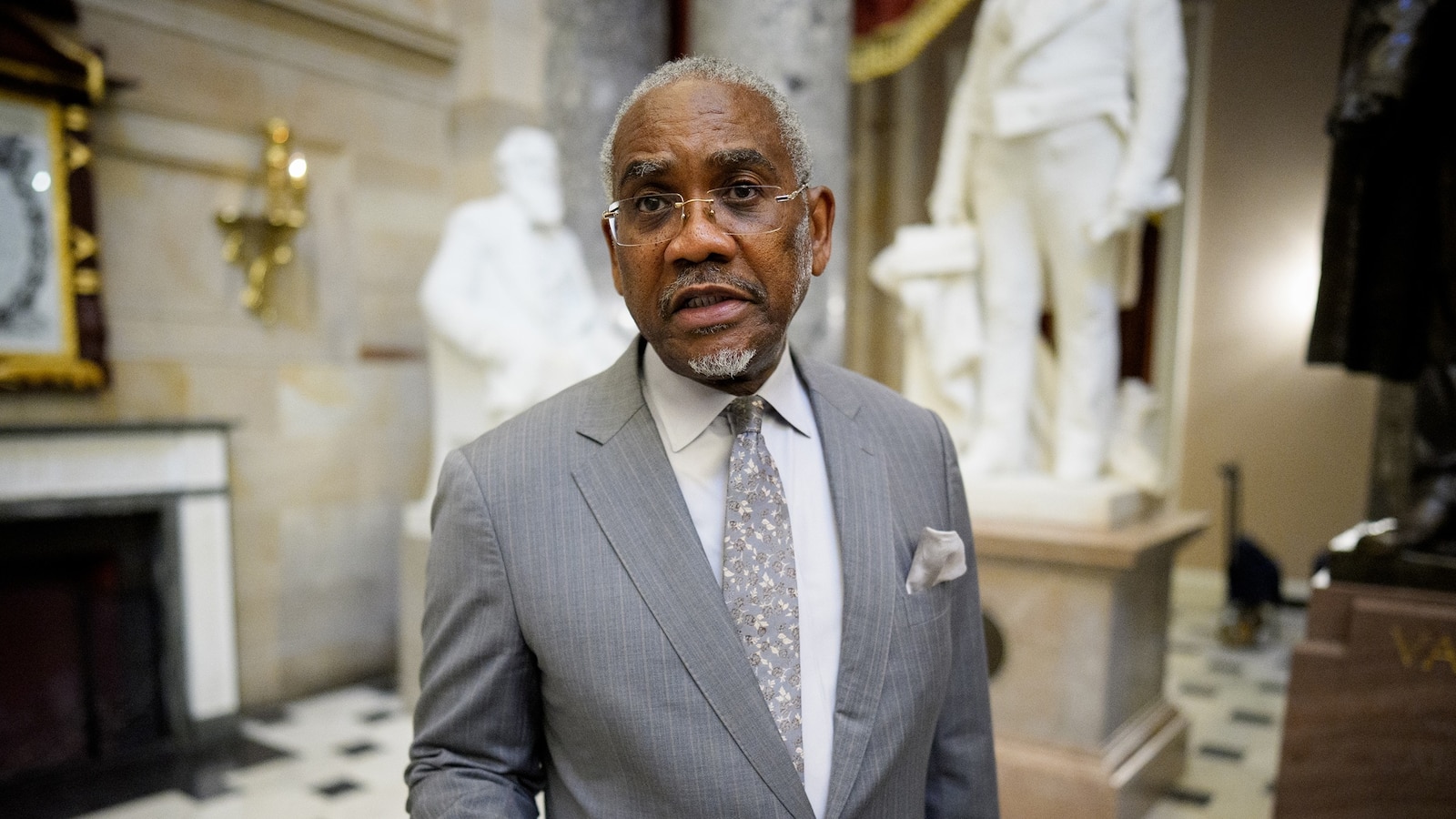
Democratic Reps. Gregory Meeks, the top Democrat on the House Foreign Affairs Committee, along with Brad Sherman, John Garamendi and Don Beyer introduced a Joint Resolution of Disapproval on Wednesday, shortly before lawmakers left Washington to return home ahead of midterm elections.
asserted
lawmakers → introduce → elections
A vote could come in November, after the midterms.
uncertain
vote → come → midterms
Without a two-thirds vote, President Donald Trump could veto Meeks' bill and the nuclear deal would take effect as it is written.
uncertain
it → veto → effect
The nuclear deal, known as a 123 agreement, paves the way for American industry to collaborate on tens of billions of dollars of nuclear energy projects in the kingdom in what the administration says is a sign of deepening ties between the U.S. and Saudi Arabia.
asserted
administration → know → U.S.
The agreement has raised concerns around the proliferation of technologies that could support a Saudi effort to weaponize nuclear energy, security experts and members of Congress have said.
uncertain
experts → raise → Congress
The terms of the agreement break from the so-called "gold standard" for nuclear deals, by which countries allow international inspectors widespread access to facilities that could support nuclear development.
uncertain
that → break → development
Inspectors are also allowed access to undeclared sites -- activities that could involve research that would contribute to nuclear energy.
uncertain
that → allow → energy
The U.S.-Saudi deal instead includes a narrower agreement that would limit inspections, administered by the International Atomic Energy Agency, to only declared nuclear sites.
asserted
that → include → sites
The text of the agreement, which has been released publicly by the administration, establishes a joint study between the two countries on the feasibility of an enrichment facility on Saudi Arabian soil.
asserted
which → release → soil
An additional study could open the door to enrichment of uranium of up to 20%.
uncertain
study → open → %
Kelsey Davenport, the director for nonproliferation policy at the Arms Control Association who has reviewed the text, said that study was described "vaguely" in the signed agreement.
asserted
study → review → agreement
Enrichment to 20% "poses a more significant risk because enriching to that level constitutes the majority of work necessary to enrich to weapons-grade levels, or 90%," Davenport said.
asserted
Davenport → pose → levels
"The United States has repeatedly, and rightly, raised concerns about Iran previously enriching to the 20 percent level."
asserted
Iran → raise → level
Saudi Arabian Crown Prince Mohamed bin Salman, the kingdom's de facto leader, has in the past said his government would seek a nuclear weapon if Iran managed to acquire one.
asserted
Iran → say → one
In its communication to Congress on Aug. 27, the Trump administration acknowledged the Crown Prince's "concerning public statements."
asserted
administration → acknowledge → statements
Secretary of State Marco Rubio, defending the deal in July, said that Saudi Arabia could have turned to an American adversary, like China or Russia, had the U.S. not been prepared to sign the nuclear agreement.
uncertain
U.S. → defend → agreement
"We live in a new era," he said.
asserted
he → live → era
"There are competitors that we face, so we'll have to adjust individual deals to that reality.
asserted
we → be → reality
But we want to be, we want to make sure that it's our companies they're picking."
asserted
they → want → ?
In a letter to Rubio and Energy Secretary Chris Wright Wednesday, a group of lawmakers called for the administration to declassify two documents, or "side letters," which the White House said were part of the deal but could not be released.
uncertain
House → call → deal
The lawmakers, which included Republican Sens. John Kennedy Louisiana and Rand Paul of Kentucky, called for their release, adding they were "aware of no precedent for classifying and withholding the side letters, particularly when the stated purpose is peaceful nuclear cooperation."
asserted
purpose → include → letters
A bill to strike down the Saudi deal, requiring a supermajority in the Republican-controlled Congress, is exceedingly unlikely.
asserted
bill → strike → Congress
But lawmakers could also opt to pass a law that applies certain conditions to the nuclear agreement.
uncertain
that → opt → agreement
 The Aporia