The Sydney Morning Herald
· collected 2026-09-17 · by Luke Broadwater, Michael Crowley
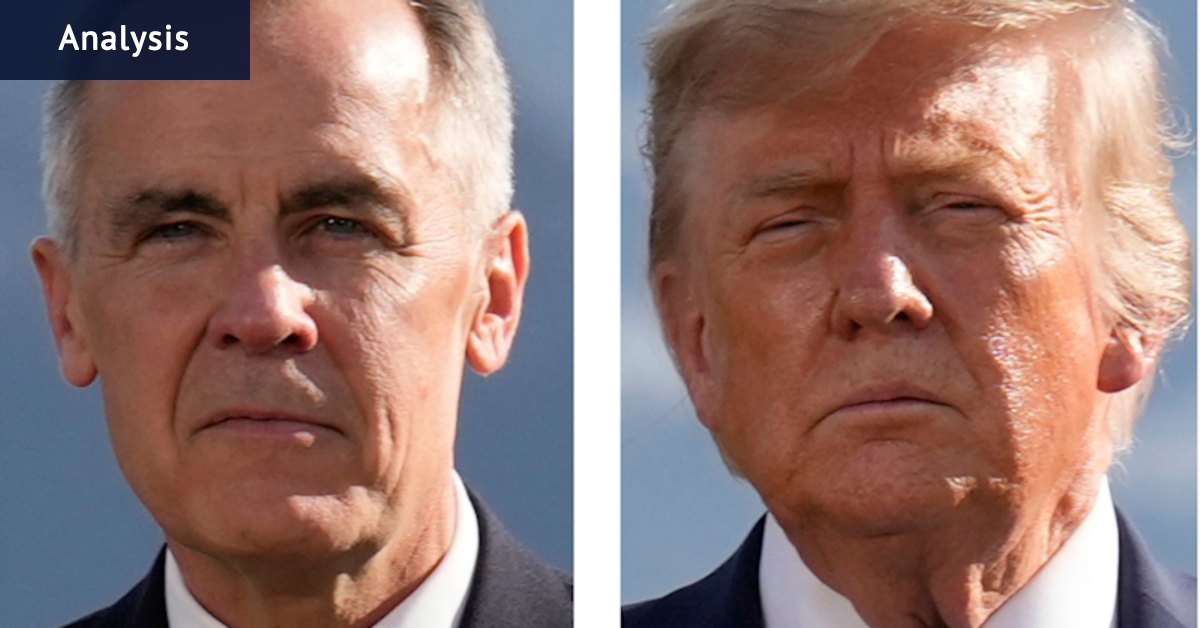
During Donald Trump's presidency, he initially aimed to integrate Canada more closely with the United States, even contemplating making it the 51st state. However, his aggressive policies, including a trade war and hostile rhetoric towards Canadian leaders, pushed Canada toward closer ties with the European Union, exemplified by an invitation for associate membership from the EU. This shift highlights how Trump's approach has strained traditional alliances and may have lasting impacts on international relationships.
Written by the local model on 2026-09-17,
using this article's own text rather than the other coverage of the
same event (that is the story summary below).
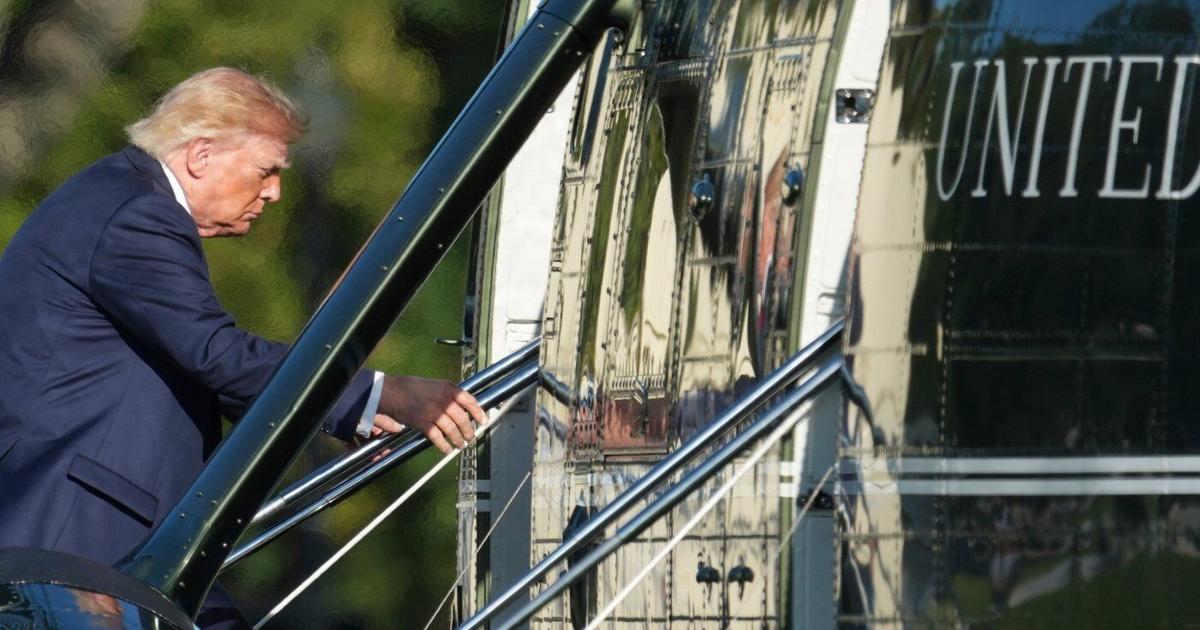
Early in his second term, US President Donald Trump wanted Canada so entwined with the United States that he even set out to make it the 51st state.
asserted
it → want → States
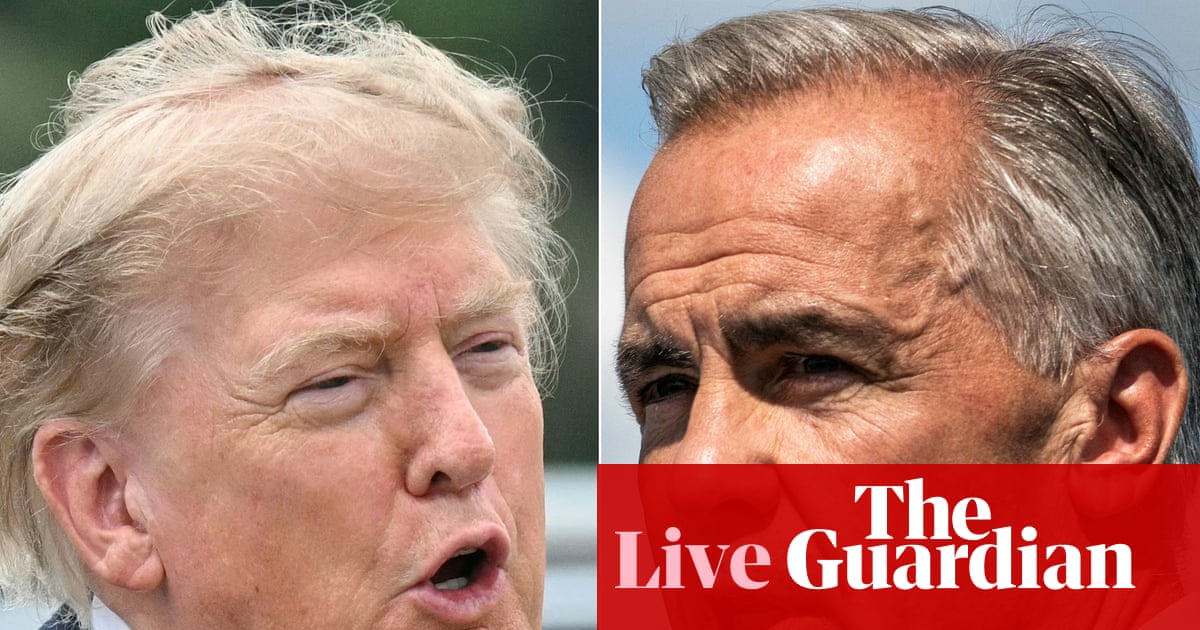
Instead, he has driven Canada into the arms of the European Union after antagonising the Canadians for months, taunting the country’s prime minister and waging a relentless trade war.
asserted
he → drive → war
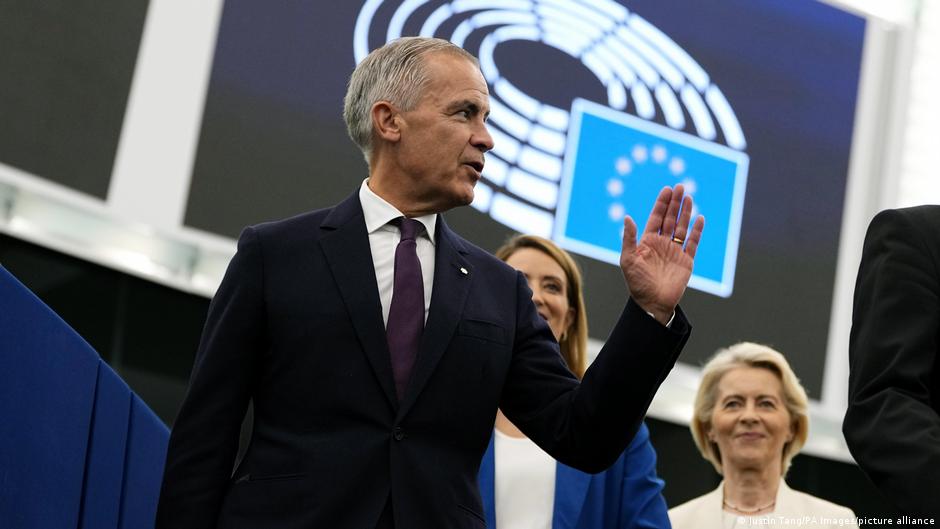
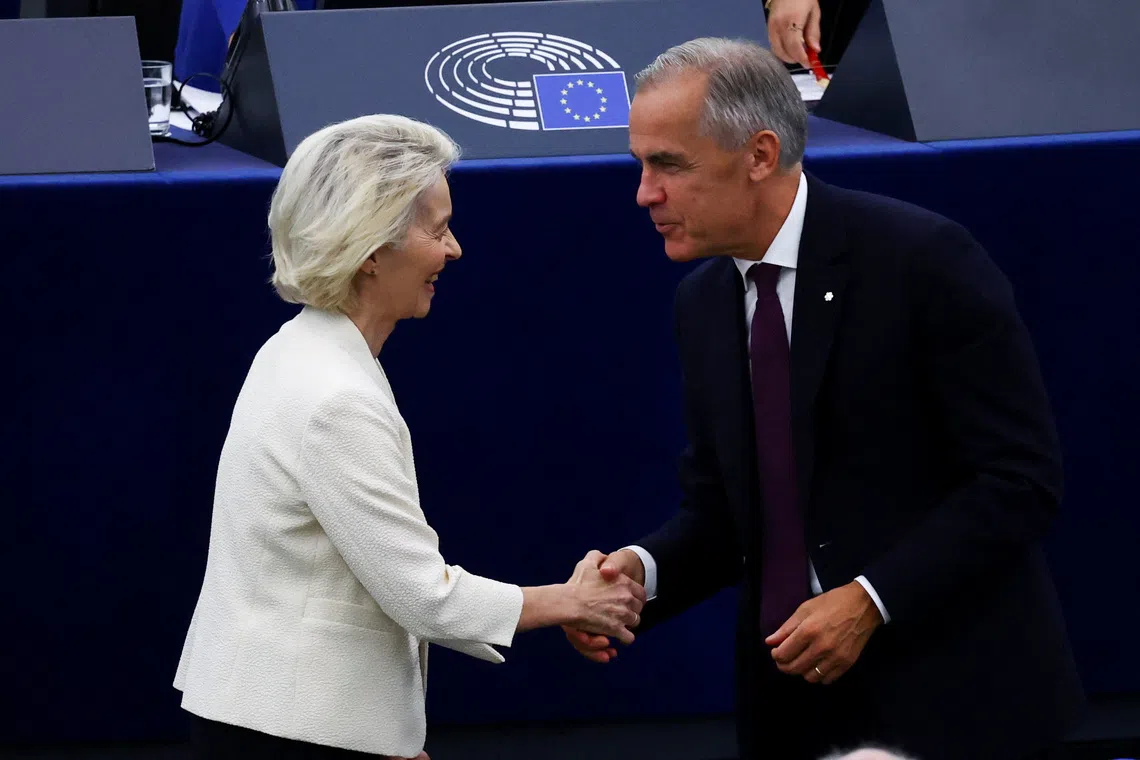
The invitation by the European Union for Canada to become an “associate member” is a sign of the knock-on effects of Trump’s brand of diplomacy, which often involves threatening countries that once were considered America’s closest friends.
asserted
that → become → countries
And even if the gesture by the EU ends up being more symbolic than substantive, it shows how Trump is upending global relationships in ways that will be difficult to undo.
“We should see this action from Canada and the EU as a direct consequence of Trump’s actions and rhetoric,” said James Batchik, a deputy director at the Atlantic Council’s Europe Centre.
asserted
Batchik → end → Centre
The rhetoric around making Canada the 51st state, he added, “and the threats against Greenland, which are still highly, highly controversial and remembered in Brussels, are really reminders for both sides that the United States is not necessarily that trusted ally that it once was”.
asserted
it → make → sides
At every turn, Trump’s bullying approach to Canada has appeared to backfire.
asserted
approach → appear → Canada
His trade war stirred up trouble for embattled Republicans in swing states, endangering GOP control of the Senate.
asserted
war → stir → Senate
And his hostility towards Canadian leaders helped surge the country’s struggling liberal party, no friend of Trump’s, to electoral victory.
asserted
hostility → surge → victory
A White House spokesperson did not respond to a request for comment.
asserted
spokesperson → respond → comment
Trump’s battle with Canada is part of his striking focus on a western hemisphere that recent presidents, typically consumed with the Middle East and Asia, have often neglected.
asserted
presidents → strike → East
Trump, emboldened after a US operation that toppled the leader of Venezuela, has set his sights this year on other countries in the western hemisphere.
asserted
that → topple → hemisphere
He has applied massive economic pressure against Cuba and proposed a “friendly takeover”.
asserted
He → apply → takeover
He has threatened to seize the Panama Canal and to wrest the North American island of Greenland from Denmark.
asserted
He → threaten → Denmark
In an update of the Monroe Doctrine, the 1823 foundational statement of US claims over the western hemisphere, with what he called the “Trump Corollary”, Trump formally declared that “the American people – not foreign nations nor globalist institutions – will always control their own destiny in our hemisphere”.
uncertain
people → call → hemisphere
(Trump often refers to the concept as the “Donroe Doctrine”, named after himself.)
asserted
Trump → refer → himself
In the cases of Cuba and Venezuela, Trump’s policies are led by Secretary of State Marco Rubio, a Cuban American whose interest in Latin America is driven by his strong anti-socialist ideology.
asserted
interest → lead → ideology
Rubio has shown far less public enthusiasm for Trump’s territorial claims than he does for democratising the region.
uncertain
he → show → region
But Trump’s fixation with Canada is mainly rooted in trade and economics, not territory or politics.
asserted
fixation → root → trade
The president started his second term threatening Canada’s previous leader, Justin Trudeau, whom Trump publicly derided, with unilaterally scrapping agreements that have governed the relationship between the neighbouring countries for more than a century.
asserted
that → start → century
He has imposed tariffs on Canada, which, with Mexico, is one of America’s two top trading partners, that are crippling some of Canada’s key economic sectors, such as autos, steel, aluminium and lumber.
asserted
that → impose → autos
In part because of Trump’s attacks, Canadians rallied around Trudeau’s successor, Prime Minister Mark Carney, who positioned himself as a fighter against the American president.
asserted
who → rally → president
This year, Carney delivered a speech in Davos, Switzerland, in which he called for a new world order, no longer led by America, prompting global political and corporate leaders in the audience to rise from their seats for a rare standing ovation.
asserted
he → deliver → ovation
“The middle powers must act together because if we’re not at the table, we’re on the menu,” Carney said.
asserted
Carney → act → menu
Liana Fix, a senior fellow for Europe at the Council on Foreign Relations, said it wasn’t clear what Canada becoming an “associate member” of the EU would mean, beyond trade and defence agreements already in place.
asserted
becoming → say → place
But Canada and the EU will meet for a summit at the end of October, when they are expected to lay out more concrete ideas.
asserted
they → meet → ideas
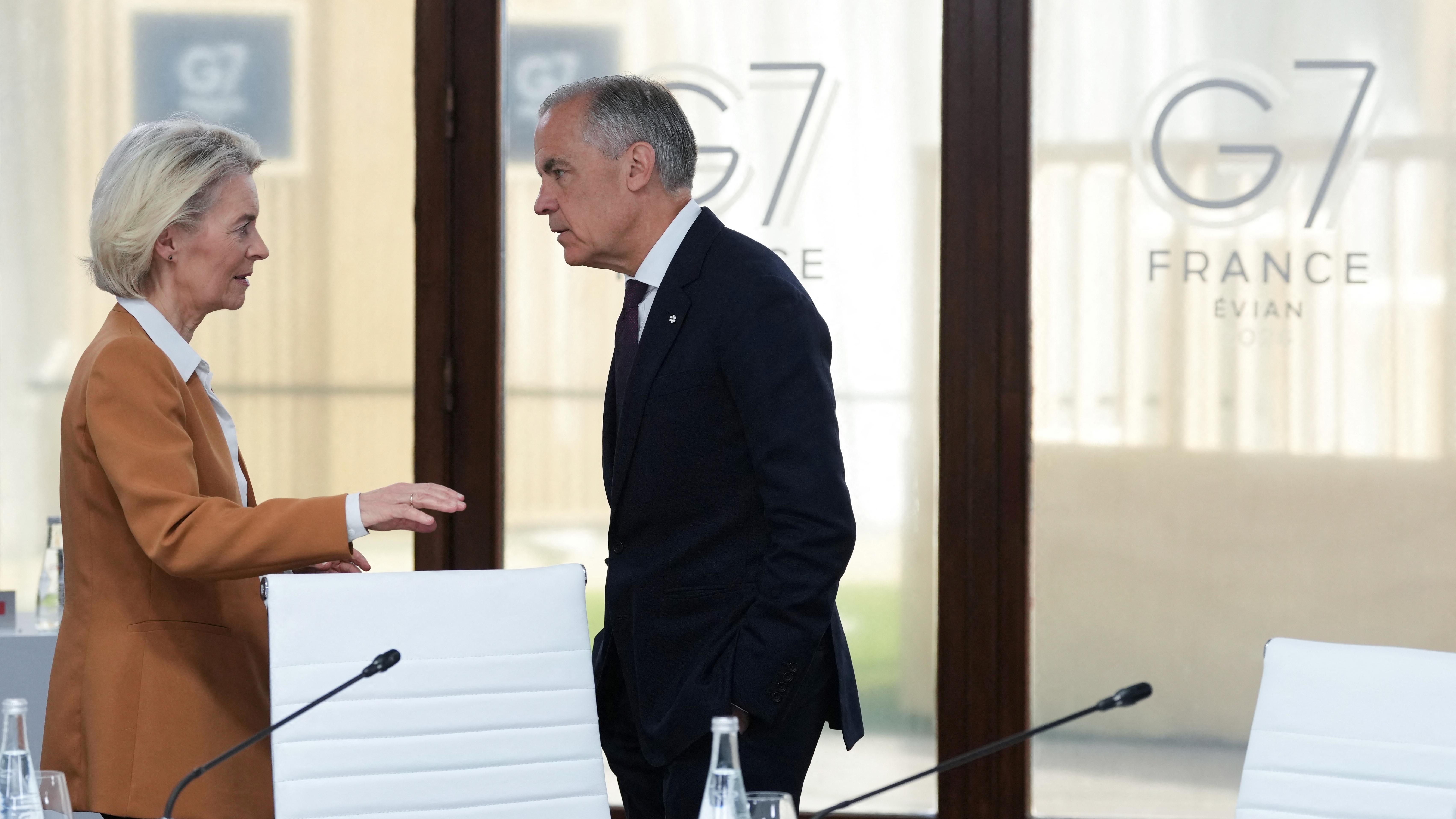
EU president Ursula von der Leyen has said Canada and Europe could work more closely together on the Arctic, their defence industrial bases and critical minerals.
uncertain
Canada → say → Arctic
“The EU wants to make a statement that the middle powers have a say and will not be bullied by the Trump administration,” Fix said.
asserted
Fix → want → administration
The reaction of Canadian and European leaders is perhaps unsurprising, given Trump’s penchant for attacking allies and playing nice with historic rivals, Batchik said.
“Donald Trump has been pulling his punches toward some of our adversaries, top of mind Russia and China, and doubling down and taking a rather gleeful approach to needling our previous would-be allies,” Batchik said.
“You’re starting to see many across Europe taking that to heart and saying, ‘OK, if that’s truly the case, if that’s how the United States is going to treat its allies, they’re just going to look elsewhere’.”
It could end up being “a generational turn away from the United States”, he said, “or at least will take a significant amount of energy and time to repair these relations”.
This article originally appeared in The New York Times.
Get a note directly from our foreign correspondents on what’s making headlines around the world.
uncertain
what → give → world
 The Aporia