That is 0 articles you have read today.
The Aporia is free and carries no advertising, so readers are the only
thing paying for it. If you are getting this much out of it, a small
donation is what keeps it independent.
Daily limit reached
You have read 0 articles today.
That is more than the 15 a day The Aporia gives away,
and well past what it can carry on nothing. Your allowance resets at
midnight.
There is no advertising here and nothing about you is sold, so readers
are the only thing paying for it. If the site is worth this much of
your day, it is worth a few dollars.
Everything else stays open: the
maps, the
directory and
search do
not count against this, and neither does re-opening something you have
already read today.
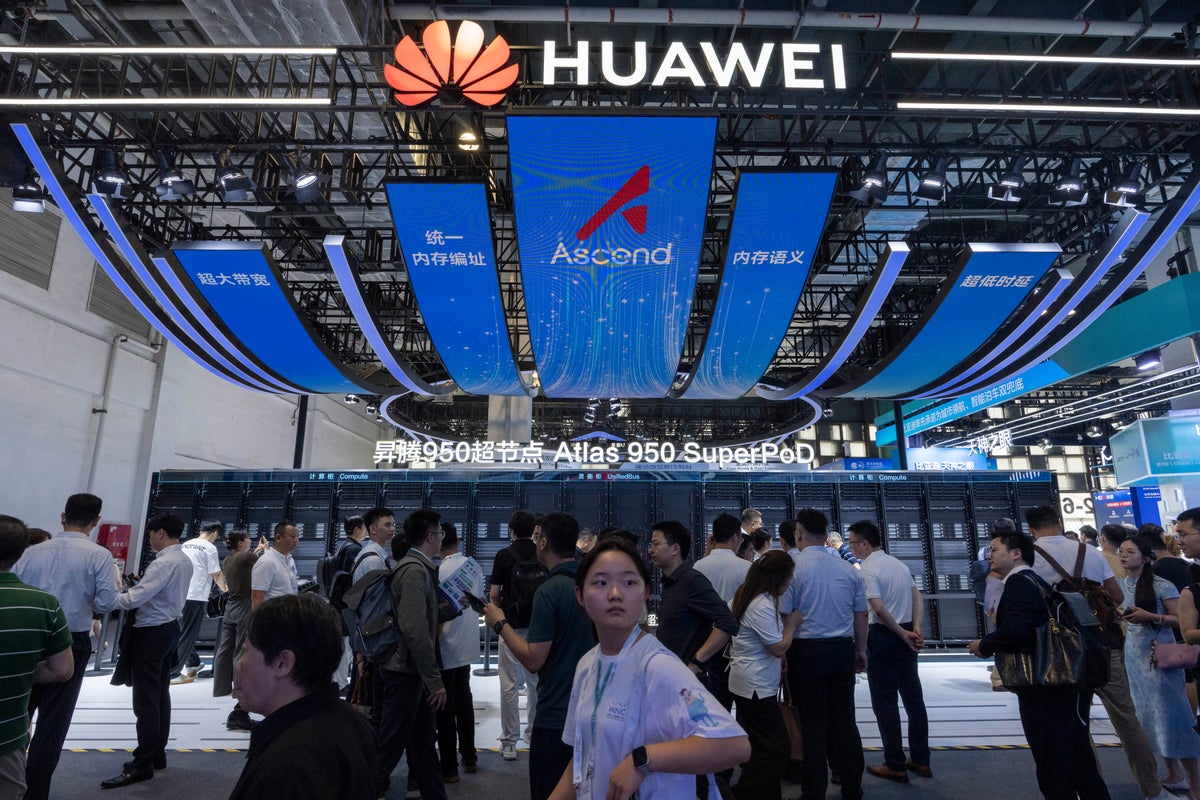
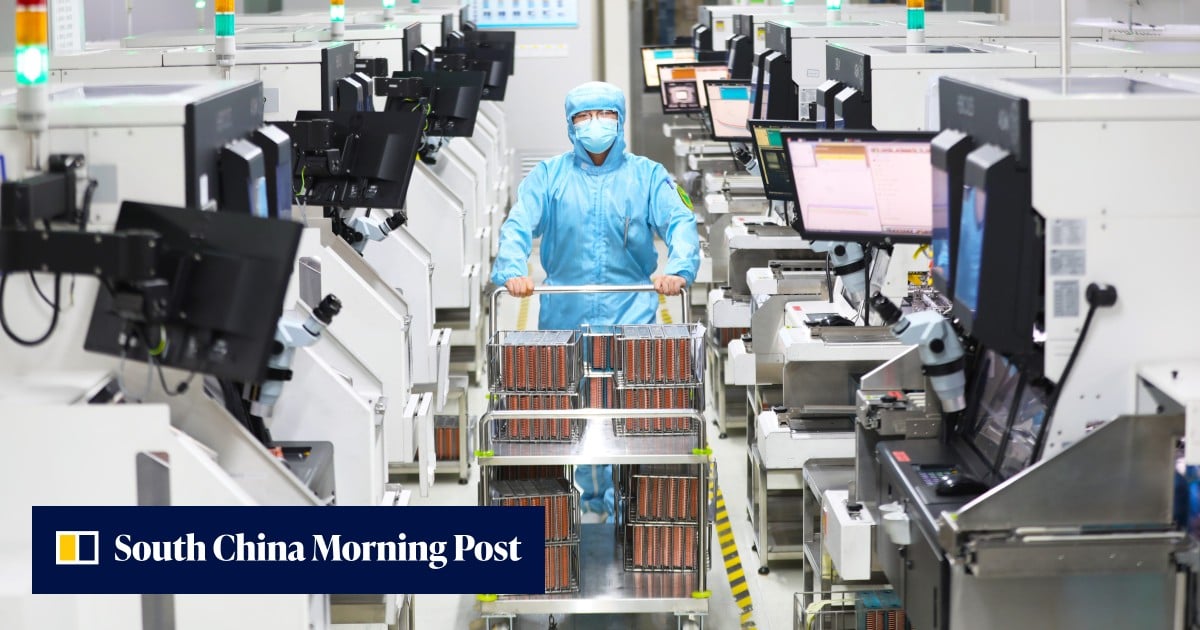
Huawei announced new chip technologies at its conference in Shanghai, challenging global leaders like Nvidia and demonstrating China’s rapid advancement in artificial intelligence. The company unveiled the Atlas 960 SuperPoD computing cluster and plans to release the Ascend 970 and 980 chip series by 2028 and 2029 respectively, showing significant improvements over previous models. This development highlights Beijing’s technological confidence ahead of a meeting between Presidents Trump and Xi Jinping, emphasizing China’s push for self-reliance in AI amid U.S.-led restrictions on technology access.
Written by the local model on 2026-09-17,
using this article's own text rather than the other coverage of the
same event (that is the story summary below).
Claims extracted
13
claim-shaped sentences
Uncertain
0%
0 of 13 hedged
Leaning
Leans left
of the writing, not the subject
Correction & hedging signals
58.7
corrections and hedging in what we collected;
not a measure of accuracy
Outlets on this story
1
Technology
Narrative spread
1
articles carrying this framing
Story summary
Huawei, a Chinese technology giant, unveiled new chip technologies at its annual conference in Shanghai on Thursday, challenging global leaders like Nvidia. This development highlights China's narrowing gap with the U.S. in artificial intelligence (AI). Specifically, Huawei introduced the Atlas 960 SuperPoD computing cluster, which is faster than its predecessor and includes improvements in AI training and inference capabilities. The event occurred just days before an expected meeting between U.S. President Donald Trump and Chinese President Xi Jinping in Washington on September 24. China has been rapidly pursuing technological self-reliance, including in chip manufacturing, due to U.S.-led restrictions that have barred Chinese firms from accessing some of the world’s most advanced AI chips and cutting-edge equipment. Huawei also announced plans to launch the Ascend 970 and 980 chip series in 2028 and 2029, respectively, with anticipated significant improvements in computing power. George Chen noted that the timing of these announcements underscores Beijing's confidence and ambition in technology and innovation.
Written for “Huawei AI Chip Announcement” on 2026-09-17,
grounded in this article and the 0 other(s) covering the same event.
Why this leaning score
The article's own words the score was based on. Each is quoted
verbatim and was checked against the article text before being
stored, so you can find it in the original.
Leaning score -0.35 for article 15447 (high confidence, 1 verified quote) · logged 2026-09-17
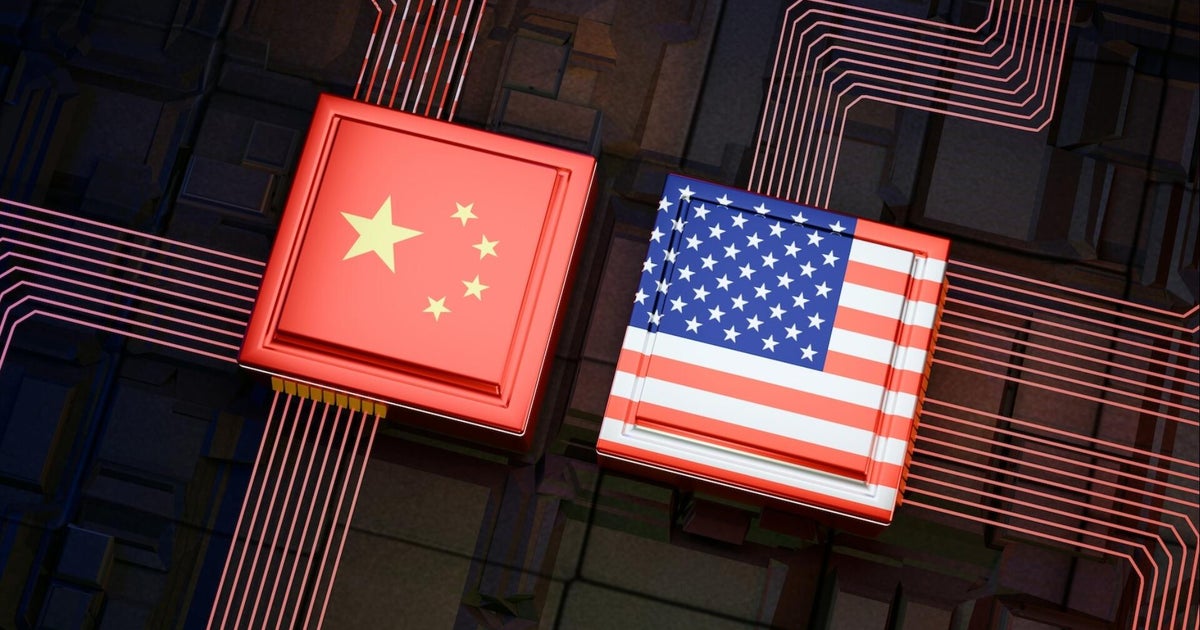
Chinese technology giant Huawei launched new chip technologies in a challenge to global leaders such as Nvidia that highlights the narrowing gap between China and the U.S. in artificial intelligence.
asserted
that → launch → intelligence
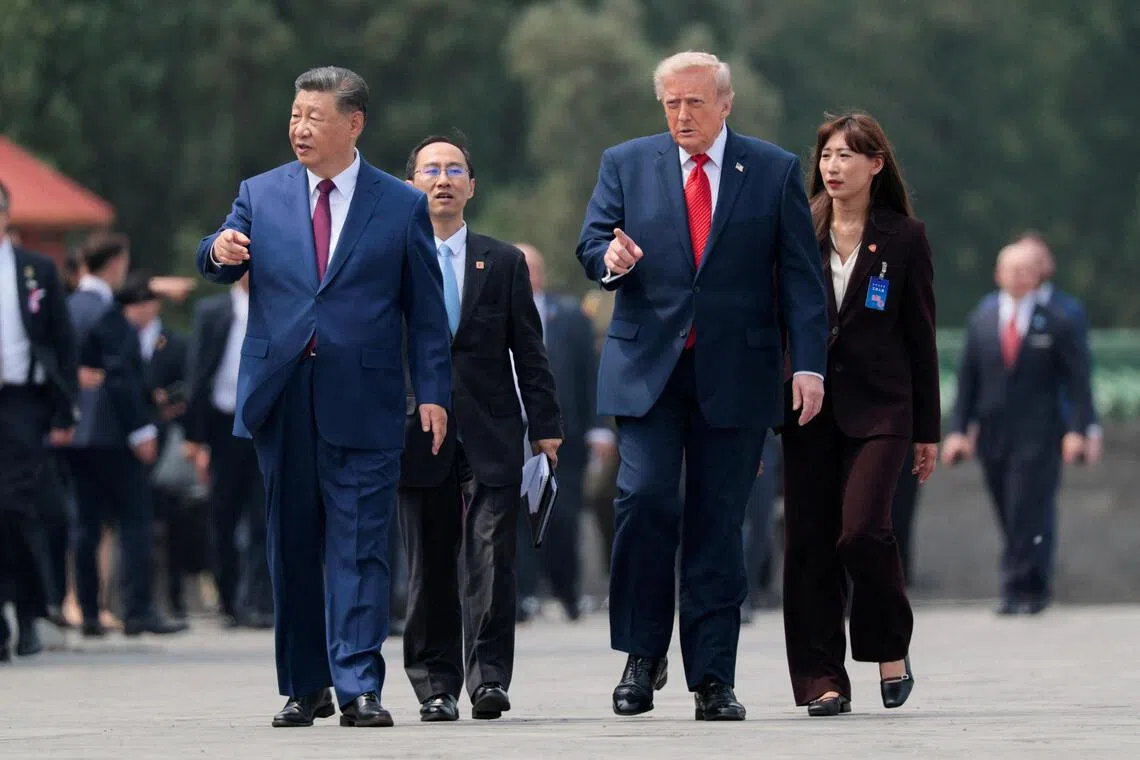
Huawei's announcement Thursday at its annual key conference in Shanghai came just days before an expected meeting between U.S. President Donald Trump and Chinese President Xi Jinping in Washington on Sept. 24.
asserted
announcement → come → Sept.
China has rapidly pursued technological self-reliance, including in chips, as U.S.-led restrictions barred it from accessing some of the world’s most advanced AI chips and cutting-edge chipmaking machines.
asserted
restrictions → pursue → chips
Huawei introduced the Atlas 960 SuperPoD computing cluster at the event, a faster successor to the model it launched only months ago with improvements in AI training and “inference,” referring to the process when a trained AI makes predictions or decisions.
asserted
AI → introduce → predictions
Huawei also plans to launch the Ascend 970 and 980 chip series in 2028 and 2029, with expectations of significant improvements in computing power.
asserted
Huawei → plan → power
“The timing — less than two weeks before President Xi Jinping’s visit to Washington — underscores Beijing’s confidence and ambition in technology and innovation,” said George Chen, a partner and chair of digital practice at The Asia Group consultancy.
asserted
Chen → underscore → consultancy
Huawei’s announcement also came as Trump downplayed AI leaders’ call to slow development of the technology for safety purposes.
asserted
Trump → come → purposes
Trump insisted the U.S. must maintain its lead over China, saying “whoever wins in AI, wins.”
asserted
wins → insist → AI
“AI developments move so quickly that no one can be certain of holding the lead forever,” Chen said.
asserted
Chen → move → lead
Advanced technologies in China such as the training of AI models still often rely on U.S. chips, including those from Nvidia, analysts say.
asserted
analysts → rely → Nvidia
But Huawei has made its own advanced chips and maintains a lead over Chinese chip developers, as AI companies in China increasingly embrace the use of domestic chips.
asserted
companies → make → chips
The Atlas 960 SuperPoD computing cluster raised eyebrows among some technology analysts by coming soon after the company rolled out the Atlas 950 SuperPod late last year.
asserted
company → compute → SuperPod
“The fact that Huawei achieved this upgrade in just a year, far quicker than before, will only heighten U.S. anxiety about the accelerating AI competition,” Chen said.
asserted
Chen → achieve → competition
 The Aporia