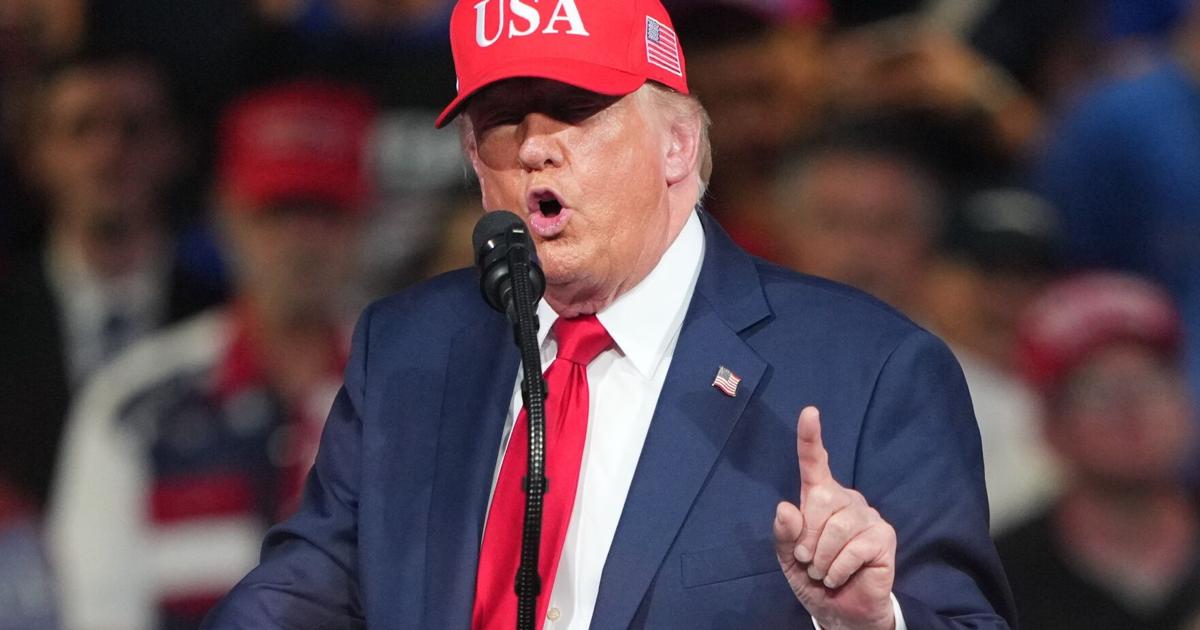
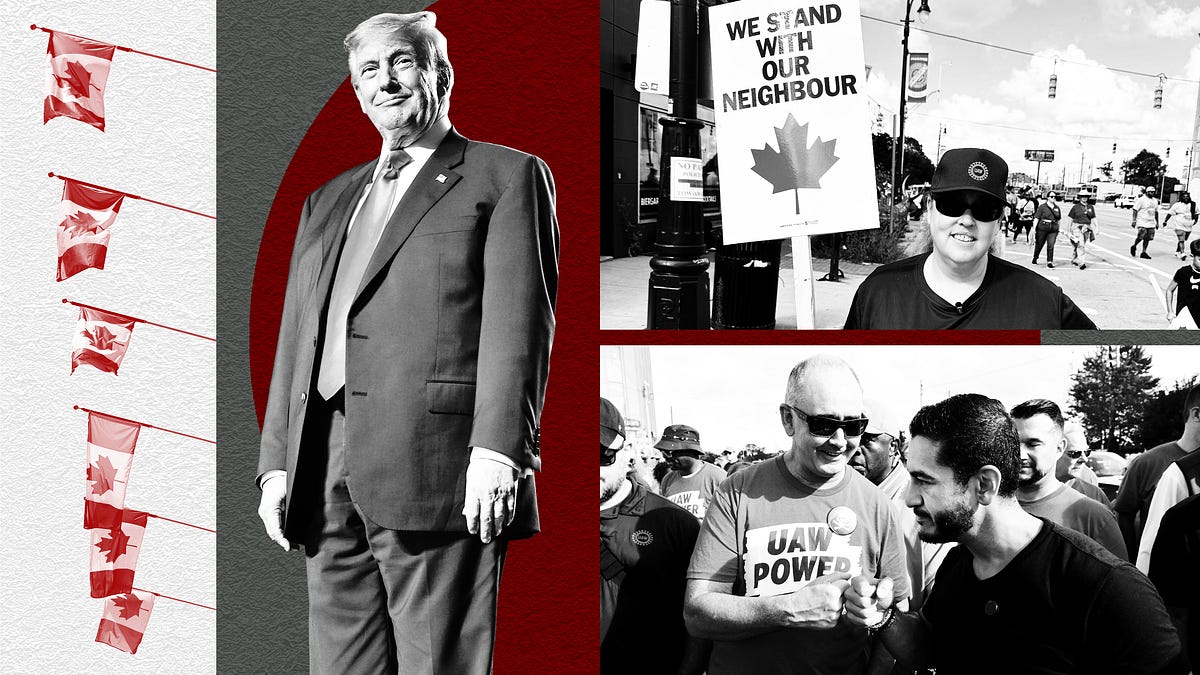
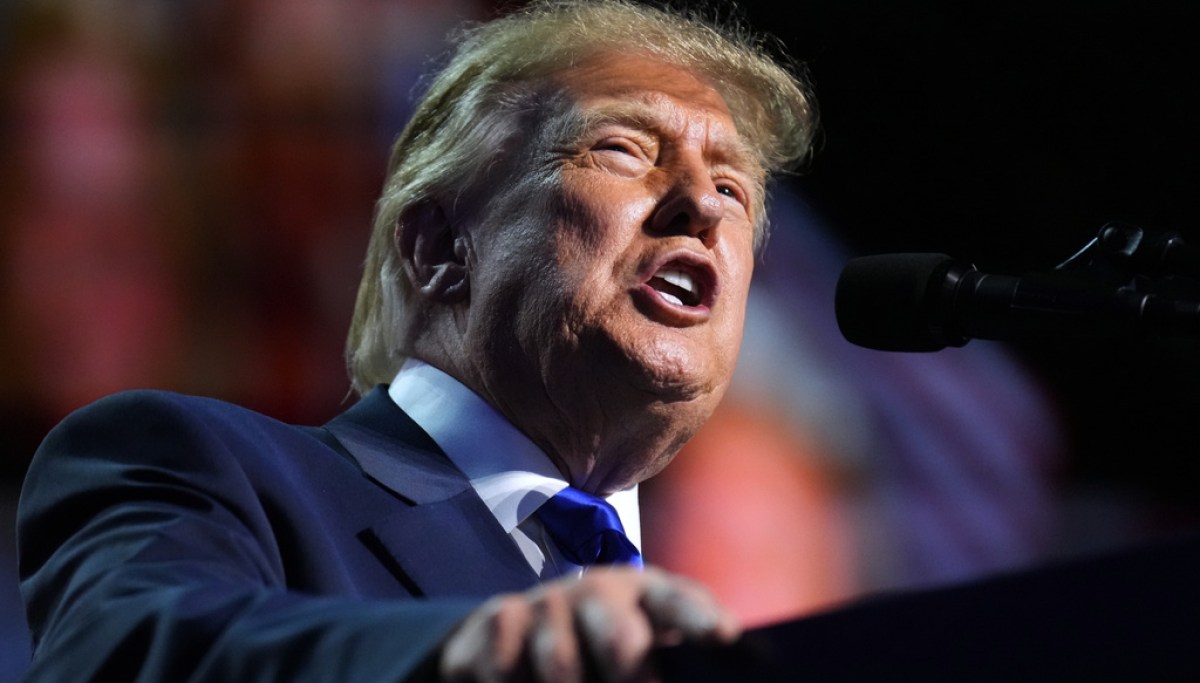
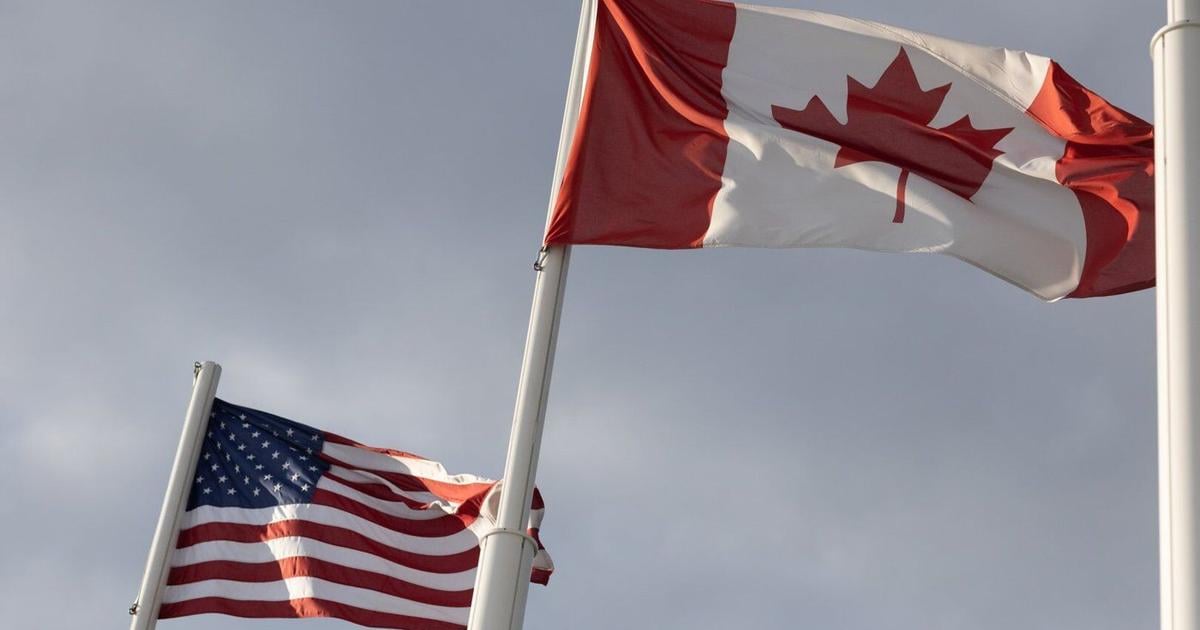
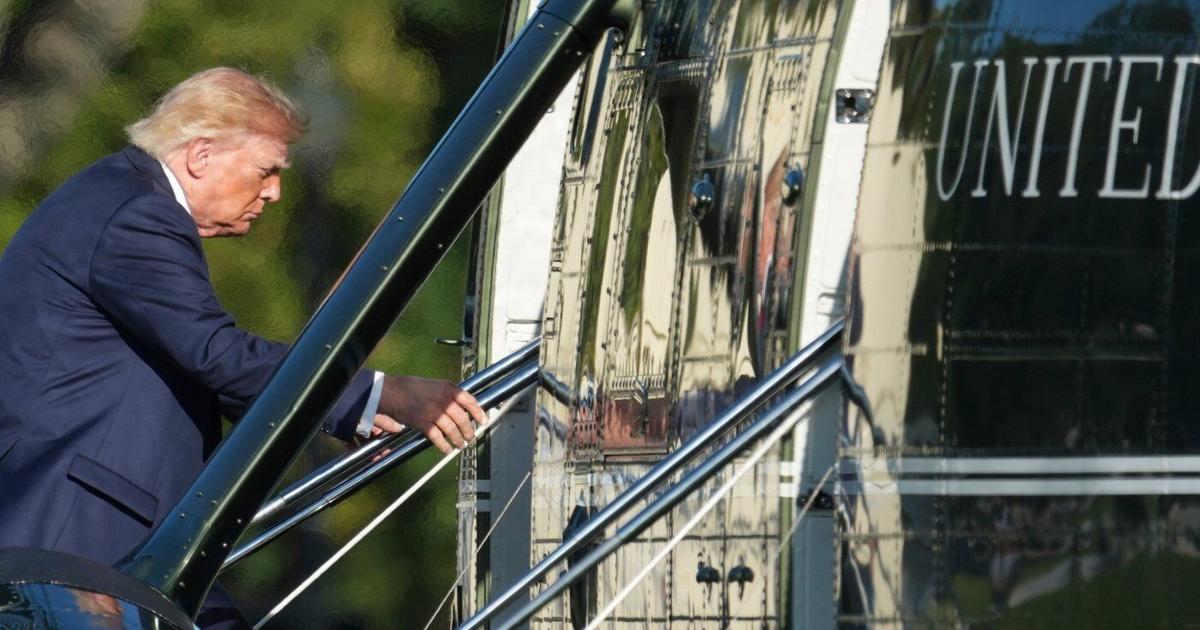
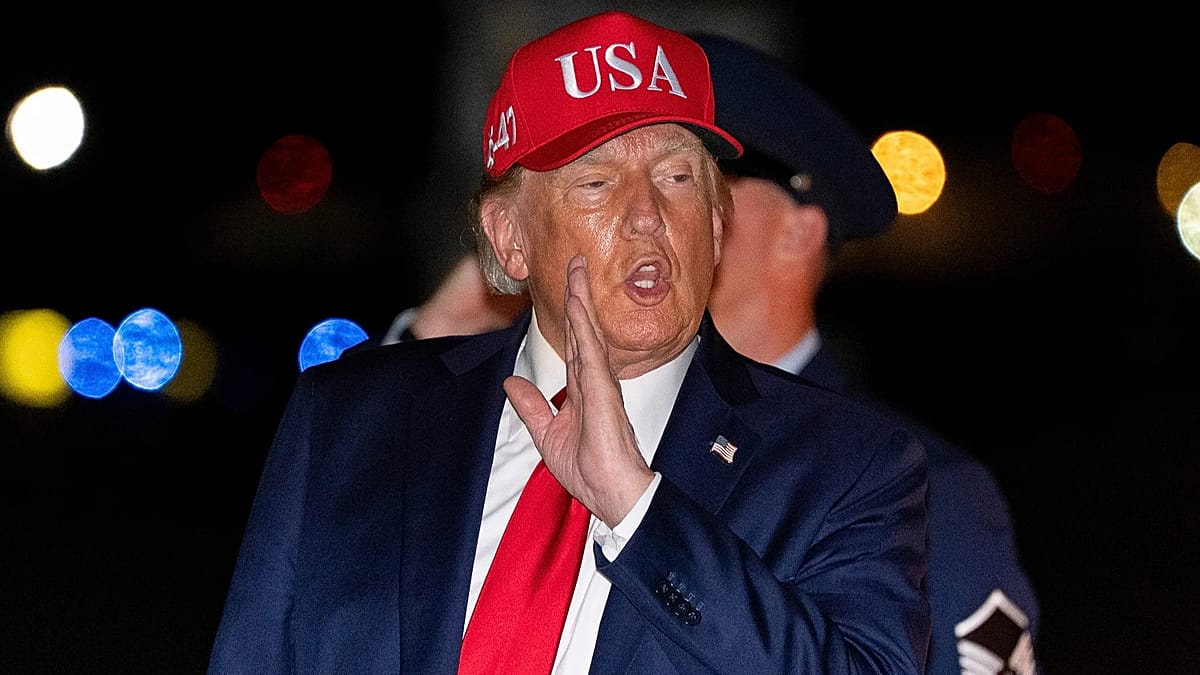
President Donald Trump signed an order on Wednesday to exclude Canadian goods from all $280 billion of American federal procurement. The White House stated this action aims to address Canada's allegedly unreasonable treatment of U.S. goods, which disadvantages American workers and businesses. Trade Minister Dominic LeBlanc’s spokesperson noted that Canada will review the measure carefully, focusing on its impact on Canadian interests. While Trump’s initial threat targeted only $50 billion in procurement, trade lawyer Barry Appleton highlighted this new order's broader scope and potential serious implications for Canadian manufacturers, despite not yet being legally enforceable.
Written by the local model on 2026-09-17,
using this article's own text rather than the other coverage of the
same event (that is the story summary below).
Story summary
Mark Carney, Canada's prime minister, flew to Strasbourg, France to attend the European Parliament’s annual “State of the European Union” speech given by Ursula von der Leyen, president of the European Commission. Von der Leyen proposed that Canada could become the first "associate member" of the EU, a unique status not currently defined in EU treaties, aiming to deepen ties with Ottawa amid deteriorating relations between Canada and the US under President Donald Trump. Carney plans to deliver his own speech on Thursday, emphasizing Canada's desire for deeper alliances across trade, defense, cultural exchange, and people-to-people connections. The announcement has raised questions about its legal implications and practical implementation within the EU's existing framework, with some officials expressing surprise at the sudden proposal without prior consultation from member states. Critics in Canada argue that such an arrangement could lead to Canadians contributing tax dollars to the EU budget or ceding sovereignty on certain issues. Meanwhile, Britain remains out of this new EU alliance following its Brexit decision, highlighting potential future implications for other nations seeking closer ties with Brussels. The EU's move is seen as a diplomatic gesture towards Canada in a shifting geopolitical landscape dominated by tensions with China and the US. However, details remain vague, leaving many to speculate on the exact nature and benefits of this proposed new status.
Written for “EU Canada Associate Membership” on 2026-09-17,
grounded in this article and the 17 other(s) covering the same event.
Why this leaning score
The model judged this article politically coded and scored it +0.35, but all 1 of its quote(s) are attributed speech - words the article quotes from someone, not the article's own narration, so the score is not published.
Written under an earlier scoring contract, which gave a paragraph
rather than checkable quotes. Re-analysing this article replaces it.
Leaning score withheld for article 15195: attributed speech only · logged 2026-09-17
U.S. President Donald Trump signed an order Wednesday demanding senior officials find a way to bar Canadian goods from all U.S. government procurement, widening a ban first proposed earlier this month.
asserted
officials → sign → ban
In a presidential memorandum titled Restoring Reciprocity in Government Procurement, Trump ordered all U.S. government agencies and departments to eliminate Canadian products from $280 billion (U.S.) in American federal procurement.
asserted
Trump → title → procurement
“President Trump is taking action to hold Canada accountable for its continued unreasonable and discriminatory treatment of U.S. goods, which has burdened and disadvantaged hardworking Americans,” the White House said in a “fact sheet” accompanying the memorandum.
asserted
House → take → memorandum
A spokesperson for Canada-U.S. Trade Minister Dominic LeBlanc said the federal government will take a close look at the new measure.
asserted
government → say → measure
“We take note of the Administration’s latest update, which advances previously announced procurement restrictions.
asserted
which → take → restrictions
As is always the case, we will review these measures with a focus on the best interest of Canadian businesses and workers,” said LeBlanc’s spokesperson Gabriel Brunet.
asserted
spokesperson → review → businesses
The new procurement amount is a significantly bigger ban than Trump first threatened Sept. 8, when he called for Canadian products to be barred from the $50 billion (U.S.) in procurement overseen by the General Services Administration, said trade lawyer Barry Appleton.
asserted
Appleton → threaten → Administration
Today it is a formal signed order, and it covers almost everything the U.S. government buys for civilian use.
asserted
government → sign → use
Canadian manufacturers should take it seriously,” said Appleton, co-director of the Center for International Law at New York Law School, and a fellow at the University of Waterloo’s Balsillie School of International Affairs.
asserted
Appleton → take → Affairs
Still, Appleton pointed out, the ban isn’t actually in effect yet.
asserted
ban → point → effect
“The order tells officials to find every step the law allows.
asserted
law → tell → step
It does not say what the law allows.
asserted
law → say → what
Right now, Canadian-made goods are still legally eligible for American federal contracts, and nothing signed today changes that on its own,” said Appleton.
asserted
Appleton → make → own
“The real change comes if Washington formally strips Canada of that status.
asserted
Washington → come → status
That is the next thing to watch for.
asserted
That → watch → ?
It’s not precisely clear just what Canada’s share of U.S. government procurement actually is, said veteran international trade lawyer John Boscariol.
asserted
Boscariol → ’ → procurement
“That’s a hard figure to nail down.
asserted
That → ’ → ?
Already we don’t have access to big highway projects.
asserted
we → have → projects
That’s all Buy America already,” said Boscariol, head of the trade law group at McCarthy Tetrault.
asserted
Boscariol → ’ → Tetrault
“It’s certainly not $280 billion of Canadian goods.
asserted
It → ’ → goods
While some provincial governments specifically bar U.S. goods from being purchased by government agencies, Boscariol said those measures were only instituted in response to Trump’s initial tariffs and other trade war measures.
asserted
measures → bar → tariffs
“These are measures that we took in retaliation for his tariffs, and now the U.S. is saying ‘hey you’re discriminating against us,’ and taking more retaliation,” said Boscariol.
asserted
Boscariol → take → retaliation
The federal government’s Buy Canadian procurement philosophy doesn’t specifically single out U.S. goods, Boscariol said.
asserted
Boscariol → buy → goods
The procurement move came as Trump also threatened the European Union with more tariffs if it admitted Canada, saying it would be a hostile act for the EU to do so.
asserted
EU → come → Canada
A White House official, speaking on background, said that order banning Canadian goods from U.S. procurement, was not related to the European Union forging closer ties with Canada.
asserted
Union → speak → Canada
Earlier Wednesday, European Commission President Ursula von der Leyen invited Canada to become the EU’s first “associate member,” a term which has yet to be precisely defined.
asserted
which → invite → Canada
In her state of the union speech, von der Leyen directly addressed Canadian Prime Minister Mark Carney.
asserted
Leyen → address → Carney
“I would like to work with you on opening the door for Canada to be the first associate member of the EU,” von der Leyen said.
asserted
Leyen → like → EU
“We share one ocean, one set of values, one way of seeing the world ...
asserted
We → share → world
We will now build our shared future as well.”
asserted
We → build → future
 The Aporia