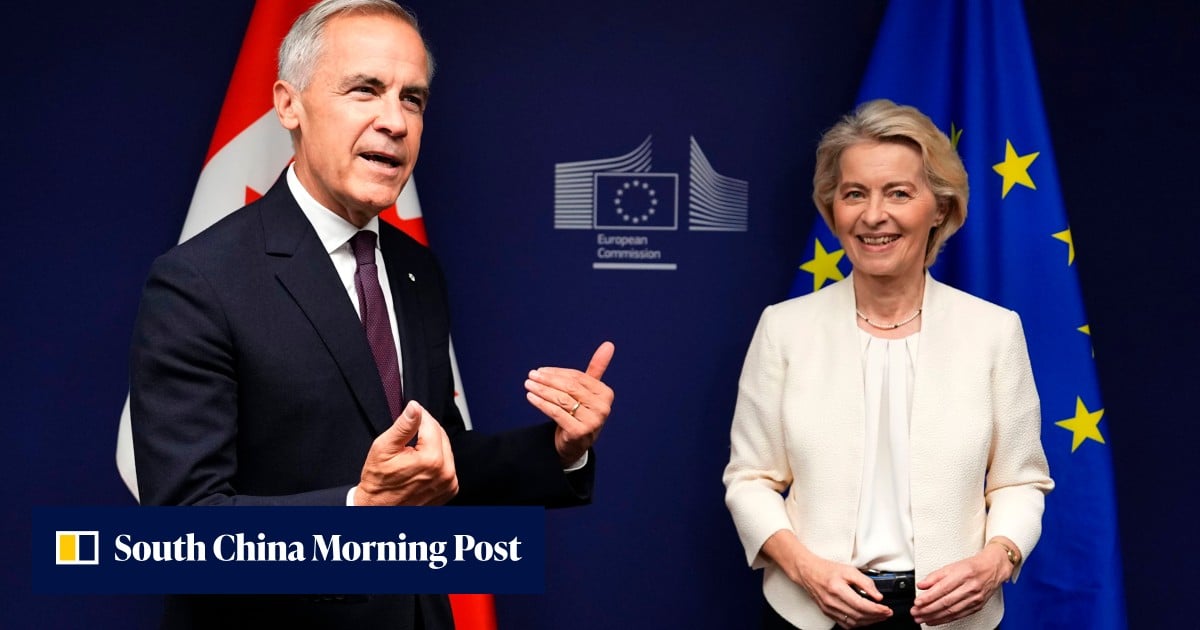
European Commission President Ursula von der Leyen proposed that Canada could become an "associate member" of the European Union, a term whose precise meaning is unclear and has sparked debate in Canada. Prime Minister Mark Carney's push for closer ties with the EU, particularly under U.S. President Donald Trump’s presidency, faces criticism from conservative leader Pierre Poilievre who claims it might lead to Canadian contributions to the EU budget and loss of sovereignty. Jonathan Wilkinson, Canada’s ambassador to the EU, clarified that while they seek deeper cooperation, becoming a full member would be too great a compromise of sovereignty. The proposal includes increased collaboration in areas such as technology, defense, Arctic projects, energy, and artificial intelligence, aiming to elevate existing trade agreements like CETA into broader strategic partnerships.
Written by the local model on 2026-09-17,
using this article's own text rather than the other coverage of the
same event (that is the story summary below).
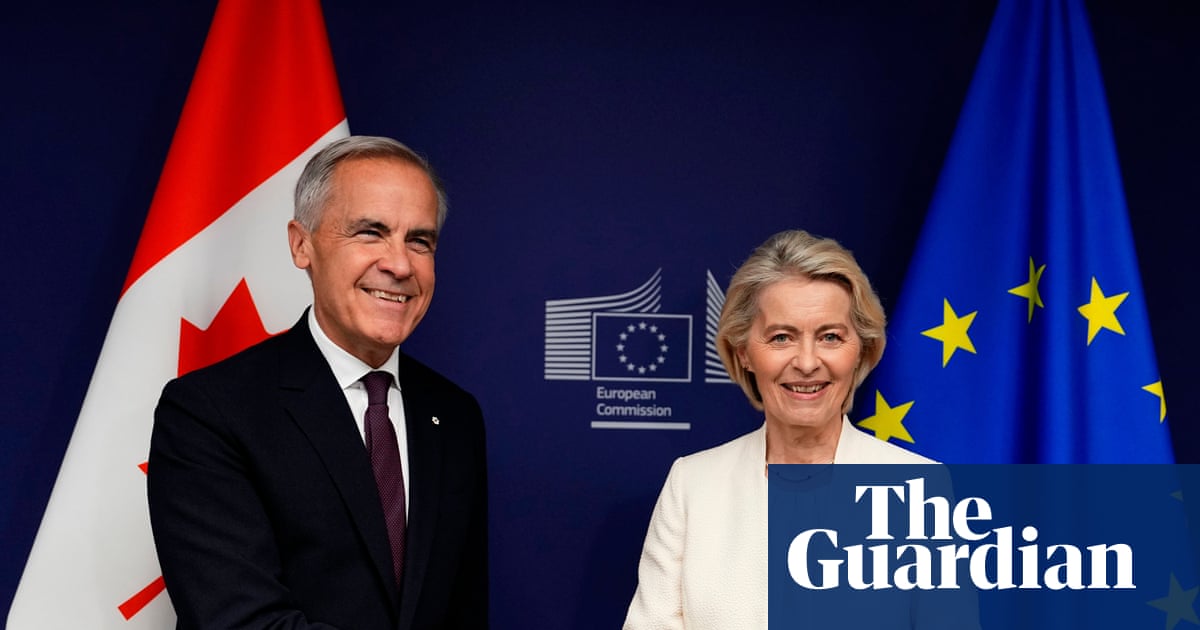
The challenge with European Commission President Ursula von der Leyen’s suggestion that Canada could become a European Union “associate member” is that nobody seems precisely sure what that means.
uncertain
that → become → what
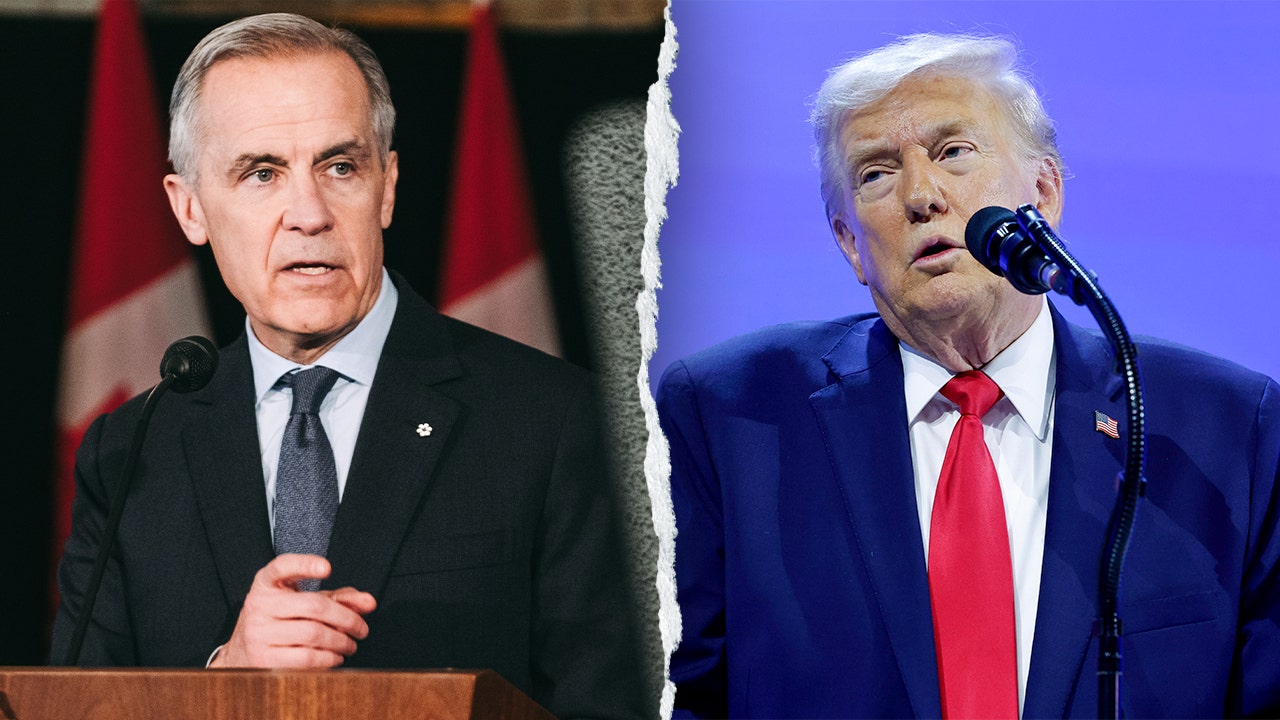
That confusion is already creating fertile ground for critics of Prime Minister Mark Carney’s push to diversify Canada’s trade and political partnerships away from the U.S. under President Donald Trump.
asserted
confusion → create → Trump
Conservative Leader Pierre Poilievre has already asserted — without evidence, since there’s no clear information from Carney or von der Leyen so far about the proposal — that such a partnership could include Canadians contributing tax dollars to the EU budget, accepting regulations drafted by bureaucrats in Brussels, or ceding control over immigration levels.
uncertain
Canadians → assert → levels
Jonathan Wilkinson, Canada’s ambassador to the EU and a former cabinet minister, did not appear fully comfortable with the term “associate member” Wednesday — telling reporters the important thing isn’t the name for the relationship, but the results deeper cooperation could bring.
“We are not looking to be a member of the European Union, because that is a sovereignty issue and people give up certain portions of their sovereignty (to be part of the bloc),” Wilkinson told reporters.
uncertain
Wilkinson → appear → reporters
“At the end of the day, what we are looking to do is get as close as we possibly can in a manner that’s going to actually strengthen all of our respective countries without giving up significant chunks of sovereignty.
uncertain
that → look → sovereignty
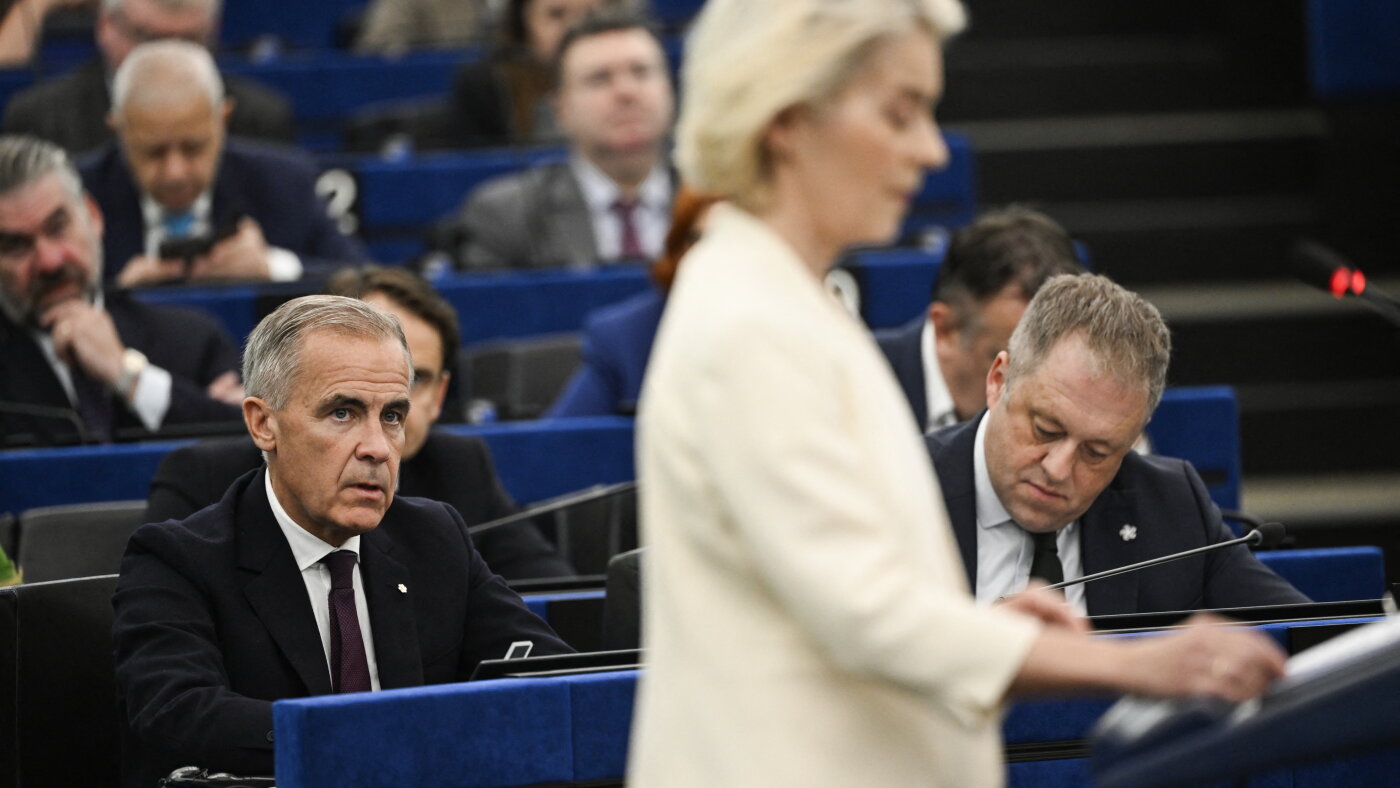
In a speech to the European Parliament in Strasbourg, France, Wednesday, von der Leyen told Carney that she wants to work with him to “open the door” to Canada being the political and trading bloc’s first “associate member.”
asserted
Canada → tell → door
Get breaking National news
More concretely, von der Leyen said she wants to move from the Canada-European Trade Agreement (CETA) to what she calls an “Alliance for the Future to create a common prosperity and economic security space.”
asserted
she → get → space
“We will work on intelligent manufacturing.
asserted
We → work → manufacturing
We will create a tech alliance.
asserted
We → create → alliance
We will integrate defence industrial bases.
asserted
We → integrate → bases
We will make the Arctic a flagship joint project.
asserted
Arctic → make → ?
We will work on energy, critical minerals and batteries.
asserted
We → work → energy
On AI, quantum (computing), cyber and economic security,” von der Leyen’s prepared remarks read.
asserted
remarks → prepare → computing
“In short, we want to bring the relationship with Canada to the highest level possible.”
asserted
we → want → level
Those are all things Canada and Europe have been working on since at least June 2025, when Carney and von der Leyen began a process to “deepen ties.”
asserted
Carney → work → ties
They will all likely factor in to Carney’s address to European leaders on Thursday, and be topics for discussion when Canada-EU talks continue in Montreal next month.
asserted
talks → factor → Montreal
There is currently no legal meaning for “associate membership” in the European Union, although the designation has been floated in the past — most recently, for Ukraine, which has for years been working toward full EU membership before Russia’s invasion.
asserted
which → be → invasion
In Ukraine’s case, German Chancellor Friedrich Merz suggested the country be granted temporary associate status as it worked toward full ascension into the bloc.
uncertain
it → suggest → bloc
It would’ve given Ukraine a presence at EU summits and meetings, but no voting rights.
asserted
It → give → summits
Group blames speed camera removal for 560% increase in speeding on Toronto road
-
asserted
Group → blame → road
Ford comes close to endorsing Chow in Toronto mayoral race: ‘Read between the lines’
-
asserted
Ford → come → lines
B.C. municipal leaders call for ‘uniform approach’ to e-scooter use
- Ontario fines SeatGeek $25K for allegedly violating new ticket resale law
It would not have given the country access to the $27 trillion European Single Market, or to EU funds.
uncertain
It → call → funds
Merz’s idea would grant Ukraine a measure of security guarantees that Canada already enjoys through membership in the North American Treaty Organization (NATO).
asserted
Canada → grant → Organization
Officials with the Prime Minister’s Office (PMO) told reporters traveling with Carney that Canada was not seeking formal membership of any kind with the EU.
asserted
Canada → tell → EU
“We welcome President von der Leyen’s proposal that Canada and the European Union move beyond the CETA to an Alliance for the Future,” PMO said in a statement.
asserted
PMO → welcome → statement
“This is a unique, positive approach that we will define together, building on our common strengths and based on our shared values.”
asserted
we → define → values
Polling released by Abacus Data this week suggested an overwhelming majority — 80 per cent — of Canadians support stronger economic, defence and political ties between Ottawa and Europe.
uncertain
majority → release → Ottawa
Opposition was strongest among Conservative voters, but 69 per cent of that cohort still backed deepening ties with Europe.
asserted
cent → back → Europe
Of course, that support could change if Canada were asked to pay into Europe’s collective budget, or change domestic policies around issues like immigration to more closely align with the continent.
uncertain
Canada → change → continent
In a press conference Tuesday, Poilievre raised similar questions.
asserted
Poilievre → raise → questions
“What more is Mr. Carney proposing?
asserted
Carney → propose → more
Because what Conservatives do not support is forcing waitresses who are struggling to pay their rent or welders who are worried about losing their homes to pay higher taxes to a government in Europe, or to follow law made by European bureaucrats that don’t even know where the Lower Mainland of B.C. is,” Poilievre said.
“Or to have European immigration policies that will further overwhelm our housing, health care and job market.
asserted
that → support → housing
We want Canada to have free trade with Europe, cooperation with Europe, but we never surrender our independence and sovereignty over our laws, our tax money, and our immigration policies.”
asserted
we → want → laws
 The Aporia