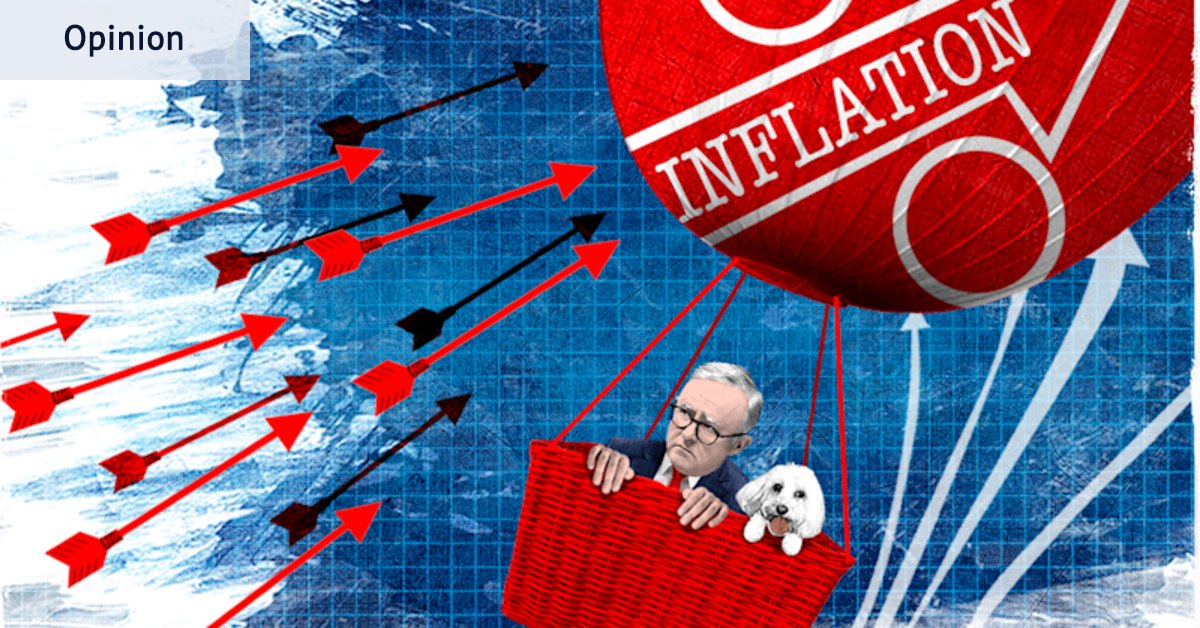
The message from voters to governments in US and Australia is clear: fix the cost of living if you want to keep your job.
asserted
you → fix → job
But what can our government do about the cost of living?
asserted
government → do → living
Short answer: nothing that’s quick or painless.
asserted
that → ’ → ?
And get this: turns out that to make it better, you must first make it worse.
asserted
it → get → this
For a start, there’s little the government can do directly to reduce prices.
asserted
government → ’ → prices
In a capitalist economy the government can’t cut the prices businesses charge, nor even set limits on by how much they may be raised.
uncertain
they → cut → limits
So anything it does to reduce the rate at which the cost of living is rising must be done indirectly.
asserted
cost → do → living
In the old days the government would use its budget to try to slow the rate at which prices are rising.
asserted
prices → use → which
But since the 1980s we – and all the rich economies – have left it to their central banks, which act independently of the elected government.
asserted
which → leave → government
Like all the other central banks, our Reserve Bank sees ensuring only modest rises in the cost of living – economists would say, in the rate of inflation – as its most important duty.
asserted
economists → see → duty
So what does it do when it sees prices rising too quickly?
asserted
prices → do → what
It does the only thing it can do: put up interest rates and keeps putting ’em up until it’s satisfied that prices will eventually be rising at a much slower rate.
asserted
prices → do → rate
Trouble is, all the ordinary punter sees is that they’re now having to make higher payments on their mortgage.
asserted
they → see → mortgage
From what they can see, the cost of living is now worse, not better.
asserted
cost → see → living
So how’s that supposed to help?
asserted
that → suppose → ?
The idea is that prices rise when the demand for goods and services is growing faster than the economy’s ability to produce those goods and services.
asserted
demand → rise → goods
When demand for their product is growing strongly, businesses feel able to raise their prices.
asserted
businesses → grow → prices
They may lose a few sales, but they’ll still be better off than they were.
uncertain
they → lose → sales
Higher interest rates are intended to reduce demand and so slow the rate at which prices are rising.
asserted
prices → intend → which
When interest rates rise, people with mortgages – and particularly younger people with really big mortgages – are left with less money to spend on other things.
asserted
people → rise → things
As well, higher interest rates usually improve the Australian dollar’s rate of exchange for other currencies, thus making imported goods, and services such as overseas travel, cheaper.
asserted
goods → improve → travel
And the more money we spend on imports, the less we’re able to spend on locally produced goods and services.
asserted
we → spend → goods
Why’s that a good thing?
asserted
that → ’ → ?
Because it puts further pressure on local businesses to go easy on price rises.
asserted
it → put → rises
(I told you you weren’t going to like this.)
asserted
you → tell → this
Economists have seen this process of increasing interest rates to slow the rate of price increases enough times in the past to know it works.
asserted
it → see → past
It’s no fun and it takes a year or two to have its full effect, but it does work.
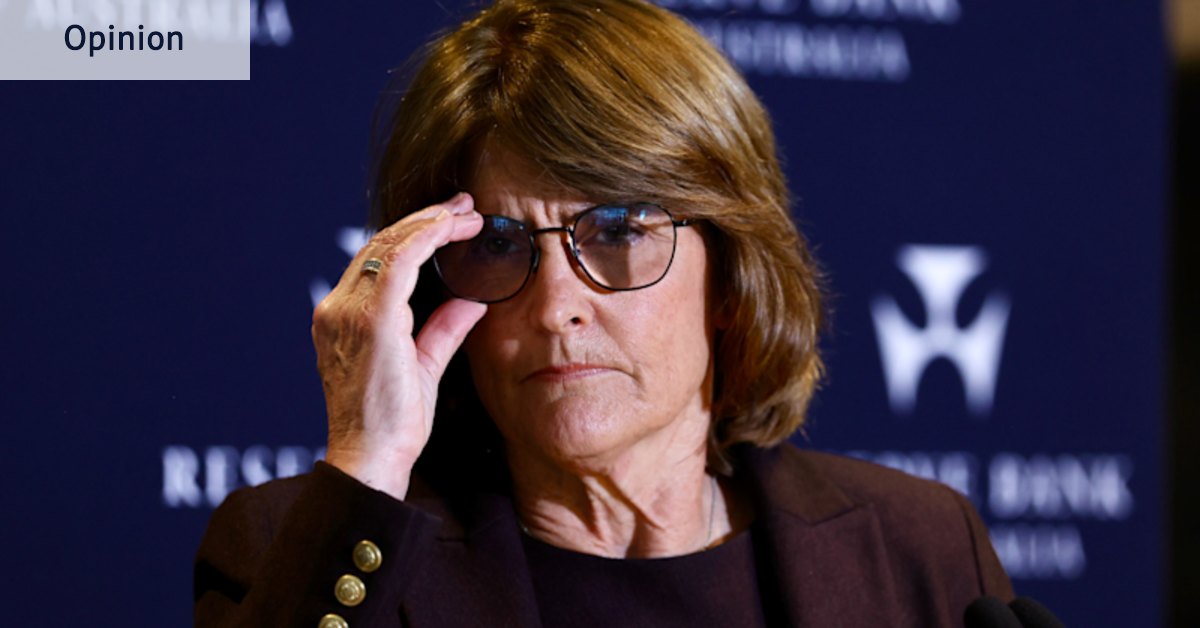
However, I can’t say I was persuaded by Reserve governor Michele Bullock’s argument that, after four rises in interest rates this year, we needed a fifth.
asserted
we → ’ → fifth
Remember, however, that this 4.85 per cent will hurt a lot more than it did in 2008.
asserted
it → remember → 2008
Bullock said we needed a rate rise because of “excess demand” in the economy.
asserted
we → say → economy
Sorry, I can’t see it.
asserted
I → see → it
Consumer spending accounts for well over half of total demand, and it’s not growing strongly – which you wouldn’t expect it to at a time when people are complaining so incessantly about the cost of living and retailers are describing how price-conscious shoppers have become.
asserted
shoppers → account → living
It turns out the only part of the economy that’s growing strongly is business investment in plant and equipment, particularly the construction of data centres.
asserted
that → turn → centres
Home buyers are being squeezed unmercifully to stop the boom in data centres?
asserted
buyers → squeeze → centres
Data centres do raise questions because of their immense demand for power and water, but that’s for other parts of government to deal with.
asserted
that → raise → government
It makes me wonder whether the management of the economy is becoming performative.
asserted
management → make → economy
Whether we’ve succumbed to government by numbers.
asserted
we → succumb → numbers
The government’s target is for consumer prices to rise by no more than 2 to 3 per cent a year.
asserted
prices → rise → cent
It’s been above that since before the Albanese government was elected in 2022.
asserted
government → elect → 2022
The “headline” rate of inflation is 4.3 per cent over the year to the month of September (although the more reliable measure of the “underlying” inflation rate puts it at 3.6 per cent).
asserted
measure → put → cent
The Reserve worries about its credibility when the inflation rate has been above the target for so long.
asserted
rate → worry → target
…and 11 more, not listed.
 The Aporia