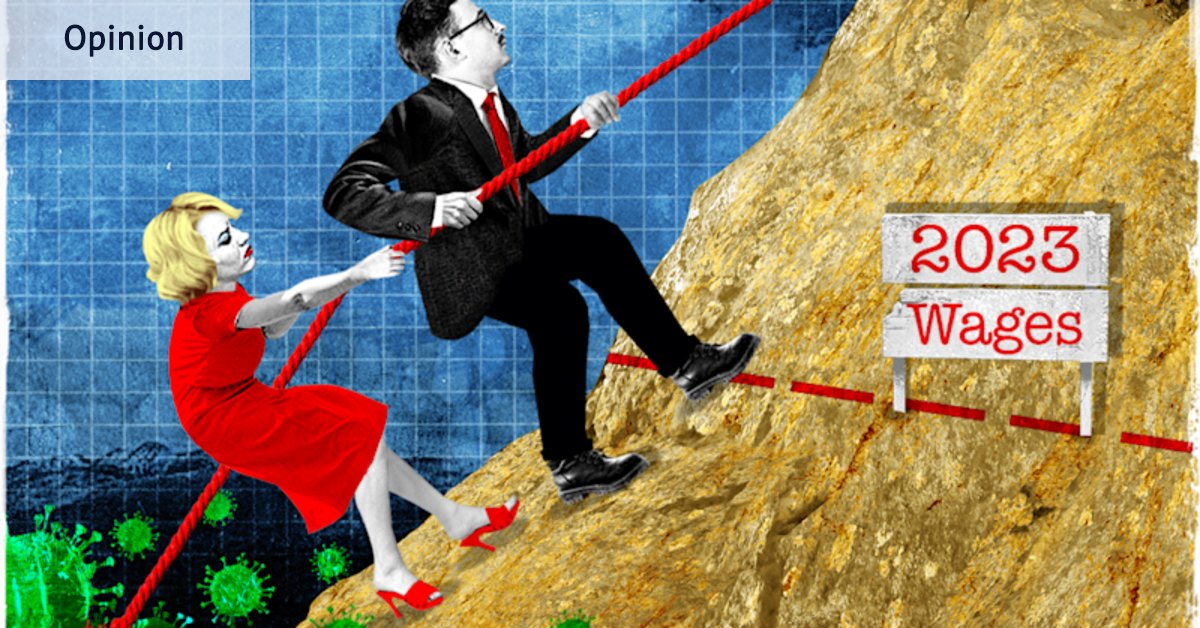
So the Reserve Bank has raised interest rates for the fifth time this year.
asserted
Bank → raise → time
What’s it trying to fix?
asserted
it → try → What
And will it work?
asserted
it → work → ?
These are matters of no little importance to those of us struggling to keep up with the cost of living.
asserted
These → struggle → living
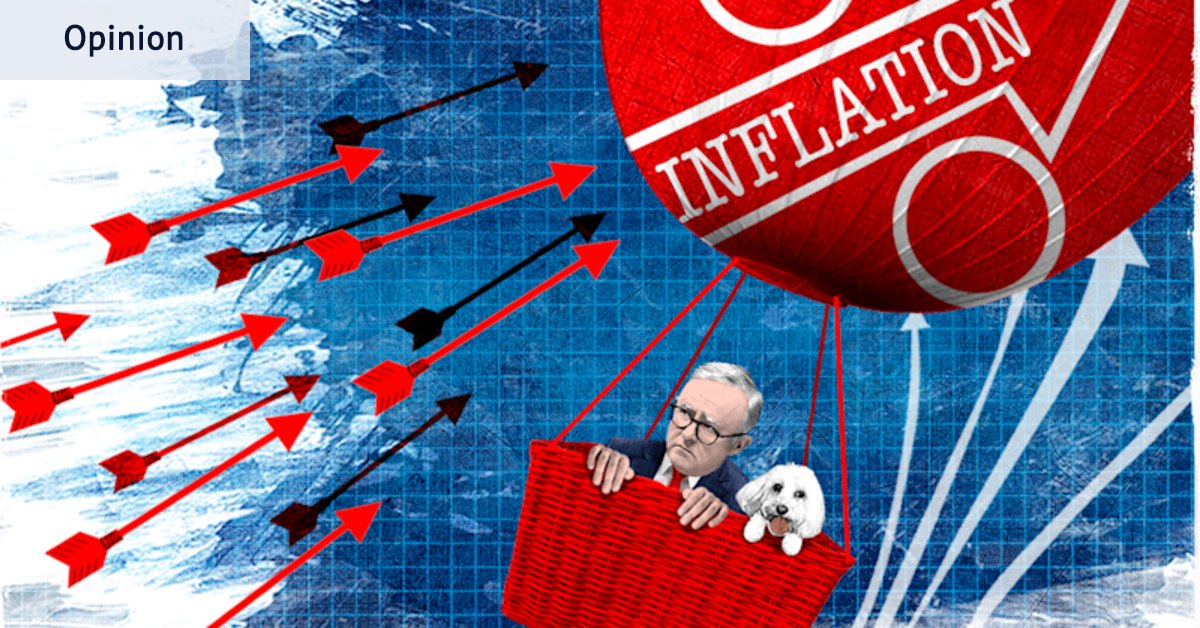
But they’re also of concern to Anthony Albanese.
asserted
they → ’re → Albanese
He’s a man who’s taken little interest in the economy now being caught by the iron rule of politics: if the economy turns bad on your watch, you take the blame.
asserted
you → ’ → blame
The Reserve has been surveying people to find out how much they know about the economy and what they think of its good self.
asserted
they → survey → self
It’s been chuffed to learn that inflation is by far our greatest economic concern.
asserted
inflation → chuff → ?
Like all other central banks, the Reserve sees keeping the rate of inflation low as by far its most important role.
asserted
keeping → see → role
Although most people know the Reserve is responsible for keeping the rate of inflation low, the survey finding that would have worried it a lot was that only about a quarter of people (including those who read my column, I trust) believe that increasing interest rates will reduce inflation, whereas almost 60 per cent think it will make inflation worse.
asserted
inflation → know → inflation
So, just this once, let’s go back to basics.
asserted
’s → let → basics
If you already knew what follows, give yourself a pat on the back.
asserted
what → know → back
The only lever the Reserve has to reduce inflation – the rate at which prices across the economy are rising – is to increase interest rates.
asserted
prices → have → rates
All the rich-country central banks do the same.
asserted
banks → do → same
They all believe that, if you raise interest rates high enough, inflation will slow to an acceptable rate, which in Australia we regard as prices rising by just 2 to 3 per cent a year.
asserted
we → believe → cent
If you’ve paid attention to all the times the Reserve has done this over the years, like all economists you will be in no doubt that it works – in its own painful way.
asserted
it → pay → way
The Reserve controls what I call the “official” interest rate but which is known to the experts as the “overnight cash rate” – the rate at which the banks lend to each other from one day to the next.
asserted
banks → control → next
The official interest rate sets the base for all other interest rates in the economy.
asserted
rate → set → economy
The banks and other financial institutions add a margin to the official rate to cover the risk that they won’t be repaid plus a profit margin to the rates they charge households and business borrowers.
asserted
they → add → households
So the Reserve’s increases or decreases in the official rate eventually flow through to all interest rates.
asserted
increases → flow → rates
Sometimes the flow-through is almost immediate, such as to home loans with variable interest rates, but will take longer for fixed-rate loans of 10 years or more.
asserted
through → take → years
Don’t forget that while an increase in the official rate allows the banks to increase their charges to borrowers, competition between the banks obliges them to increase the interest rates they pay to depositors.
asserted
they → forget → depositors
So remember – as the media almost never does – that increases in interest rates benefit savers.
asserted
increases → remember → savers
Remember, too, that when high interest rates have done their job, the Reserve winds them back down.
asserted
Reserve → remember → them
I can remember, not too many years back, that every increase in the official interest rate would start a debate about how much of it the banks were likely to pass on to people with variable-rate mortgages and how long it would take.
asserted
it → remember → long
But the Reserve has got tired of people like me always talking about the effect on people with mortgages and nothing else.
asserted
people → get → mortgages
As you can learn from its website, a rate rise affects the economy in four other ways.
asserted
rise → learn → ways
First, an increase in interest rates eventually flows through to all forms of borrowing.
asserted
increase → flow → borrowing
So if you get a personal loan or a loan to pay off a car, the interest rate will increase – if not on your present loan then on the next.
asserted
rate → get → next
Whether you’re borrowing for a home or just some big item, you’re left with less money to spend on other things.
asserted
you → borrow → things
Similarly, the interest rates charged on loans to businesses go up – although the bite is reduced by business loans being tax-deductible.
asserted
loans → charge → businesses
Second, higher interest rates make it more attractive to save.
asserted
it → make → ?
And if people save more, they spend less.
asserted
they → save → less
Third, higher interest rates tend to lower the value of assets such as shares and houses.
asserted
rates → tend → shares
This makes people feel less wealthy and so less willing to spend.
asserted
people → make → ?
Fourth, higher interest rates are likely to increase our dollar’s exchange rate – allow it to be exchanged for more US dollars or other foreign currency.
asserted
it → increase → dollars
This makes imports cheaper, directly reducing their price for Australians.
asserted
imports → make → Australians
All this is why people are wrong to think that raising interest rates will make inflation worse rather than better.
asserted
inflation → think → rates
It’s true that higher rates will add to businesses’ costs, but this small adverse effect is overwhelmed by all the other effects that work to reduce the upward pressure on prices.
asserted
that → ’ → prices
Here’s the point.
asserted
point → ’ → ?
…and 9 more, not listed.
 The Aporia