On Monday, the Senate voted to advance a bipartisan bill aimed at easing the construction of new energy infrastructure.
asserted
Senate → vote → infrastructure
The bill, the Bipartisan American Affordability and Jobs Act (BAAJA), has a broad base of support, including from labor leaders who contend it will produce thousands of jobs and clean energy proponents who believe it could unlock wind and solar.
uncertain
it → have → wind
Its sponsors are hoping to pass the bill before the current Congress ends in January.
asserted
Congress → hop → January
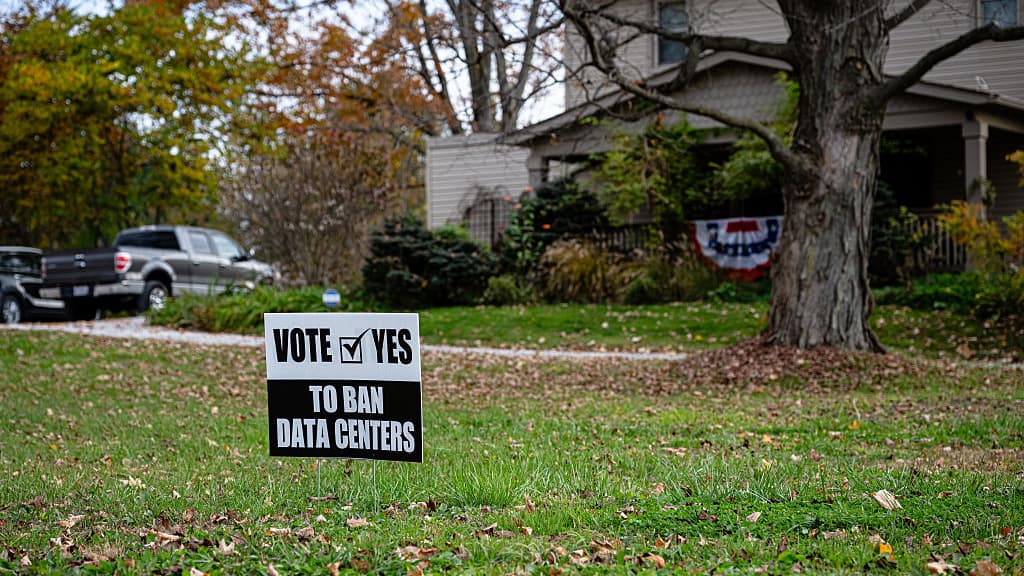
But the bill has also received vehement blowback from a growing coalition of anti-data center critics, who argue that it would accelerate the buildout of an industry that Americans resoundingly voted against in the midterm elections.
asserted
Americans → receive → elections
BAAJA does address affordability concerns by forcing data centers to pay the full cost of the upgrades they trigger, and contains transmission reforms designed to modernize the grid.
asserted
they → address → grid
But it also strips back environmental protections and could lead to more data centers powered by gas and built on public lands.
uncertain
it → strip → lands
Hundreds of local and national organizations have signed letters urging Congress not to pass the bill as written, including the Sierra Club and the Natural Resources Defense Council.
asserted
Hundreds → sign → Club
Conversely, many industry trade groups have been supportive of the bill, despite the fact that it would likely make building more expensive.
asserted
building → make → fact
On Sunday, Donald Trump urged the Senate to pass the bill on Truth Social, writing that “China will take any Data Center that we don’t want.”
asserted
we → urge → that
The bill represents the first major test for Democrats post-election, as they contend with how to deliver on affordability and many other issues in their sprawling coalition at the same time.
asserted
they → represent → time
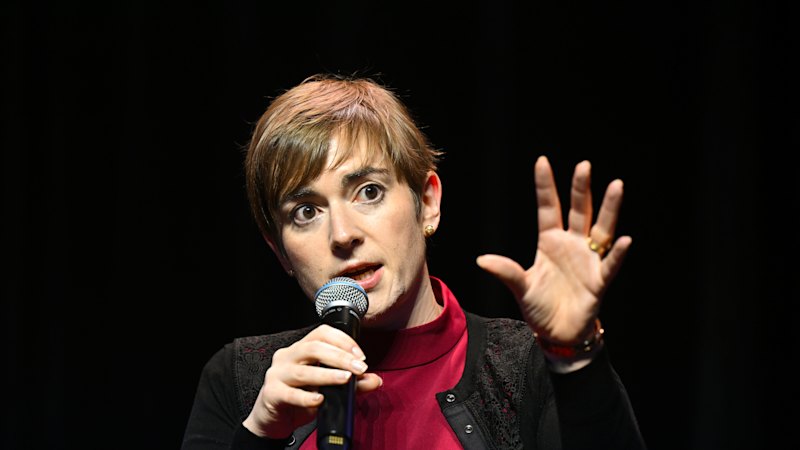
“Everything about BAAJA goes against the spirit of voters this midterms, in which we saw voters turn out for candidates who directly oppose data centers,” says Allie Rosenbluth, U.S. campaigns manager at the environmental nonprofit Oil Change International.
asserted
Rosenbluth → go → nonprofit
“This bill is a massive giveaway to the data center industry—and creates a backdoor for fossil fuels to enter the grid through data centers.”
asserted
fuels → create → centers
In the scramble to bring AI data centers online as fast as possible, many developers have built their own gas power plants instead of waiting to connect to the grid.
asserted
developers → bring → grid
Global Energy Monitor data reported by Wired show that U.S. gas projects powering data centers increased from roughly 4 gigawatts in early 2024 to 189 gigawatts in development by mid-2026.
asserted
projects → report → mid-2026
In some cases, these gas plants have worsened local pollution and exacerbated health issues like asthma, scientific researchers contend.
asserted
researchers → worsen → asthma
BAAJA incentivizes a wide range of energy sources to come online faster, including solar and wind.
asserted
range → come → solar
Many experts are hopeful that the bill will accelerate the buildout of transmission lines that are essential for bringing clean energy online.
asserted
that → accelerate → energy
But environmentalists worry that the first and foremost beneficiary of the bill won’t be clean energy sources but rather gas-powered data centers, because there is already a massive pipeline of proposed projects waiting for various approvals.
asserted
beneficiary → worry → approvals
Rosenbluth points to several gas-powered data centers that are currently plodding through the permitting process, including the Ports-Pike Technology Campus in Ohio and the STAK Energy Campus in Alaska.
asserted
that → point → Alaska
If BAAJA were to pass, she says, key environmental permits they are trying to obtain could be fast-tracked, potentially allowing them to come online much more quickly.
uncertain
them → pass → ?
Holly Bender, chief program officer of the Sierra Club, says that "based on their need for speed to power, the data center industry is driving a historic and alarming investment in gas and fossil fuels.
asserted
industry → say → gas
There’s a lot in this bill that will make it easier and faster to build gas pipelines, while making it harder for communities to have a say.
asserted
communities → ’ → say
Another major concern from critics is that the bill will lead to many more data centers getting built on federally-owned land.
asserted
centers → lead → land
The Trump administration has embraced this idea, and signed an executive order in July 2025 directing the Interior and Energy departments to make federal sites available for data centers and to streamline their environmental reviews.
asserted
sites → embrace → reviews
“We’re going to ‘mine, baby, mine’ so we can ‘build, baby, build’ because we’ve got to build AI data centers,” Interior Secretary Doug Burgum said in 2025.
asserted
Burgum → go → 2025
There are at least 17 active applications connected to data center campuses on public land, covering thousands of acres in Arizona, Idaho, Nevada, and other states, one recent study found.
asserted
study → be → Arizona
BAAJA’s permitting provisions could make those projects easier to advance and harder to stop, including limiting judges’ ability to halt construction due to environmental review.
uncertain
projects → make → review
Additionally, some Tribal organizations and leaders have spoken out forcefully against the bill, with a coalition of Tribal leaders writing on Saturday that the bill would “gut the ability of Tribal Nations and the American public to identify and protect historic and cultural places threatened by federally connected projects—including data centers.”
asserted
bill → speak → centers
However, the bill’s advocates argue that it addresses several of the public’s most pressing data center concerns.
asserted
it → argue → concerns
The first is around affordability: The bill contains ratepayer protections which would require developers to pay for the added cost of transmission.
asserted
which → contain → transmission
One study estimates that data centers would pay approximately $55 billion in transmission charges over ten years—about $35 billion more than under current policy.
asserted
centers → estimate → policy
The bill establishes protections to prevent households and businesses from being left with the bill for failed projects.
asserted
bill → establish → projects
“The day of data center freeloading ends when this bill passes,” Senator Sheldon Whitehouse, one of the bill’s Democratic sponsors, said last week.
asserted
Whitehouse → end → sponsors
He added on Monday that passing the bill would set the stage for Democrats to work on substantial clean energy policies next year when they control both chambers.
asserted
they → add → chambers
A study from the Rhodium Group projected that the bill as introduced will reduce household electricity bills, both by expanding access to lower-cost electricity and by preventing data-center costs from being shifted to other customers.
asserted
bill → project → customers
But Meg Slattery, a staff scientist at Earthjustice, contends that the ravenous demand from the data center industry could simply soak up the power that comes online.
uncertain
that → contend → power
“It's quite possible that if there are more gas pipelines being built, for example, that is going to increase data center demand,” she says.
asserted
she → be → demand
“We are supportive of transmission reform because we want to build a clean energy grid that benefits everybody.
asserted
that → want → everybody
But these other provisions, we think, are going to fast-track the worst version of this story.”
asserted
we → think → story
Following Monday’s cloture vote, the Senate must vote to take up the legislation.
asserted
Senate → follow → legislation
…and 5 more, not listed.
 The Aporia