That is 0 articles you have read today.
The Aporia is free and carries no advertising, so readers are the only
thing paying for it. If you are getting this much out of it, a small
donation is what keeps it independent.
Daily limit reached
You have read 0 articles today.
That is more than the 15 a day The Aporia gives away,
and well past what it can carry on nothing. Your allowance resets at
midnight.
There is no advertising here and nothing about you is sold, so readers
are the only thing paying for it. If the site is worth this much of
your day, it is worth a few dollars.
Everything else stays open: the
maps, the
directory and
search do
not count against this, and neither does re-opening something you have
already read today.
The World Health Organization reported on September 16 that efforts to contain the Ebola outbreak in Congo are showing progress, particularly in Ituri province where transmission is declining. However, WHO officials emphasized that the situation remains serious with over 7,000 confirmed cases and warned that the outbreak could still spread due to high population mobility. The article highlights ongoing vaccination efforts and upcoming trials for new vaccine candidates, including Moderna's and Oxford’s, while also noting uncertainty about the effectiveness of the existing Ervebo vaccine against the Bundibugyo virus variant causing this outbreak.
Written by the local model on 2026-09-16,
using this article's own text rather than the other coverage of the
same event (that is the story summary below).
Story summary
The Ebola outbreak in Democratic Republic of Congo (DRC) is showing signs of slowing down, with daily infections dropping from around 120 cases at its peak to about 80. However, health officials are cautious and stress that it's too early to declare a turning point. As of September 16, the outbreak has recorded more than 7,000 confirmed cases and over 3,475 deaths, making it the second most lethal on record behind the West Africa epidemic from 2014 to 2016.
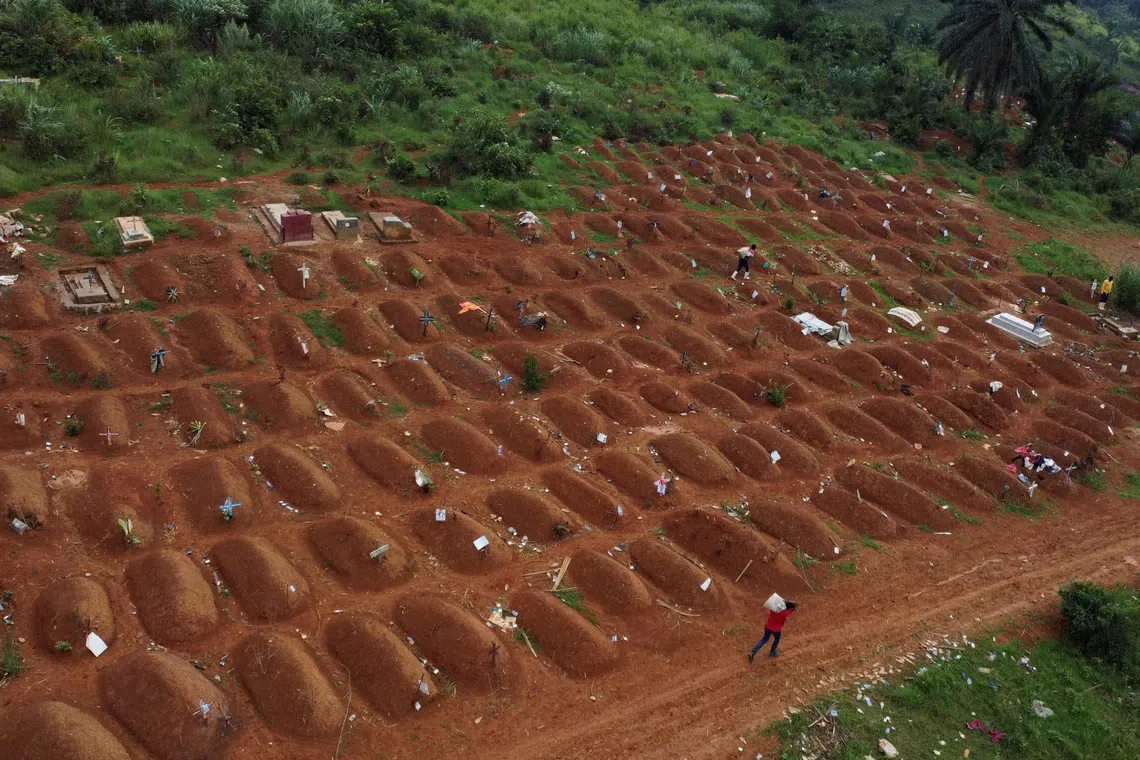
While Congolese health minister Samuel Roger Kamba reported a decline in transmission of the Bundibugyo variant in some regions, with areas such as Sud-Ubangi not reporting new cases for over 42 days, UN officials highlight that the situation remains complex. In North Kivu and Ituri provinces, case counts are still rising rapidly, with weekly infections doubling from 100 to more than 200 in some regions.
World Health Organization (WHO) director-general Tedros Adhanom Ghebreyesus noted "encouraging signs" of slowing transmission in parts of Ituri but warned that the outbreak is far from over due to high population mobility and ongoing transmission in other areas. The WHO emphasizes the need for sustained efforts to control the virus, with significant support required for many more months ahead.
Written for “Ebola Outbreak In Drc” on 2026-09-17,
grounded in this article and the 5 other(s) covering the same event.
Why this leaning score
This article does not take a side on a contested political
question, so it has no leaning score. That is an
answer rather than a gap: a match report or a rescue can be warmly
or critically written without being left or right, and scoring it
anyway is how approval of a subject gets recorded as a political
position.
No political leaning scored for article 13732 · logged 2026-09-16
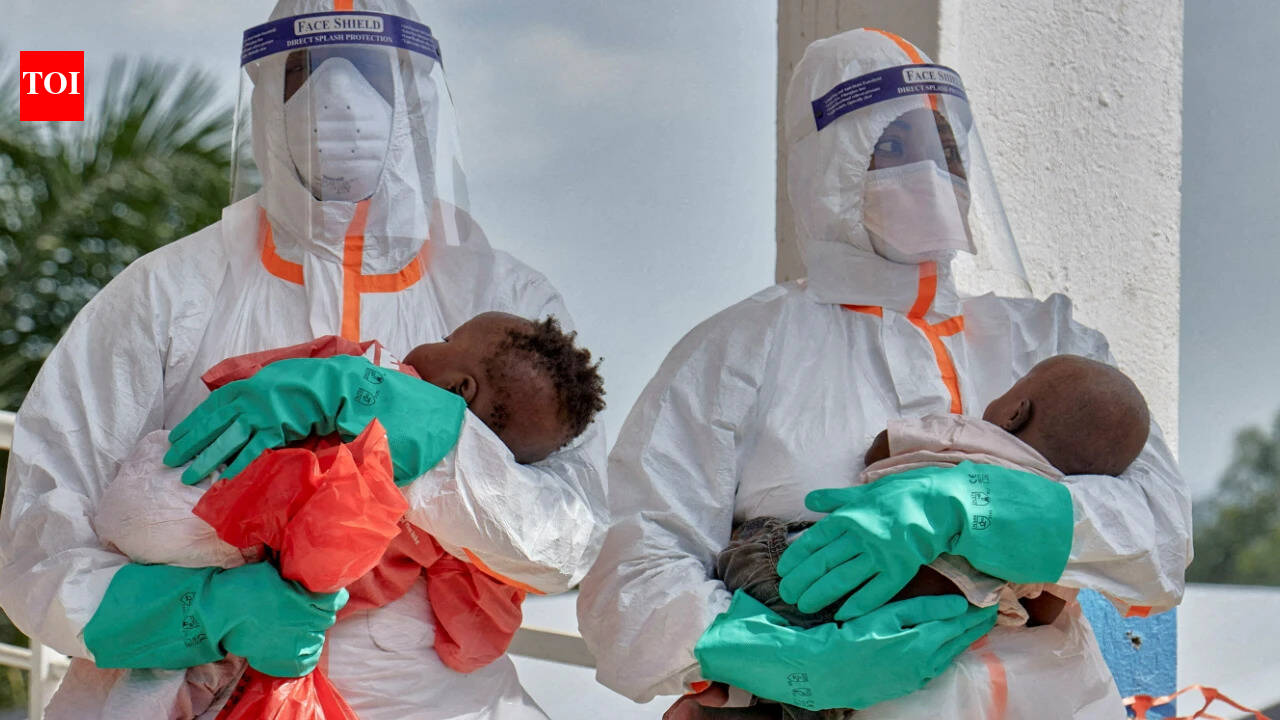
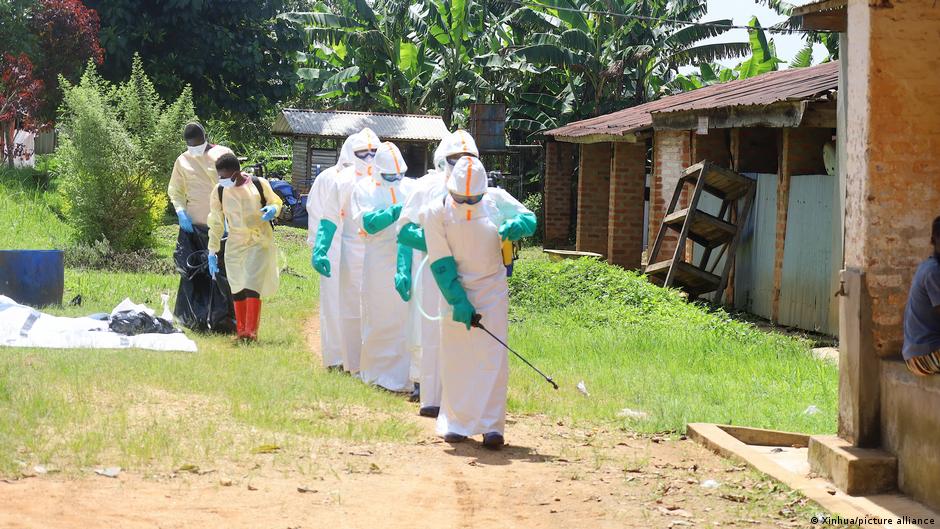
Ebola response making progress in Congo, but outbreak 'far from over,' WHO says
Sept 16 -
asserted
WHO → make → Congo
The World Health Organization said on Wednesday there were encouraging signs measures to contain an Ebola epidemic in Democratic Republic of Congo were gaining ground, though it warned the outbreak was "far from over.
asserted
outbreak → say → ground
"
Transmission was declining in the most affected parts of Ituri province, WHO Director-General Tedros Adhanom Ghebreyesus said.
asserted
Ghebreyesus → decline → province
"We are now starting to see encouraging signs that we are gaining ground," he said in a conference call but warned the outbreak could still spread in a region with very high population mobility.
uncertain
outbreak → start → mobility
Congo had reported more than 7,000 confirmed Ebola cases as of September 11.
asserted
Congo → report → September
The outbreak, the second most lethal on record behind one in West Africa that lasted from 2014 to 2016, has spread to a seventh province.
asserted
that → last → province
Improved surveillance could lead to an increase in detected cases, while contact-tracing efforts had also increased, said Maria Van Kerkhove, WHO's acting director of epidemic and pandemic threat management.
uncertain
Kerkhove → lead → management
"We have many, many months ahead of us," Van Kerkhove said.
asserted
Kerkhove → have → us
More than 3,000 healthcare and frontline workers had already been vaccinated with Merck's Ervebo, said Meg Doherty, WHO's director of science, research, evidence and quality for health.
asserted
Doherty → vaccinate → health
Ervebo is licensed against Zaire ebolavirus, but its effectiveness against the Bundibugyo virus driving the current outbreak is not known
asserted
effectiveness → license → outbreak
Doherty said an observational study involving frontline workers was expected to begin shortly to assess the vaccine's effectiveness, while a separate mid-to-late-stage trial, led by Congo's National Institute of Biomedical Research with other partners, was expected to get under way in the coming weeks.
asserted
trial → say → weeks
Ervebo will be among the first vaccines evaluated for efficacy in the trial, followed by other vaccine candidates specifically targeting Bundibugyo Ebola, she said.
asserted
she → evaluate → Ebola
These include candidates from Moderna and one from the University of Oxford.
asserted
These → include → Oxford
 The Aporia