The Aporia
The Aporia
The Aporia
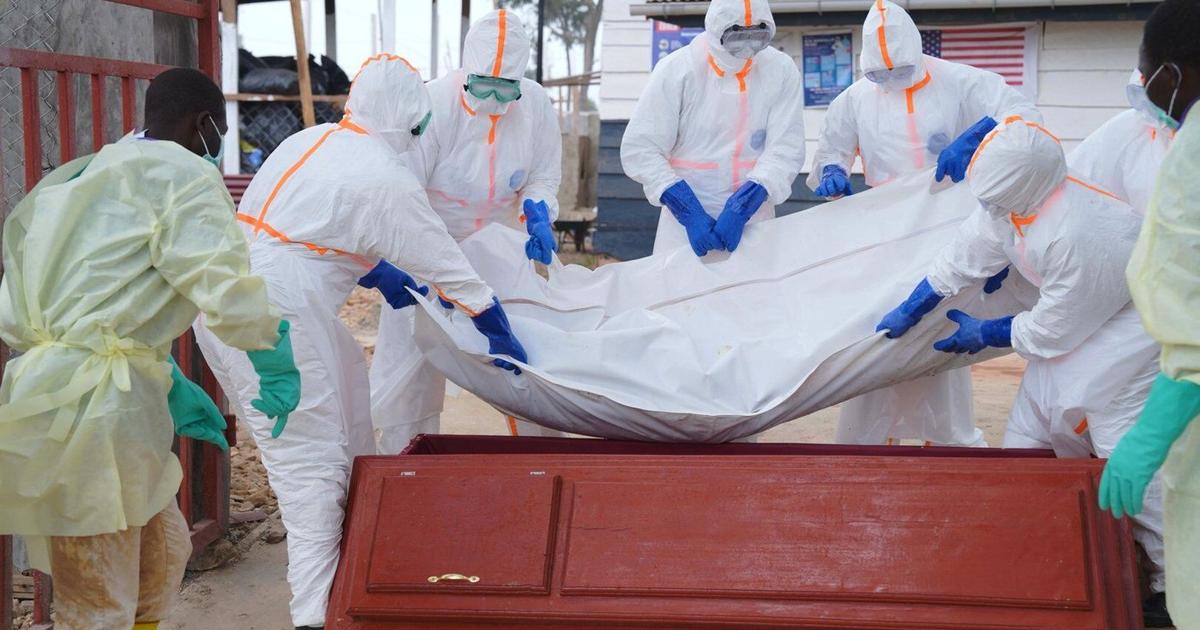
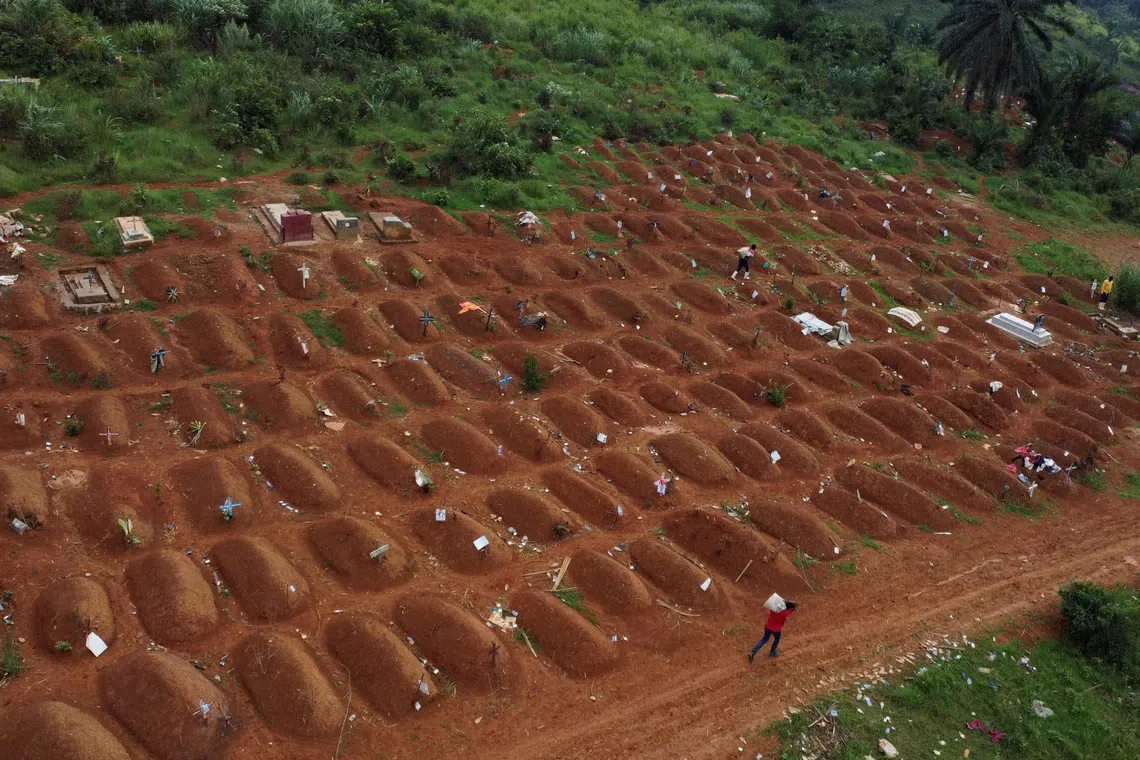
The Ebola outbreak in Democratic Republic of Congo (DRC) is showing signs of slowing down, with daily infections dropping from around 120 cases at its peak to about 80. However, health officials are cautious and stress that it's too early to declare a turning point. As of September 16, the outbreak has recorded more than 7,000 confirmed cases and over 3,475 deaths, making it the second most lethal on record behind the West Africa epidemic from 2014 to 2016.
While Congolese health minister Samuel Roger Kamba reported a decline in transmission of the Bundibugyo variant in some regions, with areas such as Sud-Ubangi not reporting new cases for over 42 days, UN officials highlight that the situation remains complex. In North Kivu and Ituri provinces, case counts are still rising rapidly, with weekly infections doubling from 100 to more than 200 in some regions.
World Health Organization (WHO) director-general Tedros Adhanom Ghebreyesus noted "encouraging signs" of slowing transmission in parts of Ituri but warned that the outbreak is far from over due to high population mobility and ongoing transmission in other areas. The WHO emphasizes the need for sustained efforts to control the virus, with significant support required for many more months ahead.