Photo via Washington Examiner

Republicans lost the AI argument in 2026. We must fix it before 2028

Read the original at Washington Examiner ↗
Cite

Spicer, S. (2026, November 5). Republicans lost the AI argument in 2026. We must fix it before 2028. Washington Examiner. https://www.washingtonexaminer.com/op-eds/4793309/republicans-ai-safety-codify-trump-accord/

Dated from the outlet's own feed. Check the original for its byline.

Washington Examiner · collected 2026-11-05 · by Sean Spicer

Quick Summary

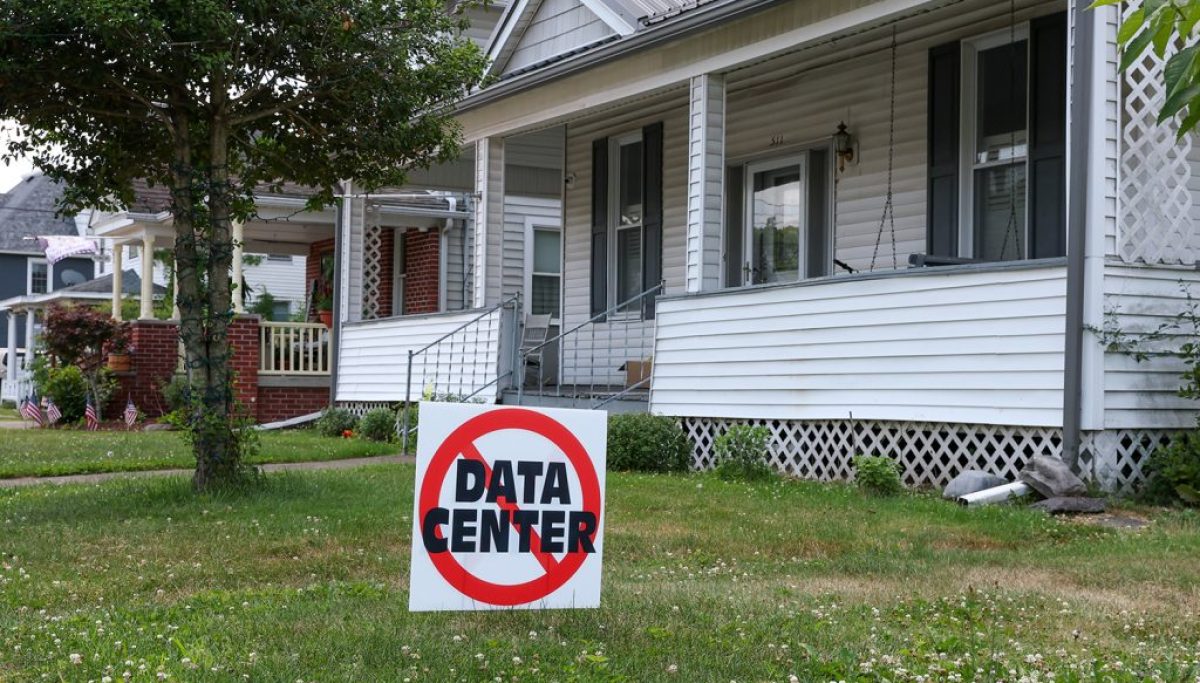
A political consultant argues that Republicans' failure to address artificial intelligence effectively contributed significantly to their loss of control in Congress during the 2026 election. The article suggests that AI is one of the top five issues impacting Republican performance and warns that ignoring it could lead to further electoral setbacks in 2028.
Written by AI on 2026-11-05, from this article's own text only (the story summary below draws on all the coverage).

AI analysis

Story summary

After the 2026 midterm elections, Republicans lost control of Congress. While various factors like inflation, voter turnout, candidate quality, and historical trends contributed to their defeat, Sean Spicer argues that artificial intelligence (AI) played a significant role in the loss. According to Spicer, AI is one of the top five issues that negatively impacted Republican performance and could continue to harm them in future elections if they do not address it seriously.


Written for “Republicans AI Argument Loss” on 2026-11-05, grounded in this article and the 0 other(s) covering the same event.
Why this leaning score
The model judged this article politically coded and scored it -0.35, but none of the 2 quote(s) it offered could be found in the article text, so the score is not published.
Written under an earlier scoring contract, which gave a paragraph rather than checkable quotes. Re-analysing this article replaces it.
Leaning score withheld for article 131670: no verified evidence · logged 2026-11-05

Story

📰 Republicans AI Argument Loss
Politics · 1 article(s) covering the same event.

Compared with similar articles

This article reads unscored and hedges 0% of its claims. Each row says how that neighbour differs.
NBC News
Outlet record 72/100
“The articles discuss AI's impact on politics but describe different aspects and times, with Article A focusing on OpenAI’s election war room during midterms and Article B reflecting on Republicans' loss in the context of AI after the election.”
Times of India
⚖️ Leans left Hedges 6 of 44 claims Outlet record 59/100
“The articles discuss different aspects of AI's role in politics and elections, but do not describe the same specific incident or occurrence.”
The Straits Times
⚖️ Leans left Hedges 2 of 26 claims Outlet record 66/100
“Article A describes tech companies' efforts to prevent AI-generated disinformation during the US midterm elections, while Article B discusses political analysis and implications of AI's role in the election results.”
Platformer
Hedges 0 of 4 claims Outlet record 96/100
“The articles discuss different topics related to AI and politics but do not describe the same specific incident or occurrence.”
TIME
⚖️ Leans strongly left Hedges 10 of 70 claims Outlet record 59/100
“Article A discusses the outcomes of the 2026 midterm elections influenced by AI issues, while Article B reflects on the reasons for Republican losses and warns about future implications.”
Semafor
⚖️ Leans left Hedges 0 of 34 claims Outlet record 59/100
“The articles discuss different aspects of AI's impact on politics and elections rather than describing the same specific incident.”
How this article was measured signals, leaning charts, publisher record, byline, topics and claims

Signals How these are calculated →

Claims extracted
4
sentences that state something as happening or true
Uncertain
0%
0 of 4 hedged ("reportedly", "may", "according to")
Leaning
withheld
no quote in the article backed the model's score
Publisher signals
69/100
Washington Examiner's corrections and hedging, across everything collected from it. Not a measure of accuracy.
Outlets on this story
1
Politics
Same framing elsewhere
1
articles that frame the event the way this one does
Analyzed 2026-11-05 · how these are computed

How this is being covered How these are calculated →

Article leaning vs. publisher reliability
Source leaning vs. consistency

Publisher

Washington Examiner · 4298 article(s) · 8 correction(s) detected
Running correction rate · 8 correction(s)

Who wrote this

Sean Spicer
2 article(s) here · 0 carrying a prediction
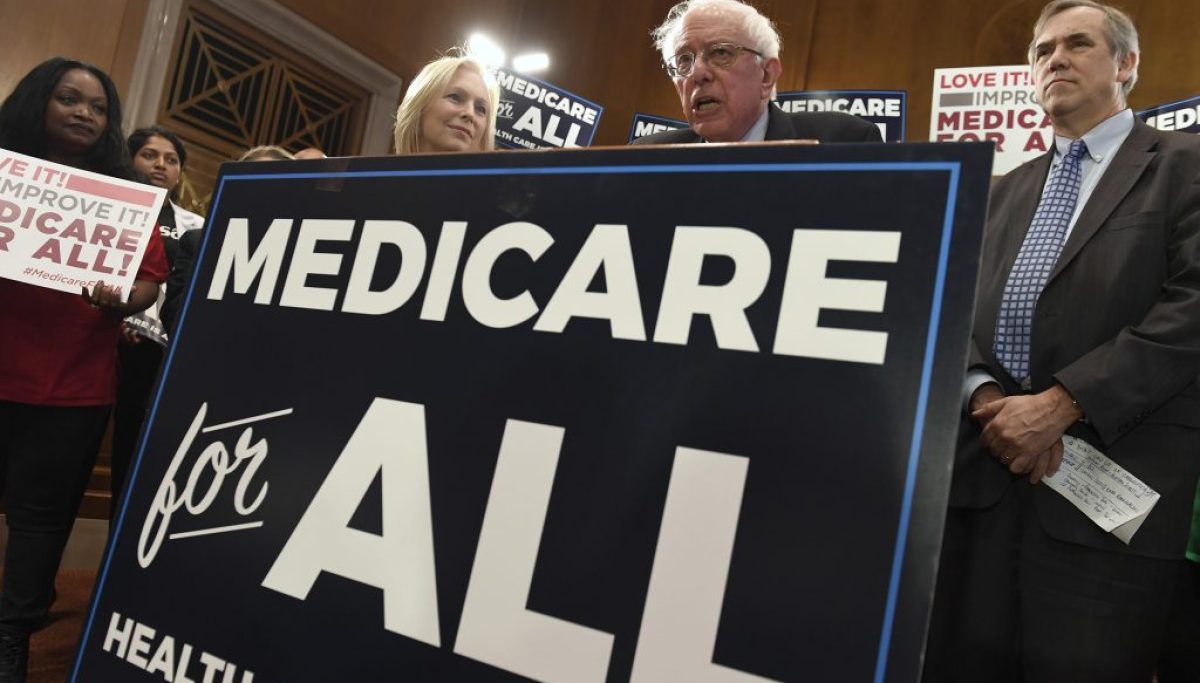
🔮 When voters in those districts learned that a Democratic candidate supported a plan that would force every American off their health coverage and would place them into a single government-run system, the Republican won by 50% to 38%.
Also by Sean Spicer
Nothing else under this byline is closely related to this article, so these are simply their most recent.

Topics

Congress Republicans

Subjects

Congress ORG · 1× Republicans NORP · 1×

Narrative

Smart politicos can all point to inflation, turnout, candidate quality, and the old midterm curse on the party that holds the White House all playing a part.
framing: assertive · carried by 1 article(s) · first seen 2026-11-05
2026-11-05 · Washington Examiner
Republicans lost the AI argument in 2026. We must fix it before 2028 · assertive framing

Claims (4 extracted, 0 hedged)

After an election like this one, the political consultant class searches for one tidy explanation for what went wrong. asserted
what → search → explanation
There never is, and anybody who tells you a single issue cost Republicans control of Congress is selling you something. asserted
issue → tell → something
Smart politicos can all point to inflation, turnout, candidate quality, and the old midterm curse on the party that holds the White House all playing a part. asserted
that → point → part
But I’d put artificial intelligence in the top five, and I think it’s the one most likely to hurt us again in 2028 if we keep pretending it’s a side issue. asserted
it → put → 2028
💬Give feedback · no sign-in needed

No sign-in needed for now. Your note is sent without a name, so it cannot be answered.

🕘History 🎫Support