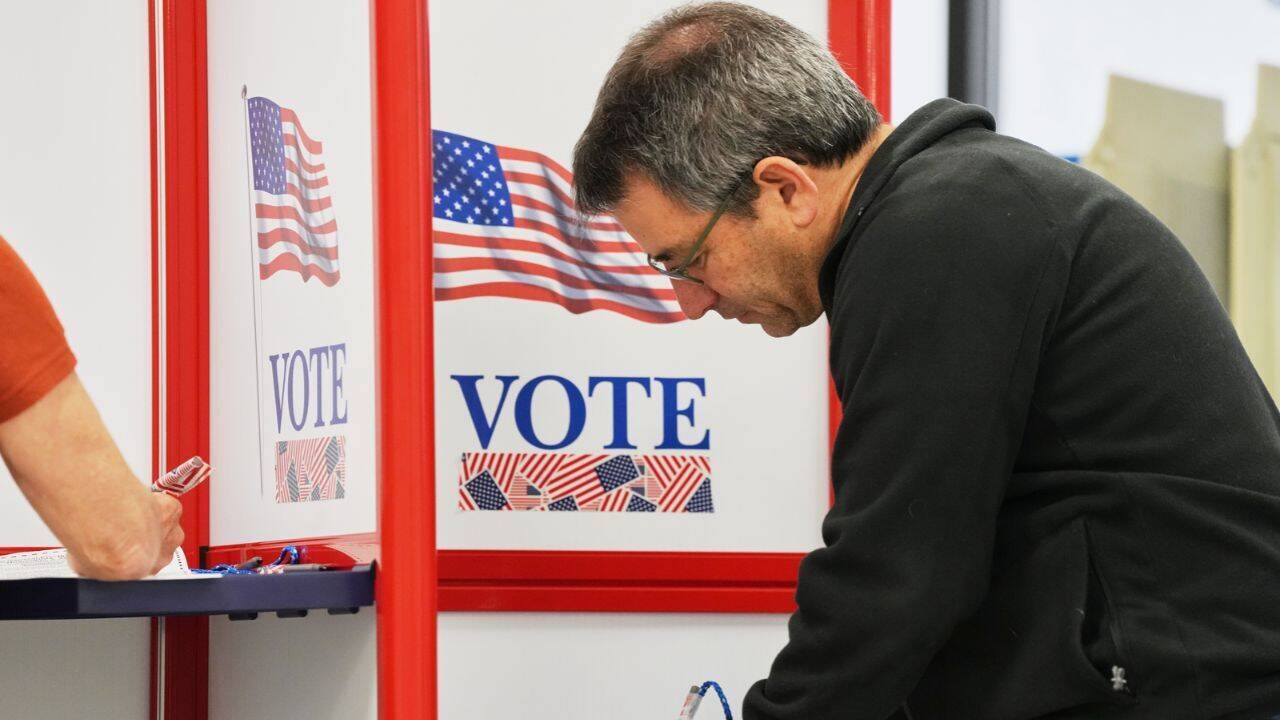
Political campaigns across the United States have entered a new digital era during the 2026 midterm elections.
asserted
campaigns → enter → elections
It is now being used as an active tool in political campaigns.
asserted
It → use → campaigns
From realistic fake audio recordings targeting candidates just hours before polling begins to automated tools that create and target AI-generated video ads, the technology is making it harder for voters to decide what information they can trust.
asserted
they → target → information
Election monitors and political strategists are struggling to deal with an online environment where genuine campaign material is becoming increasingly difficult to separate from computer-generated content.
asserted
material → struggle → content
Public concern about the impact of AI-generated media has reached high levels.
asserted
concern → generate → levels
A survey by the Bipartisan Policy Center found that
77 per cent of voters were deeply concerned about the use of artificial intelligence to spread false information or influence public opinion during this election cycle.
asserted
cent → find → cycle
The findings show that voters across the political spectrum share these concerns, with majorities from both major parties identifying deepfakes and automated persuasion as serious threats to fair elections.
asserted
majorities → show → elections
These concerns have also started changing campaign strategies.
asserted
concerns → start → strategies
Axios reported last week that Democratic groups had launched a
$4 million advertising campaign across four competitive House of Representatives districts.
asserted
groups → report → districts
The campaign was designed to test whether voters support stricter rules for artificial intelligence.
asserted
voters → design → intelligence
Deepfakes blur the line between real and fake
One of the biggest changes in the 2026 midterms is how easily people can now create realistic fake content.
asserted
people → blur → content
In earlier election cycles, changing digital images or recordings required special technical skills and expensive computer systems.
asserted
changing → change → skills
Today, widely available software allows campaign workers or outside groups to copy a politician's voice or create convincing videos using simple written instructions.
asserted
workers → allow → instructions
During the autumn campaign season, AI-generated content appeared in several closely contested races.
asserted
content → generate → races
Fake audio recordings designed to sound like candidates making controversial statements were shared through messaging apps.
asserted
recordings → design → apps
Some were released shortly before important debates, giving fact-checkers little time to check them before they spread further.
asserted
they → release → them
Fake videos have also become part of negative political campaigns.
asserted
videos → become → campaigns
Instead of using traditional edited footage, some AI-generated advertisements show completely fictional scenes.
asserted
advertisements → use → scenes
These videos may depict candidates taking part in unpopular activities or appearing alongside controversial public figures.
uncertain
candidates → depict → figures
The spread of such material has created more work for election officials and news organisations.
asserted
spread → create → officials
Fact-checkers now have to spend time checking whether audio recordings and videos are genuine before examining the political claims they contain.
uncertain
they → have → claims
This has slowed down political reporting and made it harder to respond quickly to misleading content.
asserted
it → slow → content
Machine learning changes how campaigns target voters
Apart from creating public-facing fake content, political campaigns are also using machine-learning systems to improve how they reach voters.
asserted
they → change → voters
These tools analyse large amounts of information, including shopping habits, social media activity and past voting records.
asserted
tools → analyse → habits
They can then create messages aimed at specific groups of people.
asserted
They → create → people
Traditional political advertising usually targets broad groups based on factors such as age or location.
asserted
advertising → target → age
AI tools can go much further by creating personalised messages for smaller groups and even individual voters.
asserted
tools → go → groups
Algorithms can produce thousands of different versions of an advertisement in real time, changing the words, images and emotional tone to match what a particular voter is likely to respond to.
asserted
voter → produce → what
This allows campaigns to test different messages and quickly identify which ones work best.
asserted
ones → allow → messages
Political teams can run hundreds of online advertisements at the same time and stop using ineffective versions within minutes.
asserted
teams → run → minutes
They can make these decisions by tracking how people respond to the advertisements.
asserted
people → make → advertisements
However, researchers warn that this type of automated targeting could increase political divisions.
uncertain
type → warn → divisions
When different groups receive completely different political messages, voters may end up seeing very different versions of the same issue.
uncertain
voters → receive → issue
This could create separate information bubbles and make it harder for people to understand opposing views.
uncertain
people → create → views
Voters struggle to identify AI-generated content
The growing use of AI-generated material in political discussions has left many voters unsure about the information they see and hear.
asserted
they → struggle → information
As fake videos become more realistic, signs that once exposed digital editing are becoming harder to spot.
asserted
that → become → editing
These included unusual lighting, strange eye movements and distorted background sounds.
asserted
These → include → lighting
Election security experts warn that the growing gap between AI technology and tools designed to detect fake content has created another problem.
asserted
gap → warn → problem
It is known as the "liar's dividend".
asserted
It → know → dividend
This happens when politicians or public figures can deny genuine but embarrassing recordings by falsely claiming that they were created using artificial intelligence.
asserted
they → happen → intelligence
…and 4 more, not listed.
 The Aporia