The Aporia

Elias, M., & Zhao, H. (2026, November 3). LA voters back billionaire tax AND voter ID in surprising political crossover. New York Post. https://nypost.com/2026/11/02/us-news/la-voters-want-billionaires-taxed-and-ids-checked-at-the-polls/
Elias, Matt, and Helen Zhao. “LA voters back billionaire tax AND voter ID in surprising political crossover.” New York Post, 3 Nov. 2026, https://nypost.com/2026/11/02/us-news/la-voters-want-billionaires-taxed-and-ids-checked-at-the-polls/.
Elias, Matt, and Helen Zhao. “LA voters back billionaire tax AND voter ID in surprising political crossover.” New York Post, November 3, 2026. https://nypost.com/2026/11/02/us-news/la-voters-want-billionaires-taxed-and-ids-checked-at-the-polls/.
Dated from the outlet's own feed. Check the original for its byline.
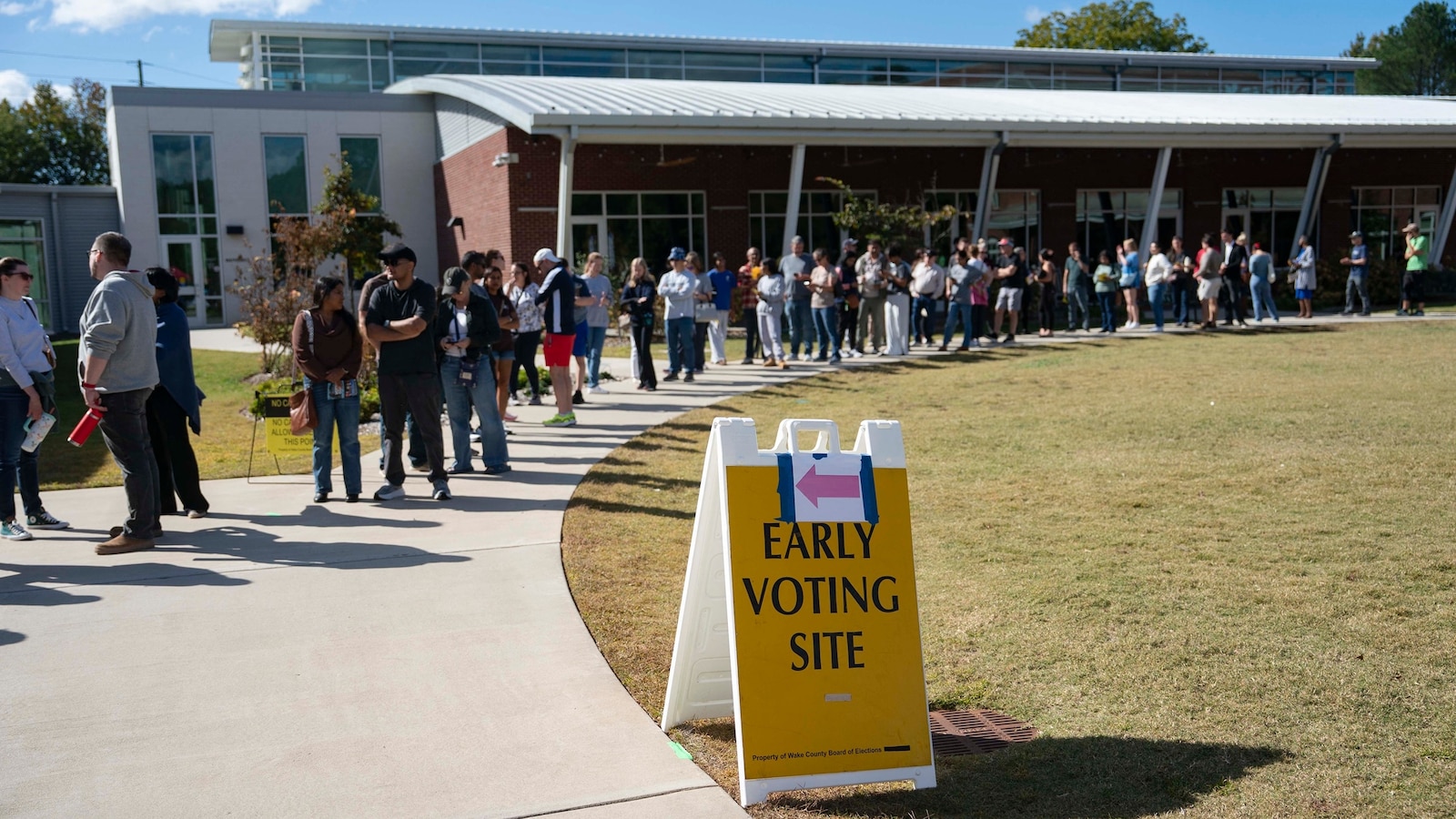
On November 3, 2026, LA voters approved two contentious ballot measures: Proposition 40, which imposes a one-time 5% tax on the net worth of California billionaires, and Proposition 39, which requires Californians to present government-issued identification when voting in person or provide part of their ID number for mail-in ballots. Surprisingly, these measures received support across political lines, with some voters viewing both as necessary reforms. For instance, artist Sandy Weiner supports the billionaire tax, stating that billionaires should contribute more to public services like health and education. Similarly, creative director Nikki Paige agrees, advocating for a higher percentage tax based on the size of a billionaire's wealth. Both measures passed despite initial concerns about their political alignment, reflecting a shift in voter attitudes towards economic fairness and election integrity.
Supporters say the measure would help offset federal cuts to Medi-Cal, but critics warn the measure could drive billionaires and businesses out of California, ultimately shrinking the state’s tax base.
Supporters of voter ID argue the measure would help prevent voter fraud and restore public confidence in elections.
Opponents say voter fraud is already rare and warn that the new requirements could prevent many eligible voters from casting ballots.