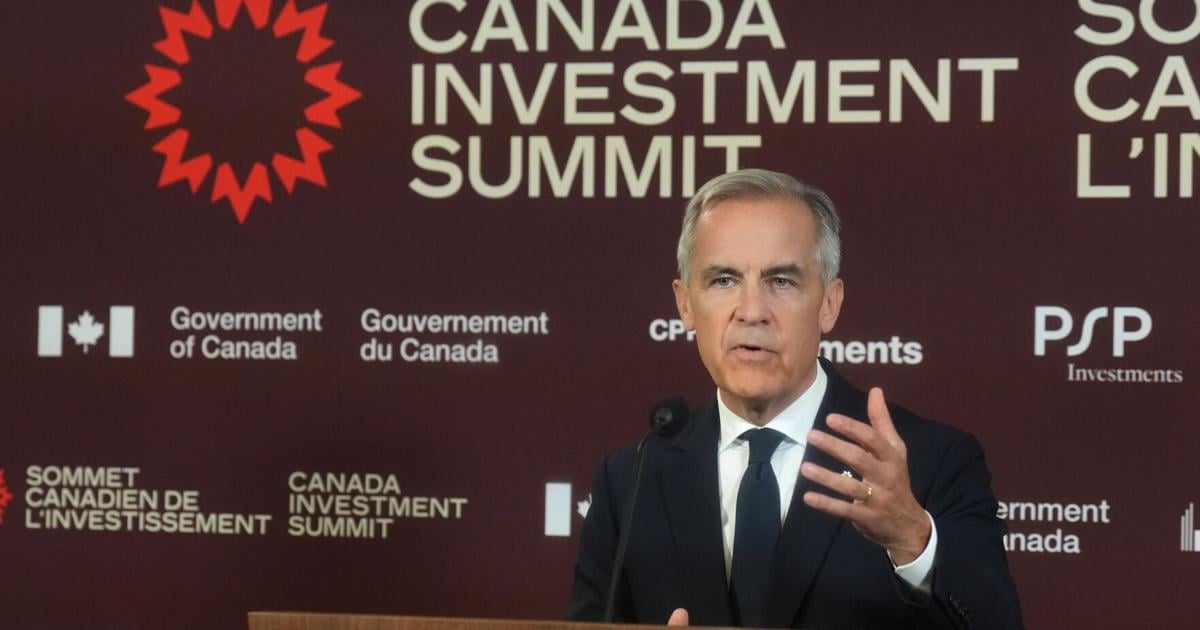
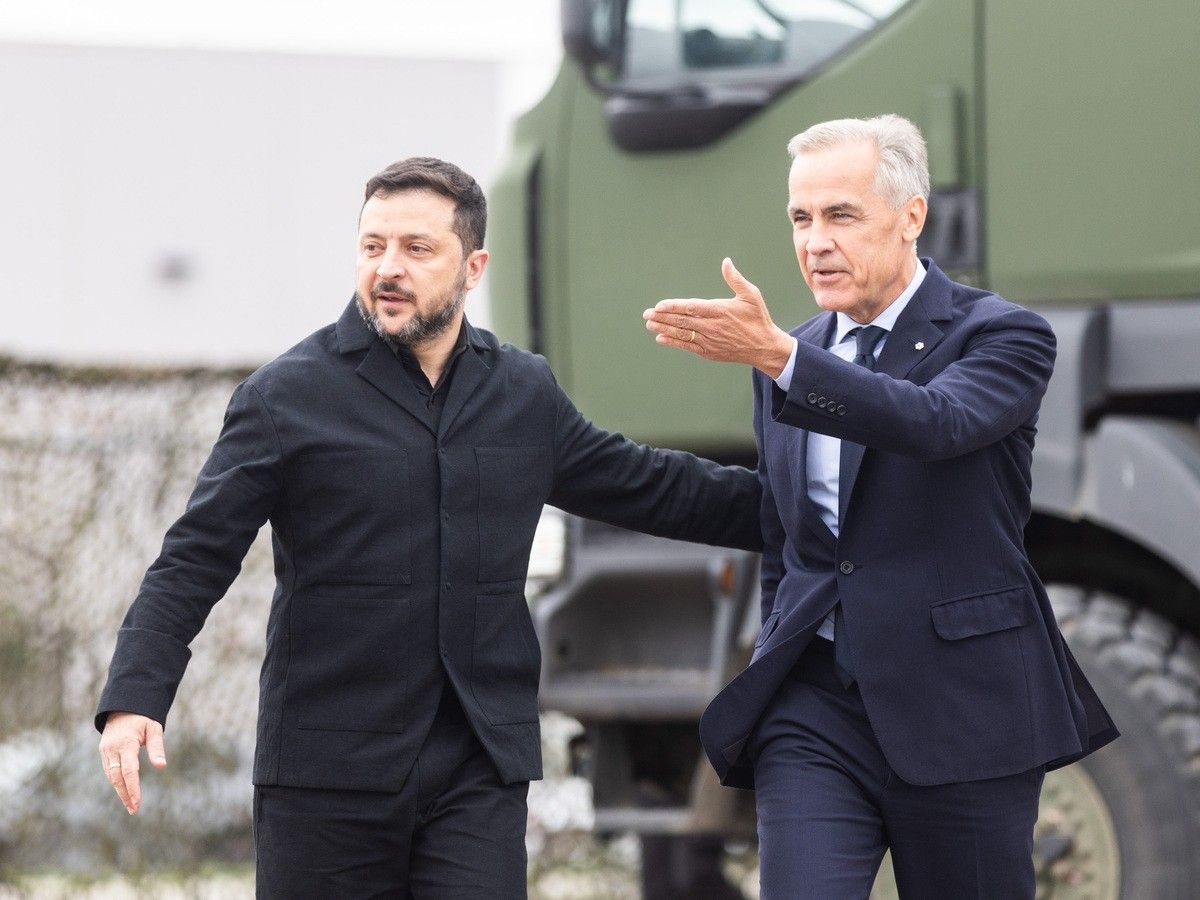
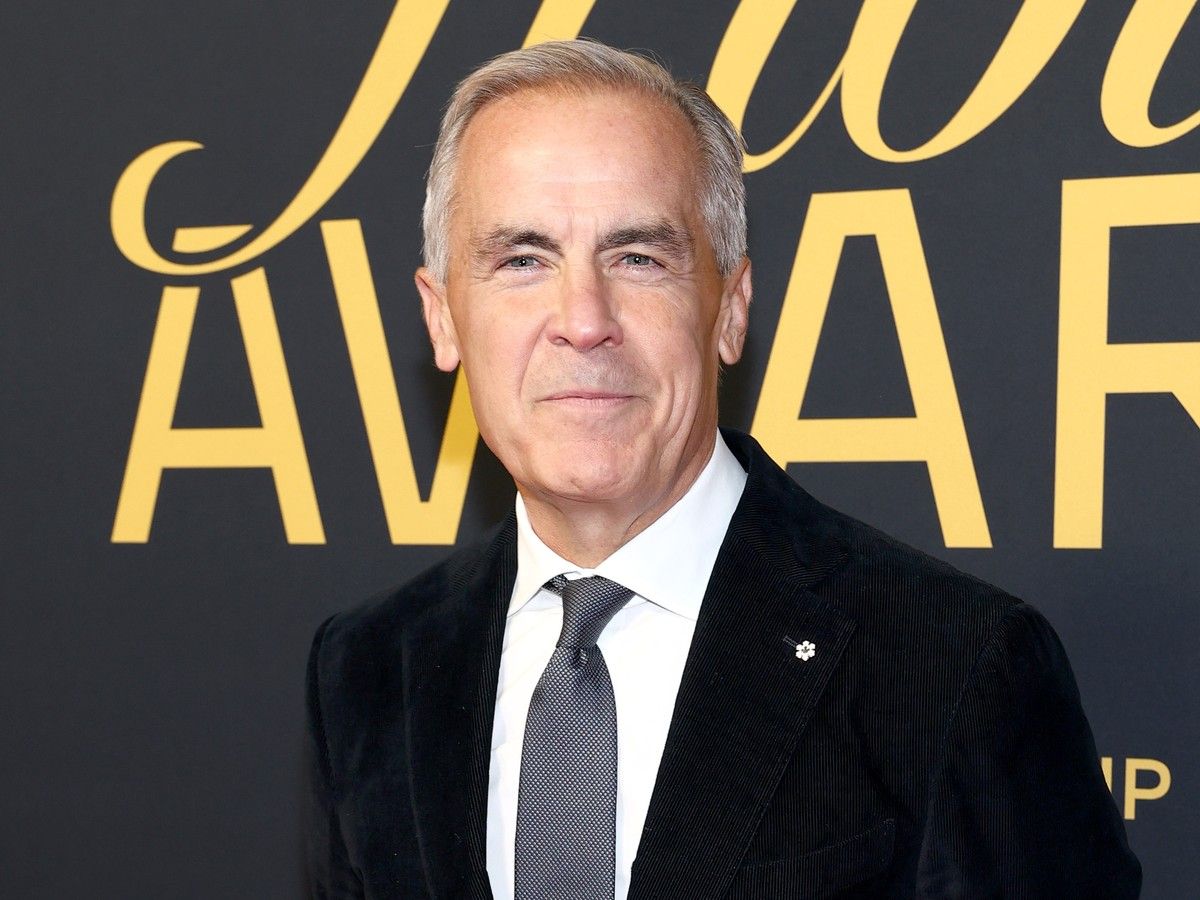
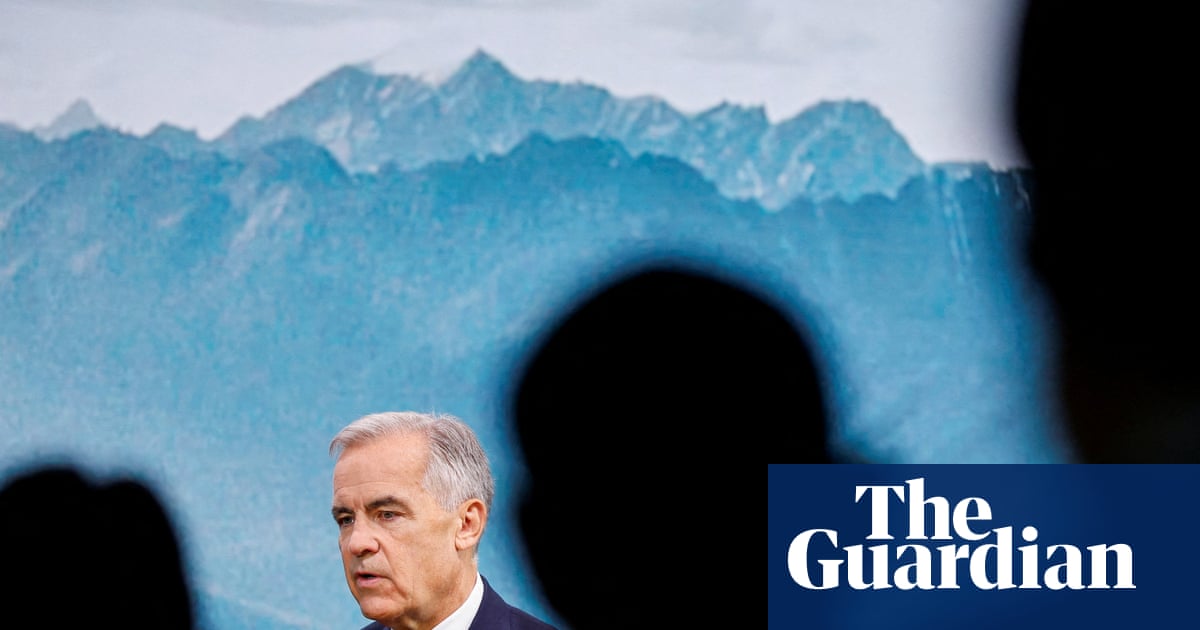
As he sets off to Europe on a mission to deepen trade and security ties abroad, Prime Minister Mark Carney made yet another overture to Washington.
asserted
Carney → set → Washington
Leaving aside his high-profile wooing of global investors that he said reaped $500 billion in new investment pledges at a glitzy two-day summit in Toronto, his newly announced business tax deductions to make Canada more attractive and competitive than the U.S., and his clear determination to court a stronger alliance with Europe, Carney made clear he’s ready anytime to return to the Canada-U.S. trade bargaining table.
asserted
’s → leave → table
“There is a mutually beneficial arrangement that can be had, and when it’s the right time to strike that deal, we’ll be ready to do that,” he said.
asserted
he → be → that
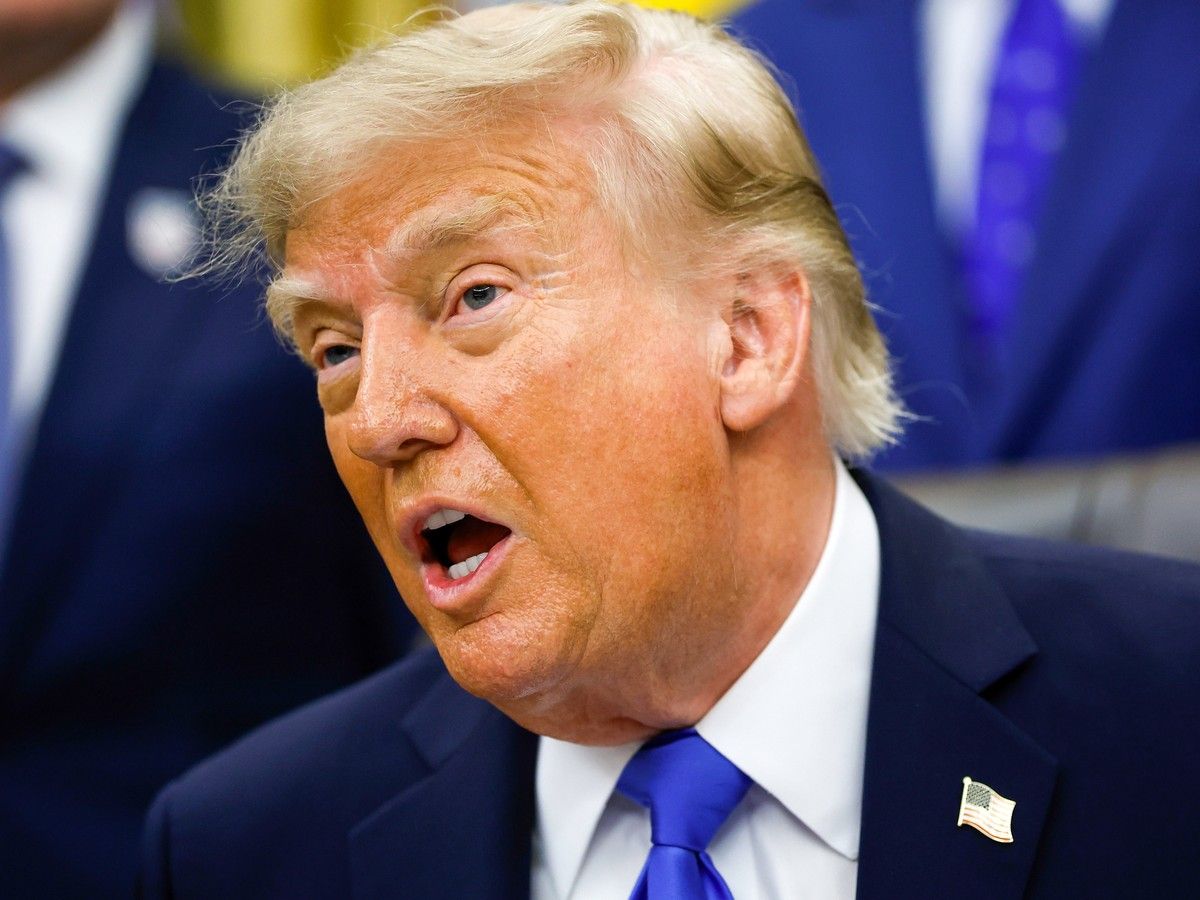
The prime minister made light of the bilateral tensions, joking to the international guests — as he has publicly before — about how the American president offered him a gift on his first trip to Washington last year of “a key to the White House.”
asserted
president → make → House
“’You just bring it, they’ll let you in,’” Carney imitated Trump telling him.
asserted
Trump → bring → him
“And then he says, ‘Maybe they’ll shoot you.’
asserted
they → say → you
“And that sort of sums up the relationship that we have,” Carney said as he grinned in front of the high-powered gathering.
asserted
he → sum → gathering
Noting he’d been given the key to his hometown of Fort Smith, NWT, where nobody locks the doors, Carney wryly drew the distinction, in case it had escaped anyone’s notice.
asserted
it → note → notice
In Canada, he said, if you get a key “you’re in.”
asserted
you → say → key
In the U.S., “they shoot you.”
asserted
they → shoot → you
It sums up Carney’s pitch Tuesday to the world’s wealthiest investors: Canada has many commodities and capabilities “but we have earned our most valuable asset, which is trust.”
asserted
which → sum → asset
In reality, shortly after taking office in 2025, well before his Davos speech which urged “like-minded” middle countries to band together to survive a rupture in the international rules-based order, Carney and his senior staffers began to scope out how to prioritize what needed to be done, and with whom, in the face of challenges posed by the Trump administration, China and the “hegemons and hyperscalers” of the world.
asserted
what → take → world
A year and a half later, that effort has delineated priorities based on an analysis of Canada’s critical capabilities and vulnerabilities.
asserted
effort → delineate → capabilities
It’s since become the blueprint for how the Carney government approaches domestic and foreign policy, providing marching orders for cabinet ministers and deputy ministers and a road map for how Carney approaches every meeting with foreign governments and leaders — including those this week in Europe and Britain, where Carney will address the European Parliament, meet with European Union president Ursula von der Leyen, and later in Liverpool, where he will sit down with UK Prime Minister Andy Burnham — a meeting still on the agenda despite Monday’s death of Burnham’s father.
asserted
he → become → father
Execution of the Carney plan is a work in progress, and some government officials privately describe a high degree of “chaos” attached to its implementation, with “thinkers” coming up with the guiding principles, but “doers” stuck with the scramble to get it done under a tough taskmaster of a prime minister.
asserted
it → describe → minister
A senior government official, granted anonymity to discuss the approach, said Carney’s team undertook an analysis of Canada’s “stacks” of strategic capabilities and vulnerabilities.
asserted
team → grant → capabilities
Now, the official said, it is a model being adopted by middle powers around the world, with other countries’ cabinets requesting briefings by Carney’s team.
asserted
cabinets → say → team
The official refused to identify which ones but said they are in Asia, the Gulf region and Europe, and hastened to add it is a natural consequence of the world realizing that critical vulnerabilities resulted from a global trading system that was overly reliant on integration and prioritized “efficiency” but not national resilience.
asserted
that → refuse → efficiency
“This isn’t an anti-Trump strategy,” said the official.
asserted
official → say → ?
“This is how you grapple with modernity in the 21st century.”
asserted
you → grapple → century
In an interconnected world where “a virus in China can shut down Canada” or closures in the Suez Canal can have “massive economic impacts,” the official said this is how countries can make themselves more resilient — by harnessing their own capabilities, and finding “options” where they cannot.
asserted
they → shut → options
Carney and his team first identified 10 areas as strategic capabilities where vulnerabilities or gaps should be addressed in Canada, among them: energy, cloud and AI compute capacity, critical minerals processing, defence production, intelligence collection, financial payments and settlement, satellite communications, pharmaceuticals, semiconductors, and quantum computing.
asserted
vulnerabilities → identify → them
The prime minister added an 11th: food security.
asserted
minister → add → 11th
“The idea here is that we don’t create a new dependency.
asserted
we → create → dependency
We don’t switch from an American satellite provider to a Chinese one, or an American payment system provider to a China one.
asserted
We → switch → one
The idea is that (with) redundancy, we create options,” said the official.
asserted
official → create → options
Carney himself publicly outlined on Tuesday that the objective of his trip to Europe is part of that plan, telling investors in an onstage conversation at the investment summit that Canada is “not in a remorseless process of integration.”
“We’re actually in a time when integration and sovereignty are in friction,” he said.
asserted
he → outline → friction
“And for countries that want to retain sovereignty, and Canada wants to retain sovereignty for all the right reasons, including our unique culture, we need to use our assets to an advantage and pair with those that complement them.”
asserted
that → want → them
Carney said he is finding “many opportunities and many like-minded partners,” including in Europe.
asserted
he → say → Europe
“The core of this, yes, there’s an economic component, but it is about greater sovereignty, having partnerships.”
asserted
it → ’ → partnerships
Europe needs Canada’s energy and critical minerals, and Canada can benefit from its clean energy investors and technology.
asserted
Canada → need → investors
The two have “complementarities” in space, data and AI, and could better align on “people to people ties,” he said, so “there’s areas where we come together and fit together.”
uncertain
we → have → ties
Carney also acknowledged the Europe trip is just a step on the way, with more details to come when the Canada-EU summit takes place at the end of October.
asserted
summit → acknowledge → October
The two men have a long history, but until this week, that relationship was not something that
Already, however, critics are raising questions about just how far Carney will go, with Conservative Leader Pierre Poilievre voicing impatience and concern over a loss of sovereignty as the prime minister chases new alliances.
asserted
minister → have → alliances
Conservatives support free trade with Europe and launched talks that led to today’s deal with the EU under Stephen Harper, Poilievre said.
asserted
Poilievre → support → Harper
“We support defence co-operation with Europe.
asserted
We → support → Europe
That’s called NATO,” he said.
asserted
he → call → ?
“But we will never surrender our independence and sovereignty over our laws, our tax money, and our immigration policies,” Poilievre emphasized, as he blasted Carney for failing to have an economic plan or delivered concrete “results” to aid struggling Canadians, despite more than a year of talks with the U.S. or Carney’s pursuit of other trade deals.
asserted
he → surrender → deals
 The Aporia