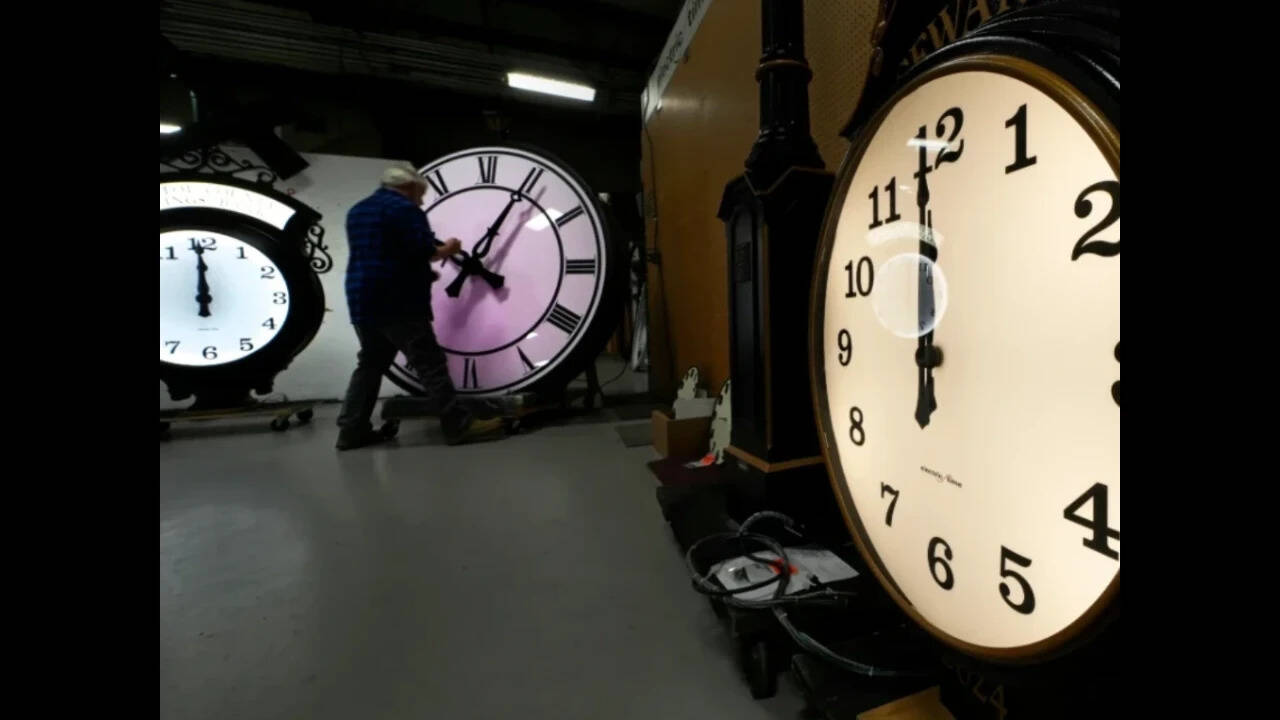
Millions of Americans will gain an extra hour of sleep this weekend as Daylight Saving Time comes to an end for 2026.
asserted
Time → gain → 2026
Clocks across most of the United States will move back by one hour overnight, marking the return to standard time.
asserted
Clocks → move → time
The annual change will take place on Sunday, November 1, at 2 am local time, when clocks will roll back to 1 am.
asserted
clocks → take → am
The change means Americans will get an additional hour in their day, with sunrise and sunset occurring earlier according to the clock.
uncertain
sunrise → mean → clock
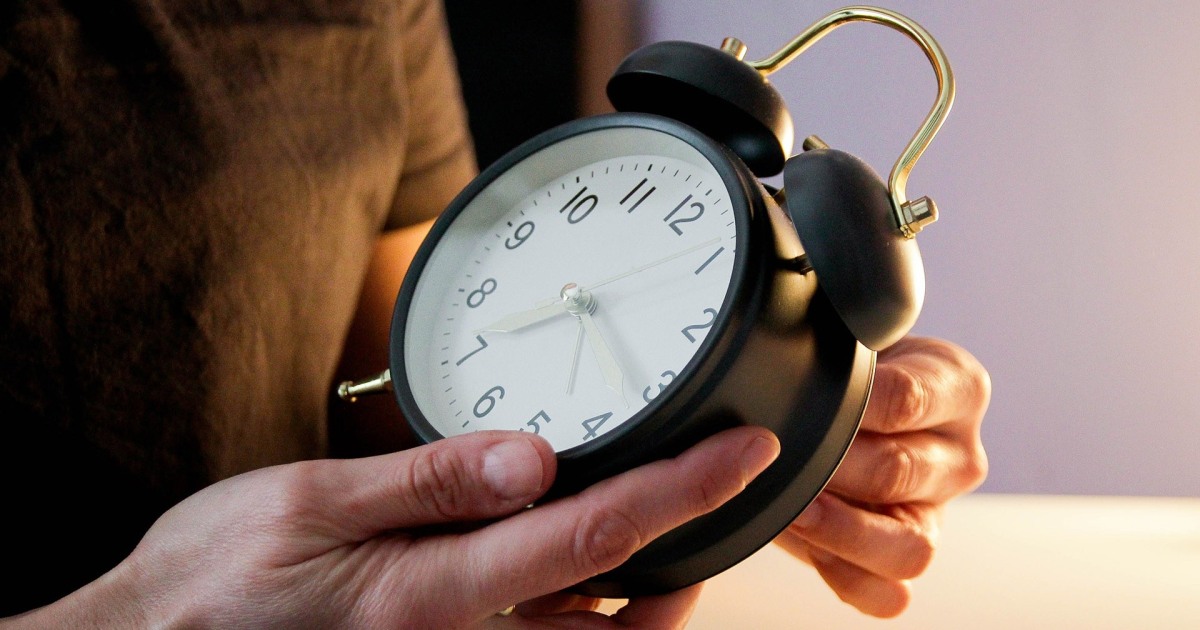
While smartphones, computers and other internet-connected devices generally adjust automatically, people using traditional clocks and watches will need to change them manually.
asserted
people → connect → them
The transition will also affect the time difference between the US and other countries, including India, as American cities move back one hour.
asserted
cities → affect → India
New York will move from 9 hours 30 minutes behind India to 10 hours 30 minutes behind India.
asserted
York → move → India
When does Daylight Saving Time end in 2026?
asserted
Time → end → 2026
Daylight Saving Time officially ends at 2 am on Sunday, November 1, 2026, across most of the US.
asserted
Time → end → US
Under the current federal schedule, clocks are moved back one hour at 2 am local time, meaning the time becomes 1 am again.
asserted
time → move → am
The hour between 1 am and 2 am will therefore occur twice.
asserted
hour → occur → am
People who want to adjust their clocks manually can do so before going to bed on Saturday night.
asserted
who → want → night
Most smartphones, computers and other digital devices connected to automatic time settings will make the adjustment without requiring any action from users.
asserted
smartphones → connect → users
The US follows the practice of moving clocks forward in March and backward in November.
asserted
US → follow → November
The system is commonly remembered through the phrase "spring forward, fall back".
asserted
system → remember → phrase
Which states do not observe Daylight Saving Time?
asserted
states → observe → Time
Although most of the country follows Daylight Saving Time, there are exceptions.
asserted
most → follow → Time
Hawaii and most of Arizona do not observe the seasonal clock change and remain on standard time throughout the year.
asserted
Hawaii → observe → year
However, the Navajo Nation, which extends into parts of Arizona, observes Daylight Saving Time.
asserted
which → extend → Time
Several US territories also do not follow the practice.
asserted
territories → follow → practice
These include American Samoa, Guam, the Northern Mariana Islands, Puerto Rico and the US Virgin Islands.
asserted
These → include → Samoa
For residents in areas that observe DST, the November 1 change means clocks will move back one hour.
asserted
clocks → observe → DST
Those living in locations that do not observe it will continue following their existing time.
asserted
that → live → time
When does Daylight Saving Time start again in 2027?
Daylight Saving Time will return on Sunday, March 14, 2027, in areas that observe the seasonal clock change.
asserted
that → start → change
The transition will happen at 2 am local time, when clocks will jump forward to 3 am.
asserted
clocks → happen → am
Unlike the November adjustment, Americans will lose an hour of sleep during the spring transition.
asserted
Americans → lose → transition
The change will bring longer daylight hours in the evening, with sunsets occurring an hour later according to the clock.
uncertain
sunsets → bring → clock
The US follows a federal schedule under which Daylight Saving Time begins on the second Sunday of March and ends on the first Sunday of November.
asserted
Time → follow → November
The current dates were established through the Energy Policy Act of 2005 and came into effect in 2007.
asserted
dates → establish → 2007
Why does the US change its clocks twice a year?
asserted
US → change → clocks
Daylight Saving Time is a practice of moving clocks forward by one hour during part of the year to extend daylight into the evening.
asserted
Time → move → evening
The idea is to make better use of daylight during the warmer months, when the sun rises earlier.
asserted
sun → make → months
By moving clocks forward in spring, people get more daylight after typical working hours, although mornings become darker.
asserted
mornings → move → hours
When clocks move back in November, daylight shifts back towards the morning hours.
asserted
daylight → move → hours
This means people generally experience earlier sunrises and sunsets according to the clock.
uncertain
people → mean → clock
The US first introduced Daylight Saving Time nationally in 1918 during World War I, partly as an effort to conserve fuel.
asserted
US → introduce → fuel
The practice was later repealed and reintroduced, with Congress eventually establishing uniform rules through the Uniform Time Act of 1966.
asserted
Congress → repeal → 1966
The current schedule was expanded in 2007, extending the period of Daylight Saving Time by several weeks.
Will the US stop changing clocks permanently?
asserted
US → expand → clocks
The twice-yearly clock change has remained a subject of political debate in the US, with supporters arguing that permanent Daylight Saving Time would eliminate disruptions caused by changing clocks.
asserted
Time → remain → clocks
President Donald Trump has supported making Daylight Saving Time permanent.
asserted
Time → support → ?
…and 8 more, not listed.
 The Aporia