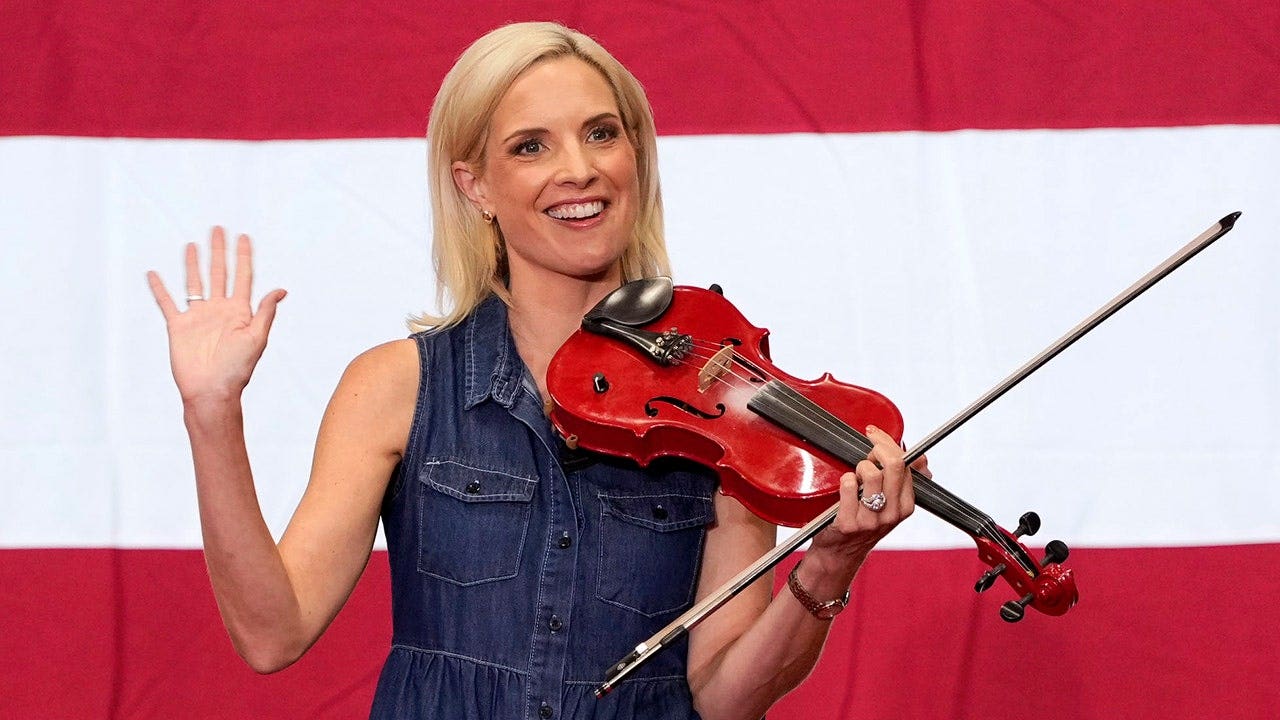
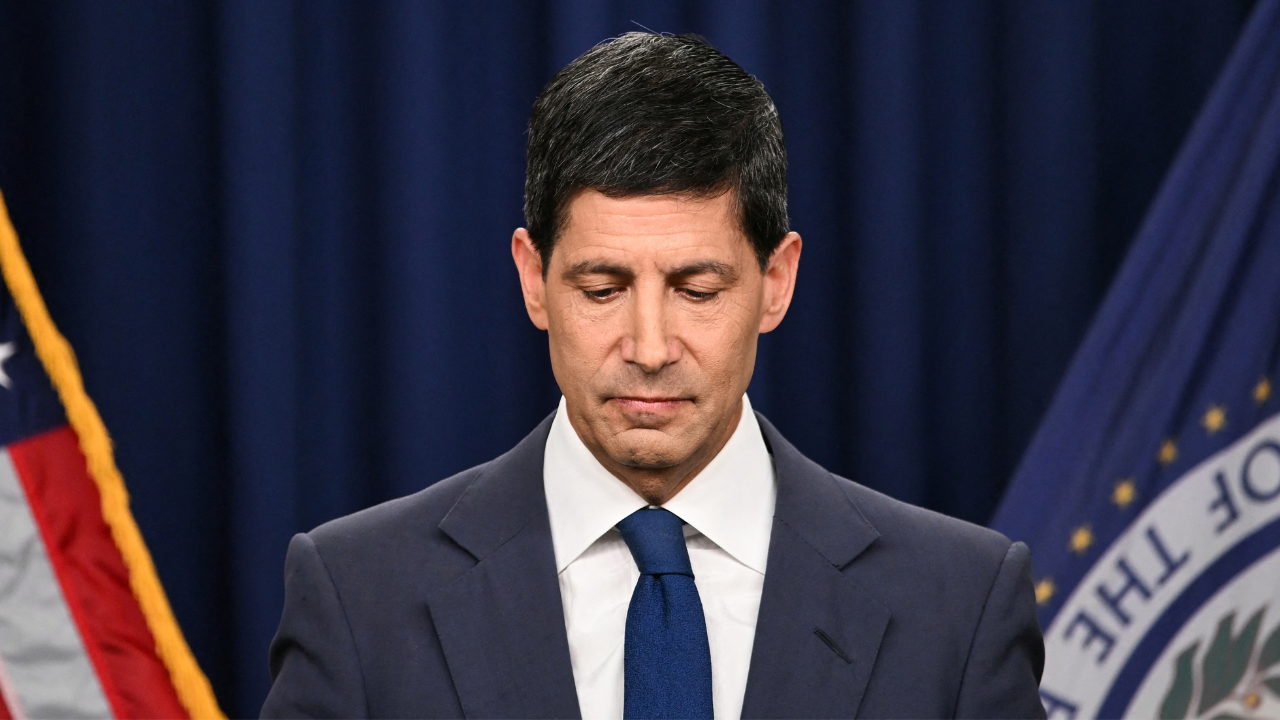
Photo via Fox News

LEE CARTER: America is angry at everyone — but who will actually vote?

Read the original at Fox News ↗
Cite

Carter, L. (2026, October 28). LEE CARTER: America is angry at everyone — but who will actually vote? Fox News. https://www.foxnews.com/opinion/lee-carter-america-angry-everyone-who-will-actually-vote

Dated from the outlet's own feed. Check the original for its byline.

Fox News · collected 2026-10-28 · by Lee Carter analysis

Quick Summary

Lee Carter discusses voter sentiment ahead of the midterms, noting widespread anger across political lines but questioning whether this translates to high turnout. According to AP-NORC polling, only about two in ten voters believe either party is strongly focused on helping them or capable of solving important problems. Carter highlights that while Democrats and Republicans have different concerns—Democrats worry about Trump exceeding his constitutional authority, and Republicans fear socialist policies—the intensity of these worries may influence voter turnout more than enthusiasm does. He points out a significant difference between those who say they are extremely motivated to vote and those with a history of voting in previous elections, suggesting that the actual outcome could be less decisive than current polls indicate.
Written by AI on 2026-10-31, from this article's own text only (the story summary below draws on all the coverage).

Story

📰 LEE Carter Column On Voter Anger
Politics · 1 article(s) covering the same event.

Compared with similar articles

This article reads unscored and hedges 14% of its claims. Each row says how that neighbour differs.
The Guardian
Hedges 5 of 23 claims Outlet record 66/100
“The articles discuss different aspects of the midterms - one about voter sentiment and anger, the other about early voting turnout.”
Euronews
⚖️ Leans strongly left Hedges 15 of 86 claims Outlet record 60/100
“Both articles discuss the upcoming midterm elections but describe different aspects and contexts of voter sentiment.”
How this article was measured signals, leaning charts, publisher record, byline, topics and claims

Signals How these are calculated →

Claims extracted
121
sentences that state something as happening or true
Uncertain
14%
17 of 121 hedged ("reportedly", "may", "according to")
Leaning
not political
takes no side on a contested political question
Publisher signals
69/100
Fox News's corrections and hedging, across everything collected from it. Not a measure of accuracy.
Outlets on this story
1
Politics
Same framing elsewhere
1
articles that frame the event the way this one does
Analyzed 2026-10-31 · how these are computed

How this is being covered How these are calculated →

Article leaning vs. publisher reliability
Source leaning vs. consistency

Publisher

Fox News · 6161 article(s) · 11 correction(s) detected
Running correction rate · 11 correction(s)

Who wrote this

Lee Carter
5 article(s) here · 1 carrying a prediction
🔮 But in a midterm election, the more important question may be whether they care enough to show up.
🔮 And that may make it a much better test of the country.
🔮 At this rate, Democrats may want to stop ordering yard signs and start ordering life jackets. And look, I get it.
🔮 For more than a decade, Trump has demonstrated an almost supernatural ability to decide what America will talk about.
🔮 There will be much discussion about what this means for the economy.
Also by Lee Carter
Nothing else under this byline is closely related to this article, so these are simply their most recent.

Topics

America Americans Democrats Independents Republicans

Subjects

Democrats NORP · 12× Republicans NORP · 8× Americans NORP · 5× Congress ORG · 2× House ORG · 2× Trump PERSON · 2× AP-NORC ORG · 1× America GPE · 1× CNBC ORG · 1× Independents NORP · 1×

Narrative

What changed was who showed up. Seventy-one percent of Trump's 2020 voters participated in the 2022 midterms, compared with 67% of Biden's 2020 voters. Four points. Not exactly the stuff of dramatic campaign commercials. But across millions of voters, a few points can change the outcome of an election.
framing: assertive · carried by 1 article(s) · first seen 2026-10-31
🔮 But in a midterm election, the more important question may be whether they care enough to show up.

Claims (121 extracted, 17 hedged)

At last, something we can agree on. asserted
we → agree → ?
With just under a week until the midterms, Americans are being told that everything is at stake. asserted
everything → tell → stake
And yet, according to AP-NORC polling, only about two in ten voters believe either political party is strongly focused on helping people like them or capable of solving important problems. uncertain
party → accord → problems
We've never been told an election matters more. asserted
election → tell → ?
We've rarely expected less from the people we're electing. asserted
we → expect → people
So here's the question I've been thinking about as a pollster. asserted
I → think → pollster
What happens when everyone is angry, but not everyone is angry enough to vote? asserted
everyone → happen → ?
Because that's what makes this election so difficult to predict. asserted
election → make → ?
We spend an enormous amount of time asking Americans whom they support. asserted
they → spend → whom
But in a midterm election, the more important question may be whether they care enough to show up. uncertain
they → care → election
And the latest polling suggests those are two very different things. uncertain
those → suggest → ?
A CNBC survey found that 74% of Democrats worry President Trump will exceed his constitutional authority if Republicans retain control of Congress. asserted
Republicans → find → Congress
Meanwhile, 54% of Republicans fear Democrats will enact democratic socialist policies. asserted
Democrats → fear → policies
But they tell us something important about the electorate. asserted
they → tell → electorate
Democrats fear a president with too much power. asserted
Democrats → fear → power
Republicans fear a government with too much reach. asserted
Republicans → fear → reach
Both sides have plenty to be angry about. asserted
sides → have → plenty
But anger doesn't vote. asserted
anger → vote → ?
People do. asserted
People → do → ?
And here's where things get interesting. asserted
things → get → ?
Research examining the 2018 midterms found that worry helped predict who actually voted. asserted
who → examine → midterms
Enthusiasm did not show the same relationship. asserted
Enthusiasm → show → relationship
Nearly half of eligible Americans voted, the highest midterm turnout in more than a century. asserted
half → vote → century
Apparently, Americans don't necessarily need to love their candidates to get themselves to the polls. asserted
Americans → need → polls
Sometimes worrying about the alternative is motivation enough. asserted
worrying → worry → alternative
Which brings us to 2026. asserted
Which → bring → 2026
Pew Research finds Democrats have a substantial motivation advantage. asserted
Democrats → find → advantage
Among voters who say they're extremely motivated, Democrats lead Republicans by 24 points. asserted
Democrats → say → points
If those were the only people voting, Democrats could start planning a very enjoyable election night. uncertain
Democrats → vote → night
Among people who actually voted in both 2022 and 2024, the Democratic advantage is just six points. asserted
advantage → vote → 2022
The people who say they're most motivated to vote aren't necessarily the same people with the strongest history of showing up. asserted
they → say → history
And that's a distinction worth remembering before anyone starts declaring a landslide. asserted
anyone → start → landslide
The latest Fox News poll gives Democrats a 54% to 45% advantage on the generic congressional ballot. asserted
poll → give → ballot
But among voters certain to participate, that lead narrows to six points. asserted
lead → participate → points
CBS News projects Democrats will win 229 House seats, enough to reclaim the majority. asserted
Democrats → project → majority
But CBS has identified another complication. asserted
CBS → identify → complication
Democrats have more voters who say they're definitely voting or have already voted. asserted
they → have → voters
Republicans have more voters who say they might vote. uncertain
they → have → voters
In other words, Democrats have more of the voters who say they're coming. asserted
they → have → voters
Republicans have more of the voters who haven't decided whether to bother. asserted
who → have → voters
…and 81 more, not listed.

💬Give feedback
🕘History 🎫Support