The Guardian
· collected 2026-09-15 · by Haroon Siddique and Geneva Abdul
Legal experts, including 18 king’s counsel, have criticized the UK government for not sufficiently addressing Israeli settlements through sanctions. They argue that while Foreign Secretary Ed Miliband announced a ban on goods from illegal Israeli settlements, this does not align with the International Court of Justice’s directive to end Israel’s occupation promptly and comprehensively. The experts call for stricter measures such as an arms embargo and wider economic restrictions, citing the more expansive approach taken against Russia as a model.
Written by the local model on 2026-09-16,
using this article's own text rather than the other coverage of the
same event (that is the story summary below).
Story summary
More than 130 legal experts, including 18 king’s counsel (KCs), have criticized the UK government's recent sanctions on Israeli settlements as insufficient. The foreign secretary, Ed Miliband, announced an import ban on goods from illegal Israeli settlements in Palestine last week. However, these measures are deemed inadequate by the legal community because they do not align with a 2024 advisory opinion by the International Court of Justice (ICJ), which declared that Israel's occupation of Palestinian territories is unlawful and must be ended "as rapidly as possible." The letter asserts that the UK should adopt more robust coercive measures to end serious violations of international law, including practices sustaining the Israeli occupation. This comes amid escalating attacks by Israeli settlers against Palestinian villages in the West Bank and an announced tender for 1,200 homes in the E1 settlement east of Jerusalem, which could effectively divide the West Bank north from south, threatening the viability of a future Palestinian state. The experts argue that UK sanctions should be as comprehensive as those imposed on Russia, extending beyond economic activity within occupied territories to broader economic structures.
Written for “UK Israel Sanctions” on 2026-09-17,
grounded in this article and the 0 other(s) covering the same event.
More than 130 legal experts, including 18 king’s counsel (KCs), have written to Andy Burnham saying that sanctions on Israeli settlements “fall far short” of Britain’s obligations under the international court of justice’s (ICJ’s) finding that the occupation is unlawful.
asserted
occupation → include → finding
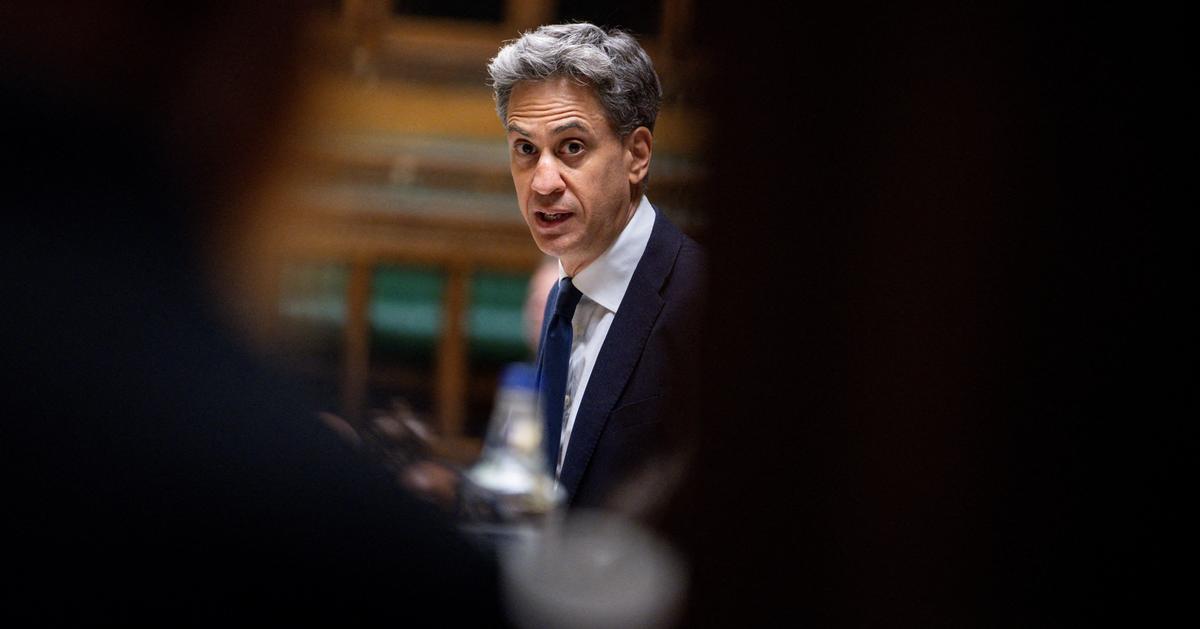
The foreign secretary, Ed Miliband, last week announced an import ban on goods from illegal Israeli settlements in Palestine and other measures.
asserted
secretary → announce → Palestine
Signatories to the letter to the prime minister, including the leading lawyers Michael Mansfield KC and Imran Khan KC, and the former lord justice of appeal Alan Moses, say it is not enough.
asserted
it → include → appeal
In a 2024 advisory opinion, the ICJ, which is the UN’s top court, ordered Israel to end the occupation “as rapidly as possible” and said other countries were under an obligation not to recognise the occupation as lawful nor aid or assist it.
asserted
countries → order → it
The letter, sent on Tuesday, says the ICJ’s findings have “not had an impact on Israel’s apartheid practice” and, while the UK sanctions are “a necessary corrective”, they are “improperly narrow” when compared with sanctions on Russia, which are not limited to economic activity in occupied Ukrainian territory but apply to wider economic structures supporting the unlawful conduct.
asserted
which → send → conduct
It says: “We ask it to commit to further and more rigorous measures to ensure that no part of the UK’s economic relationship with Israel continues to sustain the illegal occupation itself, and the settlements and other serious violations of fundamental rules of international law perpetrated through its conduct, and to build on this to adopt robust coercive measures to seek to bring all these serious violations of international law, and the practices they sustain, including, fundamentally, the occupation itself, to an end.
asserted
they → say → end
The letter, also signed by legal academics, calls for a range of additional measures including a full arms embargo on Israel.
asserted
letter → sign → Israel
When announcing the sanctions, Miliband accused Israel of ethnic cleansing in the West Bank, and the signatories say article 6(3) of the arms trade treaty prohibits transfers of arms where a state has knowledge of such a crime.
asserted
state → announce → crime
The sanctions were announced after escalating attacks by Israeli settlers against Palestinian villages in the West Bank and an Israeli tender was issued for 1,200 homes in the E1 settlement, east of Jerusalem, which could in effect cut off the north from the south of the West Bank, threatening the viability of any future Palestinian state.
uncertain
which → announce → state
The signatories want extension of the sanctions to cover insurance, accountancy services and digital infrastructure as well as public confirmation that no UK public body, pension scheme or sovereign fund holds settlement investments.
asserted
body → want → investments
One of the letter’s signatories and drafters, Ralph Wilde, a professor of international law at University College London, welcomed the UK’s recent recognition of Israel’s occupation of the West Bank as unlawful as an “important shift”, but said it fell short in its focus on the settlements and settlers.
“The elephant in the room is the illegality of the occupation itself,” said Wilde, who acted as senior counsel and legal adviser to the Arab League in the case before the ICJ.
asserted
who → welcome → ICJ
“It’s not just simply the settlements and the abuse of treatment and the genocide, which of course are also wrong, it’s Israel’s very presence.”
asserted
it → ’ → course
He added: “There’s a mismatch between saying Israel’s very presence there is illegal, but then only focusing on the question of the settlers and the settlements.
asserted
presence → add → settlers
If the problem is with the settlements themselves, then the problem is with the state that establishes them.”
asserted
that → establish → them
A government spokesperson said: “This is the biggest reset in the UK’s approach to protecting and securing the two-state solution in a generation.
asserted
This → say → generation
We have shown our commitment to international law and our refusal to be bystanders to further suffering.
asserted
We → show → suffering
“We have taken concrete action, supported accountability, pledged to galvanise the international community and acted with our partners across the globe.”
asserted
We → take → globe
In response to the sanctions, the Israeli foreign minister, Gideon Sa’ar, accused Miliband of “outrageous lies” and said the UK government was “systematically working against the state of Israel”.
asserted
government → accuse → Israel
 The Aporia