That is 0 articles you have read today.
The Aporia is free and carries no advertising, so readers are the only
thing paying for it. If you are getting this much out of it, a small
donation is what keeps it independent.
Daily limit reached
You have read 0 articles today.
That is more than the 15 a day The Aporia gives away,
and well past what it can carry on nothing. Your allowance resets at
midnight.
There is no advertising here and nothing about you is sold, so readers
are the only thing paying for it. If the site is worth this much of
your day, it is worth a few dollars.
Everything else stays open: the
maps, the
directory and
search do
not count against this, and neither does re-opening something you have
already read today.
Mr Justice Hilliard ruled that search warrants issued by Thames Valley police and the central criminal court against Andrew Mountbatten-Windsor were unlawful due to being obtained under the wrong statutory provision. The warrants led to his arrest on 19 February for suspicion of misconduct in public office, following allegations that he shared sensitive information with Jeffrey Epstein when acting as the UK’s trade envoy. Although the search warrants have been quashed, police plan to apply next year to retain seized property on the basis it would have been lawful under a different statutory provision. King Charles had previously stripped Mountbatten-Windsor of his royal titles and dukedom over his connection with Epstein.
Written locally by qwen2.5:14b on 2026-10-08,
using this article's own text rather than the other coverage of the
same event (that is the story summary below).
Story summary
Andrew Mountbatten-Windsor, formerly Prince Andrew, has launched a legal challenge against Thames Valley Police (TVP) over search warrants issued for raids of his homes in Sandringham Estate and Royal Lodge in Windsor. The former Duke was arrested on suspicion of misconduct in public office at Marsh Farm in Norfolk on February 17, his 66th birthday, following the publication of documents suggesting he shared sensitive information with convicted sex offender Jeffrey Epstein during his tenure as UK’s trade envoy from 2001 to 2011. Andrew spent over 11 hours in police custody before being released under investigation. He now seeks a judge's assessment on whether TVP acted lawfully in obtaining the search warrants, marking the first time a royal has challenged criminal proceedings since the trial of Charles I in 1649.
Written for “Andrew Sues Police Over Epstein Files…” on 2026-10-08,
grounded in this article and the 32 other(s) covering the same event.
Why this leaning score
This article does not take a side on a contested political
question, so it has no leaning score. That is an
answer rather than a gap: a match report or a rescue can be warmly
or critically written without being left or right, and scoring it
anyway is how approval of a subject gets recorded as a political
position.
No political leaning scored for article 65806 · logged 2026-10-08
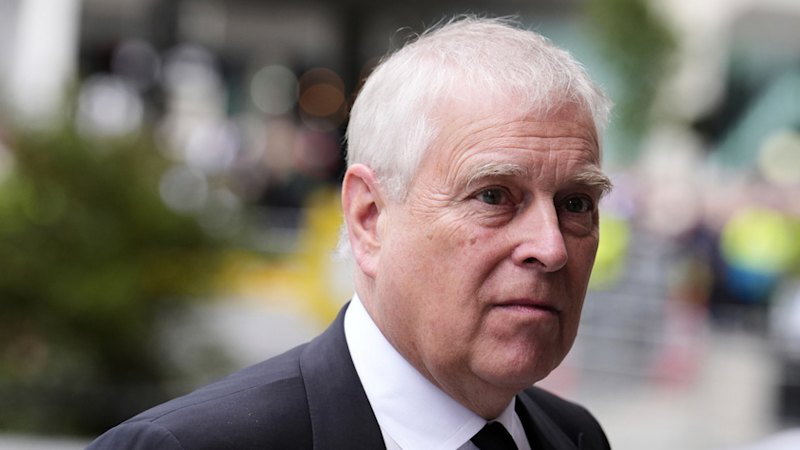
Andrew Mountbatten-Windsor has won his legal challenge against Thames Valley police over search warrants that led to his arrest.
asserted
that → win → arrest
The former prince brought a judicial review of the legality of the force’s actions and those of the central criminal court, which granted the warrants.
asserted
which → bring → warrants
On Thursday, Mr Justice Hilliard, sitting at the high court in central London, said Thames Valley police had conceded that it obtained the search powers under the wrong statutory provision and ruled that the warrants were unlawful.
asserted
warrants → sit → provision
The warrants were issued by the recorder of London, Mark Lucraft KC, at the Old Bailey and Mountbatten-Windsor was subsequently arrested on 19 February, his 66th birthday, on suspicion of misconduct in public office.
asserted
Windsor → issue → office
The arrest followed information that emerged from the Jeffrey Epstein files.
asserted
that → follow → files
It was alleged that when Mountbatten-Windsor was the UK’s trade envoy he shared sensitive information with Epstein, a convicted child sex offender.
asserted
he → allege → Epstein
Police began searching the former Duke of York’s residence on the Sandringham estate, and his former Windsor home, Royal Lodge, on the same day as his arrest.
asserted
Police → begin → arrest
Hilliard said the search warrants were quashed but police had made an application, which would be heard next year, to retain the property seized, on the basis that it would have been lawful to seize it under a different statutory provision.
asserted
it → say → provision
The judge said: “The fact that the search warrants were quashed does not bring the investigation to an end or mean that the whole of the investigation is unlawful.”
asserted
whole → say → investigation
Late last year, King Charles stripped his brother of his right to be a prince and of his dukedom over his association with Epstein.
asserted
Charles → strip → Epstein
He receives an annual stipend, the amount of which has not been disclosed, from King Charles’s private funds, but a palace source told reporters it had been made clear this should not be used to fund the judicial review.
asserted
this → receive → review
 The Aporia