The Aporia
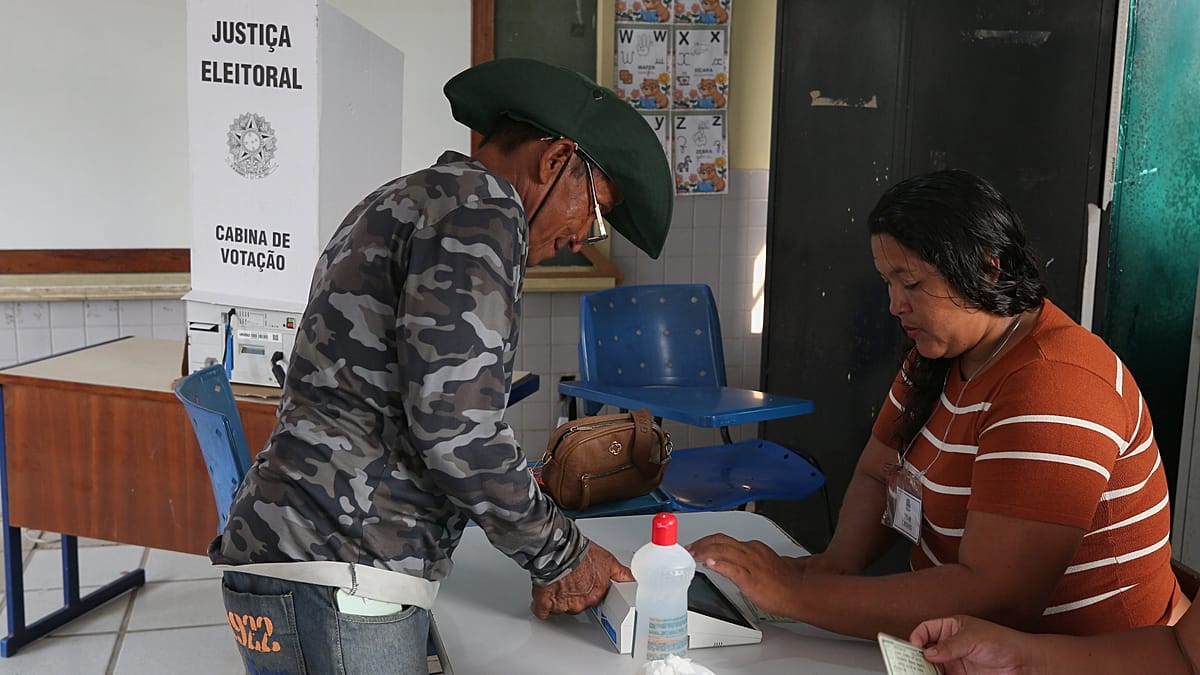
Caraco, A. (2026, October 25). Brazil: long queues and river journeys mark decisive presidential vote. Euronews. https://www.euronews.com/video/2026/10/25/brazil-long-queues-and-river-journeys-mark-decisive-presidential-vote
Caraco, Alexis. “Brazil: long queues and river journeys mark decisive presidential vote.” Euronews, 25 Oct. 2026, https://www.euronews.com/video/2026/10/25/brazil-long-queues-and-river-journeys-mark-decisive-presidential-vote.
Caraco, Alexis. “Brazil: long queues and river journeys mark decisive presidential vote.” Euronews, October 25, 2026. https://www.euronews.com/video/2026/10/25/brazil-long-queues-and-river-journeys-mark-decisive-presidential-vote.
Dated from the outlet's own feed. Check the original for its byline.
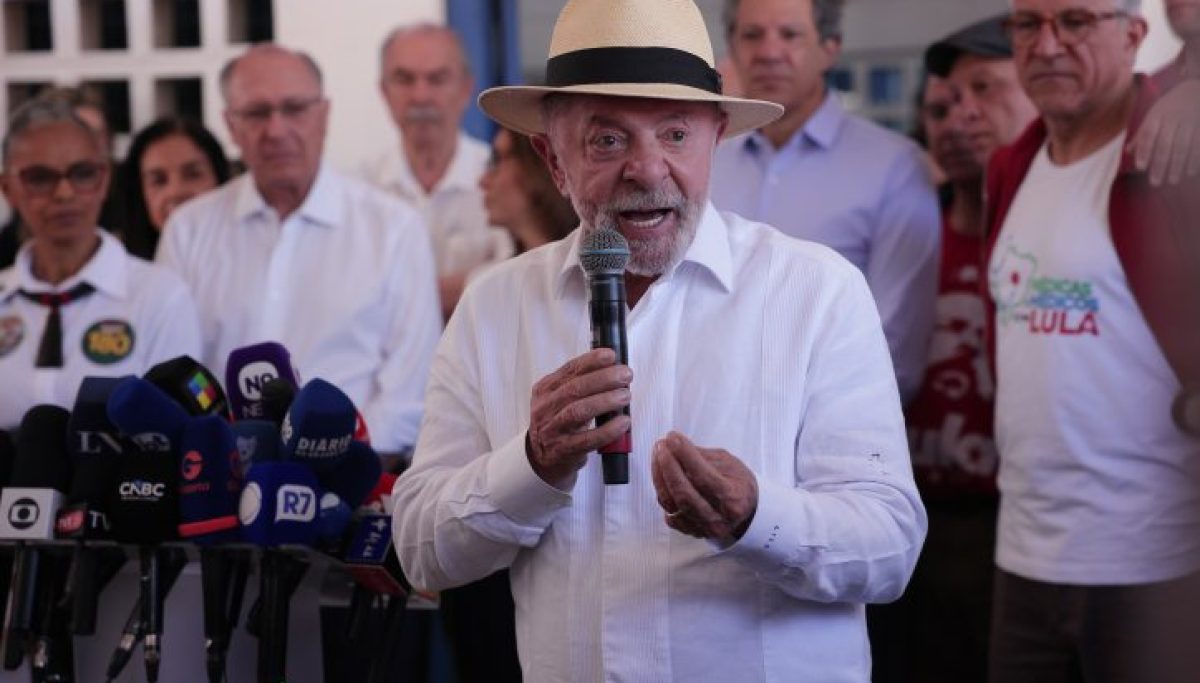
On October 25, 2026, Brazilians voted in a polarizing presidential runoff between incumbent left-wing President Luiz Inácio Lula da Silva and right-wing challenger Flávio Bolsonaro. The first round of voting on October 4 saw Bolsonaro leading by a narrow margin, with neither candidate securing more than 50% of the votes needed to win outright. With over 160 million eligible voters, more than 33 million did not cast their ballots in the runoff election.
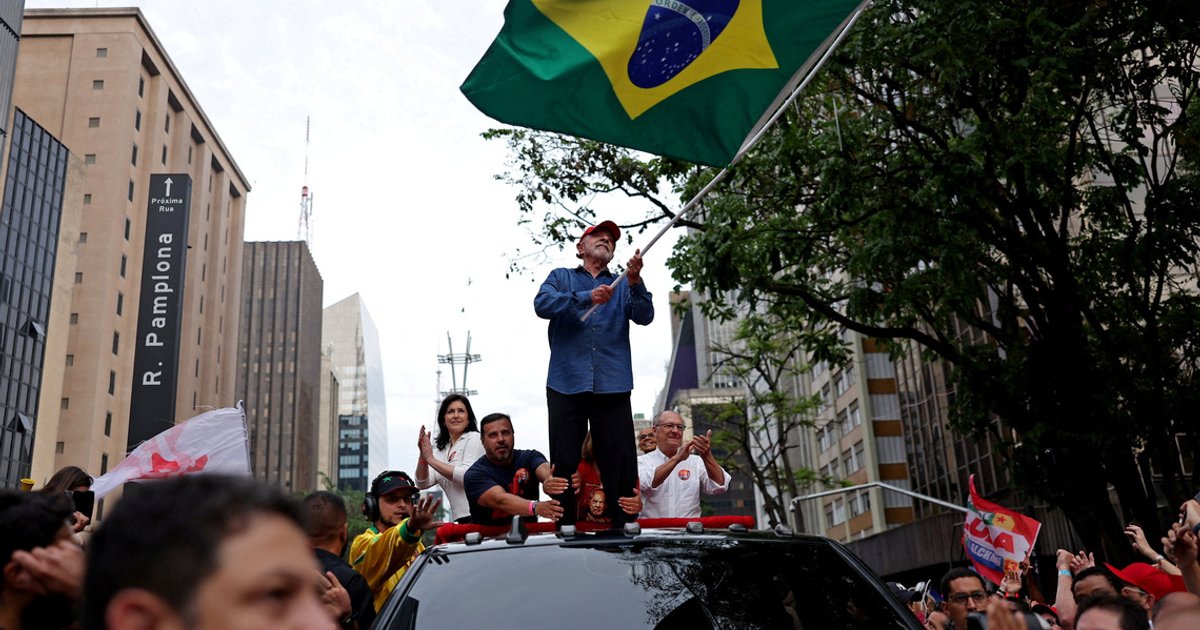
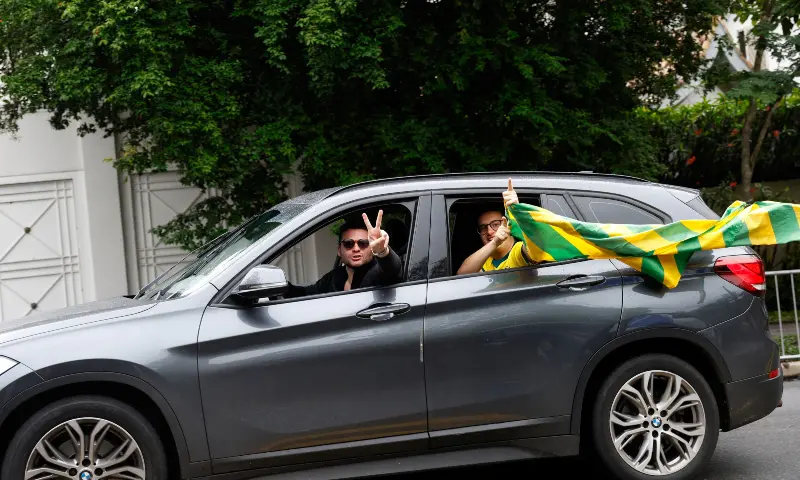
Final polls showed Lula and Bolsonaro neck-and-neck heading into voting day. In Rio de Janeiro's Rocinha favela, long queues formed as residents waited to vote, reflecting deep political divisions. Meanwhile, in Brasília, supporters of both candidates demonstrated passionate backing for their preferred candidate, highlighting the stark ideological choices facing voters.
The runoff election results were expected that evening between 20:30–21:00 Brasília time (23:30–00:00 CET). The outcome would determine whether Brazil remains one of Latin America's few leftist nations or pivots to the right, potentially expanding U.S. influence in the region given Bolsonaro’s alignment with President Donald Trump. Lula sought a fourth non-consecutive term and promised expanded social protections, while Bolsonaro vowed to crack down on crime and reduce government spending.
In Rio de Janeiro's Rocinha favela, long queues formed as residents waited to vote, reflecting the deep divisions surrounding the election.