The first time she voted in a Brazilian presidential election, in 2014, Larissa Campelo voted for centre-right Senator Aecio Neves.
asserted
Campelo → vote → Neves
Four years later, in the next presidential race, she supported a centre-left candidate, former Sao Paulo Mayor Fernando Haddad.
asserted
she → support → candidate
But ahead of what is expected to be one of Brazil’s tightest presidential run-offs ever, the 30-year-old mother of one has decided she has had enough with politics.
asserted
she → expect → politics
She is abstaining from the vote on Sunday, just as she did during the first round of the election on October 4.
asserted
she → abstain → October
But Campelo is part of a historically large chunk of the electorate sitting out this year's presidential race.
asserted
Campelo → sit → race
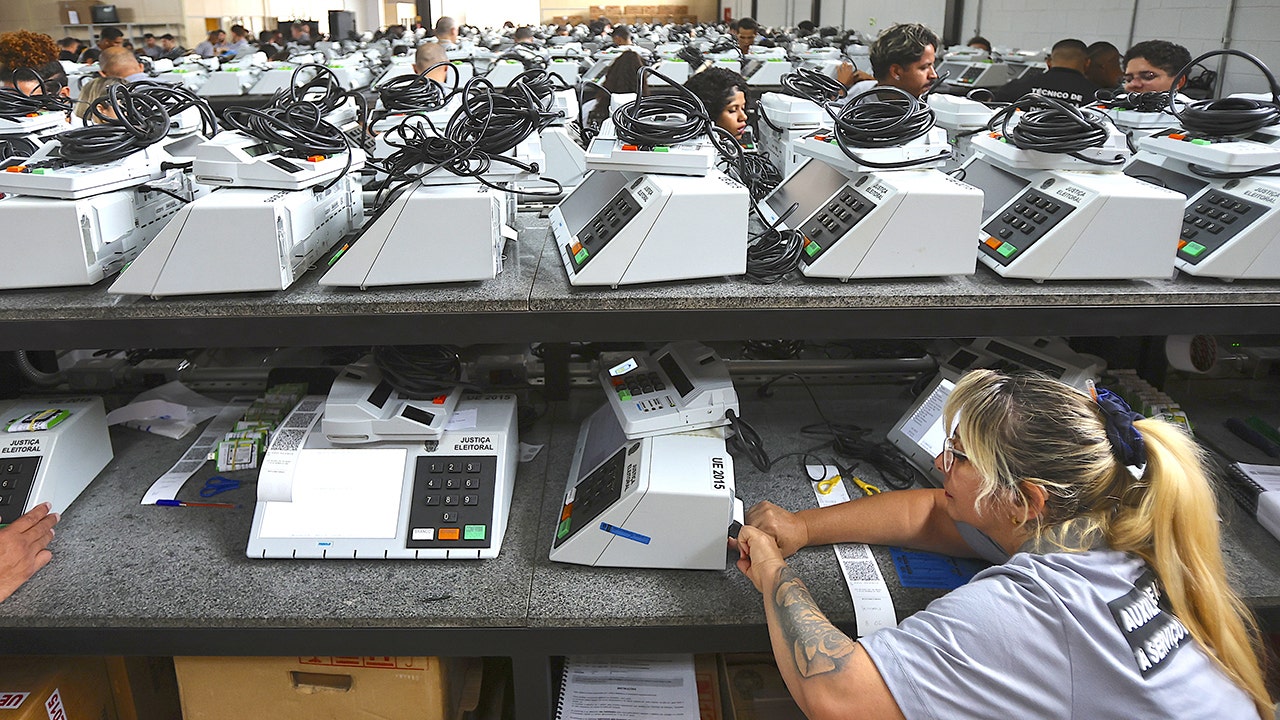
Some 33.4 million Brazilian adults did not show up to vote in the first round, resulting in a 21 percent abstention rate, the highest for a general election since 1998.
asserted
adults → show → 1998
“It’s my form of protest.
asserted
It → ’ → protest
I don’t want to dirty my hands with these candidates,” said Campelo, who lives in the Sao Paulo city of Araraquara.
asserted
who → want → Araraquara
It’s because I don’t feel there’s anyone qualified enough to earn my vote.
asserted
I → ’ → vote
But appealing to abstaining voters like Campelo may prove to be a path to victory in Sunday's run-off.
uncertain
appealing → appeal → off
A dead heat
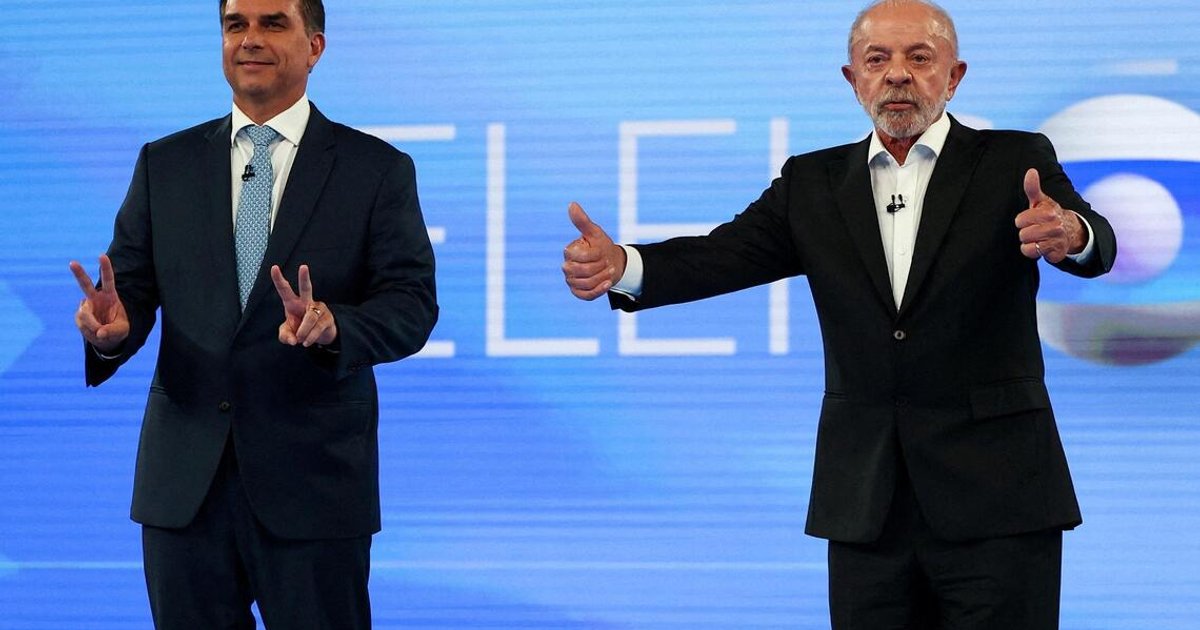
The final vote features two presidential candidates well known in Brazil's political establishment.
asserted
vote → feature → establishment
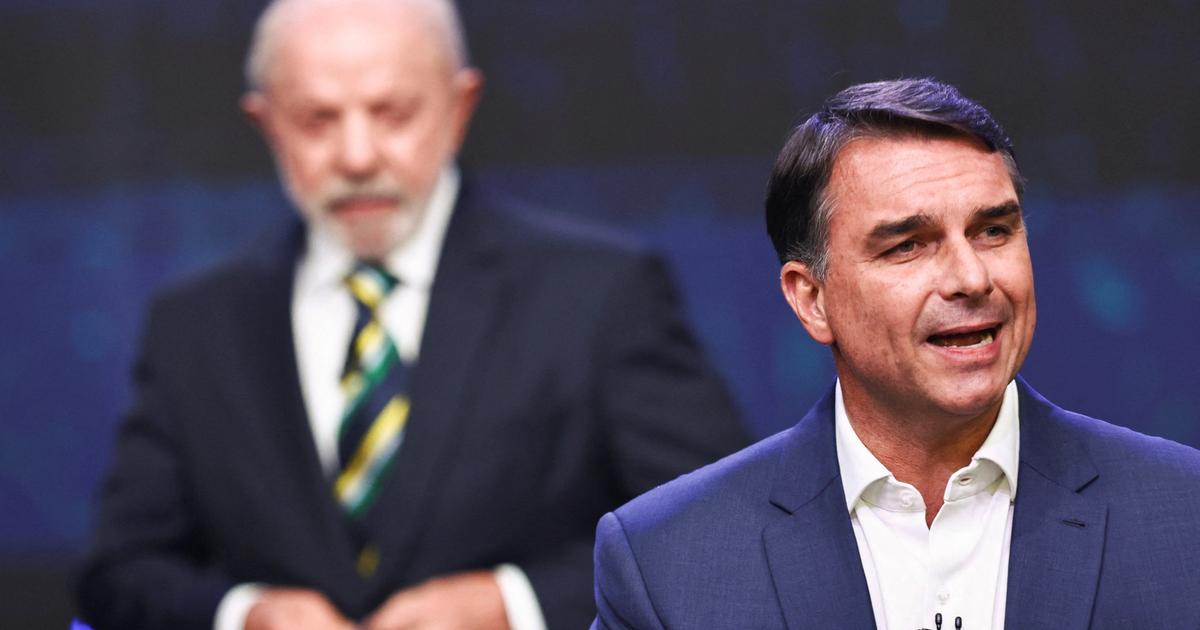
The left-wing contender, Luiz Inacio Lula da Silva, is the incumbent president, seeking an unprecedented fourth, non-consecutive term in office.
asserted
contender → seek → office
His rival, Senator Flavio Bolsonaro, is a member of a far-right political dynasty, hoping to follow in the footsteps of his father, imprisoned former President Jair Bolsonaro.
asserted
rival → hop → father
In the first round of voting, Bolsonaro won 47 percent of votes cast, surpassing Lula’s 45 percent.
asserted
Bolsonaro → win → percent
Just 2.2 million ballots separated them, out of more than 158.7 million registered voters.
asserted
ballots → separate → voters
The final round is set to be even tighter.
asserted
round → set → ?
The research firm Quaest published a poll on Wednesday that showed the two candidates in a statistical deadlock.
asserted
candidates → publish → deadlock
Bolsonaro earned 50.5 percent of respondents' support, well within the margin of error for Lula's 49.5 percent.
But experts say polarisation within Brazilian politics has created a population of voters unwilling to cast a ballot for either Lula or Bolsonaro.
asserted
polarisation → earn → Lula
In the Quaest poll, 52 percent of respondents said they would never vote for Bolsonaro.
asserted
they → say → Bolsonaro
Some 47 percent said the same for Lula, although the pollster noted that the president’s rejection rate had fallen six points in a week, in a promising sign for the incumbent.
asserted
rate → say → incumbent
A polarised political climate
Joao Guilherme Bastos dos Santos, a director at the Democracy in Check Institute, an independent research nonprofit, explained that polarisation reinforces the public's disengagement with politics.
asserted
polarisation → explain → politics
In a deeply divided political landscape, dos Santos pointed out that voter behaviour often changes.
asserted
behaviour → divide → landscape
Voters can become motivated by fear.
asserted
Voters → motivate → fear
In turn, they are more likely to vote in opposition to a candidate than in support of one.
asserted
they → vote → one
"That creates profound exhaustion," dos Santos said.
asserted
Santos → create → exhaustion
"The fighting seems to go nowhere."
asserted
fighting → seem → ?
Campelo, the mother in Sao Paulo, echoed that sense of exhaustion.
asserted
Campelo → echo → exhaustion
Her decision to stay home during Sunday's election was motivated in part by her rejection of Brazil's deeply antagonistic political culture.
asserted
decision → stay → culture
"Politics in Brazil has become like supporting a football team," she said.
asserted
she → become → team
"Politicians do things wrong, and people keep defending them.
asserted
people → do → them
It makes no sense."
asserted
It → make → sense
The morning of her interview with Al Jazeera, Campelo said her husband's family broke into an argument over Lula on their WhatsApp group.
asserted
family → say → group
"People are adopting their own pet politicians," she quipped.
asserted
she → adopt → politicians
Abstaining voters like Campelo are a diverse group, according to experts.
uncertain
voters → abstain → experts
Their reasons for dodging the ballot box can vary dramatically.
asserted
reasons → dodge → box
Mayra Goulart, a political scientist at the Federal University of Rio de Janeiro, said that those who actively reject Lula and Bolsonaro may only be a minority of Brazil’s abstainers.
uncertain
who → say → abstainers
"Life is difficult enough that they don't have the headspace, time or resources to devote to politics," she explained.
asserted
she → have → politics
Luciana Veiga, a political science professor at the Federal University of the State of Rio de Janeiro, also pointed out that Brazil’s abstainers are not merely a bloc of disillusioned voters waiting to be won over.
asserted
abstainers → point → voters
They may have practical considerations that prevent them from casting a ballot.
uncertain
that → have → ballot
“We cannot say that abstention is simply a political 'no' to voting," Veiga said.
asserted
Veiga → say → ?
…and 31 more, not listed.
 The Aporia