Several Western European nations have expressed their opposition to the potential resumption of the Iran war, as spiralling global oil prices have worsened the cost of living crisis across Europe.
asserted
prices → express → Europe
Countries such as Germany and the UK, among other major powers, which initially remained silent on the US-Israeli bombardment of Iran, have aired their views, calling for diplomacy to end the war which has disrupted global oil supplies.
asserted
which → remain → supplies
Recommended Stories
list of 4 items- list 1 of 4Oil slick from tanker in Hormuz Strait washes up on UAE beaches
- list 2 of 4Why Israel’s latest assault on Hebron is so significant for the West Bank
- list 3 of 4Algerian parliament’s upper house approves troop deployment to Niger
- list 4 of
asserted
house → wash → Niger
4Wembanyama helps Spurs to their first win of the season against short-handed Mavericks
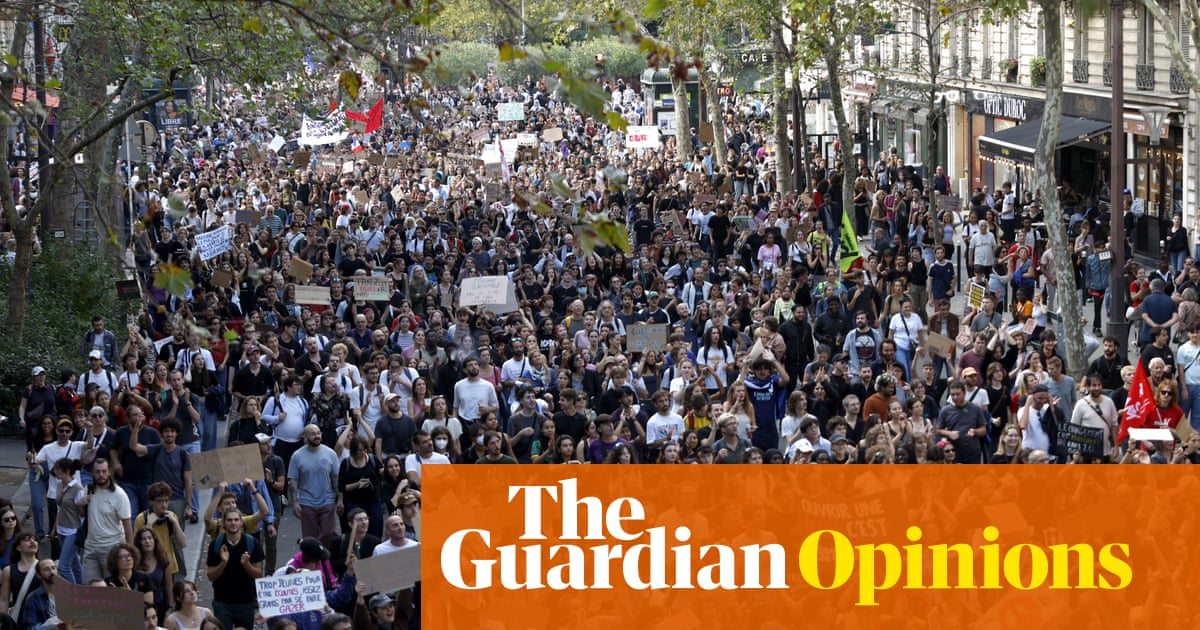
Continued disruption to energy supplies is pushing up household costs as winter in Europe approaches, adding fuel to protests over living standards that have engulfed European capitals in recent weeks.
asserted
that → help → weeks
Iran’s Foreign Ministry spokesperson Esmaeil Baghaei on Sunday drew attention to what he described as a shift in Germany’s position on attacks against Iran.
asserted
he → draw → Iran
In a post on X, Baghaei recalled German Chancellor Friedrich Merz’s remarks during Israel’s June 2025 military campaign: “This is the dirty work Israel is doing for all of us.”
asserted
Israel → recall → us
He contrasted those words with German officials’ recent warnings against renewed attacks and calls to prevent further escalation, before citing Friedrich Schiller’s The Maid of Orleans, quoting a passage that portrays reason being helplessly dragged towards an abyss by the forces of madness.
asserted
reason → contrast → madness
Experts say Baghaei’s remarks reflect a broader shift across Europe, where leaders are increasingly questioning their support for the US-Israeli war on Iran.
asserted
leaders → say → Iran
With Washington reportedly preparing options for renewed attacks, what would further escalation mean for Europe and could the war further strain already frayed relations with the United States?
uncertain
war → prepare → States
Here is what we know.
asserted
we → know → what
How has Europe’s position changed?
asserted
position → change → ?
When the US and Israel launched their attacks on February 28 , the leaders of Britain, France and Germany issued a joint statement condemning Iran’s retaliatory strikes on countries across the region.
asserted
leaders → launch → region
“We condemn Iranian attacks on countries in the region in the strongest terms,” British Prime Minister Keir Starmer, French President Emmanuel Macron and Merz said.
asserted
Starmer → condemn → terms
Their statement did not condemn the opening US-Israeli attacks.
asserted
statement → condemn → attacks
However, it called for negotiations to follow.
asserted
negotiations → call → ?
Nearly eight months into the war, European governments are now explicitly warning against another military campaign.
asserted
governments → warn → campaign
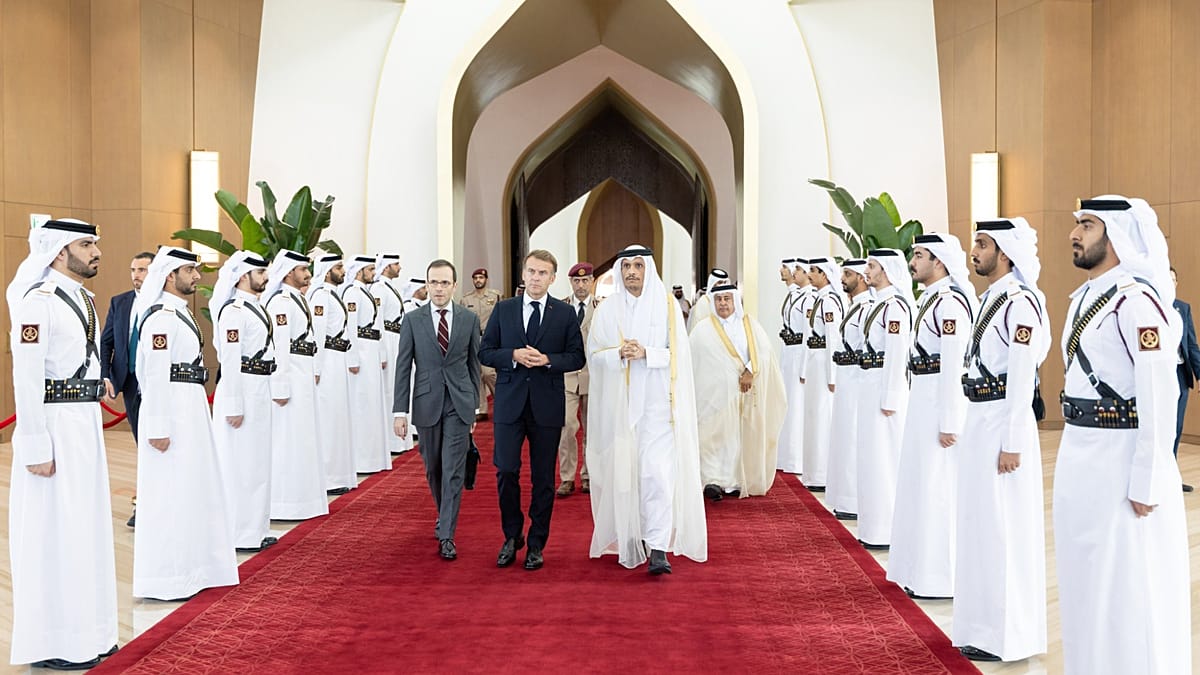
On Friday, the foreign ministers of Britain, France, Germany and Italy met their counterparts from Turkiye, Saudi Arabia, Pakistan and Egypt in Istanbul to discuss the conflict and the Strait of Hormuz.
asserted
ministers → meet → Hormuz
Further escalation between Iran and the US “would create nothing but losers and would undoubtedly have very serious consequences for hydrocarbon prices”, French Foreign Minister Jean-Noel Barrot said.
asserted
Barrot → create → prices
“And so the first thing this group of eight countries … will do is call on both sides to exercise the utmost restraint, because we cannot afford another escalation in the region,” he added.
asserted
he → do → region
The warnings against new attacks do not necessarily mean European governments have abandoned their positions on Iran’s nuclear programme or regional activities, but they do show a change of position and have revealed that European governments are not united in their approach to the Iran war.
asserted
governments → mean → war
Spanish Prime Minister Pedro Sanchez has consistently opposed the US-Israeli campaign.
asserted
Sanchez → oppose → campaign
At this month’s European summit, he again described the war as “illegal, unjust and unjustified”, linking it to Europe’s mounting economic costs.
asserted
he → describe → costs
Western countries have opposed Iran’s nuclear programme, which Tehran says is for civilian purposes only.
asserted
Tehran → oppose → purposes
European countries were part of the landmark 2015 nuclear deal with Iran that limited Tehran’s nuclear programme in exchange for sanctions relief.
asserted
that → limit → relief
But during his first term in 2018, United States President Donald Trump withdrew from the deal.
asserted
Trump → withdraw → deal
Both the US and Israel invoked Iran’s nuclear programme to launch their attack in February.
asserted
US → invoke → February
Have European bases been used?
asserted
bases → use → ?
“We did not participate in these strikes, but are in close contact with our international partners, including the United States, Israel and partners in the region,” said the February 28 statement from Britain, France and Germany.
asserted
statement → participate → Britain
But non-participation in the opening attacks did not mean European countries would uniformly refuse support for subsequent operations.
asserted
countries → mean → operations
Germany said early in the war that it would not restrict US use of its bases, including Ramstein, a major American military hub.
asserted
it → say → Ramstein
Britain initially withheld permission for the opening attacks.
asserted
Britain → withhold → attacks
However, it authorised US use of British bases for what London described as specific, limited defensive strikes against Iranian facilities involved in attacks on regional allies.
asserted
London → authorise → allies
Then, after initial reluctance, Britain expanded that permission to include operations against missile sites and capabilities being used to attack shipping in the Strait of Hormuz.
asserted
Britain → expand → Hormuz
France allowed US support aircraft at Istres, while saying they would support the defence of regional partners rather than participate in attacks on Iran.
asserted
they → allow → Iran
It later blocked a weapons flight to Israel connected to the campaign.
asserted
It → block → campaign
Spain went further.
asserted
Spain → go → ?
After refusing permission for attacks from the jointly operated Rota and Moron bases, Madrid closed its airspace to US aircraft involved in the war.
asserted
Madrid → refuse → war
Those were different restrictions with different purposes, rather than a single European refusal to cooperate, but they provoked Trump.
asserted
they → cooperate → Trump
Calling Spain “terrible”, he threatened to cut off trade and said Washington wanted “nothing to do with Spain”.
asserted
Washington → call → Spain
The dispute has therefore exposed a widening argument over whether alliance commitments require European governments to facilitate a war they did not choose.
asserted
they → expose → war
…and 23 more, not listed.
 The Aporia