South Korea plans to invest over $100 billion in the U.S. nuclear sector and natural gas projects, as reported by The Wall Street Journal on Thursday. This investment includes eight nuclear power plants using Westinghouse Electric’s AP1000 design and possibly South Korean manufacturer Kepco's APR1400 model, along with a major natural gas project in Texas. The move is part of the Trump administration's strategy to boost America's AI capabilities by securing necessary energy infrastructure, following negotiations that began in October 2025 where South Korea committed to $350 billion worth of strategic investments and shipbuilding projects in exchange for reduced tariffs from the U.S.
Written by the local model on 2026-09-15,
using this article's own text rather than the other coverage of the
same event (that is the story summary below).
If the U.S. wins the AI race against China, it might have South Korea to thank.
uncertain
it → win → Korea
On Thursday, The Wall Street Journal reported that the South Korean government would soon announce an investment of over $100 billion for eight nuclear power plants and a natural-gas project in Texas.
asserted
government → report → Texas
The nuclear power plants will likely be built on federal land and use the AP1000 design by U.S.-based company Westinghouse Electric.
asserted
plants → build → Electric
Both sides have discussed having "at least some of the reactors" be the APR1400, built by South Korean manufacturer Kepco, according to the Journal.
uncertain
some → discuss → Journal
It's the start of a string of strategic investments from Korea that could grow to include the Alaska Liquefied Natural Gas pipeline—an 807-mile project to transport natural gas from Alaska's North Slope—according to the Seoul Economic Daily.
uncertain
that → grow → Daily
The projects are part of the Trump administration's push to accelerate America's AI buildout, in this case, by developing the energy sources needed to sustain it.
asserted
projects → accelerate → it
The initial trade agreement—reached in October 2025—said South Korea would invest $350 billion in the U.S. in exchange for the U.S. reducing its tariff rate from 25 percent to 15 percent on most imports from South Korea.
asserted
U.S. → reach → Korea
That includes $200 billion for strategic investments—$100 billion of which was earmarked for energy projects—and $150 billion for the U.S. shipbuilding sector.
asserted
billion → include → sector
No tangible investment followed in the months since the initial announcement.
asserted
investment → follow → announcement
As the Journal reports, that put the East Asian nation in the doghouse with the Trump administration.
asserted
that → report → administration
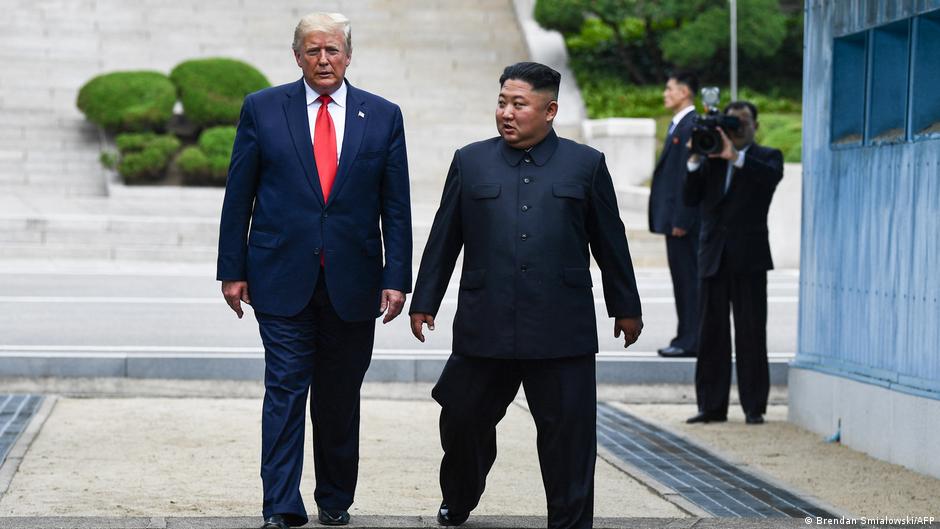
In January, President Donald Trump threatened to reimpose a 25 percent tariff rate because the South Korean National Assembly had not yet approved the deal.
asserted
Assembly → threaten → deal
To get back in the president's good graces, the South Korean government announced the creation of a state-run corporation earlier this year to select, finance, and manage investments in the U.S. and make "recommendations to Trump," per the Journal.
asserted
government → get → Journal
Dubbed the Korea-U.S. Strategic Investment Corporation, the organization will pursue "investments that create win-win outcomes for both countries," South Korea's Ministry of Finance and Economy said in June.
asserted
Ministry → dub → June
It's unclear whether South Korea would maintain any semblance of influence over the projects, as a normal primary investor would.
uncertain
investor → maintain → projects
Yet, the Seoul Economic Daily reports that a memorandum of understanding for the energy deal could be finalized as early as September 18.
uncertain
memorandum → report → September
Last October, Japan's trade ministry announced it would invest $550 billion in the U.S. in return for lower tariffs.
asserted
it → announce → tariffs
As part of its deal, Japan agreed to play a role in the Trump administration's $80 billion buildout of Westinghouse's AP1000 nuclear reactors across the United States, which could be financially lucrative for the federal government.
uncertain
which → agree → government
There's a particular irony in the president using tariffs to cudgel South Korea into investing billions in the U.S. when the initial trade agreement gives preference to Korean vendors and project managers, a move that would seemingly increase imports of goods and skilled workers from Korea.
asserted
that → be → Korea
(It may also increase the trade deficit with South Korea, upending one of Trump's many justifications for imposing tariffs in the first place.)
uncertain
It → increase → place
But while the Journal has chalked up the deal as "a win for Trump," this victory could be particularly costly for one of America's closest trading partners.
uncertain
victory → chalk → partners
Given the realities of building a nuclear power plant in the U.S.—it cost $35 billion to build two AP1000s in Georgia—financing eight nuclear power plants and a natural-gas project will likely exceed the $100 billion that South Korea earmarked for American energy projects last October.
asserted
Korea → give → projects
The two countries have already revised initial estimates for the energy projects, with expected costs for a natural-gas plant in Encinal, Texas, around $22 billion, up from $20 billion, and the eight nuclear power plants totaling $120 billion, per the Seoul Economic Daily.
asserted
countries → revise → Daily
The outlet reports that "because including all of the projects requested by the U.S. could push the total beyond the $200 billion set aside for strategic investment, the government is also weighing adjusting the investment size for each project or excluding some of them."
uncertain
government → report → them
A multibillion-dollar investment in the domestic AI industry would be a coup for the Trump administration's stated objective to have America dominate the sector.
asserted
America → state → sector
However, the president's victory could just as easily have come about from a trade agreement between the two countries that didn't involve the U.S. bullying South Korea with the threat of tariffs.
uncertain
U.S. → come → tariffs
 The Aporia